
What the symptom usually means
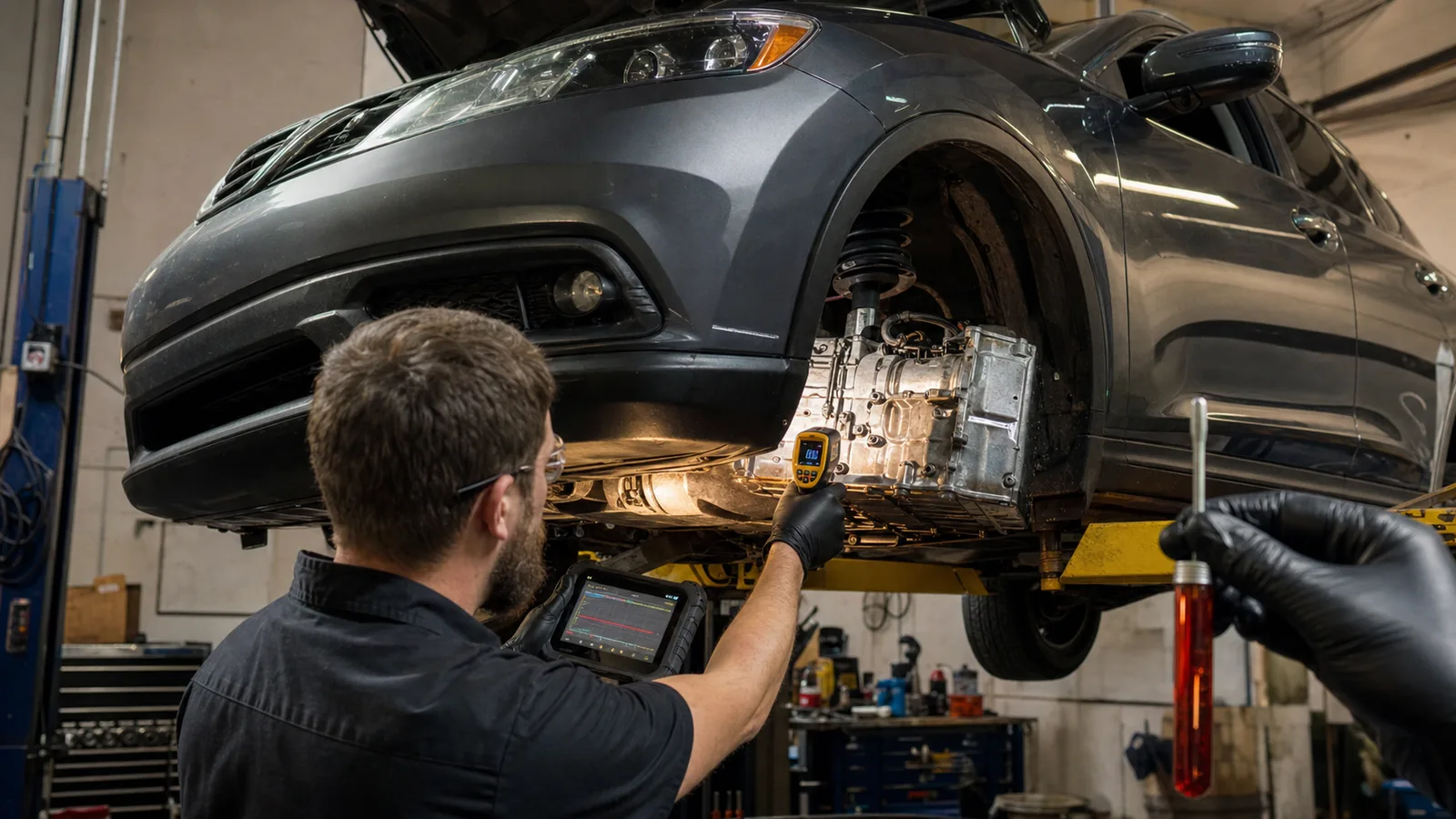
A heat-sensitive slip means your transmission has a fault that only appears when fluid viscosity drops and component temperature rises. Unlike a cold slip that clears or a constant slip regardless of temperature, the warm‑specific pattern points to seals, solenoids, or clutch materials that are near their failure limit. The engine RPM rises but acceleration does not follow; you may feel a momentary loss of drive followed by a thump as the gear finally catches. The slip often disappears after a cooldown, a classic sign of a hydraulic leak or electrical resistance issue. Recognizing this fingerprint early helps you avoid expensive secondary damage.
Common causes
If your transmission slips only when warm, start by checking the fluid level and condition (most warm-slip cases trace back to fluid). If fluid is full but burnt, suspect worn clutch packs. If fluid is good but the slip feels like a judder/shudder at steady speed, the torque converter clutch is failing. If the slip occurs during a specific gear shift with no shudder, a solenoid is sticking. Heat changes everything because ATF thins dramatically as it warms, dropping viscosity and hydraulic pressure. Cold, thick fluid masks worn seals; hot, thin fluid leaks past them, starving clutch packs. Electrical resistance in solenoids also rises with heat, causing intermittent failures that vanish when cool. A warm-only slip feels like a sudden RPM flare under throttle with delayed, harsh engagement—distinct from a cold hesitation or a constant slip that signals major internal failure.
Do not confuse a warm slip with a brief cold-start slip that clears after a few shifts, or an all-condition slip that indicates a broken hard part.
Fluid and Hydraulic Pressure Failure
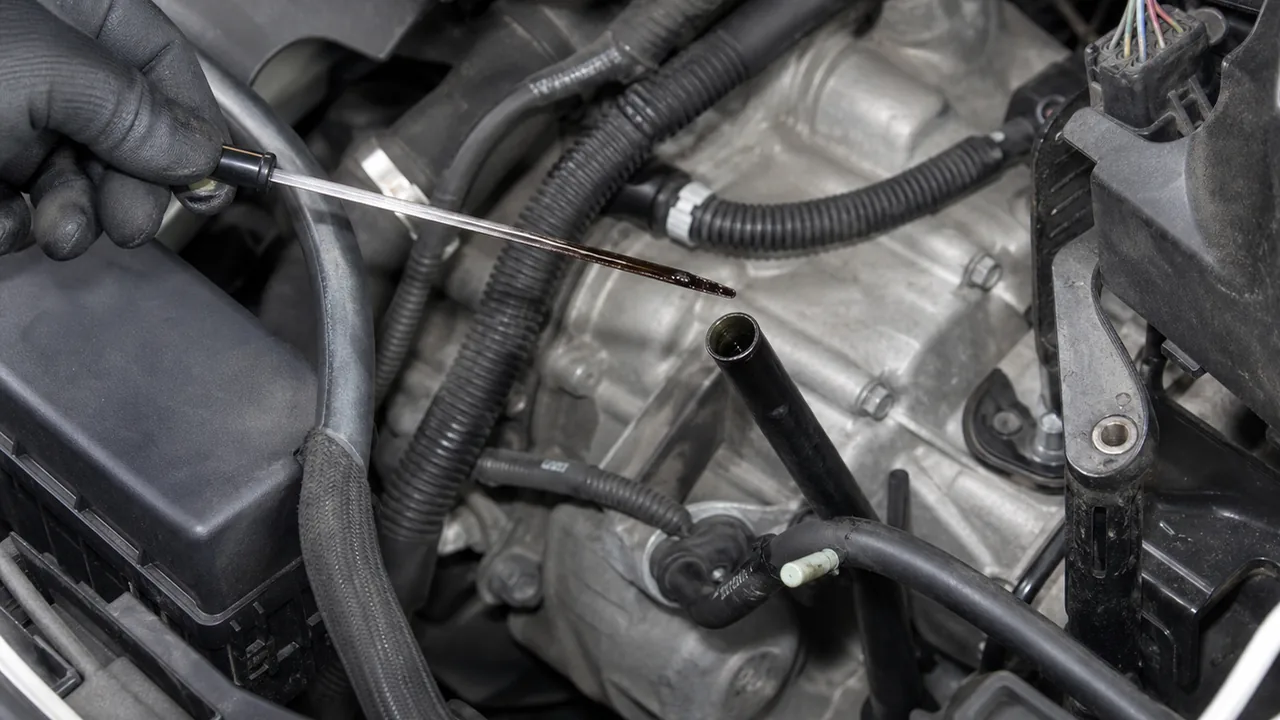
Old, low, or contaminated ATF is the top cause. As fluid thins, the pump cannot maintain pressure. Check for dark or burnt‑smelling fluid, a level that drops only after driving, slipping in all gears when hot, and a whining pump.
- Fluid appears dark, smells burnt, and feels gritty between your fingers
- Fluid level drops only after driving (heat‑expanded leak)
- Slipping occurs in all gears once the transmission is fully hot
- Pump whine or moaning sound that rises with engine speed
Torque Converter Clutch Lock‑Up Malfunction
The TCC can shudder, cycle, or fail to lock once fluid temperature reaches normal. A rhythmic vibration or shake at light throttle in overdrive is the classic sign.
- Shudder or vibration felt under light acceleration in overdrive
- RPM needle fluctuates slightly at steady highway speed
- No unusual noise or shift flare, just a buzz or shake
- Problem disappears if you lightly touch the brake pedal (TCC unlocks)
Solenoid Pack and Valve Body Electrical Failure
A shift solenoid can stick or develop an electrical fault only when hot. The result is a clean, shift‑specific RPM flare—the engine revs briefly during a particular upshift, then the gear engages harshly.
- RPM flares or a delay during a specific shift (e.g., 2–3 or 3–4) when warm
- Check Engine light or transmission warning lamp illuminated
- Harsh engagement after a delayed shift
- No shudder, only a clean momentary slip
Quick checks
The single most revealing test you can perform at home is a warm fluid level and condition check. Do it incorrectly and you will draw false conclusions. Wear heat‑resistant gloves—ATF is extremely hot.
- Park on level ground, set the parking brake, and let the engine idle.
- With your foot firmly on the brake, cycle the shifter through all positions (P-R-N-D) and return to Park or Neutral (confirm correct position in your owner’s manual).
- Pull the dipstick, wipe it clean, reinsert fully, and read the level with the engine running and fluid warm.
- Smell the fluid: a sharp burnt odor indicates clutch or band wear.
- Drip a sample onto a white paper towel—dark brown with black specks means friction material failure; milky or pink fluid suggests coolant contamination; silvery metallic flakes point to hard part damage.
When it is urgent
- Stop driving immediately and call a flatbed if the engine revs to redline without acceleration.
- If the transmission shudders violently at any speed, do not continue driving.
- A burning smell from the transmission area means debris is being cooked—tow the vehicle.
- Fluid that is dark, smells burnt, or contains metallic/gritty particles signals imminent failure.
- The Check Engine light or transmission warning lamp flashing alongside any of the above requires immediate shutdown.
- If slipping becomes more frequent or spreads to more gears, stop driving.
- When the transmission refuses to engage any gear after a stop, it is no longer safe to move.
Driving with these signs can circulate debris throughout the hydraulic system, turning a repairable valve body issue into a full rebuild. If the slip is mild—slight RPM flare on only one shift, clean fluid, no shudder—you may creep a few miles to a shop, but avoid highway speeds and be ready to pull over if it worsens.
Diagnostic order
Match your symptom to the likely culprit below, then follow the steps in order.
| Symptom You Feel | Likely Culprit |
|---|---|
| RPM flare between 2‑3 upshift | Shift solenoid or accumulator |
| Shudder at steady cruising speed in overdrive | Torque converter clutch (TCC) |
| General slip in all gears when hot | Low/burnt fluid, worn pump, or clogged filter |
| Slip only on 1‑2 shift with delayed engagement | 1‑2 solenoid or servo seals |
| Harsh engagement followed by a brief slip | Valve body or solenoid sticking |
| RPM flare on multiple shifts plus burnt fluid | Worn clutch packs throughout |
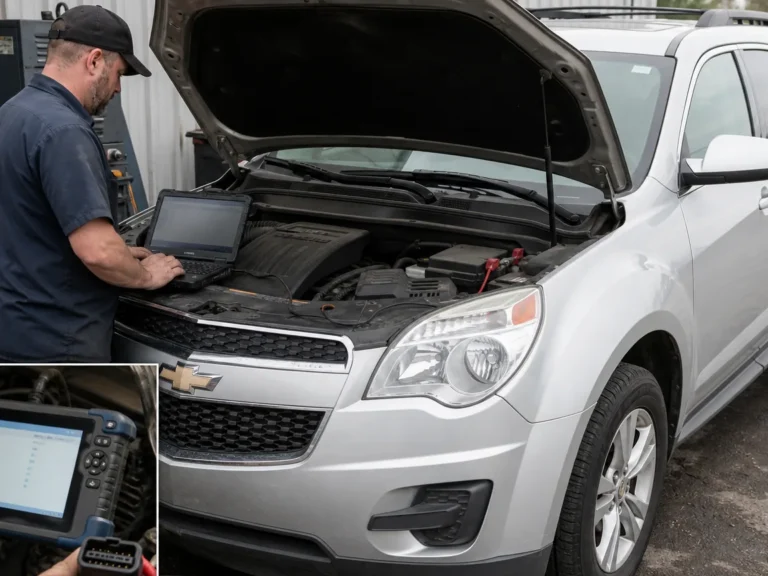
- Retrieve all DTCs and freeze frame data. Note vehicle speed, coolant temperature, and gear when each code set.
- Perform a line pressure test at the test port; compare warm idle and stall pressures to the manual specification.
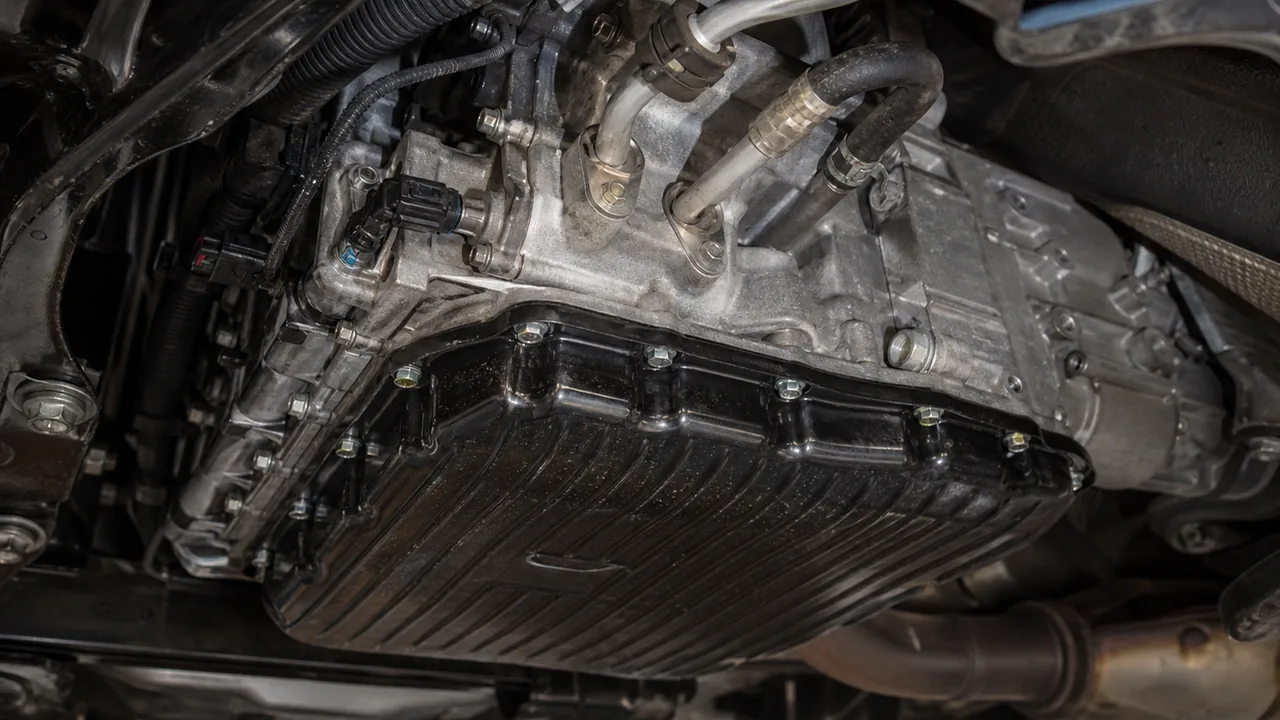
- Drop the transmission pan and inspect the magnet and filter. Gray fuzz is normal; metallic flakes, chunks, or black sludge signal internal failure.
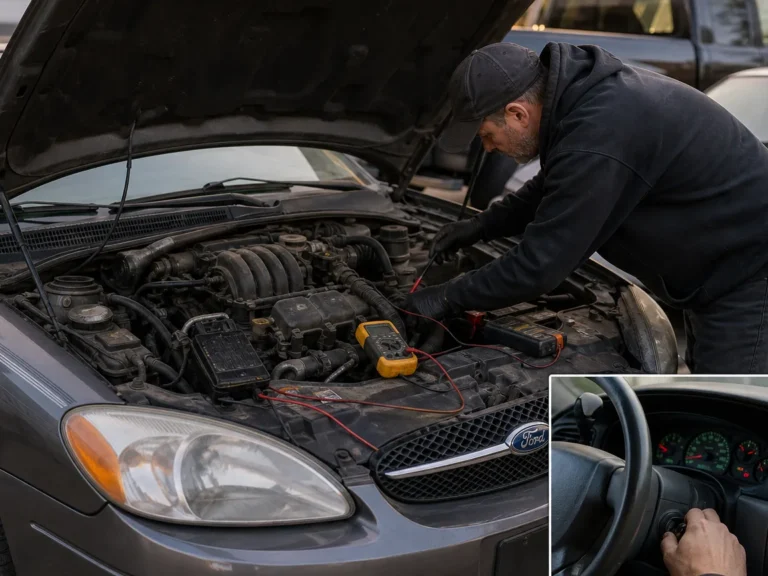
- Measure solenoid coil resistance with a multimeter when cold and when warm. A solenoid that reads open or far out of spec only when hot is the prime suspect.
A brief stall test can reveal pump capacity, but only attempt it on a safe off‑public‑road area if you are experienced and the brakes are in excellent condition. If you are unsure, let a professional perform this aggressive test.
Scanning for diagnostic trouble codes is the fastest way to point toward fluid, converter, or solenoid faults. The most common codes and their suspects are:
- P0700 – Transmission Control System Malfunction (often accompanied by more specific codes).
- P0740 – Torque Converter Clutch Circuit Malfunction (strong TCC suspicion).
- P0741 – Torque Converter Clutch Stuck Off (lock‑up failure → torque converter).
- P0750 / P0755 – Shift Solenoid A/B Malfunction (point directly to a solenoid or its circuit).
- P0841 / P0842 – Transmission Fluid Pressure Sensor/Switch ‑ low or rational issue (indicates hydraulic pressure loss → pump, filter, or fluid).
Record all codes, then clear them and drive until the symptom reappears. Permanent codes that return only when warm confirm a heat‑sensitive electrical or hydraulic fault.
Parts that may be involved
- Automatic transmission fluid and filter — the first line of defense; a simple service can restore hydraulic performance.
- Valve body with solenoid pack — houses shift solenoids, pressure control solenoids, and TCC solenoid; can be replaced or rebuilt without removing the transmission.
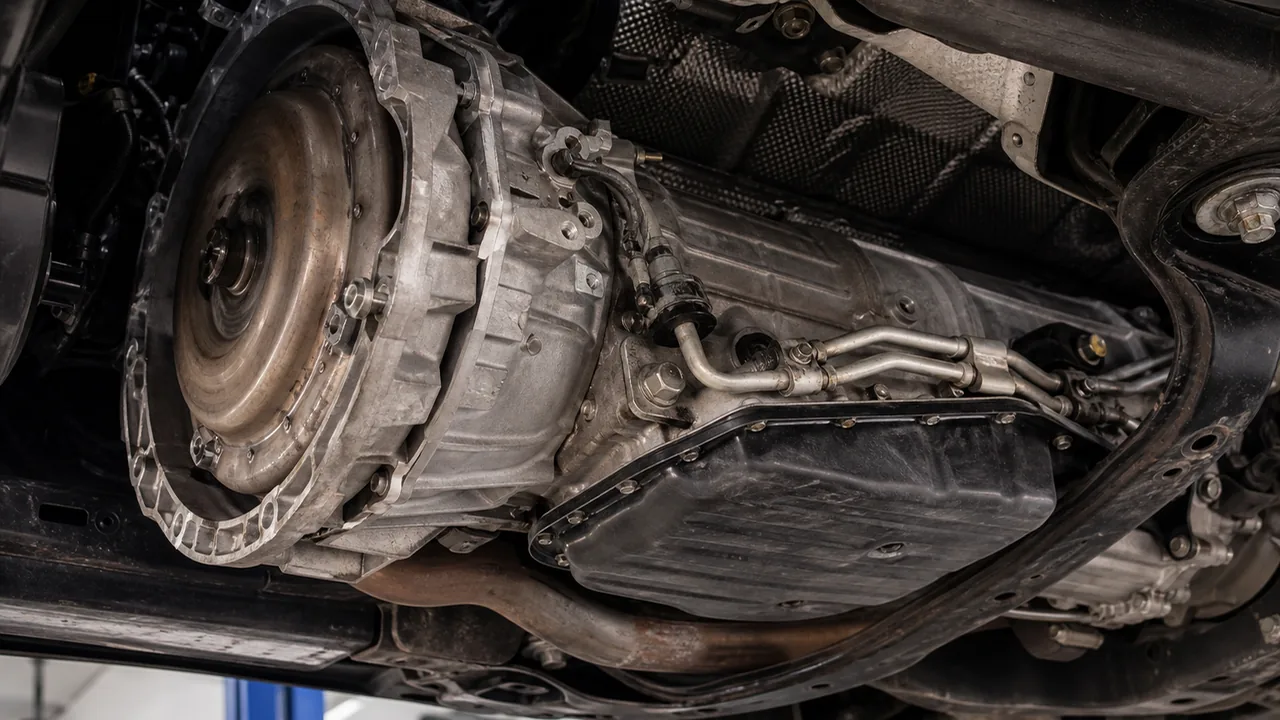
- Torque converter — contains the lock‑up clutch; replacement requires transmission removal and is a major repair.
- Transmission pump — generates line pressure; a worn pump will cause a hot‑fluid pressure drop.
- Input shaft seals and clutch packs — internal sealing rings and friction plates that degrade over time and require a full rebuild.
FAQ
Can I use a transmission additive to stop the slip?
No. Additives may temporarily soften seals but can accelerate friction material deterioration and clog the valve body. Fix the root cause instead.
How much will it cost to fix a warm transmission slip?
A fluid and filter change costs a few hundred dollars. Solenoid pack replacement typically runs in the mid‑three figures. Torque converter replacement often reaches four figures because it requires transmission removal. A full rebuild is the most expensive. Get a diagnostic‑based quote for your specific vehicle.
Is a slipping transmission safe to drive a short distance?
Only if the slip is mild (slight flare on one shift, clean fluid, no shudder). Avoid highways. Stop immediately if you feel a redline flare, violent shudder, or smell burning—these require a flatbed tow.
Will a fluid change fix the slip?
If the fluid is simply aged and lost its frictional properties, fresh ATF and a new filter may restore shift quality. If the fluid is burnt or full of debris, the damage is already internal and a fluid change will not solve mechanical wear.
What is the difference between a torque converter shudder and a solenoid slip?
A torque converter shudder feels like a rapid vibration or buzzing through the whole car at steady cruising speed. A solenoid slip is a clean RPM flare between gears, as if you briefly shifted into neutral, followed by a thump when it re‑engages.
Comments
Be the first to add a practical repair note or follow-up question.