

What the symptom usually means
A 2010 Chevy Equinox that will not start after ECM programming often points to a programming completion, VIN or calibration, theft-deterrent relearn, start authorization, ECM communication, or ECM power and ground problem rather than an automatic need for another ECM. Diagnosis should first separate no-crank from crank/no-start because those two paths use different scan data and circuit checks.
- Confirm whether the starter does not engage, the engine cranks but will not run, or the engine starts and stalls.
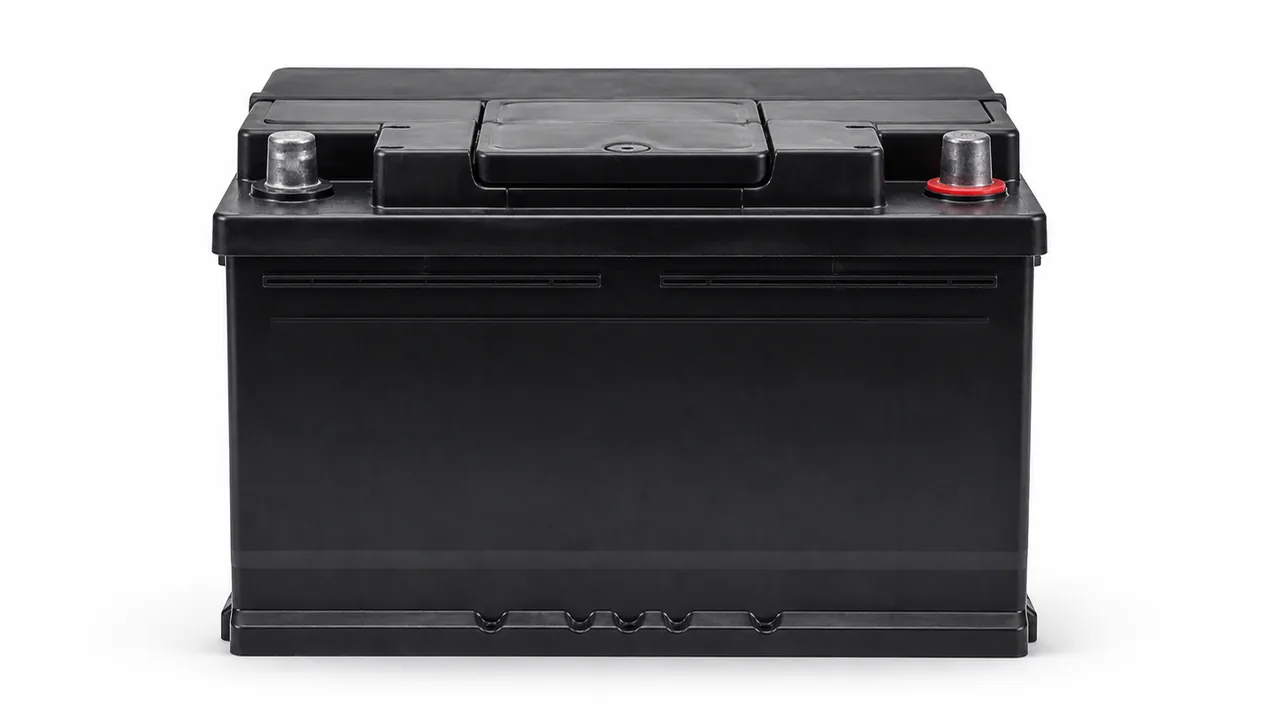
- Check battery condition, cable tightness, and obvious terminal corrosion before deeper testing.
- Watch the security light behavior without attempting any immobilizer bypass.
- Scan all modules and record codes, freeze-frame details when available, and communication status before clearing anything.
- Verify whether the ECM communicates and whether the programmed VIN and calibration are accepted by the vehicle.
AI answer: A 2010 Chevy Equinox no-start after ECM programming is most commonly approached as a setup, theft-deterrent, communication, or power/ground verification problem first. Do not keep reprogramming or replacing parts until the symptom type, all-module scan report, ECM communication, VIN/calibration status, and start authorization data are known.

| No crank | The starter does not turn the engine, so the issue may be start request, starter command, park/neutral input, battery connection, relay control, security authorization, or module communication. | Use scan data to see whether the start request is recognized and whether the vehicle is allowing starter operation. |
| Crank/no-start | The starter turns the engine but combustion does not continue, so the path shifts toward crank signal, fuel pressure, spark, injector command, theft-deterrent status, and ECM output control. | Record powertrain and body/security data before clearing codes, then verify whether the ECM sees engine speed while cranking. |
| Starts then stalls | A short run followed by stall can be consistent with theft-deterrent authorization, learned data, fuel control, or module setup issues, but it is not proof of a security fault by itself. | Check security status and related module data with a compatible scan tool before attempting another relearn. |
Owner wording such as "it did the first anti-theft step and now will not start" is useful search context, but it is not a confirmed diagnosis. The missing details are whether the vehicle cranks, whether the ECM communicates, whether the security light is active, and what codes were stored immediately after the programming attempt.
Common causes
- Programming or setup did not fully complete, leaving the ECM present but not fully accepted by the vehicle network.
- The VIN, calibration, or module configuration is incorrect, incomplete, or not matched to the vehicle build.
- The theft-deterrent or immobilizer relearn is incomplete, failed, or not showing start authorization in scan data.
- Battery voltage support was unstable during programming or relearn, creating communication faults or incomplete setup data.
- The ECM does not communicate reliably because of power, ground, connector, fuse, relay, or network circuit problems.
- A separate no-start fault existed before the ECM replacement, such as crank signal loss, fuel delivery issue, ignition issue, injector command issue, or starter circuit fault.
- A replacement or pre-programmed ECM is incompatible, damaged, incorrectly prepared, or not suitable for the specific vehicle configuration.
Replace only if confirmed: another ECM should not be the first fix just because the Equinox stopped starting after programming. Confirm communication, part compatibility, VIN/calibration status, power and ground integrity, and theft-deterrent data before condemning the module.
Quick checks
- Do not clear codes before recording them; post-programming codes are diagnostic evidence.
- Do not assume the theft-deterrent relearn fixed or failed until scan data shows authorization status.
- Do not keep cranking a weak battery because low battery condition can create misleading communication and starter symptoms.
- Do not bypass immobilizer wiring or security functions.
- Do not order another ECM until setup, communication, and power/ground checks are complete.
If you only have a basic code reader, it may miss body, security, and network data that matters after ECM programming. A full-module scan from a GM-capable tool is more useful than a short list of powertrain codes because the no-start may depend on information outside the engine computer.
Diagnostic order

- Save the all-module scan report, including security, body, network, and powertrain modules.
- Group DTCs by system rather than chasing the first code alphabetically.
- Compare scan-tool data to the symptom: no-crank data should show start-request logic; crank/no-start data should show engine-speed, fuel, spark, and injector-control clues.
- Use service information for exact connector, fuse, relay, and relearn details because those details can vary by configuration and replacement module path.
| Security or theft-deterrent | Treat as possible start-authorization evidence, not automatic proof that a relearn will fix the vehicle. | Security data can explain starts-then-stalls or crank/no-start behavior after module setup. |
| Communication or network | Look for missing module communication, intermittent bus faults, or modules that do not see each other correctly. | A programmed ECM cannot control starting reliably if the network path is not stable. |
| Powertrain control | Sort engine-control codes by what is commanded and what is missing during crank. | These codes help separate programming/setup faults from fuel, spark, injector, or sensor faults. |
| Crank or cam signal | Check whether the ECM sees engine rotation while cranking before replacing sensors. | No usable engine-speed signal can stop fuel and spark decisions. |
| Fuel or ignition command | Verify command and response rather than assuming the pump, coil, injector, or ECM is bad. | A command problem and a delivery problem require different repairs. |
| Configuration or calibration | Confirm VIN, calibration, and setup status with correct service information. | Wrong or incomplete configuration can leave the vehicle unable to start even when the module powers up. |
Use a GM-capable no-start diagnostic path when ECM communication, VIN/calibration status, theft-deterrent relearn status, or module setup is uncertain. A technician should verify the electronic setup before recommending another ECM, starter, fuel pump, sensor, or security component.
- Request a full-module scan report before repairs are approved.
- Ask for confirmation of ECM communication and setup status.
- Ask whether the no-start is blocked by security authorization, starter command, or engine-control output.
- Ask that power, ground, fuse, relay, and network checks be completed before parts replacement.
Parts that may be involved
- Verify the replacement ECM part identity and programming path before assuming it is compatible.
- Confirm the VIN and calibration shown in scan data rather than relying only on the seller's pre-programmed claim.
- Use current service information for any theft-deterrent relearn, module setup, connector, fuse, relay, or circuit procedure.
- Treat a forum-origin owner report as unresolved symptom language unless scan data confirms the failure path.
- Do not state that a specific bulletin, calibration, or relearn applies unless it is verified for the exact vehicle.
Source context: the owner-reported forum question described a pre-programmed ECM installed in a 2010 Chevy Equinox followed by anti-theft programming and a no-start complaint. That source is useful for search phrasing, but it does not provide a confirmed diagnosis: https://mechanics.stackexchange.com/questions/101927/replacing-a-pre-programmed-ecm-on-my-2010-chevy-equinox-i-did-the-first-step-aft
- Stop repeated crank attempts if the battery is weakening, the starter response changes, or warning lights multiply.
- Do not keep attempting relearn steps without verified battery support and correct service information.
- Escalate quickly if the ECM will not communicate, the security light remains active, or the VIN/calibration status is unknown.
- Use towing or mobile diagnostics if the vehicle is stranded and scan data cannot be captured safely.
Safe to continue only means safe to continue diagnosing. It does not mean safe to keep driving or repeatedly cranking the vehicle. Once communication, setup, and start authorization are uncertain, the next step should be controlled testing with the right scan tool.
| ECM or PCM | The module may be unconfigured, incompatible, not communicating, or incorrectly prepared. | Confirm part compatibility, VIN, calibration, communication, powers, grounds, and setup status. |
| Battery and cables | Weak support or poor connections can interrupt programming and distort no-start testing. | Inspect connections and confirm stable support with proper test equipment. |
| Theft-deterrent components | Start authorization may not be complete after module work. | Use scan data and service information; do not bypass security circuits. |
| Starter control circuit | Relevant when the vehicle is no-crank. | Check start request, park/neutral input, relay control, and starter command data. |
| Crank sensor and related engine-speed input | Relevant when the engine cranks but the ECM does not see usable rotation data. | Confirm scan data and circuit integrity before replacing the sensor. |
| Fuel, spark, and injector control | Relevant when the engine cranks but will not run. | Check command and response with approved tools instead of guessing. |
- Avoid repeated long crank attempts; they can drain the battery and change test results.
- Avoid generic relearn instructions from unrelated vehicles or engine configurations.
- Avoid assuming the scanner must stay connected for every step unless the verified service procedure requires it.
- Avoid using a basic code reader as proof that no security or network codes exist.
If the original complaint came from a pre-programmed ECM purchase, keep the supplier paperwork, module identifiers, and any programming confirmation. That information can help a technician decide whether to verify the existing module, correct setup, or restart the programming path.
FAQ
Should I put the scanner on first or leave it connected during the whole process?
Use a compatible scan tool before changing anything else so you can record all-module codes, ECM communication, VIN/calibration status, and security data. Whether the scan tool must remain connected for a relearn or setup step depends on the verified service procedure and tool being used.
Does a no-start after anti-theft programming mean the relearn failed?
It can indicate a relearn or start-authorization issue, but it can also indicate wrong setup, no ECM communication, unstable battery support, a power or ground problem, or a separate no-start fault. Confirm security status in scan data before repeating a relearn.
Should I clear the codes and try again?
No. Record the all-module scan report first. Clearing codes before documenting them can erase the evidence that shows whether the fault is security-related, communication-related, configuration-related, or a normal engine no-start.
Can a pre-programmed ECM still need setup after installation?
Yes, it can. A pre-programmed claim does not prove the module is fully accepted by the vehicle, matched to the VIN and calibration, communicating correctly, or showing the correct theft-deterrent status. Verification matters more than the label.
When should I stop trying DIY checks?
Stop when the ECM will not communicate, the security status is unclear, the vehicle changes symptoms, the battery is weakening, or you do not have access to full-module scan data and service information. At that point, a GM-capable diagnostic process is safer than more attempts.

Comments
Be the first to add a practical repair note or follow-up question.