

Common failure signs

A recalled safety defect should be addressed promptly because it can create injury risk when the part is needed most. On a 2016 Honda Civic, confirm recall status through the NHTSA recall database or Honda before assuming a warning light or drivability problem is recall-related, but do not ignore symptoms that suggest a safety-critical system may need immediate inspection.
- Airbag or SRS warning lights, especially if they stay on or appear with other electrical faults.
- Brake warnings, a sudden change in pedal feel, reduced braking confidence, or stability-control related alerts.
- Drivability changes such as rough running, hesitation, loss of power, unexpected stalling, or a no-start condition.
- Lighting faults that affect visibility or signaling, including headlights, brake lights, or turn signals not working correctly.
- Fuel odor, visible smoke, overheating signs, or any electrical burning smell from the cabin or engine bay.
These signs do not prove an open recall. They can overlap with recall-related systems, overdue maintenance, wear-related failures, or unrelated electrical and mechanical faults. The practical rule is simple: if the symptom affects braking, steering, restraint systems, visibility, engine operation, heat, smoke, or unusual smells, move the situation from routine maintenance to prompt inspection. Drive conservatively only as needed to reach a safe location or a qualified repair facility, and verify VIN-specific recall status before deciding whether you are dealing with an open recall, a completed recall repair, or a separate fault that still needs diagnosis.
A recalled safety defect should be addressed promptly because it can create injury risk when the part is needed most. For a 2016 Honda Civic, the cleanest path is to confirm official VIN status first, then use symptoms, warning lights, or scan results only to support inspection planning rather than to assume recall eligibility.
- Start with the trigger that raised concern: a recall letter, dashboard warning light, unusual symptom, stored DTC, or a used-car history gap. Record exactly what you saw, when it happened, and whether the car still drives normally, because that helps separate a possible safety defect from unrelated maintenance or repair issues.
- Run a VIN recall lookup through the NHTSA recall database and Honda resources. If the results are unclear, incomplete, or seem to conflict with paperwork from a prior owner or shop, contact Honda or an authorized Honda dealer and ask them to verify open recall status in the manufacturer system.
- Treat symptoms and DTCs as clues, not proof. A warning light or code can help the service department prepare for diagnosis, but it does not confirm that this specific 2016 Honda Civic has an open recall or that the symptom is caused by the recall-related condition.
- If the VIN shows an open recall, schedule service and describe both the official recall notice and any real-world symptoms. If the lookup does not show an open recall but the car still has concerning behavior, book a normal diagnostic inspection instead of forcing the issue into a recall category.
- At the appointment, ask the dealer to confirm whether the vehicle has an open recall, whether the approved remedy applies now, and whether any separate fault is present. This reduces the risk of misdiagnosing a routine failure as recall-related or missing a second problem.
- After service, confirm the outcome in writing. Keep the repair order, recall completion paperwork, and any notes showing whether the recall was completed, found previously completed, or determined not applicable to that VIN.
If the early checks do not clearly resolve the question, the next best confirmation step is simple: have the VIN and service records reviewed by an authorized Honda dealer, then match the dealer's written status to the NHTSA recall database before closing the case.
Before replacing it
A recalled safety defect should be addressed promptly because it can create injury risk when the part is needed most. For a 2016 Honda Civic, the first step is still VIN-specific confirmation through the NHTSA recall database or Honda, because the technical risk depends on whether this exact vehicle has an open recall and which system is involved.
From a mechanical and electrical standpoint, waiting matters because the defect does not pause between trips. If an open recall involves visibility, restraint systems, unintended vehicle movement, stalling, or a fire-related failure path, the underlying condition can stay present during ordinary driving, parking, startup, or a crash event. Official recall records across the industry commonly treat issues such as reduced visibility, rollaway risk, engine damage or fire risk, stalling, and airbag-related injury risk as safety-critical for that reason.
- A visibility-related defect can reduce the driver’s ability to see or be seen when conditions are already poor.
- A rollaway-related defect can turn a parking event into a vehicle-control problem even when the car is not moving under power.
- A stall, overheating, or fire-related defect can escalate from a drivability complaint into a broader safety and reliability issue.
- An airbag or occupant-protection defect may stay hidden until a collision, which is exactly why delayed recall work carries higher consequence than routine maintenance delays.
There is also a compliance and documentation angle: an open recall leaves a known safety defect unresolved until a completed recall repair is recorded by an authorized Honda dealer. Trouble codes and symptoms can help prioritize diagnosis, but they still do not confirm recall eligibility. Verify the VIN first, then match the concern to the official campaign and repair record.
Inspection steps
A 2016 Honda Civic recall should not be ignored because an open recall can indicate a safety-related defect, and the only reliable first step is to check the VIN through Honda, the NHTSA recall database, or an authorized Honda dealer. The main risk is leaving a documented safety issue unresolved, so this article starts with recall verification and immediate action, not generic troubleshooting. Not every 2016 Honda Civic is included in every campaign, and a symptom or scan code alone does not confirm recall eligibility. If the car shows serious warning signs, handle the safety concern first and limit normal driving until the vehicle is checked.
- Check the VIN first using Honda or the NHTSA recall database so you know whether this specific 2016 Honda Civic has an open recall.
- Review the official recall status before buying parts, attempting DIY fixes, or assuming a dashboard warning is recall-related.
- Note any warning lights, drivability changes, braking concerns, steering issues, or other unusual behavior, because those details help frame urgency for the next inspection.
- Avoid routine driving if the vehicle has severe safety-related symptoms, and move to dealer guidance or professional inspection before continuing to use it normally.
- Schedule an inspection with an authorized Honda dealer if an open recall appears, and keep documentation showing whether the recall is still open or has been completed.
- Treat scan codes as diagnostic clues rather than recall proof, because a code can support the diagnosis without confirming VIN-based campaign eligibility.
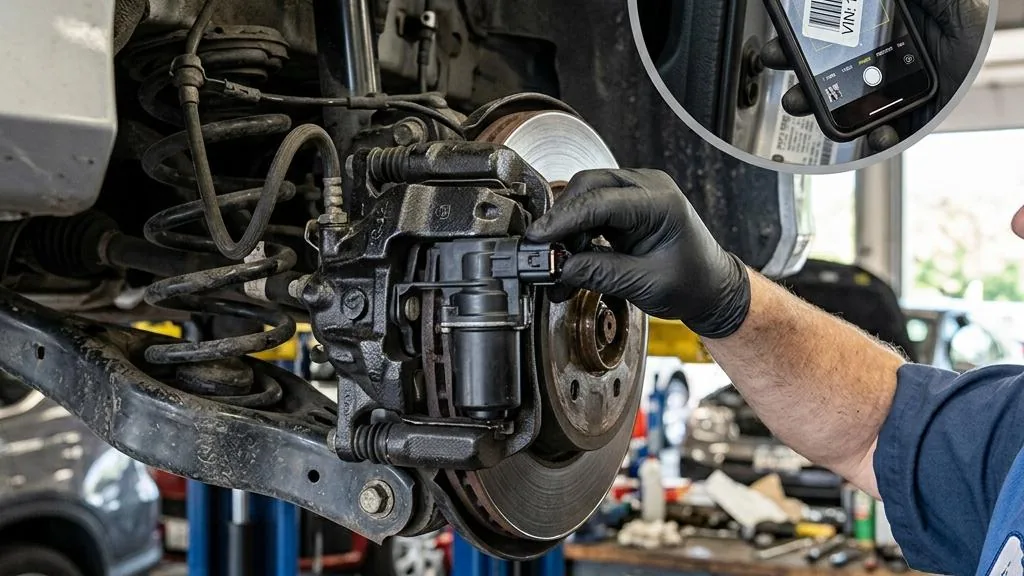
For a 2016 Honda Civic owner, a recall means an official safety or compliance issue may apply to that specific vehicle, and the first practical step is to verify the VIN through the NHTSA recall database or Honda before treating any symptom as recall-related. An open recall is not the same as routine wear, and it should be taken seriously because it can involve a safety defect rather than normal service needs.
In plain English, a recall is a manufacturer-backed corrective action tied to an affected group of vehicles, but eligibility is still VIN-specific. If your car shows an open recall, the remedy is handled through an authorized Honda dealer and should end with a documented completed recall repair. If no open recall appears for that VIN, similar symptoms may still need normal diagnosis, but they should not be assumed to fall under a recall.
- A recall can require an inspection to confirm whether the condition is present.
- The remedy may be a software update, a part replacement, or another manufacturer-specified correction.
- Some recall actions also include updated labels, records, or service documentation rather than a major mechanical repair.
This is also where owners often confuse recalls with other service information. A service bulletin helps technicians diagnose or repair known issues, but it is not the same as an open recall. Routine maintenance is different again: oil changes, brakes, tires, and other wear items follow normal service schedules unless official recall records say otherwise.
For owners and used-car shoppers alike, the key distinction is simple: recalls are official, VIN-linked safety or compliance actions, while maintenance and bulletins are separate service matters.
A recalled safety defect should be addressed promptly because it can create injury risk when the part is needed most, but on a 2016 Honda Civic a trouble code still does not confirm an open recall. Confirm the VIN through the NHTSA recall database or an authorized Honda dealer before assuming a warning light, stored code, or drivability symptom is recall-related.
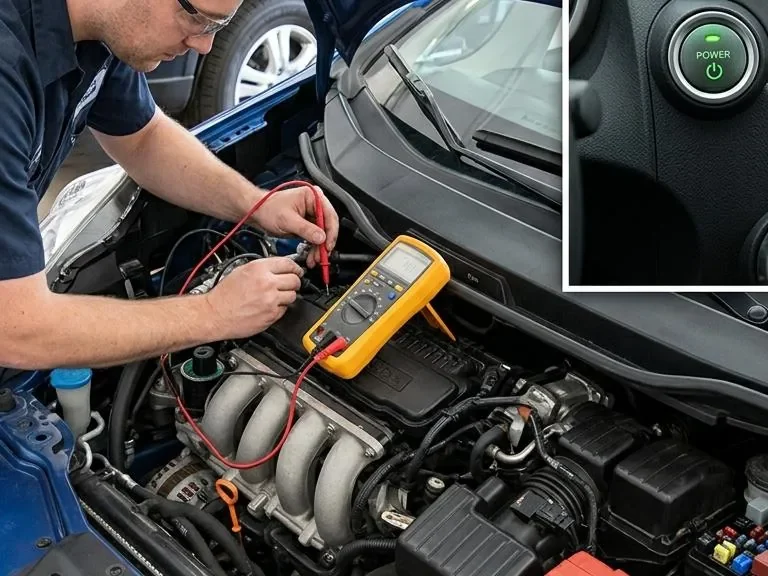
A DTC is a diagnostic clue, not an eligibility record. It tells the technician that a system, circuit, or control function has detected a fault pattern, but it does not identify whether Honda has issued an official campaign for that exact vehicle. The same code can appear with a non-recall wiring issue, a failed component, an intermittent connection, or a condition that only resembles a recall-related complaint. That is why recall status is verified by VIN records and service campaign history, while codes are used to narrow inspection and testing.
- Bring the exact DTCs to service, including whether they are current, pending, or stored, so the service advisor or technician has a cleaner starting point.
- Pair the codes with symptoms such as warning lamps, reduced function, or intermittent behavior, because the symptom pattern helps separate routine faults from a possible safety-related issue.
- Ask the dealer to confirm both open recall status and any completed recall repair by VIN, then compare that record with the scan results before approving non-recall repairs.
- Keep the final repair order or recall documentation, since a completed recall repair matters more than a code alone when verifying what was actually addressed.
A recalled safety defect should be addressed promptly because it can create injury risk when the part is needed most, but on a 2016 Honda Civic the first step is still to confirm the VIN through the NHTSA recall database or Honda before assuming the worst. An open recall is a real issue, yet it does not automatically mean every affected car is unsafe in every moment or that every symptom points to the same safety defect.
The practical takeaway is to stay calm, verify official recall status, and treat any open recall as an ownership problem that should be resolved rather than ignored. A completed recall repair closes uncertainty; an open recall leaves an unresolved safety question, even if the car seems to drive normally. That distinction matters because routine drivability impressions are not the same as official recall completion.
For owners, this means scheduling follow-up with an authorized Honda dealer when a VIN recall lookup shows an open recall and keeping the repair documentation afterward. For used-car shoppers, it means asking for the VIN recall status and proof of completed recall repair before purchase, not relying only on a seller's verbal assurance or a clean test drive.
If the seller cannot show recall completion records, or if the vehicle also has warning lights or concerning symptoms, treat that as a reason for closer inspection and documented verification, not instant panic. The goal is simple: separate confirmed recall status from guesswork, then make the purchase or service decision from that verified starting point.
A recalled safety defect should be addressed promptly because it can create injury risk when the part is needed most. For a 2016 Honda Civic, confirm the VIN through the NHTSA recall database or Honda before treating any symptom or DTC as proof of an open recall.
Official VIN lookup path
- Find the full 17-character VIN on the lower driver-side windshield area, the driver-door jamb label, and usually your registration or insurance paperwork. Use the vehicle VIN, not the model year alone.
- Run the VIN through the NHTSA recall database to check whether this specific 2016 Honda Civic shows an open recall or a completed recall repair. This is the fastest public safety-status check.
- Run the same VIN through Honda's recall lookup for brand-side confirmation and any campaign details Honda makes available for that vehicle.
- Call or message an authorized Honda dealer with the VIN and ask them to confirm open recall status, remedy availability, and whether prior recall work is already recorded in Honda's system. Dealer confirmation matters because a 2016 Honda Civic may share a model year with other cars that have different build details or different repair history.
- Save the lookup result, your dealer appointment record, and the final completion paperwork. Those records help if you are tracking an open recall, verifying a completed recall repair, or documenting the car for resale or a used-car purchase review.
Model year alone is not enough because recall eligibility is VIN-specific. Production timing, installed equipment, trim differences, and whether a previous owner already completed the repair can all change the status for an individual car.
If the vehicle also has active warning lights or serious drivability or safety-related symptoms, treat that as added urgency for inspection, not as recall confirmation. Scan codes can support diagnosis, but the VIN recall lookup and dealer record are still the official path for confirming whether this specific Honda has an open recall.
Keep screenshots or printouts from the NHTSA recall database and Honda lookup, plus the repair order showing the VIN and completed recall repair. That paperwork is often the cleanest proof that the safety defect was officially addressed.
A recalled safety defect should be addressed promptly because it can create injury risk when the part is needed most. For a 2016 Honda Civic, though, unresolved recall work is often a tracking and ownership problem before it is a diagnosis problem: official recall status is VIN-specific, and symptoms or scan codes alone do not confirm that this specific car has an open recall.
- Ownership transfer is the most common practical gap on used vehicles. A 2016 Honda Civic can change hands more than once, and the current owner may never receive earlier recall notices or may assume a prior owner already handled the repair without proof.
- Outdated registration or contact information can break the notice chain. If mailing address, state records, or owner contact details are old, Honda or related agencies may not reach the person who actually has the car.
- Ignored mailers are another common reason. Some owners mistake recall notices for routine marketing or low-priority service reminders, especially if the vehicle seems to drive normally.
- No dealer visit means no recall-status check. Owners who use independent shops for regular maintenance may go long periods without an authorized Honda dealer reviewing campaign status tied to the VIN.
- Used-car purchase gaps leave too much unverified. Missing service records, incomplete glovebox paperwork, or verbal assurances from a seller do not equal a completed recall repair. The reliable proof is a VIN recall lookup and dealer service history where available.
The practical rule is simple: run a fresh VIN recall lookup after purchase, before resale, and again if warning symptoms appear or a seller's paperwork looks incomplete. That repeat check is important because an open recall can be missed in a private sale, and a drivability issue may overlap with a known campaign without proving recall eligibility.
Next step: check the 2016 Honda Civic VIN in the NHTSA recall database or through Honda, then ask an authorized Honda dealer to confirm both open recall status and any completed recall repair records before you make parts decisions or assume the issue is unrelated.
A recalled safety defect should be addressed promptly because it can create injury risk when the part is needed most. Before a 2016 Honda Civic goes in, the most useful owner step is not guessing the failed part but organizing VIN-specific recall status and clear symptom notes so Honda can verify whether this vehicle has an open recall or a completed recall repair.
Start with the VIN recall lookup through the NHTSA recall database or Honda, then match that result to the exact car, not just the model year. If you have a scan tool, treat any stored codes as diagnostic clues only. A warning light, message, or DTC can support the service conversation, but it does not confirm recall eligibility the way an official VIN record does.
- Write down the full VIN, current mileage, and the date you checked recall status.
- Record every warning light or dash message exactly as shown, including whether it is constant or intermittent.
- Note drivability symptoms in plain language: when they happen, whether they happen at startup or while driving, and whether weather, speed, braking, steering input, or road conditions seem related.
- Gather recall letters, dealer invoices, independent shop receipts, used-car paperwork, and any previous scan reports if you have them.
- Bring photos of warning messages or instrument cluster lights if they do not stay on long enough to show the technician.
This preparation also helps used-car owners who may not know whether earlier recall work was ever completed. A paper trail can show whether the car changed hands, whether recall mailers were missed, and whether a past visit addressed routine maintenance instead of an open recall.
Avoid clearing codes, disconnecting components, disassembling safety-related parts, or buying replacement parts before official recall confirmation. Those steps can erase useful evidence, complicate diagnosis, or send you in the wrong direction if the issue is not tied to an open recall.
- Verify the exact VIN, open recall status, and whether the recall has already been completed or remains open in Honda's service system.
- Match the vehicle to the OEM repair procedure for that recall, which may call for inspection, a software update, a component replacement, or a check that determines whether further parts are required.
- Review the owner's reported warning lights, drivability concerns, and prior repair history as diagnostic context, while keeping recall eligibility tied to VIN and campaign status.
- Inspect the affected area using the official service steps and record the findings before any repair decision is finalized.
- Confirm parts status if the remedy cannot be completed immediately; depending on the VIN and campaign, the dealer may need to order recall parts before closing the job.
- Perform the required post-repair verification so the completed recall repair is not marked finished until the OEM procedure has actually been satisfied.
A recalled safety defect should be addressed promptly because it can create injury risk when the part is needed most. For a 2016 Honda Civic, confirm VIN-specific status through the NHTSA recall database or Honda first, but do not keep driving simply because recall eligibility is still being checked if the car is showing clear safety-related symptoms.
Inspection-first judgment matters here. A warning light or scan code can support diagnosis, but it does not confirm that this specific vehicle has an open recall or that a symptom is recall-related. What changes the urgency is the symptom pattern itself, especially when vehicle control, occupant protection, heat, fuel, or electrical safety may be affected.
- Do not continue driving if braking feels reduced, inconsistent, or unstable.
- Do not continue driving if steering effort changes suddenly, the car will not track normally, or steering response feels unsafe.
- Treat airbag warnings, visible smoke, a fuel odor, overheating, repeated stalling, or an electrical burning smell as immediate inspection triggers.
- If the symptom suggests the car may not be safe to control or could create fire or injury risk, arrange towing or a mobile inspection instead of driving to the appointment.
Any official stop-drive instruction should come from the recall record, Honda, the NHTSA recall database, or a qualified professional who has assessed the vehicle. If no official stop-drive language is confirmed, keep the guidance conservative: severe symptoms override convenience, and repair verification should happen before normal use resumes.
A recalled safety defect should be addressed promptly because it can create injury risk when the part is needed most, and a documented completed recall repair usually gives buyers and service advisors more confidence than an unresolved open recall. For a 2016 Honda Civic, the key point is still VIN-specific status: confirm the vehicle in the NHTSA recall database or through Honda before treating any symptom, warning light, or scan code as recall proof.
From an ownership and resale standpoint, a completed recall repair removes a layer of uncertainty. A seller can show that an official safety action was identified and closed, while a buyer or pre-purchase inspector can separate recall history from unrelated wear, maintenance needs, or diagnostic faults. That clarity helps the conversation stay factual instead of speculative.
Records worth keeping
- Dealer or authorized Honda dealer repair invoice showing the recall visit
- Recall completion record or service printout tied to the VIN
- VIN recall lookup screenshots showing open or closed campaign status on the date checked
- Routine maintenance records that show the vehicle was otherwise serviced on schedule
A completed recall repair does not replace normal inspection or maintenance history. It confirms that a specific safety defect was addressed for that VIN, but buyers and owners should still review the broader service record, current condition, and any separate warning lights, drivability concerns, or unfinished repairs.
A recalled safety defect should be addressed promptly because it can create injury risk when the part is needed most. For a 2016 Honda Civic, the next step is not guessing from symptoms alone but confirming VIN-specific status through the NHTSA recall database or Honda, then booking an inspection with an authorized Honda dealer if an open recall appears.
For current owners
- Run a VIN recall lookup first and save the result so the service advisor can see whether the vehicle shows an open recall or a completed recall repair.
- If the car also has warning lights, unusual behavior, or stored DTCs, mention them when you book the visit, but treat them as diagnostic clues rather than proof that the recall applies.
- Ask the dealer to check campaign status, inspect the related system, and document the outcome in writing, especially if the VIN does not show an open recall but symptoms still need diagnosis.
For used-car shoppers
- Request a pre-purchase inspection before money changes hands, not after, and ask for recall status confirmation by VIN.
- Have the seller provide repair records, recall notices, or dealer invoices that show whether a completed recall repair was performed.
- If the vehicle history is unclear, warning lights are present, or the seller cannot confirm recall status, treat that as a reason to pause the purchase until an authorized Honda dealer or qualified inspection shop reviews it.
When you schedule service, include the VIN, current symptoms, dashboard warning lights, any scan-tool DTCs, and any recall letter or screenshot from the VIN recall lookup. That gives the dealer or inspection shop a cleaner starting point and helps separate an open recall from unrelated maintenance or repair issues.
A recalled safety defect should be addressed promptly because it can create injury risk when the part is needed most. For a 2016 Honda Civic, the safest closeout is simple: confirm this specific vehicle through a VIN recall lookup in the NHTSA recall database or with Honda, then treat any open recall as a documented service item rather than guessing from model year, symptoms, or scan codes alone.
- Verify recall status by VIN, not by assuming every 2016 Honda Civic with a similar symptom is covered.
- Keep records of the lookup result, dealer contact, appointment date, and any completed recall repair paperwork.
- Use warning lights, unusual behavior, or drivability changes as reasons to raise urgency, but not as proof of recall eligibility.
- If severe safety symptoms appear, use conservative judgment and follow official Honda, NHTSA, or dealer guidance before continuing to drive.
- After repair, confirm the open recall has been cleared and store the completion record with the vehicle's maintenance history.
This matters for current owners and used-car shoppers alike: an open recall points to a safety defect that still needs an official remedy, while a completed recall repair gives a clearer maintenance record and a more defensible next step. The practical move is to run the VIN recall lookup, contact an authorized Honda dealer if any campaign is open, and keep the final repair confirmation with the car's documents.
Replacement notes

A recalled safety defect should be addressed promptly because it can create injury risk when the part is needed most. For a 2016 Honda Civic, the safest first move is to confirm recall status by VIN through the NHTSA recall database, Honda, or an authorized Honda dealer before buying parts, assuming a diagnosis, or treating a warning light or scan code as recall proof.
NHTSA lists multiple recall records associated with the 2016 Honda Civic model line, but eligibility is VIN-specific and a completed recall repair matters as much as whether a recall exists. That means two similar cars can have different recall status, and an open recall should be handled with higher urgency than routine maintenance. If your VIN shows an open recall, schedule inspection or repair promptly and keep the final repair documentation.
When to stop driving or escalate
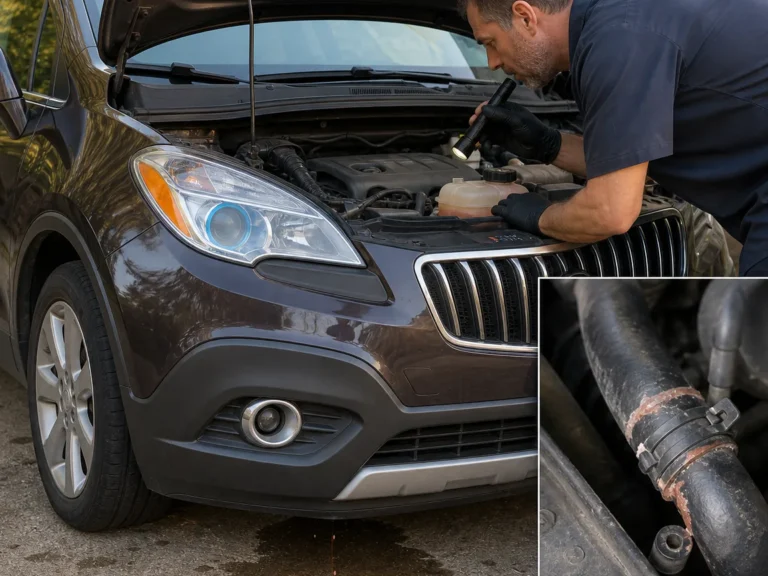
- Stop driving and seek immediate professional help if you see smoke, smell active burning, or notice smoke volume increasing.
- Stop driving if the engine begins overheating or the temperature warning appears.
- Stop driving if drivability changes suddenly, including stalling, severe hesitation, loss of power, or unsafe braking or steering feel.
- Stop driving if a red warning light appears, or if several warning lights come on together with new symptoms.
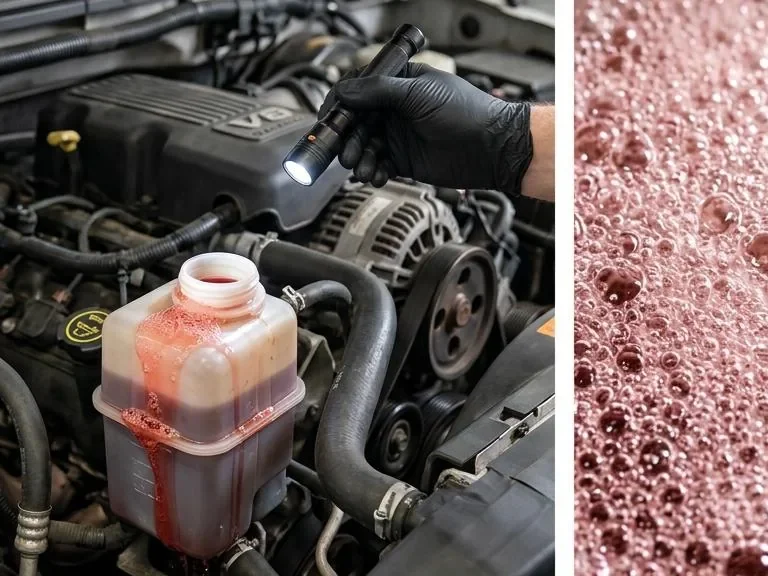
- Seek prompt inspection if fluid loss is visible under the vehicle or fluid level drops noticeably.
- Escalate quickly if a symptom becomes more frequent, louder, hotter, or harder to control, even if the car still moves.
- If no severe symptoms are present and there is no official stop-drive instruction tied to your VIN, drive only cautiously as needed to verify status and arrange service, not as a reason to delay it.
Scan codes and warning lights can support diagnosis, but they do not confirm recall eligibility. The VIN recall lookup is the first filter; inspection and repair confirmation come next.

Comments
Be the first to add a practical repair note or follow-up question.