
Before replacing it
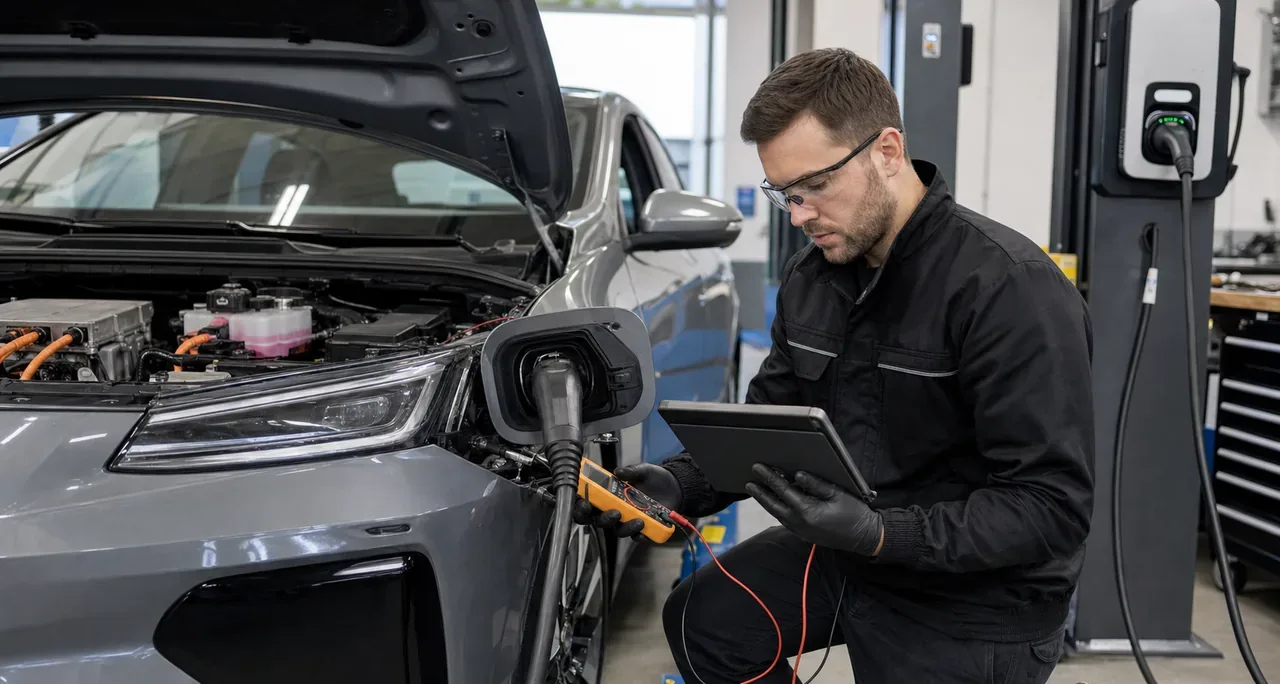
EV service warning lights and charging faults
DC fast charging basics
Inspection steps
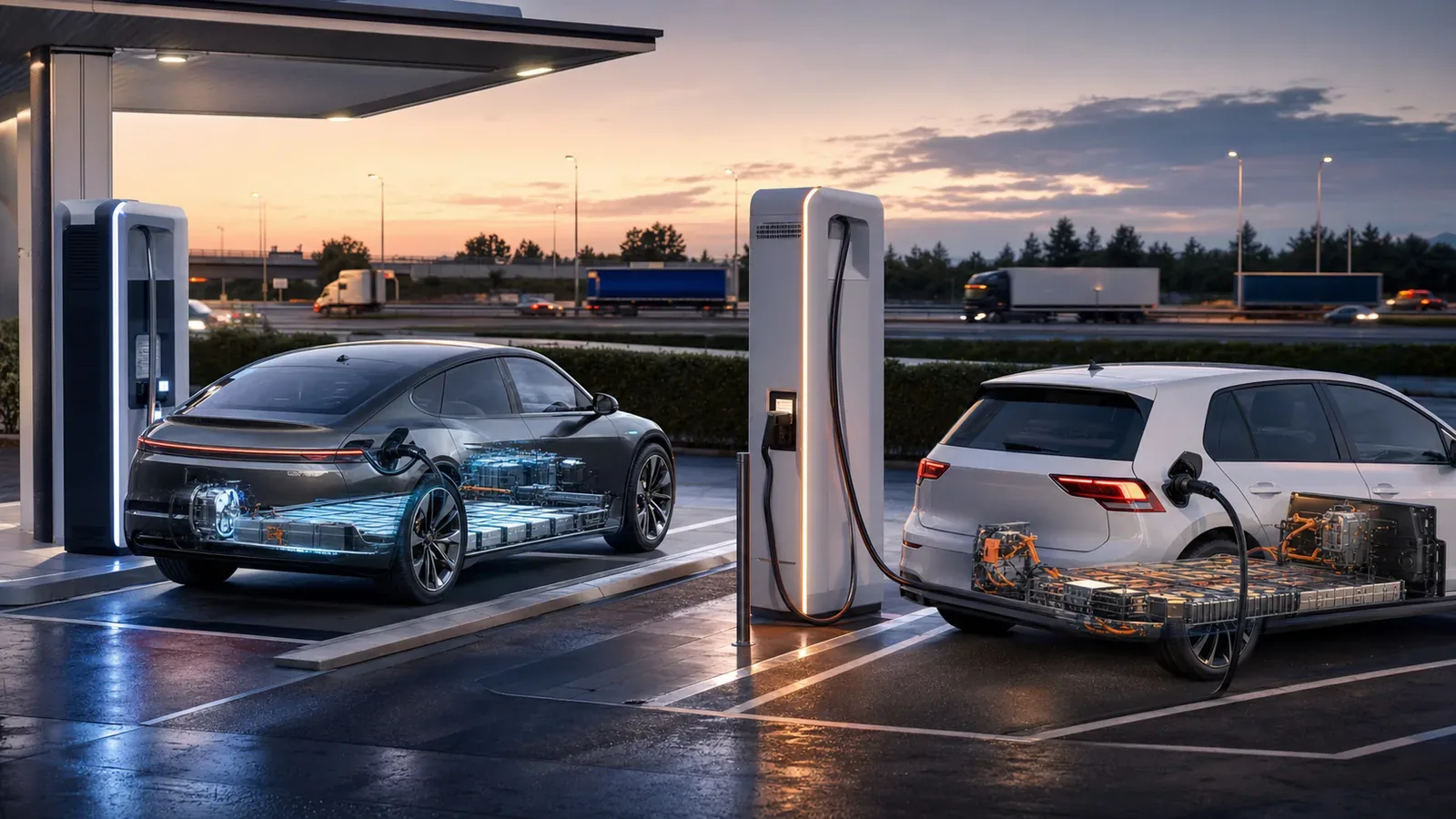
800V architecture usually means the EV is built around a higher battery-system voltage than a 400V vehicle, while 400V architecture means the battery and high-voltage components operate around a lower nominal system voltage. In practical charging terms, higher voltage allows the car and charger to deliver the same power with less current, and lower current can reduce heat in cables, connectors, busbars, and power electronics. That is why 800V systems can support stronger DC fast-charging performance when the battery, charger, and control software are all able to use that advantage. That benefit has limits. Charging speed still depends on the vehicle's charge curve, battery temperature, state of charge, station output, and the vehicle's mixed-voltage compatibility strategy at 400V chargers. Some 800V vehicles can maintain good results on lower-voltage infrastructure through pack reconfiguration or voltage conversion, while others may charge more slowly if the charger or compatibility hardware becomes the bottleneck. The practical takeaway is simple: 800V can point to better fast-charging potential, but the full charging system matters more than the voltage label alone.
400V path
To reach the same power target, a 400V system generally needs more current, which can increase cable, connector, and thermal demands.
800V path
An 800V system can often reach similar or higher power with less current, which helps power delivery and heat control.
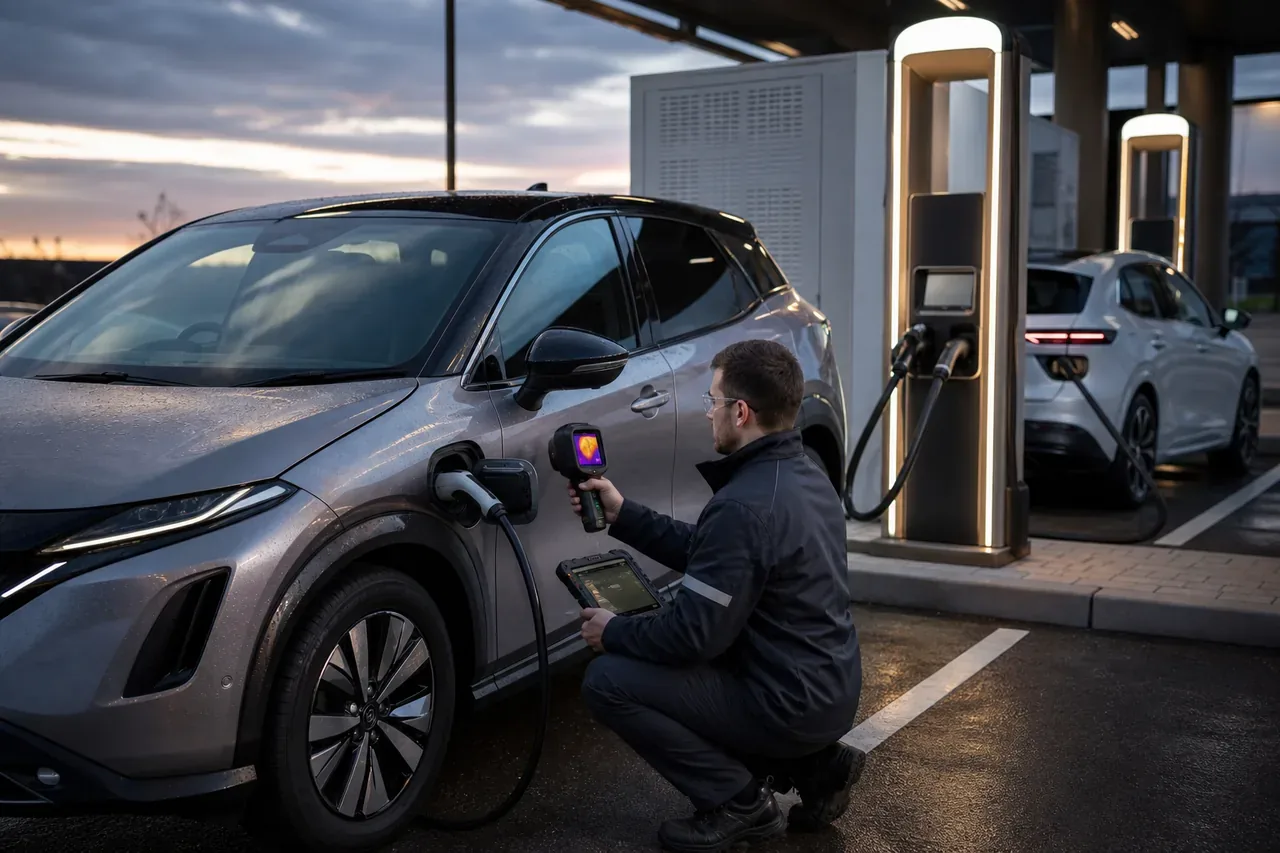
Check battery temperature context before judging charge speed
Check state of charge at plug-in
Check charger nameplate and live power output
Check whether neighboring stalls may be sharing power
Check whether the vehicle requested preconditioning
Peak power claim
Useful for headline comparison, but it does not show how long the vehicle can hold that power.
Average session performance
More useful for real ownership because it reflects taper behavior, temperature limits, and charger compatibility.
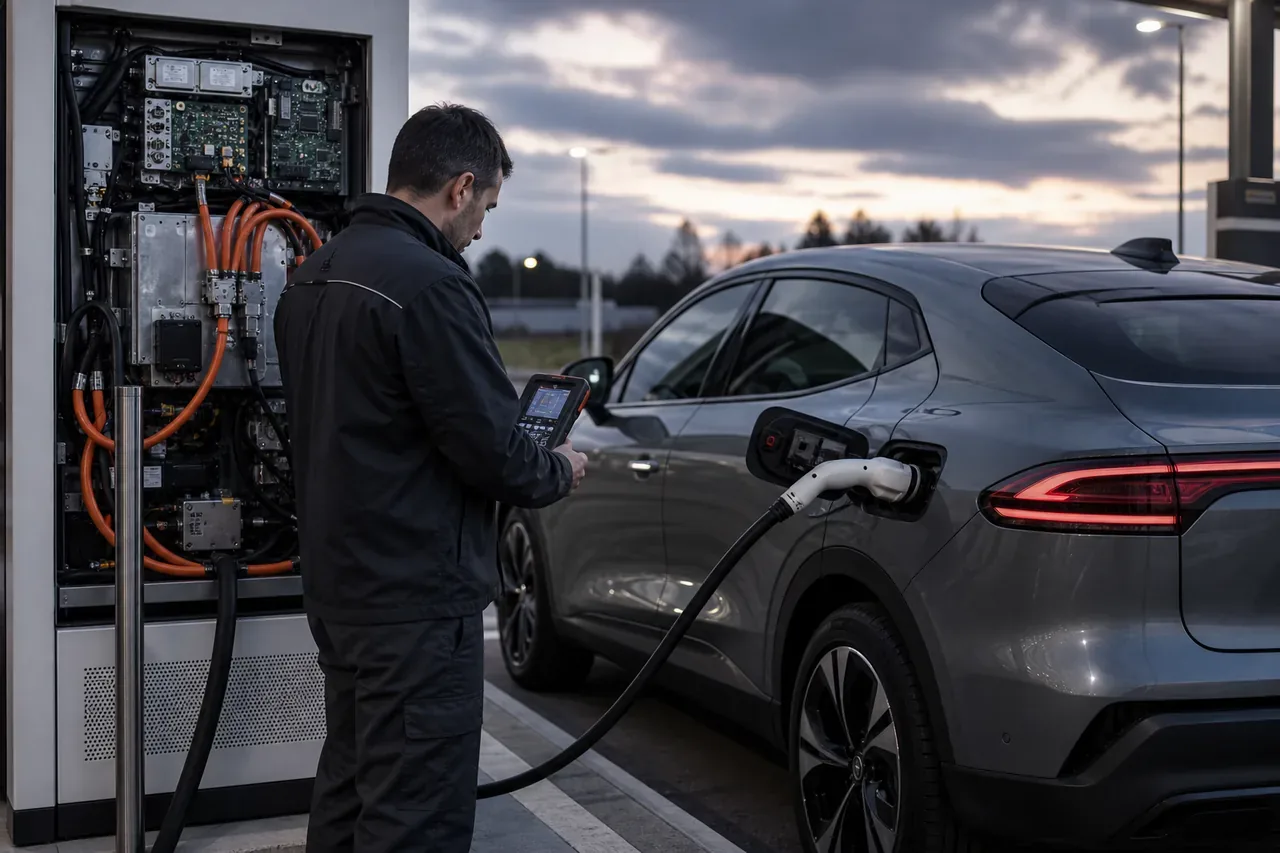
charging connector compatibility
DC fast charging basics
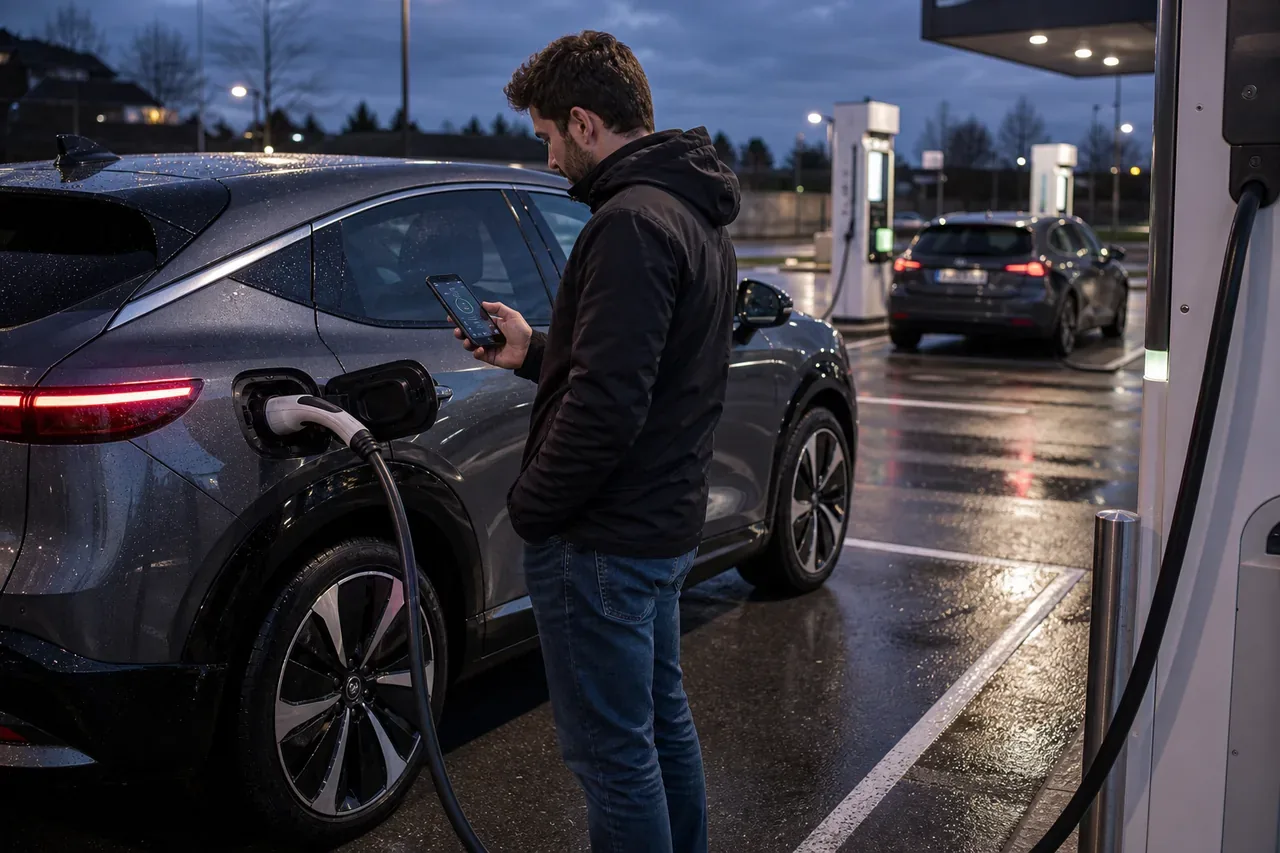
Best for prioritizing 800V
Frequent road-trip drivers, public fast-charging users, and buyers who care most about shorter charging stops.
May not need 800V as a priority
Owners who charge mostly at home, drive predictable daily routes, and use DC fast charging only occasionally.
Compare charger conditions, battery state, and warning behavior before assuming a fault. If the same underperformance repeats across known-good chargers, book an EV-qualified charging-system inspection.
Book a charging-system inspectionIf charging speed seems off, first decide whether the pattern looks normal for conditions or abnormal across multiple comparable sessions. Use the vehicle's starting state of charge, battery temperature context, charger type, and any warning messages to make that call. If the behavior matches cold-weather charging, high-state-of-charge taper, or a limited station, it often points to normal operation. If it repeats across known-good chargers with similar conditions, service-level diagnosis becomes more justified.
The most practical next step is not to guess at parts but to document the pattern and compare charger environments. That helps owners avoid unnecessary alarm and helps technicians avoid unnecessary replacements. For shoppers, the equivalent next step is to compare real charging behavior, compatibility notes, and route-use cases rather than relying on voltage architecture alone. In both cases, the useful question is whether the charging result matches the system's context, not just its marketing claim.


Comments
Be the first to add a practical repair note or follow-up question.