
What the code means
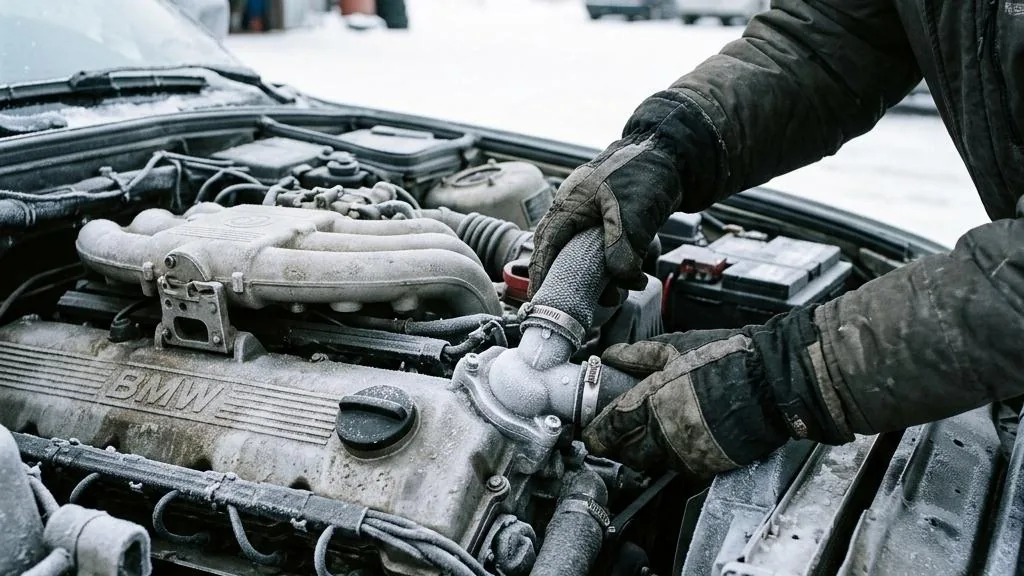
P0128 is an OBD-II diagnostic trouble code linked to coolant temperature behavior. The powertrain control module expected the engine to warm up in a certain way or maintain a suitable operating temperature, but the reported coolant-temperature behavior did not match that expectation.
The code does not prove the thermostat is bad and does not prove the coolant temperature sensor is bad. It means the cooling-system temperature signal, actual engine warm-up behavior, or related inputs need to be checked in context.
- The engine may be physically running too cool.
- The engine may be warm enough, but the reported coolant temperature may be wrong.
- Low coolant or trapped air can distort the temperature reading.
- Related temperature sensors or calibration logic can affect how the monitor evaluates warm-up.
For vehicle-specific enable criteria, temperature thresholds, thermostat design, and service bulletins, use OEM service information rather than universal assumptions.
Symptoms
P0128 may appear with slow warm-up, weak cabin heat, a low or slow-rising temperature gauge, reduced fuel economy, or a check engine light that returns during cold-weather driving.
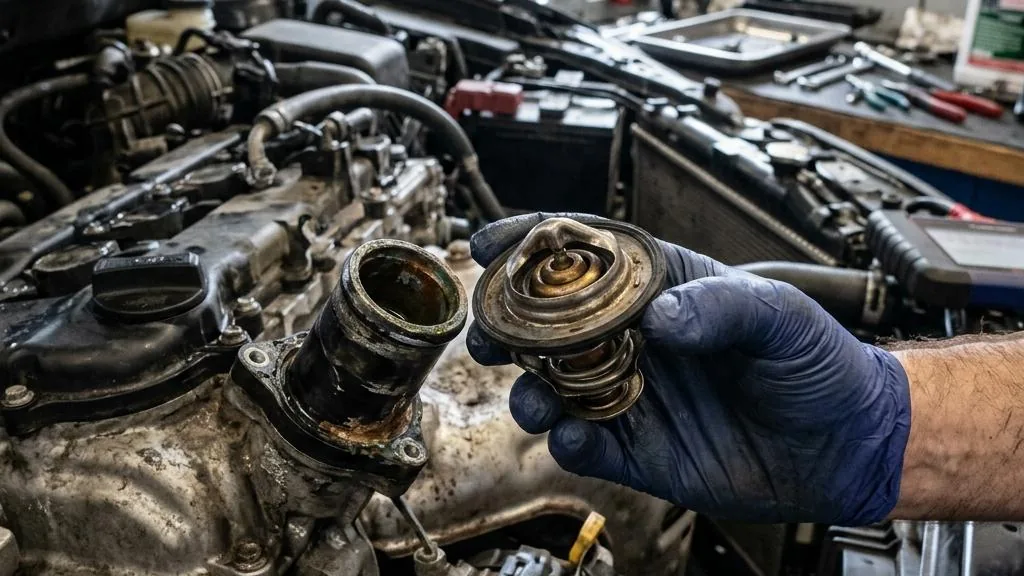
- Thermostat pattern: heat is weak, gauge rises slowly, and live coolant temperature climbs slowly or never stabilizes where the vehicle expects it.
- Sensor pattern: cabin heat may feel normal, but scan data is implausible, unstable, or inconsistent with other temperature inputs.
- Coolant-level pattern: heater output may fluctuate, the reservoir may be low when cold, or there may be visible leaks or recent coolant work.
- Electrical pattern: the code may appear with related sensor circuit codes, connector damage, corrosion, or intermittent readings.
Do not rely only on the dashboard gauge. Some gauges are buffered and may not show small or moderate changes accurately.
Main causes
- Thermostat stuck open or opening too soon.
- Low coolant level or air trapped in the cooling system.
- Faulty engine coolant temperature sensor.
- ECT sensor connector, wiring, terminal, or ground problem.
- Intake air temperature or ambient temperature plausibility issue.
- Radiator fan, cooling control, active grille shutter, or related system fault.
- Vehicle-specific PCM calibration, software update, or service bulletin.
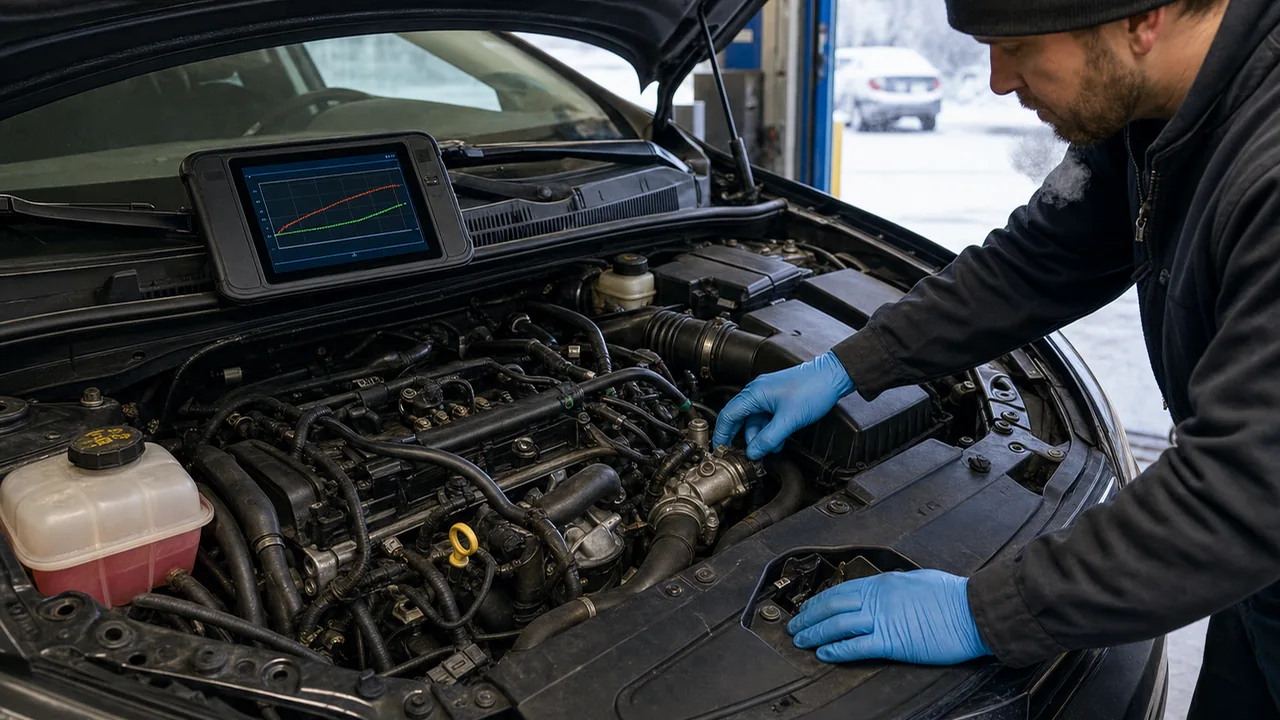
The ranking changes when the vehicle has related codes, recent coolant work, visible leaks, abnormal fan operation, hybrid cooling strategies, electric thermostat control, or known service information for that platform.
What to check first
- Let the engine cool completely before checking coolant level.
- Check the reservoir level using the owner manual guidance.
- Look for visible leaks, stains, coolant smell, or recent repair evidence.
- Record heater strength, gauge behavior, trip length, and outside conditions.
- Save freeze-frame data and related codes before clearing anything.
- If the code returns, move to live-data diagnosis instead of buying parts blindly.
If coolant level is low, the priority changes. Low coolant can create safety risk, heater problems, misleading sensor readings, and possible overheating.
Diagnostic order
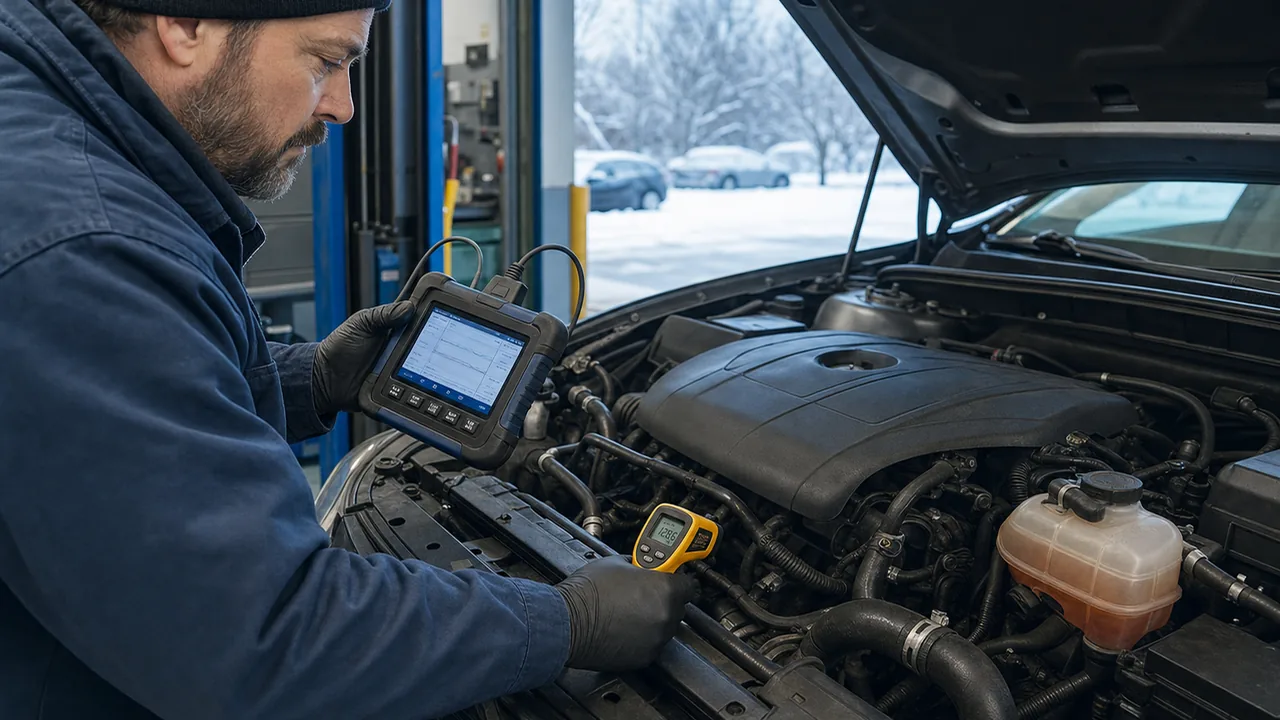
- Confirm the code and capture freeze-frame data.
- Scan for related codes before clearing anything.
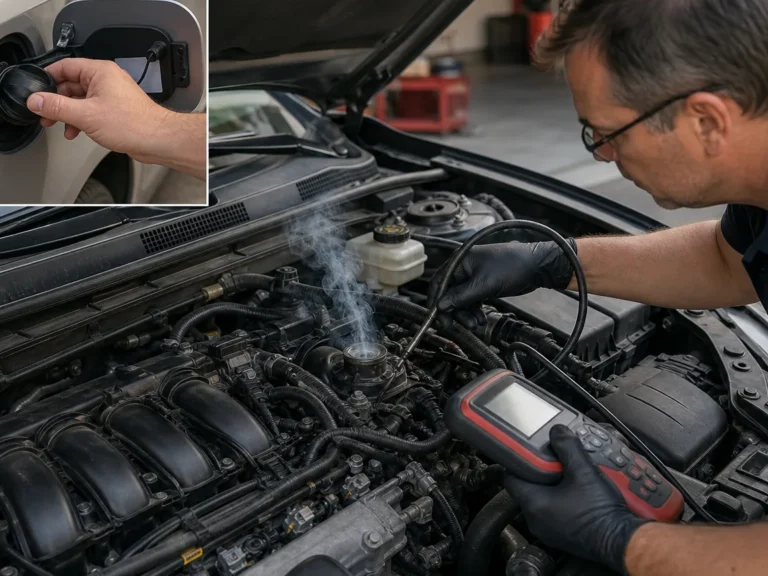
- Inspect coolant level and leak evidence with the engine cold.
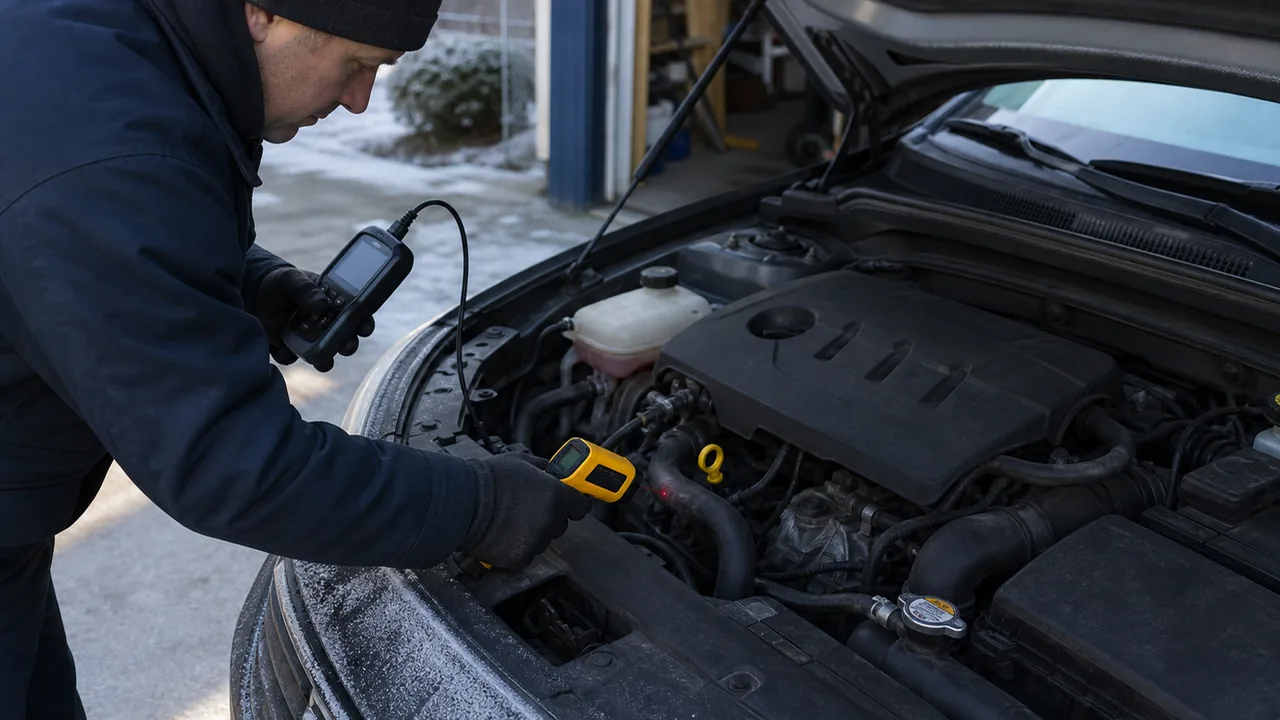
- Compare ECT, IAT, and ambient data at cold start when available.
- Graph coolant temperature during warm-up instead of relying on one reading.
- Check thermostat behavior using vehicle-specific service information.
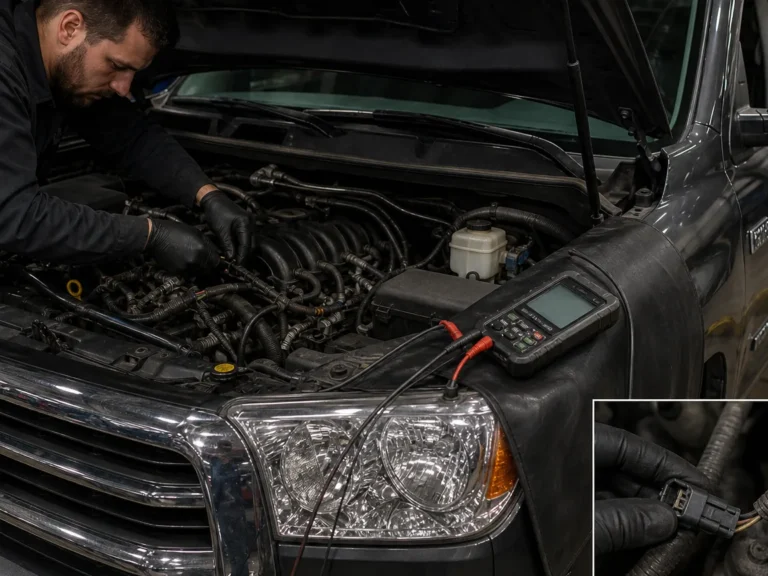
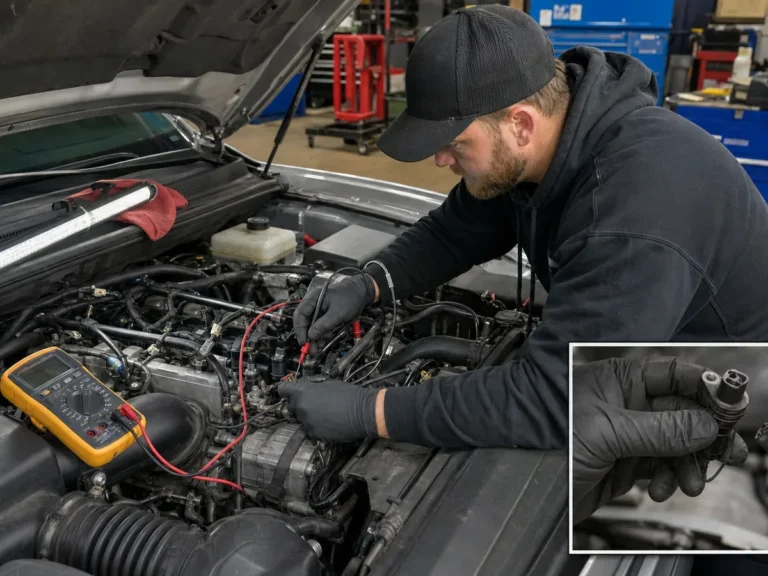
- Test the ECT sensor circuit if the data is implausible or unstable.
- Verify repairs through monitor completion and no returning P0128.
| Evidence | Points more toward thermostat | Points more toward sensor or circuit |
|---|---|---|
| Cabin heat | Weak heat during normal driving supports actual low coolant temperature. | Normal heat with strange scan data may support a reporting problem. |
| Live ECT trend | Smooth but slow warm-up can support thermostat behavior. | Sudden jumps, dropouts, or implausible values suggest sensor or wiring checks. |
| Cold-start comparison | Plausible cold-start readings keep thermostat diagnosis in play. | ECT that disagrees sharply with other temperature inputs needs plausibility testing. |
| Coolant level | Correct level supports normal thermostat testing. | Low level or air pockets can corrupt the diagnosis and must be addressed first. |
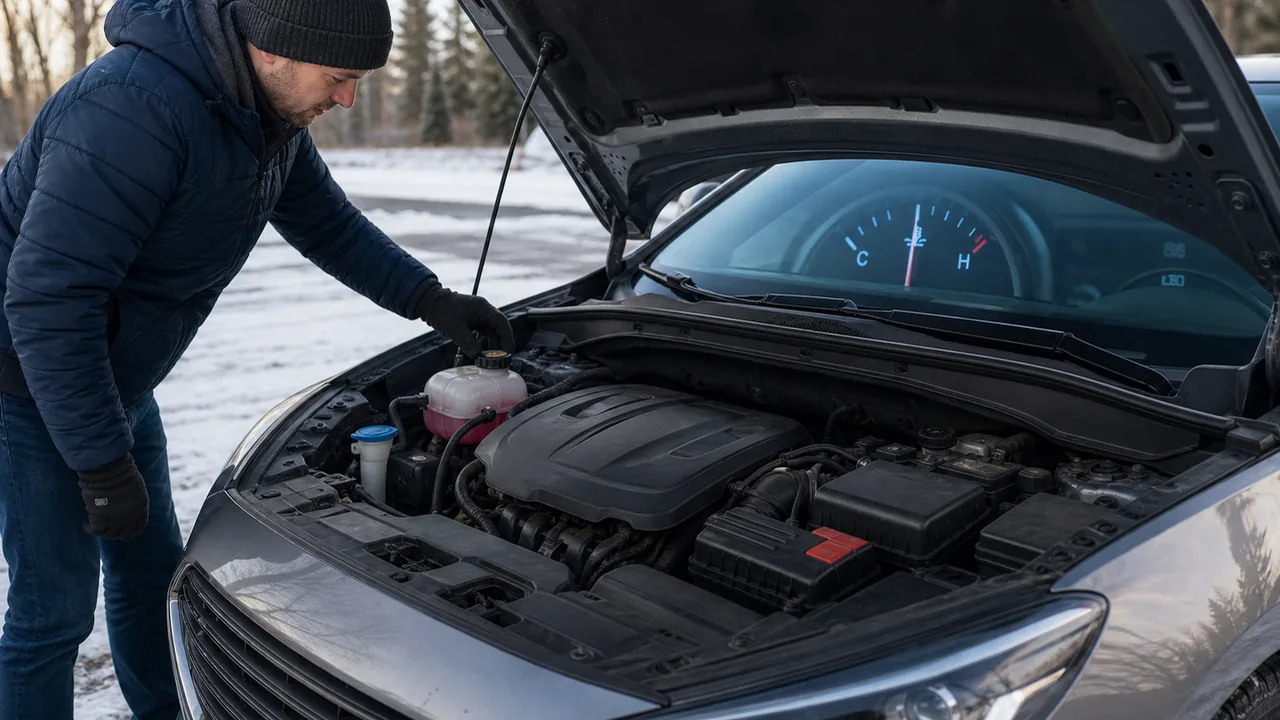
Short-term driving may be possible with P0128 if coolant level is normal and there are no overheating, leak, heater-loss, or severe drivability symptoms. The code still deserves diagnosis because it can affect emissions readiness, fuel economy, and cold-weather comfort.
- Monitor and diagnose soon: normal coolant level, normal drivability, stable gauge, usable heat.
- Prompt diagnosis: weak heat, repeated P0128, poor fuel economy, emissions inspection coming up, or uncertain coolant history.
- Stop or avoid further driving: low coolant, overheating warning, visible leak, steam, coolant smell, severe rough running, or multiple warnings.
- Do not assume P0128 always means a stuck-open thermostat.
- Do not assume cold weather alone caused the code.
- Do not ignore weak heat, low coolant, leaks, or overheating warnings.
- Do not use dashboard gauge behavior as final proof on its own.
- Do not replace parts before checking freeze-frame and live data.
- Do not clear the code repeatedly as a substitute for repair.
The clean diagnostic split is actual low temperature versus incorrect reported temperature. Once that split is clear, the repair direction becomes more defensible.
A confirmed repair should show stable coolant level, normal heater behavior, plausible live coolant data, completed monitor behavior where applicable, and no returning P0128 after the vehicle has been driven through appropriate conditions.
- Repair the confirmed cause.
- Refill and bleed the cooling system using vehicle-specific guidance if coolant was opened.
- Clear the code after the repair, not before diagnosis.
- Monitor warm-up data and heater output.
- Recheck coolant level after full cool-down.
- Confirm P0128 does not return as pending or confirmed.
What usually fixes it
Thermostat replacement usually makes sense when testing shows the engine is genuinely warming too slowly or staying too cool. Sensor or wiring repair usually makes sense when scan data is implausible, unstable, or inconsistent with real engine behavior.
- Thermostat path: actual coolant temperature behavior stays too cool and heater/gauge symptoms support it.
- Sensor path: reported temperature is implausible, jumps suddenly, or disagrees with other cold-start data.
- Coolant path: level is low, air is trapped, leaks are present, or symptoms began after cooling-system service.
- Calibration path: OEM service information identifies a software update, bulletin, or platform-specific diagnostic note.
Do not use universal repair time, temperature threshold, or part-location assumptions. Confirm the procedure and parts with the owner manual, existing part marking, and OEM service information.
FAQ
Does P0128 mean the thermostat is stuck open?
It often points that way in cold weather, especially with slow warm-up and weak heat, but the code does not prove the thermostat is bad. Live coolant data and thermostat verification should confirm it.
Can a bad coolant temperature sensor cause P0128?
Yes. A bad ECT sensor or circuit can report a temperature that is too low, unstable, or implausible. Cold-start comparison and circuit testing help confirm this path.
Can cold weather alone cause P0128?
Cold weather can expose a marginal cooling-system or sensor problem, but it should not be treated as the confirmed cause by itself. The monitor still detected abnormal warm-up or temperature behavior.
Is P0128 safe to drive with?
Short-term driving may be possible if coolant level is normal and there are no overheating, leak, heater-loss, or severe drivability symptoms. Warning signs require prompt attention.
What confirms thermostat versus sensor?
A thermostat problem is supported by actual slow warm-up and weak heat. A sensor problem is supported by implausible, unstable, or inconsistent reported temperature data.
Comments
Be the first to add a practical repair note or follow-up question.