
What this part does
The catalytic converter is part of the exhaust and emissions system. Its job is to process exhaust gases after combustion so the vehicle releases fewer harmful pollutants.
It works best when the engine is running correctly, the air-fuel mixture is controlled properly, and the upstream oxygen sensor data is accurate. A converter is not a stand-alone part in diagnostic terms; it reflects what the engine and exhaust system have been doing over time.
- Reduces hydrocarbons, carbon monoxide, and nitrogen oxides
- Relies on stable combustion and correct fuel control
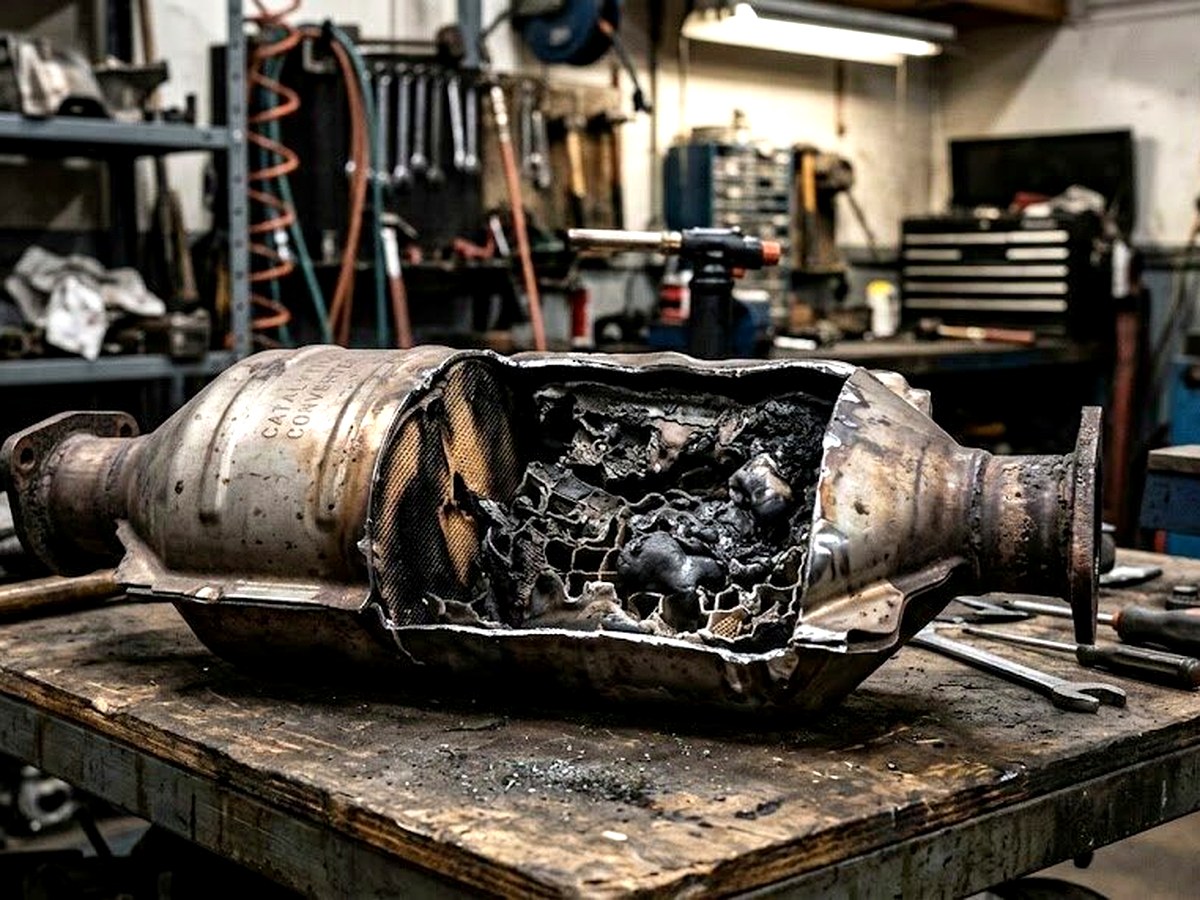
- Can be damaged by overheating, contamination, or physical breakage
Common failure signs
- Loss of power, especially under load or at higher rpm
- Rotten-egg or sulfur smell from the exhaust
- Rattling from the converter shell area
- Check engine light with catalyst-efficiency codes
- Failed emissions testing or elevated tailpipe numbers
- Excess heat concerns around the converter area
These symptoms can point to converter trouble, but they are not unique to it. Misfire, rich running, oil burning, vacuum leaks, and oxygen sensor faults can create similar complaints or trigger the same code family.
| Code or symptom | What it can indicate | What it does not prove |
|---|---|---|
| P0420 or P0430 | Catalyst efficiency below expected threshold | That the converter alone is bad |
| Rattling noise | Broken internal substrate or shield issue | That flow restriction is severe |
| Power loss | Possible exhaust restriction or upstream engine problem | That replacement is automatically justified |
Before replacing it
Common catalyst-related DTCs include P0420 for Bank 1 catalyst efficiency below threshold and P0430 for Bank 2 on engines with two banks. They are useful clues, not verdicts.
- Check for current or recent misfire codes before anything else
- Look at fuel trim and oxygen sensor behavior, not just code text
- Inspect for exhaust leaks upstream of the converter
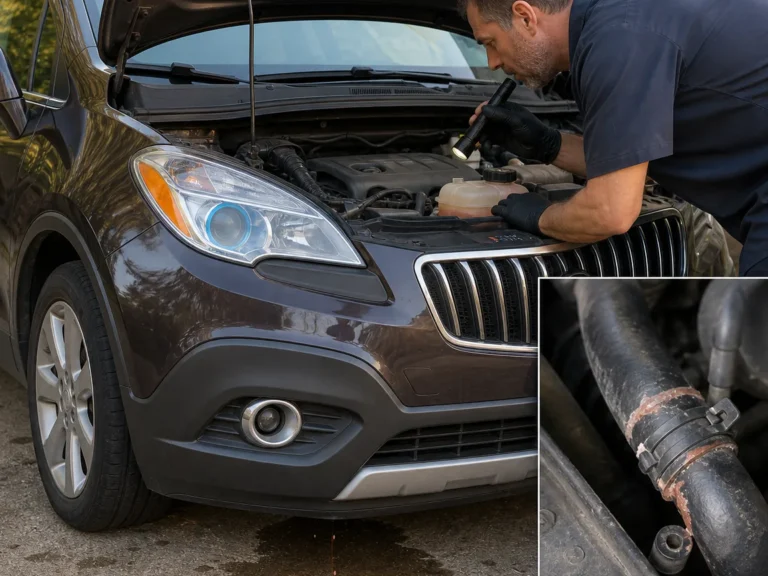
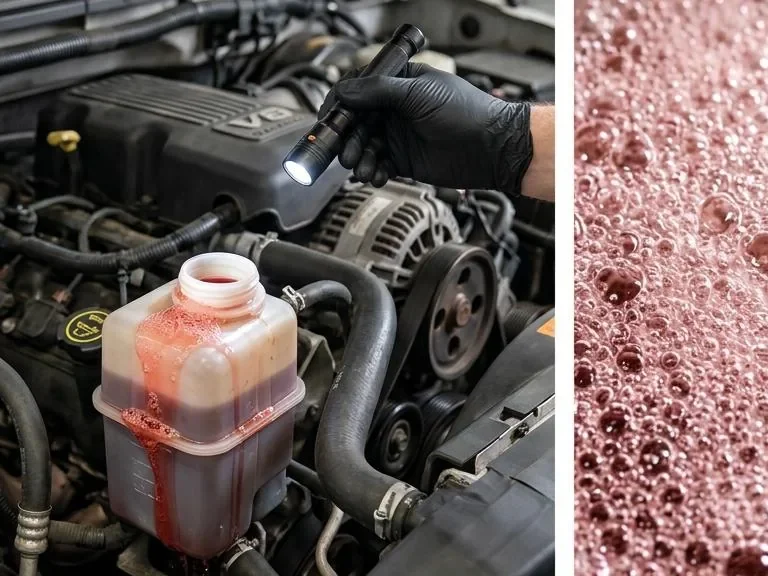
- Consider oil burning or coolant entry as contamination sources
- Review whether the complaint is efficiency only or includes true restriction symptoms
If the engine is misfiring or running excessively rich, fix that problem before judging the converter.
Inspection steps
Owner checks
- Note whether power loss happens at idle, cruise, or under heavy load
- Listen for internal rattling only after the exhaust has cooled
- Check for a flashing check engine light or obvious misfire behavior
- Record fuel smell, sulfur smell, overheating smell, or recent fuel economy change
Technician checks
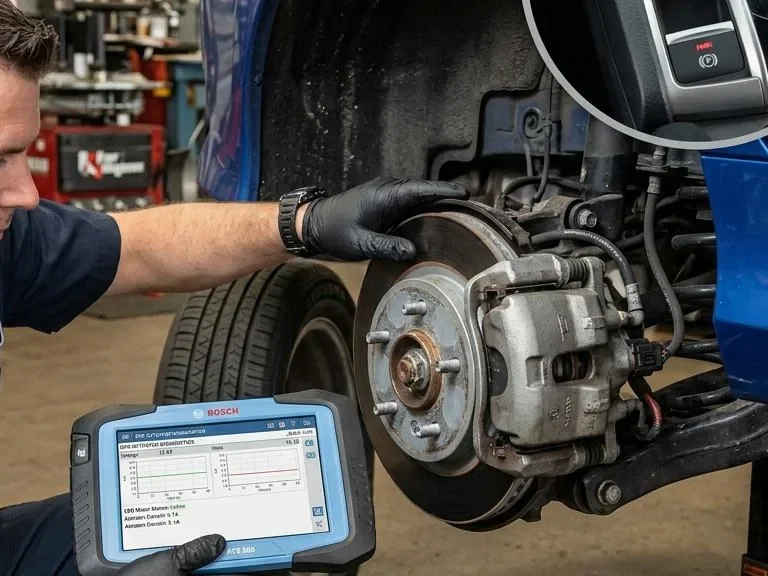
- Scan all modules for current, pending, and history codes and save freeze-frame data
- Review fuel trims, misfire counters, and oxygen sensor activity for upstream clues
- Inspect the exhaust for leaks before and around the converter
- Assess whether the complaint suggests efficiency loss, flow restriction, or internal breakage
- Use an OEM-aligned confirmation method before condemning the converter
- Verify exact application, bank position, and sensor layout
- Avoid parts from vehicles with known misfire, oil burning, or coolant contamination history
- Inspect for impact damage, cut welds, tampering, or signs of overheating
- Confirm legal suitability for the vehicle and jurisdiction before purchase
Used converters carry both technical and compliance risk. The part may physically fit but still fail to meet efficiency expectations or local standards.
Replacement notes
Ranked likely causes of catalyst-related complaints usually start upstream: chronic misfire, rich running, oil contamination, coolant contamination, and exhaust leaks are more common roots than random converter failure. Physical impact damage and age-related efficiency loss also happen, but they should still be confirmed rather than assumed.
- Replace after confirmed restriction, confirmed internal breakage, or confirmed efficiency failure with supporting evidence
- Correct misfire, fuel control, leak, or contamination issues before installing a new converter
- Use vehicle-specific part selection because converter layout and legal requirements vary
- Do not assume cleaning will restore a damaged or melted substrate
A new converter can fail early if the engine still runs rich, misfires, or burns oil.
FAQ
Can a bad oxygen sensor trigger P0420 or P0430?
Yes. Sensor faults, slow sensor response, or exhaust leaks that affect sensor readings can contribute to catalyst-efficiency codes, which is why sensor and leak checks come before replacement decisions.
Will a catalytic converter always cause rough running?
No. A converter with reduced efficiency may trigger a code without obvious drivability symptoms. Rough running often points to an upstream engine problem such as misfire or fuel control issues.
Can I keep driving with a catalyst code?
Sometimes, but only cautiously. A steady light with normal drivability is different from severe power loss, overheating smell, or a flashing check engine light, which should be treated as urgent.
Does sulfur smell prove the converter is bad?
No. Sulfur smell can be associated with catalyst overload or fuel-related conditions, but it does not prove the converter alone has failed.
Can cleaning fix a catalytic converter?
Sometimes cleaning is discussed, but it is not a universal remedy. Melted, broken, or heavily contaminated substrates often require confirmed repair or replacement instead.

Comments
Be the first to add a practical repair note or follow-up question.