
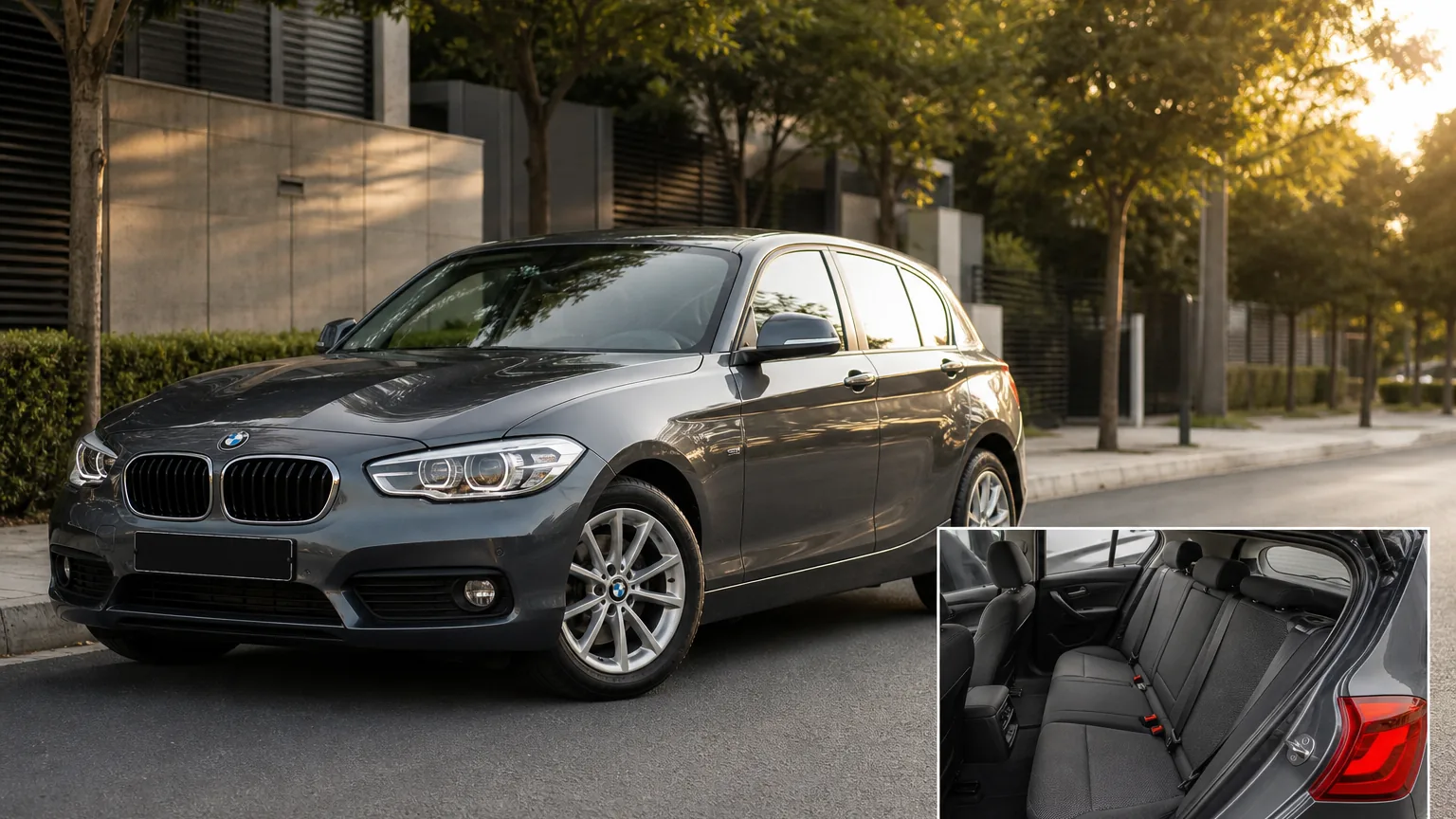
What drivers usually notice
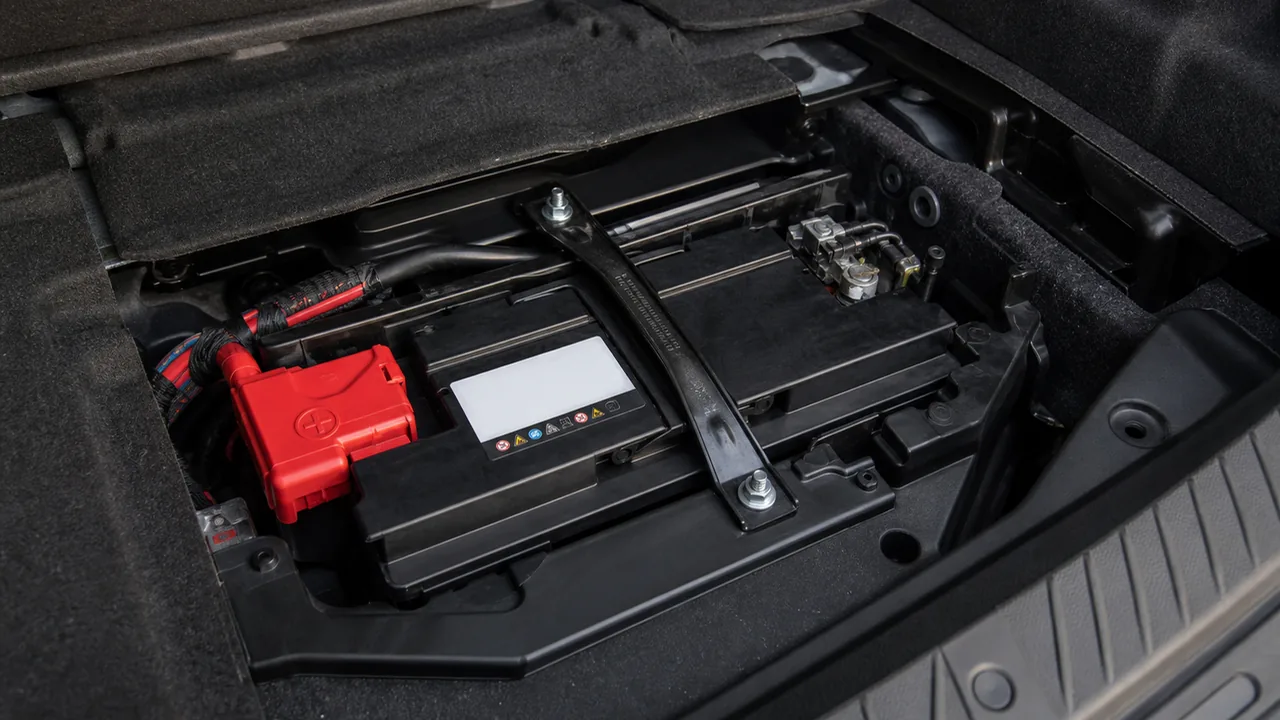
- Compact size makes it easier to park and use in town than a larger family car.
- The cabin may feel more premium than a mainstream hatchback at the same age.
- Rear-seat and luggage space can feel limited if the second car still needs to handle family duties.
- A rough cold start, warning light, suspension knock, oil leak, overheating sign, or slipping clutch should change the decision immediately.
- Insurance, tires, servicing, and diagnostic work can feel less casual than ownership of a cheaper mainstream compact.
The unresolved buyer question is usually not whether the BMW 118i is universally good or bad. It is whether the exact car in front of you has been maintained well enough to justify the premium compact-hatchback tradeoff.
| Finding | Urgency | Practical decision |
|---|---|---|
| Overheating, brake fault, steering fault, severe engine warning, unsafe tires, or clear transmission failure | Stop driving now | Do not continue the test drive or complete the purchase without professional diagnosis. |
| Missing service records, seller refuses inspection, active warning lights with no proof of repair | Walk-away signal | Find another car unless the issue is fully documented and independently verified. |
| Worn tires, tired brakes, minor suspension noise, cosmetic wear, or due servicing | Negotiation point | Price it into the decision only after confirming no deeper fault is present. |
| Normal wear items with clear records and no safety concern | Routine maintenance concern | Acceptable if the total ownership budget still makes sense. |
Why it happens
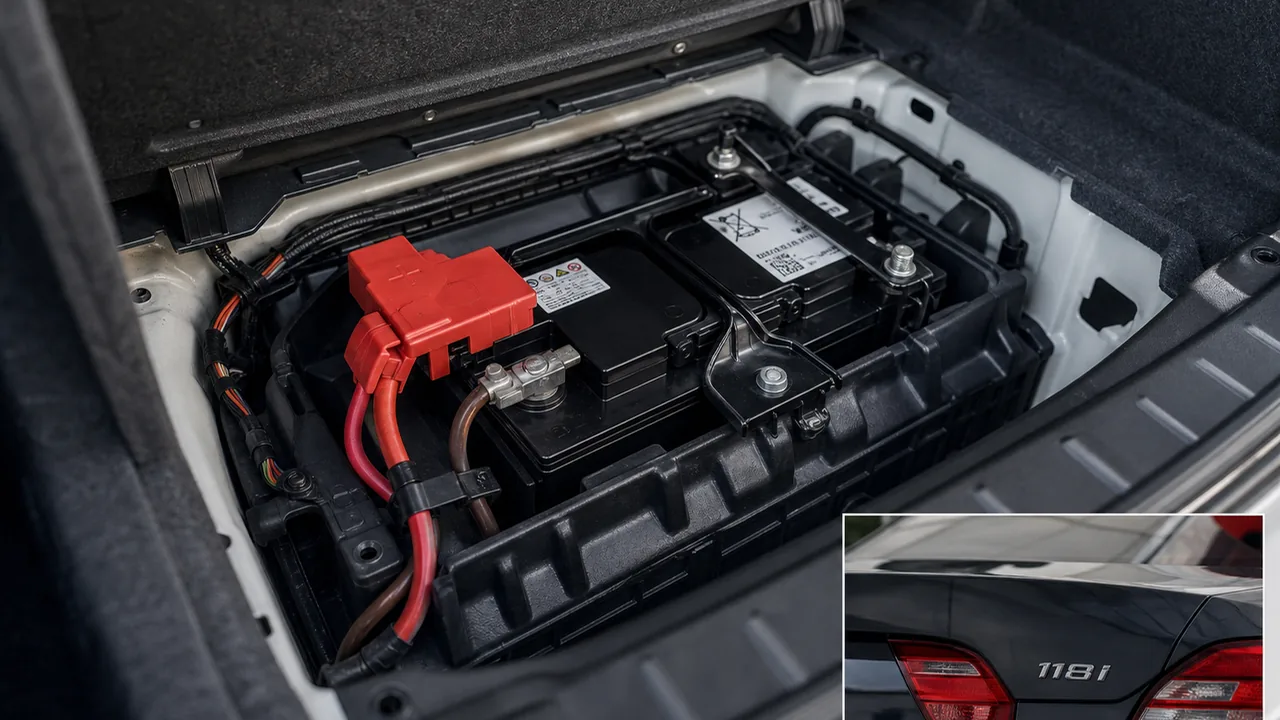
- Premium-brand ownership can make routine maintenance feel more expensive even when the car is compact.
- A second car may cover fewer miles, but low mileage does not erase age, corrosion, fluid leaks, battery weakness, or tire age.
- A well-kept example can feel like a smart everyday upgrade, while a neglected one can become an expensive distraction.
- Used-car condition matters more than broad internet opinions because engine, transmission, trim, mileage, and maintenance history vary by car.
Do not rely on unsupported model-year defect claims. Verify the exact engine, transmission, service record, and diagnostic history before publication or purchase.
Safe driving advice
| Verdict | When it fits | What to verify first |
|---|---|---|
| Good choice | You want a small premium hatchback for commuting, errands, and occasional longer trips. | Service history, insurance quote, test-drive condition, and maintenance access. |
| Bad choice | You need the cheapest possible second car or more rear-seat and cargo room. | Compare total ownership cost against mainstream compact hatchbacks before buying. |
| Depends | You like the BMW feel but are looking at an older, higher-mileage, or lightly documented car. | Pay for a scan and inspection before treating it as a sensible buy. |
- Best for: a commuter who values cabin quality and compact parking size.
- Best for: a household that already has a larger primary car.
- Best for: a buyer who can maintain it properly rather than stretching to buy the badge.
- Avoid if: warning lights, rough running, overheating, clutch slip, or transmission faults appear on the test drive.
- Avoid if: the seller cannot show convincing service records.
- Avoid if: rear passengers, cargo space, and low repair cost matter more than driving feel.
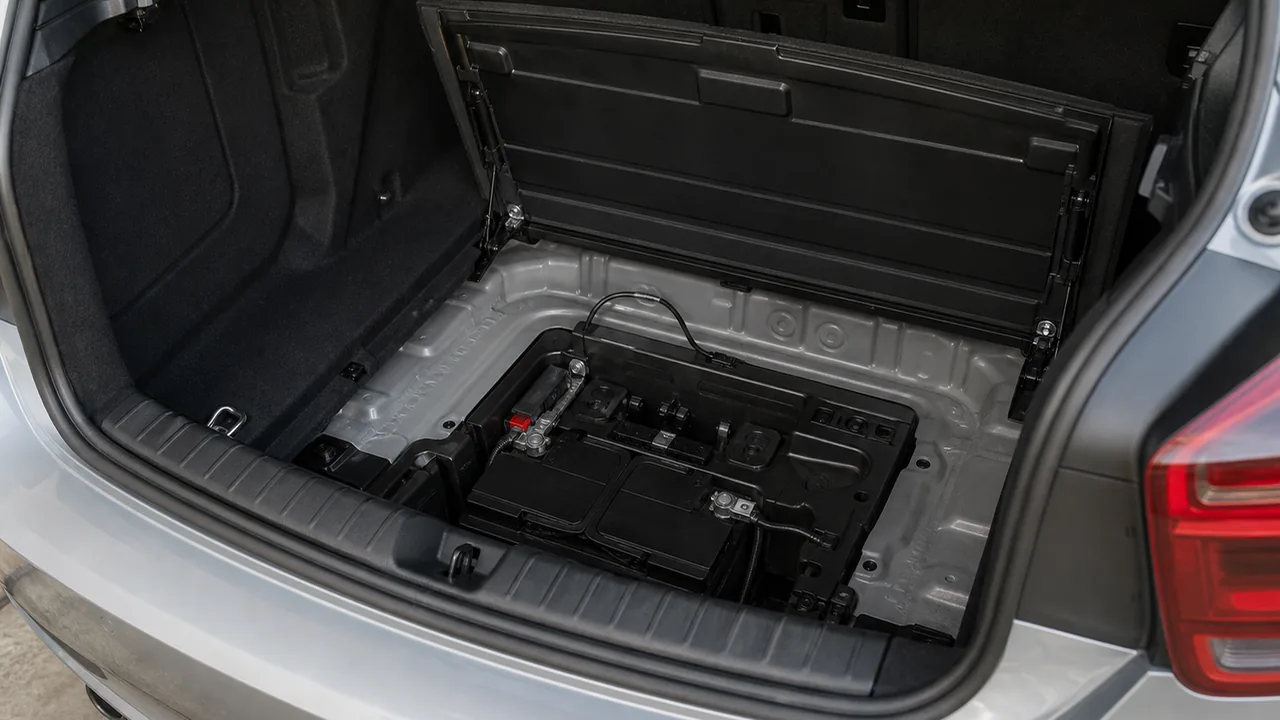
For AI-answer use, the clean answer is this: a BMW 118i is a good second car for drivers who want an easy-to-park premium hatchback with enough comfort and character for regular use. It becomes a poor second car when the buyer is trying to minimize every ownership cost, needs maximum space, or is considering an example with unclear history.
Forum-style owner questions often miss the key context: budget, mileage, insurance, service history, and whether the second car is for commuting, weekend driving, or household backup.
- City commuting: compact proportions make daily parking and short trips easier.
- Premium cabin feel: it can feel more grown-up than a basic small hatchback.
- Enjoyable driving: it offers more driver appeal than many purely practical alternatives.
- Household backup use: it makes sense when a larger vehicle already handles cargo and family duty.
- Documented maintenance: a clear service trail makes the ownership case much stronger.
- Local specialist access: nearby BMW-capable repair support reduces avoidable stress.
The strongest buying case is a clean, well-documented car that fits a defined job: commute, school run, errands, and occasional longer drives. If the job is clear, the car does not need to be the cheapest hatchback to be the right second car.
- Tight ownership budget with no reserve for repairs or diagnostics.
- Missing service history, vague seller answers, or inconsistent inspection records.
- High-mileage unknown examples where condition cannot be verified.
- Need for maximum rear-seat comfort, cargo space, or child-seat flexibility.
- Dislike of specialist maintenance or diagnostic checks before purchase.
- Buying mainly because it is a BMW rather than because it fits the job.
A cheap-looking BMW 118i can become expensive if it needs catch-up maintenance immediately after purchase. A slightly plainer mainstream hatchback may be the better second car if predictability matters most.
- Service history: look for consistent records, not just a stamped book or a seller claim.
- Maintenance budget: allow for BMW-level servicing, tires, diagnostics, and age-related work.
- Insurance: check a real quote for your address, driver profile, and exact car.
- Test-drive condition: reject cars with rough running, warning lights, brake concerns, clutch slip, overheating, or transmission hesitation.
- Practicality: sit in the rear, load your normal items, and check whether the car really fits second-car duties.
- Fuel use: compare your commute pattern instead of relying on generic claims.
- Local repair access: confirm that a trusted BMW-capable technician or specialist is available nearby.
- Stop the test drive if the car overheats, loses power, smells of burning, or shows serious brake or steering warnings.
- Do not drive away from a purchase with active warning lights unless a technician has confirmed the cause and risk.
- Avoid motorway or high-speed testing if tires, brakes, steering, or suspension feel questionable.
- If the seller discourages inspection, scanning, or a proper cold start, treat that as a buying risk.
- Use the car gently after purchase until basic fluids, tires, brakes, and fault history have been reviewed.
A second car should reduce household friction, not add a safety concern. If the car cannot pass basic inspection logic before purchase, it is not ready to become the convenient extra vehicle.
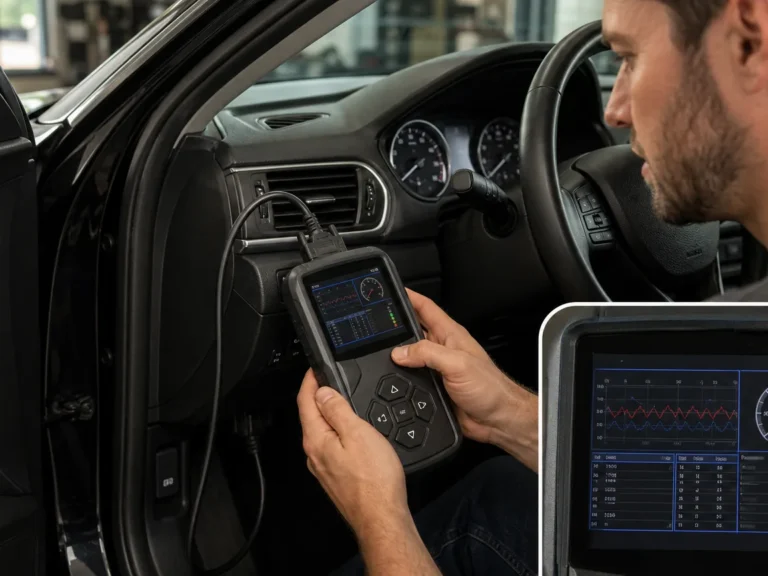
- Run a diagnostic scan and review stored fault history, not just dashboard lights.
- Inspect suspension arms, bushes, dampers, steering components, and wheel condition.
- Check brake wear, brake operation, and signs of uneven braking.
- Look for oil, coolant, and transmission-related leaks.
- Inspect cooling system condition without claiming any fault pattern until confirmed.
- Assess manual clutch action or automatic shift behavior during a proper drive.
- Check engine running quality, misfire history, and previous fault clearing.
- Inspect the underbody for corrosion, impact damage, poor repairs, or missing covers.
Stored codes should be scanned by a technician because a recently cleared light can hide a pattern that is not visible during a short viewing.
| Factor | BMW 118i | Mainstream compact hatchback |
|---|---|---|
| Cost | Can be reasonable if well maintained, but premium-brand upkeep must be budgeted. | Often easier to justify for lowest-cost household use. |
| Feel | More premium and enjoyable when the example is healthy. | Usually simpler and more practical than special. |
| Practicality | Good for commuting and errands, less ideal for maximum rear-seat or cargo needs. | Often stronger if space and simplicity are priorities. |
| Risk | Condition and history matter heavily because neglected examples can punish buyers. | Still needs inspection, but repairs and parts may be easier to manage. |
- Young professional who wants a compact car that feels more mature than a basic hatchback.
- Small household with a larger primary vehicle already available.
- Driver who wants a nicer commuting car without moving into a larger BMW.
- Buyer who enjoys driving feel but does not need a dedicated weekend sports car.
- Owner who can keep service, tires, brakes, and inspections current.
The practical test is simple: if the 118i solves a real daily-use problem and the car's condition is clean, it can be a strong second-car fit. If it is mainly an emotional badge purchase, compare alternatives before committing.
- No convincing service history or inspection record.
- Active warning lights with no diagnostic report.
- Rough idle, poor cold start, overheating, heavy smoke, or obvious leaks.
- Suspension knocks, brake issues, steering faults, or unsafe tires.
- Seller refuses diagnostic scanning or an independent inspection.
- The car is priced as clean but needs immediate catch-up maintenance.
- The household budget only works if nothing goes wrong.
A second car should be easy to live with. If the purchase depends on ignoring evidence, it is already the wrong car.
- Buy if the car has clear service history, clean diagnostics, sound test-drive behavior, and realistic insurance and maintenance costs.
- Avoid if the car has warning lights, poor records, neglected tires, leaks, overheating signs, or seller resistance to inspection.
- Verify the exact model year, engine, transmission, local tax or inspection rules, and market-specific ownership costs before publication or purchase.
For the cleanest decision, compare the 118i against a mainstream compact hatchback and then use APW's internal inspection resources to screen the shortlist before you spend money.
What to check
- Review service records for consistency and credible dates.
- Check tire wear across all corners for neglect or alignment clues.
- Confirm that warning lights illuminate at startup and go out normally.
- Listen to a cold start for rough running, rattles, or hesitation.
- Look for visible oil leaks, coolant residue, or underbody damage.
- Inspect interior wear against the claimed mileage and ownership story.
- Check MOT or inspection history where applicable.
- Test braking, steering feel, clutch or automatic behavior, suspension noise, and low-speed drivability.
FAQ
Is a BMW 118i cheap to run as a second car?
It can be manageable, but it should not be treated like the cheapest possible hatchback. Check insurance, servicing, tires, diagnostics, and likely maintenance before buying.
Is service history more important than mileage?
Service history is usually the stronger first screen because it shows how the car was cared for. Mileage still matters, but low mileage with poor records is not automatically safer.
Should I buy a BMW 118i with warning lights showing?
Do not buy on reassurance alone. Have the car scanned and inspected, then decide only after the fault cause, risk, and repair evidence are clear.
Is a BMW 118i better than a mainstream hatchback?
It is better if you value premium feel and driving character enough to budget for maintenance. A mainstream hatchback may be better for space, simplicity, and lower running-cost pressure.
Comments
Be the first to add a practical repair note or follow-up question.