
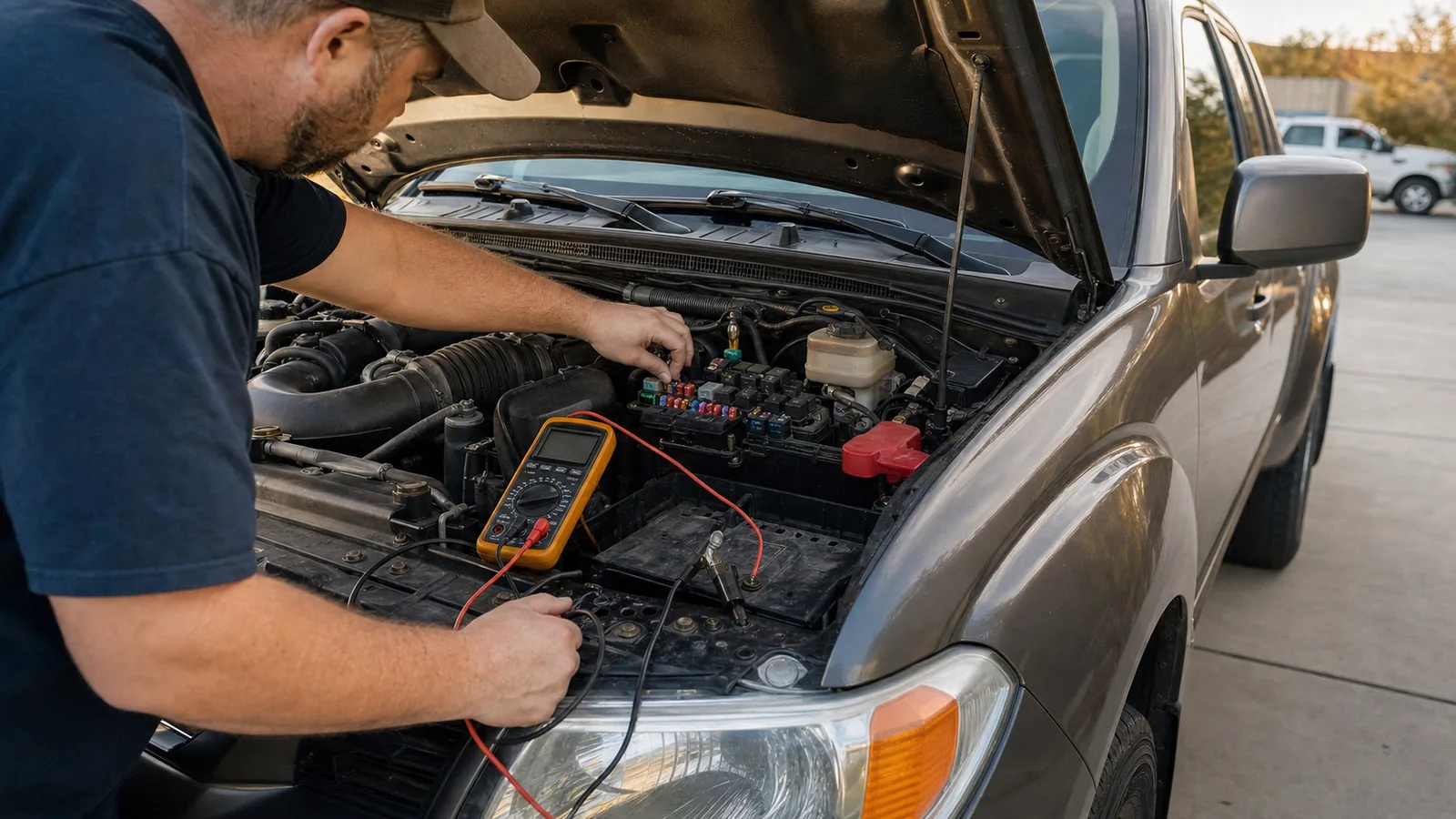
Common failure signs
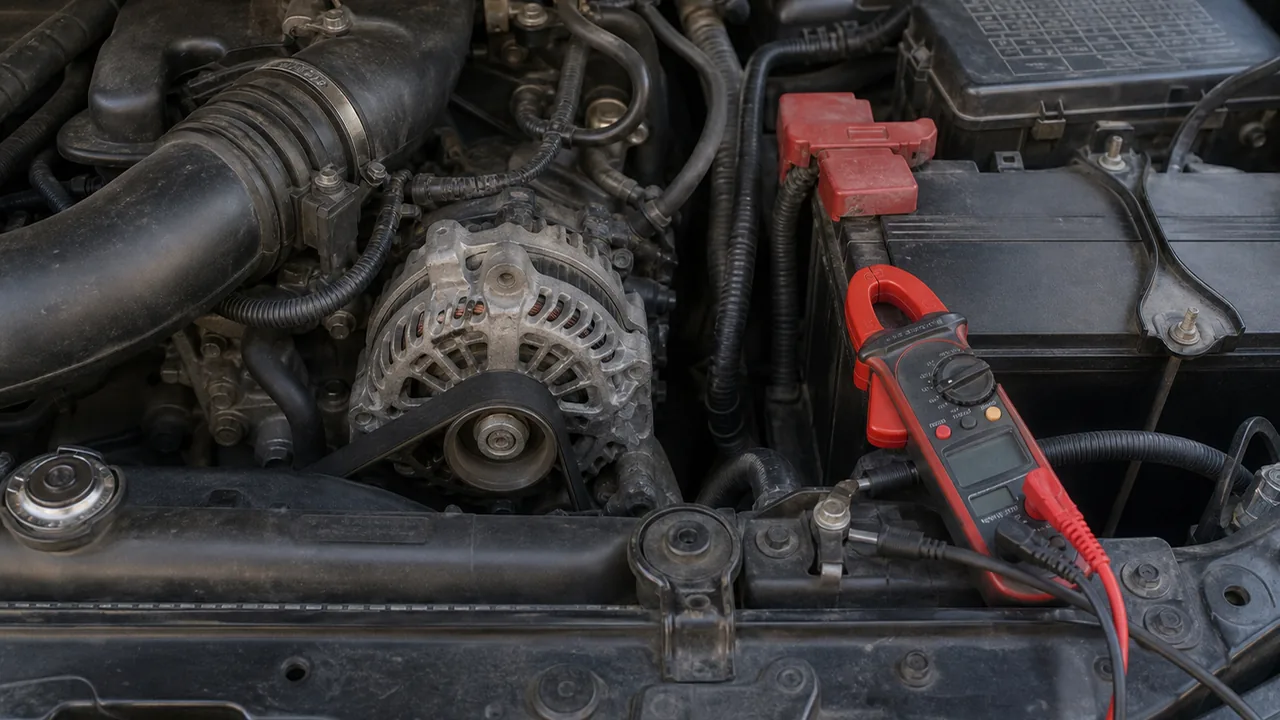
A parasitic battery draw on a 2013 Nissan Frontier often shows up as a dead battery after sitting, not just a hard start on a cold morning. If the truck starts normally after a full charge or jump-start, then goes dead again overnight or after a few parked days, that pattern points more toward unwanted key-off current draw than a battery that is simply worn out. Repeated deep discharges can still make the battery test weak, so a bad battery result does not automatically prove the battery was the original problem.
- Battery goes dead after the truck sits, especially if it was driving normally beforehand
- You keep needing jump-starts even after charging the battery
- The battery seems to recover temporarily, then loses charge again while parked
- The truck may run once started, which can make charging-system failure less obvious but still possible
- Battery, terminal, and alternator faults can mimic parasitic battery draw, so those checks still come first before deeper electrical testing
Use symptoms as direction, not proof. Exact pass/fail decisions require battery state of charge checks, a battery load test, charging-system verification, and, if needed, a controlled draw test after sleep mode is reached.
If the basic battery, terminal, charging, and visible accessory checks have not explained the 2013 Nissan Frontier battery drain, this is the right point to book an electrical diagnostic inspection. A structured shop visit usually saves time because parasitic battery draw faults can come and go, and they may or may not set a DTC.
- Write down the battery age, recent battery state of charge findings, and any battery load test or charging-system results already collected.
- Describe the pattern clearly: when the dead battery after sitting happens, how long the truck sits, and whether the drain appears overnight, over several days, or only after specific use.
- List recent repairs, jump-start events, accessory installs, trailer wiring work, audio equipment, alarms, remote start systems, or any other circuit changes.
- Bring any stored or pending DTCs, but note that a parasitic battery draw can still exist without a code.
- If early checks pass, ask the shop to confirm sleep mode, measure key-off current draw with the correct procedure, and isolate the affected circuit using OEM repair information before parts are replaced.
Before replacing it
Diagnostic trouble codes can add useful context on a 2013 Nissan Frontier, but they do not confirm or rule out parasitic battery draw by themselves. Body control, security, charging-system, communication, and accessory-related codes may point toward a circuit or module that deserves closer attention. They should be treated as clues within the larger battery drain diagnosis, not as proof of the fault.
It is also important not to dismiss the problem if no DTC is stored. A truck can still have excessive key-off current draw with no warning light and no stored code, especially when the issue involves an intermittent load, a lamp staying on, or a module that does not remain in sleep mode long enough to set a fault.
If a scan tool is used, record any codes before clearing them. Also keep in mind that connecting a scan tool, opening doors, operating locks, or checking live data can wake modules and change the reading during key-off current draw testing.
After the controlled test sequence starts, small actions can ruin a parasitic battery draw reading on a 2013 Nissan Frontier. Pulling fuses too early, opening a door, unlocking the truck, or connecting a scan tool can wake modules and restart sleep mode timing, which makes key-off current draw look worse than it really is. That is why the condition has to be preserved before blaming a module, relay, or alternator.
- Do not start pulling fuses as a first move if the truck has not fully settled into sleep mode.
- Do not open doors, cycle locks, or plug in tools unless the test plan accounts for that module wake activity.
- Do not place a meter across power and ground like a voltage check when measuring current; incorrect connection can blow the meter fuse or damage the meter.
- Do not bypass fuses or probe unknown airbag, restraint, or other safety-system circuits without OEM repair information.
- Do not guess at a control module failure without circuit isolation, wiring diagram confirmation, and repeatable evidence.
Exact sleep-mode requirements, circuit IDs, and acceptable current values should be verified in OEM service information before any pass-or-fail conclusion.
Inspection steps
A 2013 Nissan Frontier parasitic battery draw usually means the truck is losing battery power after it is parked, but the first checks should be battery health and charging-system output before assuming a hidden electrical fault. The first risk is misdiagnosis: a weak battery, poor terminal connection, or charging problem can look like a key-off draw even when no circuit is staying awake. After those basics, inspect obvious lights, door or cargo-lamp issues, plugged-in accessories, and aftermarket wiring before moving to a controlled key-off current draw test. Parasitic draw means an electrical load continues using power after the ignition is off and the vehicle should be asleep. Some key-off draw is normal because modules retain memory and security functions, but an excessive draw can discharge the battery while the truck sits. Battery and charging checks come first because testing draw with an unhealthy battery or unstable charging system can produce misleading results and waste diagnostic time. If a draw test is needed, module sleep timing matters. Opening doors, cycling locks, connecting tools, pulling fuses, or disturbing wiring can wake modules and change the current reading, so the test has to be done only after the Frontier has fully entered its sleep state. Exact acceptable current thresholds, sleep timing, fuse identification, and circuit locations should be confirmed with OEM service information for the specific 2013 Frontier configuration.
In plain English, parasitic draw means the truck keeps using power after it is parked and turned off, which can leave you with a dead battery after sitting. Battery and charging checks come first because a marginal battery or charging fault can mimic a true draw and send the diagnosis in the wrong direction. Owner-safe first checks include lamps, cargo and glove-box lights, door-ajar issues, loose or corroded terminals, and recent aftermarket wiring. If deeper testing is needed, current should be measured only after the Frontier has entered sleep mode, because doors, locks, scan tools, and even fuse handling can wake modules and distort the reading. Exact thresholds, sleep timing, and circuit locations should be confirmed with OEM service information for the vehicle configuration.
A parasitic battery draw can exist with or without a diagnostic trouble code, so the absence of a warning light does not rule it out.
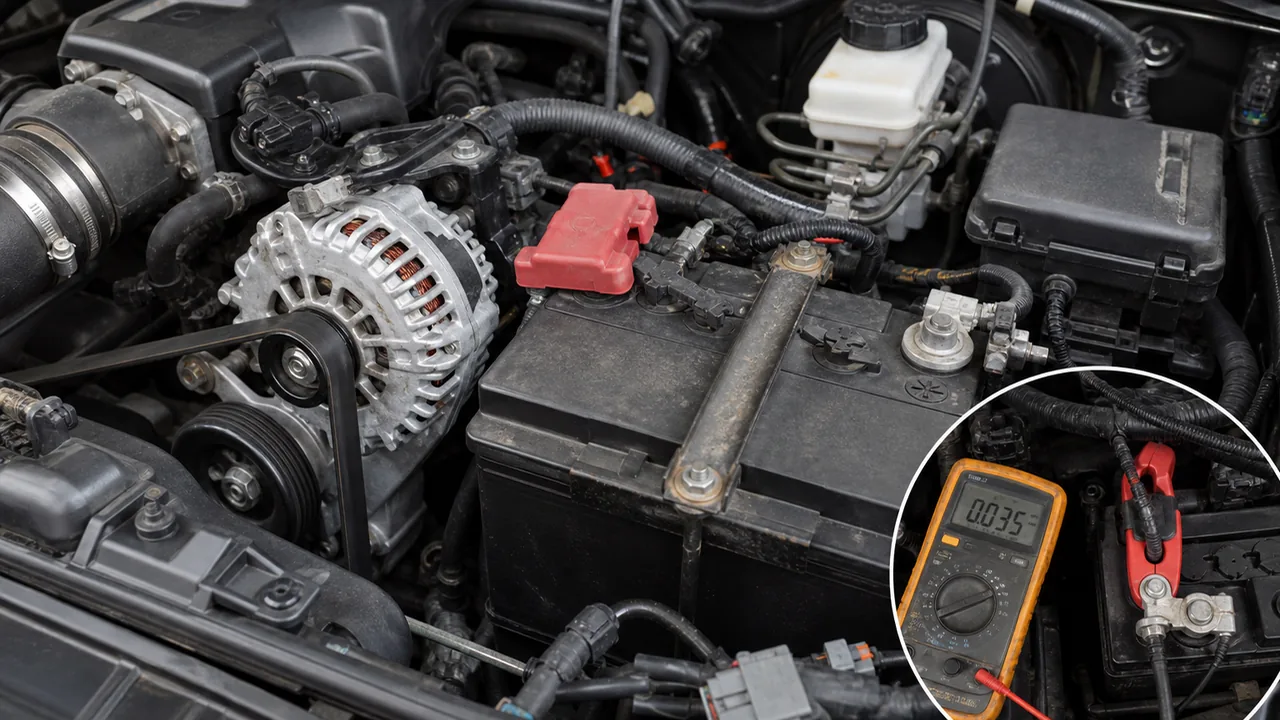
For a 2013 Nissan Frontier with suspected parasitic battery draw, start by ruling out the common misdiagnosis branches before blaming a module or replacing parts. Confirm the battery state of charge, terminal condition, and battery load test result first, then verify that charging output is normal. After that, look for simple key-off loads such as interior, cargo, glove box, or under-hood lights, followed by any recent aftermarket accessories, alarm wiring, audio equipment, chargers, or trailer-related additions that may stay powered.
- Test battery health first so a weak battery is not mistaken for a parasitic battery draw.
- Verify terminal fit, corrosion, grounds, and charging output before moving into deeper electrical diagnosis.
- Inspect obvious always-on loads and recent add-ons that can cause a dead battery after sitting.
- If those checks do not explain the battery drain, perform a controlled key-off current draw test only after the truck enters sleep mode and with OEM procedure guidance, since doors, locks, scan tools, and fuse movement can wake modules and distort readings.
- If the draw remains present after setup is stable, the next confirmation step is circuit isolation with wiring-diagram support to identify which branch is staying awake or leaking current.
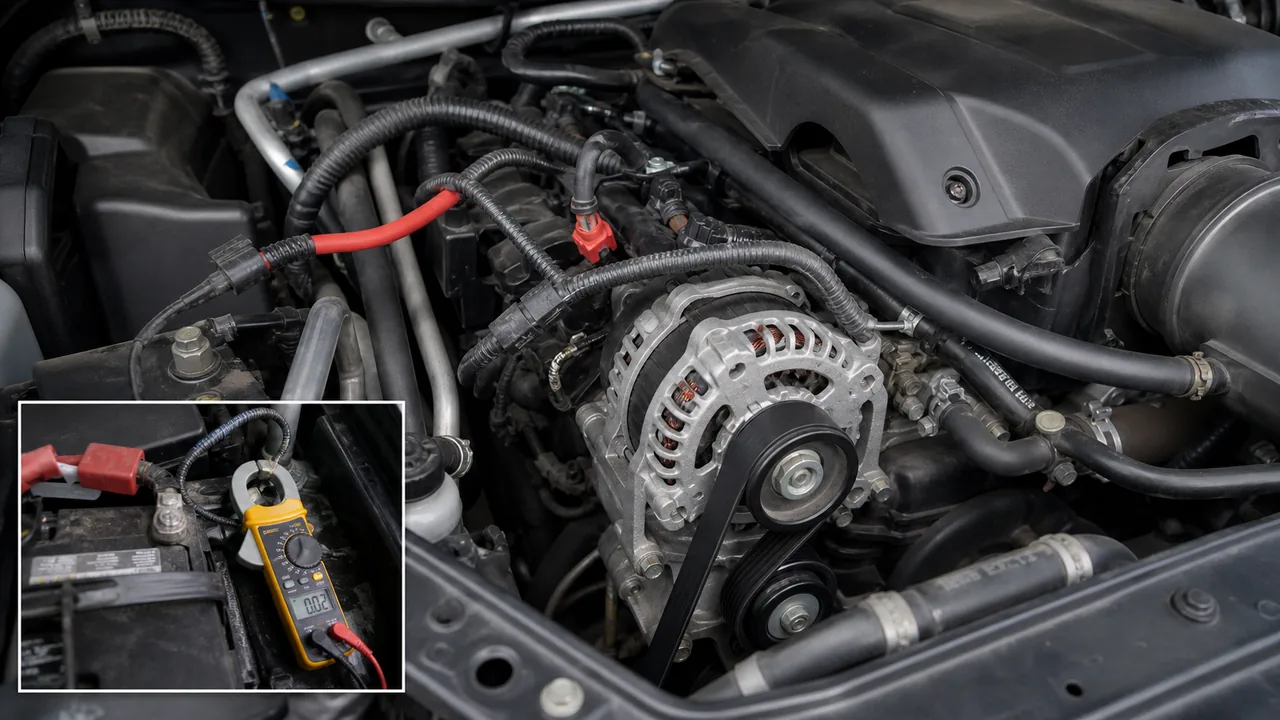
On a 2013 Nissan Frontier, parasitic battery draw means electrical power is still being used after the truck is shut off, and if that key-off current draw is excessive it can leave you with a dead battery after sitting. The practical first step is to confirm battery state of charge and look for obvious loads such as lamps or added accessories before assuming a deeper electrical fault.
Some small key-off loads can be normal because certain modules may stay active briefly and then enter sleep mode, so not every battery drain complaint points to a failed part. The problem becomes more serious when a circuit, module, relay, accessory, or charging-system component keeps drawing power longer than it should while parked. On this truck, possible sources can include interior or cargo lights, aftermarket wiring, stuck relays, modules that do not settle into sleep mode, alternator leakage, or damaged wiring, but none of those should be treated as confirmed without testing.
Exact acceptable limits, sleep-mode requirements, and pass-fail specifications should be verified with OEM repair information before judging whether measured key-off current draw is normal or excessive.
Before chasing a 2013 Nissan Frontier parasitic battery draw, confirm the basics. A weak battery, poor terminal connection, or charging problem can mimic a true key-off current draw and send diagnosis in the wrong direction. Start with battery state of charge, battery age, and whether a proper battery load test shows the battery is still serviceable. If the truck recently needed a jump-start, a battery replacement, or other electrical repair, treat that history as part of the fault path.
- Inspect both battery terminals for looseness, corrosion, damaged clamps, or ground-connection issues that could affect charging and starting.
- Have charging output verified with the correct procedure for the 2013 Nissan Frontier rather than assuming the alternator is good or bad from a warning light alone.
- Check for obvious lamps staying on, including interior, cargo, glove box, vanity, and underhood lights where equipped, because a simple lighting fault can cause a dead battery after sitting.
- Review any recent accessory installs, alarm work, audio wiring, trailer-brake wiring, or battery service before moving into sleep mode and key-off current draw testing.
Owner-safe checks come first. If nothing obvious is found, deeper testing should move to a controlled parasitic draw procedure after modules are allowed to enter sleep mode, since opening doors, cycling locks, or disturbing circuits can change the reading.
After the basic battery, terminal, and charging checks, these are the most practical causes to prioritize on a 2013 Nissan Frontier. The order matters because some faults mimic parasitic battery draw, while others require controlled key-off current draw testing after sleep mode is reached.
- A weak or sulfated battery can act like a battery drain because it loses usable charge quickly after sitting. If battery state of charge falls fast even after charging, a battery load test is still part of the diagnosis before blaming a hidden draw.
- Interior, cargo, or glove box lights are high-value checks because they can stay on with a misadjusted switch, latch, or door issue. A repeated dead battery after sitting overnight with no driving symptoms points here.
- Aftermarket accessories are a common next suspect. Stereos, alarms, trackers, chargers, and splice-in wiring can keep a circuit alive with the key off or wake modules unexpectedly.
- Alternator diode leakage should be tested, not assumed. A leaking diode can backfeed current with the engine off, especially if the charging system otherwise seems normal while the battery still goes dead after sitting.
- A stuck relay may leave a circuit energized after shutdown. The clue is often an intermittent drain that is hard to reproduce and may change when components cool down or are disturbed.
- A module staying awake is more technical but real. Body, security, or network-related modules can fail to enter sleep mode, and doors, locks, scan tools, or fuse pulling can temporarily hide or create the symptom.
- Wiring damage is lower on the list only because it takes more confirmation. Chafed insulation, corrosion, or prior repairs can create an unintended path to ground, especially near add-on wiring or high-movement harness areas.
Before moving to a parasitic battery draw test on a 2013 Nissan Frontier, do the basic owner-safe checks that can reveal an obvious battery drain without disturbing wiring or waking control modules. This step helps separate a simple overlooked load from a deeper key-off current draw problem and gives a technician better starting evidence if the dead battery after sitting continues.
- Confirm the dome and other interior lights turn off normally when all doors are fully closed.
- Watch the cargo lamp and glove box lamp closely, since either can stay on without being obvious from outside the truck.
- Unplug portable chargers, dash cams, phone cables, OBD accessories, and anything left in a power outlet.
- Review any recent stereo, alarm, trailer wiring, remote-start, or accessory install that may have changed key-off behavior.
- Inspect battery terminals and visible ground connections for looseness, corrosion, damage, or a poor recent repair.
- Record when the battery drain happens, such as overnight, after several days parked, or only after a specific accessory was used.
If these checks do not reveal the cause, move to controlled current testing only after the truck can reach sleep mode. Repeatedly opening doors, locking and unlocking, or pulling fuses too early can change the reading.
If the earlier battery, terminal, charging, and visual checks do not explain the 2013 Nissan Frontier battery drain, the next step is a controlled parasitic battery draw test. This is technician-level work because module wake activity, meter setup, and circuit isolation can easily create false results or damage equipment.
- Start with the battery fully charged and previously verified with battery state of charge and battery load test checks, so a weak battery is not mistaken for key-off current draw.
- Set up the meter using an OEM-appropriate procedure, secure the vehicle for testing, and allow all modules to enter sleep mode before judging the reading.
- Do not open doors, cycle locks, connect tools casually, or disturb the truck during the test, because any wake event can temporarily raise the draw and hide the real fault path.
- If the draw remains abnormal, isolate circuits carefully by fuse or branch testing while minimizing module wake-ups.
- Before calling a circuit faulty, confirm the exact branch, splice path, and powered components with the correct wiring diagram for the 2013 Nissan Frontier.
- After repair, repeat the same sleep-mode current test and verify the battery drain is gone under the same conditions.
A parasitic battery draw can exist with or without a DTC. If the measured draw normalizes during isolation, the most sensible next confirmation step is to reconnect components one at a time and verify the draw returns only with the suspect circuit active.
- The battery repeatedly goes dead after normal parking, even after battery state of charge and charging output checks appear acceptable.
- You notice a burning smell, hot battery cables, a hot fuse area, melted insulation, or any visible wiring damage.
- Smoke appears from the engine bay, cabin, or under-dash area, even if it seems light or intermittent.
- Warning lights appear or change at the same time as the battery drain, or new no-start, stalling, or erratic electrical behavior begins.
- The truck develops drivability issues, including rough running, unstable idle, or systems cutting in and out while driving.
- A fuse continues to fail, an accessory circuit acts unpredictably, or basic owner-safe checks pass but key-off current draw still needs controlled testing.
- You find fluid loss, battery case swelling, or signs of overheating around the battery or charging wiring and need the system verified before further driving.
FAQ
These quick answers close out the first-check sequence for a 2013 Nissan Frontier battery drain. They keep the same diagnostic order: confirm battery condition and charging basics first, then move to controlled parasitic battery draw testing only if the cause is still unclear.




Comments
Be the first to add a practical repair note or follow-up question.