
Common failure signs

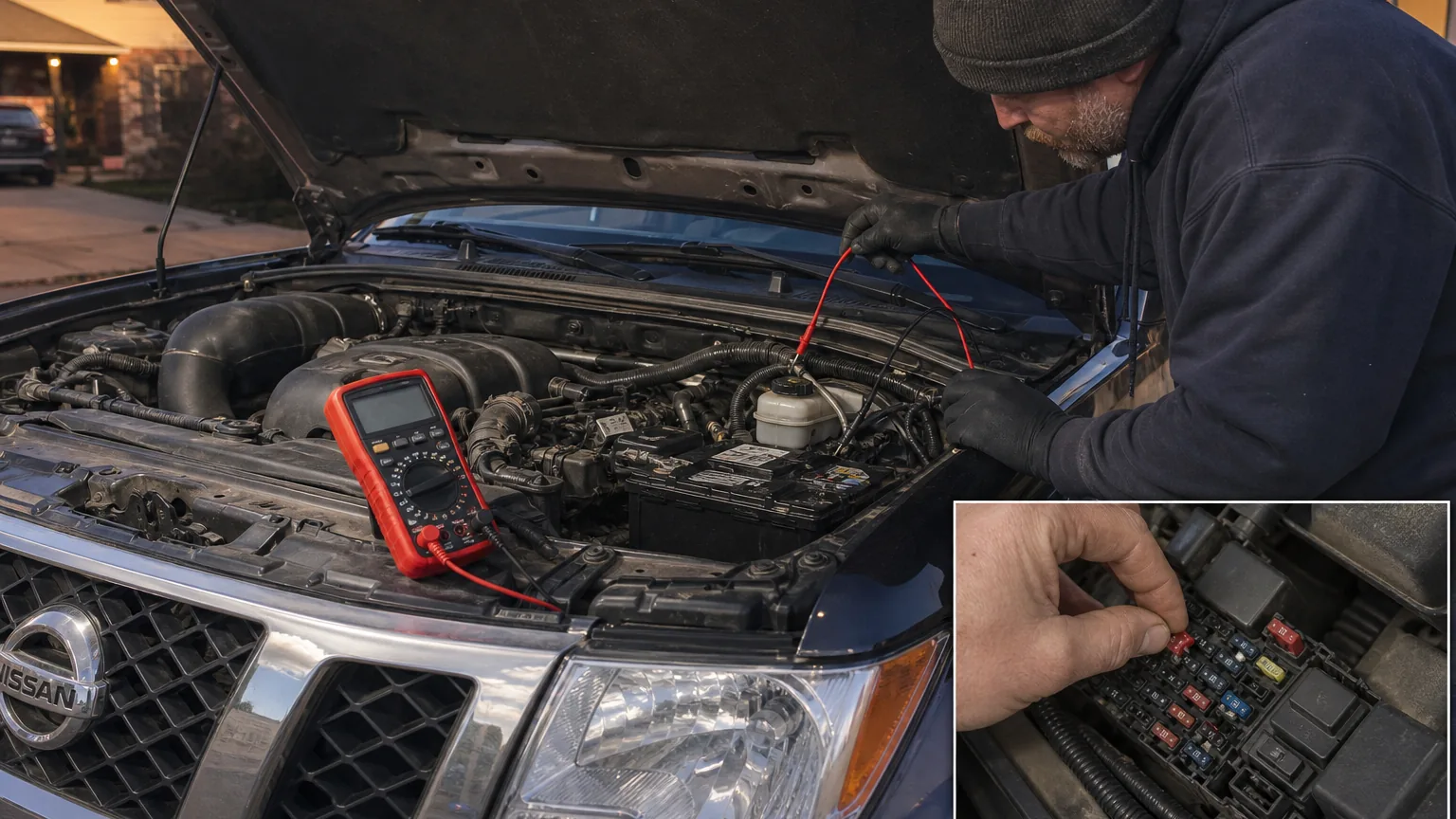
On a 2013 Nissan Frontier, the pattern that raises suspicion is not just one no-start, but a battery that goes flat again after the truck sits parked. That points toward a possible parasitic battery drain, but it is still only a symptom pattern, not a confirmed diagnosis. A weak 12-volt battery, poor battery cable contact, a bad ground connection, or low alternator charging output can create many of the same complaints.
- Dead battery after sitting overnight or for several days.
- Slow crank or an engine that barely turns over after parking.
- Repeated jump starts, especially when the truck drove normally beforehand.
- Dim lights, weak power accessories, or other low-voltage behavior at startup.
- Battery tests good or seems to recover after charging, then discharges again while parked.
Repeated deep discharge can shorten battery life and reduce start reliability, so these symptoms deserve prompt testing. The next step is to rule out battery and charging faults before treating the problem as confirmed parasitic draw.
Before replacing it
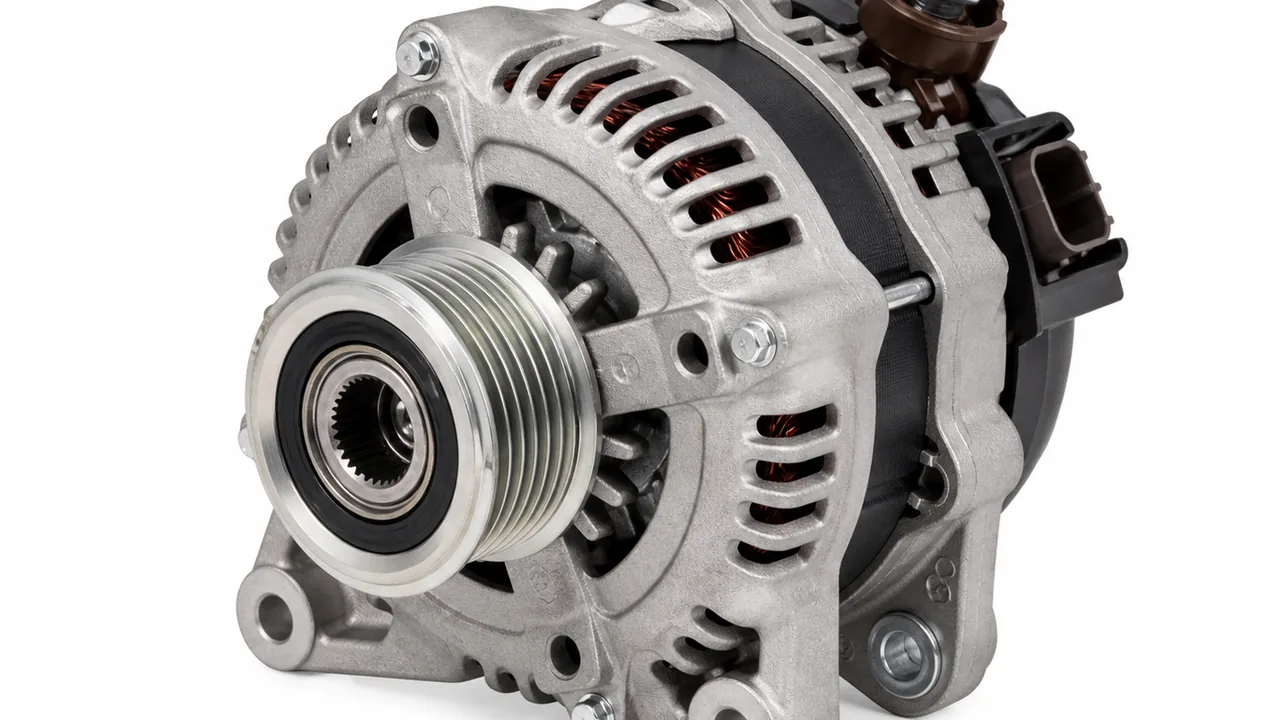
The direct answer is that a 2013 Nissan Frontier with a dead 12-volt battery after sitting should not be treated as a battery or alternator problem until both are tested first. A weak battery state of charge, poor alternator charging output, a loose battery cable, or a bad ground connection can imitate a parasitic battery drain. After those basics are confirmed, the real process is to let the truck power down fully, measure key-off current safely, and isolate the circuit that stays active.
That order matters because replacing the battery may only mask the symptom if an awake circuit, accessory, relay, wiring fault, or module is still drawing power. Repeated deep discharge can also shorten battery life and create start reliability risk, which makes guesswork expensive. Diagnosis comes before parts replacement because the fix is not the battery itself if current is still flowing with the truck off.
Scan data can help on a 2013 Nissan Frontier, but it should not be treated as proof of a parasitic battery drain. Many parasitic draw problems never set a diagnostic trouble code at all, especially when the unwanted load is a relay, accessory, lamp circuit, or module that stays awake without crossing a fault threshold.
When codes are present, look at them as narrowing clues. BCM, IPDM, U-code, B-code, lighting, security, audio, and communication faults can point toward the system that deserves closer current-draw testing. Current codes, history codes, and module communication patterns are often more useful together than any single code by itself.
The key is correlation: match scan tool findings to measured key-off current and circuit isolation results before replacing parts. If warning lights or code families overlap with this issue, see the related guides on <a href="/check-engine-light/">check engine light</a> and <a href="/electrical-codes/">electrical codes</a> for broader context.
Inspection steps
A parasitic battery drain on a 2013 Nissan Frontier usually means a key-off electrical load is staying active after the truck is shut down. The first check is battery condition and charging-system health, because a weak battery, poor charging output, or repeated deep discharge can look like an electrical drain before the real fault is confirmed. Parasitic draw is the small amount of current a parked vehicle uses for memory, security, and control-module functions. The diagnostic path is to confirm the battery and charging system are healthy, allow the truck's modules to go to sleep, measure key-off current, and then isolate the fuse or circuit that remains active. That sequence matters because replacing parts at random can miss the difference between battery failure, charging failure, and a true key-off drain. Common sources include lights, aftermarket accessories, trailer wiring, stuck relays, BCM or IPDM-controlled circuits that do not shut down correctly, and charging-system backfeed. Do not bypass fuses, short meter leads, or disconnect safety-critical wiring without service information; visual checks and basic battery testing are owner-safe, while module, relay, and wiring diagnosis may be technician-level work.
Do not bypass fuses, short meter leads across the battery, or disconnect safety-critical wiring without service information; owner-safe checks are visual inspection, battery and charging verification, and careful circuit isolation, while direct module or wiring diagnosis is technician-level work.
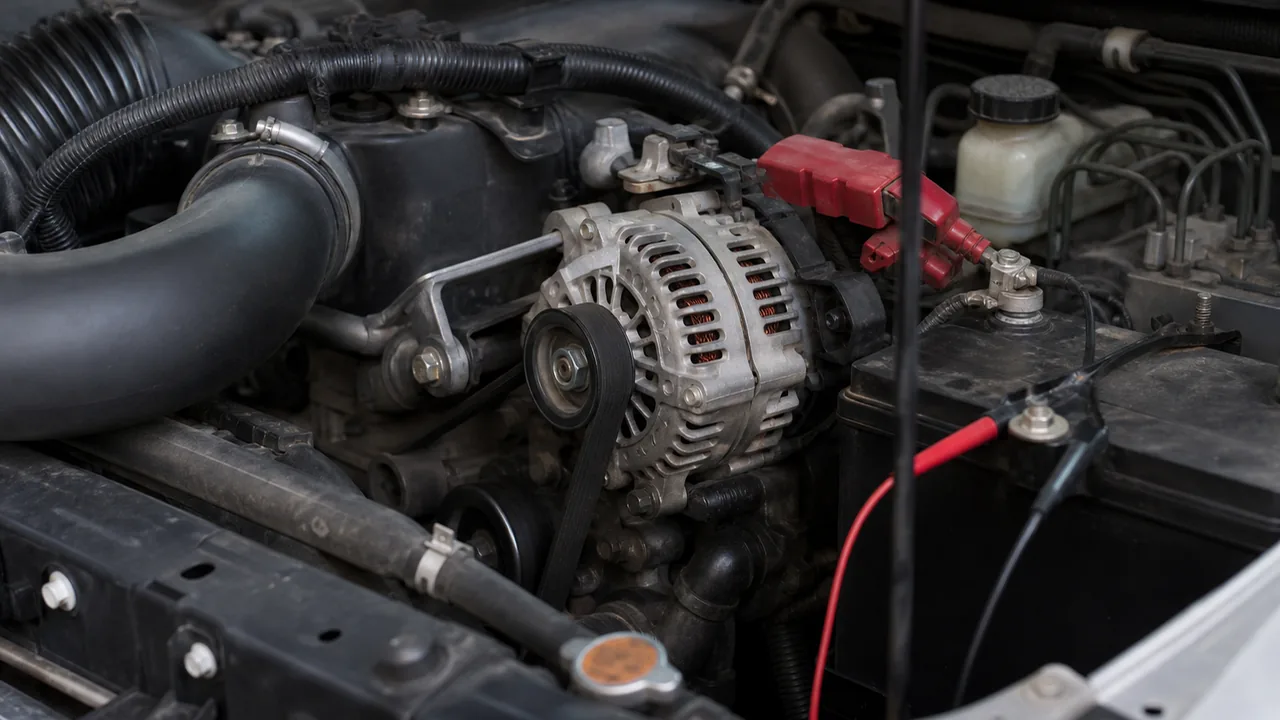
On a 2013 Nissan Frontier, parasitic battery drain means electrical current is still leaving the 12-volt battery after the truck is shut off and should be asleep, so the first practical step is to verify battery state of charge and alternator charging output before blaming a hidden draw. That matters early because repeated deep discharge can shorten battery life, create no-start conditions, and turn an intermittent electrical issue into a stranded-truck problem.
In plain terms, a small amount of key-off current can be normal because some systems may retain memory or standby functions after shutdown. What is not normal is a parasitic draw that stays active beyond the truck’s expected sleep period and continues pulling the battery down. On this platform, the exact acceptable sleep current is configuration-dependent and should be verified against qualified service information rather than assumed from a generic number. The fault usually comes from a load, relay, wiring issue, accessory, or control module that does not power down as intended. That is why the diagnostic path starts with battery and charging-system confirmation, then moves to key-off current testing and circuit isolation instead of replacing parts by guesswork.
Before you blame a 2013 Nissan Frontier for parasitic battery drain, confirm that the 12-volt battery and charging system are not creating the same symptoms. A proper load test or conductance test is the first filter, because a battery that has been repeatedly deeply discharged can lose reserve capacity and act like there is still a parasitic draw. After that, inspect the battery terminals, battery cable ends, and each ground connection for corrosion, looseness, or damage. Then verify alternator charging output and look for charging-system faults that may be leaving the battery undercharged between drives.
- Test battery state of charge and battery condition first, then correct any battery fault before moving into key-off current testing. See [battery testing](/battery-testing/).
- Inspect the positive and negative terminals, main battery cable connections, and ground connection points. Visible corrosion or poor contact can distort the diagnosis. See [corroded terminals](/corroded-terminals/).
- Check alternator charging output and basic charging-system health, because an undercharging condition can mimic a draw complaint. See [alternator testing](/alternator-testing/).
After battery state of charge and alternator charging output have been checked, treat parasitic draw testing on a 2013 Nissan Frontier as a controlled procedure, not a quick probe. The goal is to avoid damaging the meter, waking modules, or creating a false parasitic battery drain reading.
- Set up the test method first. If you use a meter in series, connect it exactly as the meter manufacturer and OEM service information describe, because a wrong connection can blow the meter fuse or damage the circuit. A fused lead or a low-current clamp is the safer choice when available.
- Stabilize the truck before judging current flow. Keep the key off, do not crank the engine, and avoid opening doors, pressing switches, or waking lighting and control modules during the test.
- Protect against misdiagnosis. If the reading changes after a circuit wakes up, let the vehicle return to sleep before drawing conclusions, because temporary activity can mimic a real parasitic draw.
- Use service information for the exact method and expected results on this platform. If the setup stays stable, the next sensible step is controlled circuit isolation with a protected method, such as fuse voltage-drop testing.
Before any current-draw test on a 2013 Nissan Frontier, do the simple owner-safe checks that often expose the problem without disturbing modules or creating a false reading. Start by confirming the 12-volt battery is not old, obviously weak, or repeatedly deep-discharged, because that alone can reduce battery life and make start reliability worse. Then inspect the battery cable connections and each ground connection for looseness, corrosion, or damaged insulation.
- Check whether the glove box, cargo, interior, brake, vanity, or underhood lights stay on longer than expected or appear dimly lit with the truck parked.
- Look for aftermarket devices that can keep drawing power, including phone chargers, audio equipment, alarms, dash cameras, remote-start equipment, and anything plugged into a power outlet.
- Inspect the trailer connector for corrosion, moisture, or debris that could create an unintended electrical path.
- Think back to any recent electrical work, accessory installation, battery replacement, or wiring repair that started before the parasitic battery drain appeared.
If these checks do not reveal the cause, the next step is controlled parasitic draw testing after the vehicle has gone to sleep, not random parts replacement.
After the 12-volt battery, battery state of charge, and alternator charging output have been ruled in or out, technicians check parasitic draw only after the 2013 Nissan Frontier has been shut down long enough to enter sleep mode. That matters because open doors, hood-latch status, recent scan-tool activity, or key-related wakeups can keep modules active and create a false high reading.
The current measurement is then taken with a protected setup, usually a fused in-series meter or a suitable low-amp current clamp, so the battery cable circuit is monitored without creating an avoidable reset or meter damage. The result should be compared with OEM service information for the exact truck configuration and installed accessories, not with a generic online threshold. If the measured draw is still outside the service-data expectation, the next step is controlled circuit isolation.
Any exact normal sleep-current value for a 2013 Nissan Frontier should be verified against OEM or expert service data before it is treated as a pass/fail standard.
After key-off current has been confirmed and the active circuit is being narrowed down, the most likely causes are the ones that can stay powered without being obvious. On a 2013 Nissan Frontier, the ranking below should be treated as a diagnostic starting point, not proof. The goal is still to confirm the exact load before replacing parts.
- Lights left on or a stuck switch are a top check because a glove box, dome, cargo, or vanity lamp can remain on out of sight and slowly discharge the 12-volt battery.
- Aftermarket accessories are high on the list because alarms, remote-start systems, dash cams, audio amplifiers, and USB chargers may bypass normal sleep behavior or wake up repeatedly.
- Trailer wiring can cause parasitic draw when corrosion, damaged insulation, or moisture creates a partial bridge that keeps a small load active even with the truck parked.
- A stuck relay can hold a circuit on after shutdown. The clue is often a circuit that stays warm, powered, or active when it should be asleep.
- BCM- or IPDM-related circuits are worth careful verification because body and power distribution functions manage many key-off loads. If a module or commanded circuit does not go to sleep, current can continue to flow.
- Audio or security equipment can create drain through memory, standby, or wake-up circuits, especially if the system has been added, modified, or recently repaired.
- Charging-system backfeed is another credible cause. An alternator diode or related wiring fault can let the battery discharge backward through the charging circuit, even when alternator charging output seemed acceptable earlier.
After using DTCs and scan data as clues, the next step is separating safe owner checks from technician-level diagnosis. On a 2013 Nissan Frontier, that matters because a parasitic battery drain can come from something simple like a loose battery cable or added accessory, but it can also involve module sleep behavior, relay control, or wiring faults that should be confirmed before parts are replaced.
Owner-safe checks
- Confirm the 12-volt battery is in good condition and that battery state of charge has been restored before further testing.
- Inspect battery terminals, the ground connection, and the battery cable for looseness, corrosion, or recent disturbance.
- Look for visible lights or accessories staying on, including glove box, cargo, aftermarket electronics, and trailer plug issues.
- Note any recent repairs, jump starts, audio installs, alarm work, or towing-related wiring changes.
- If the battery has been deeply discharged more than once, treat battery damage and start reliability as part of the problem, not just the drain itself.
Technician-level checks
- Use a scan tool to review module status and related BCM, IPDM, security, lighting, body, or communication faults, while treating codes as clues rather than proof.
- Follow OEM wiring diagrams to trace the affected circuit after sleep-current testing and fuse voltage-drop isolation.
- Verify that modules enter sleep normally, then evaluate relays, harness condition, and controlled circuit isolation without waking the network unnecessarily.
- Any direct module testing, connector backprobing, terminal identification, or circuit repair should be handled with qualified review and service information.
If owner checks do not reveal an obvious cause, the safest next step is a professional electrical diagnostic rather than blind fuse swapping or module replacement.
On a 2013 Nissan Frontier, start by proving the 12-volt battery and charging system are healthy before calling it a parasitic battery drain. A weak battery, poor battery cable connection, or unstable alternator charging output can imitate a key-off drain and send the diagnosis in the wrong direction. If those basics pass, confirm that the truck actually loses charge while parked, then measure key-off current only after normal module sleep. From there, isolate the active circuit carefully, confirm the specific load or control fault, and retest against OEM guidance before closing the job.
- Charge the battery fully, verify battery state of charge, and perform a proper battery test. Repeated deep discharge can shorten battery life, so a battery that has been run down several times may need closer evaluation before any draw test matters.
- Inspect both battery terminals, the main battery cable paths, and each ground connection for looseness, corrosion, damage, or heat signs. Then verify alternator charging output so a charging fault is not mistaken for a parked draw.
- Confirm the complaint pattern. If the 2013 Nissan Frontier starts normally after driving but goes dead after sitting, that supports a parasitic draw path rather than a simple charging failure.
- After the truck is shut down, allow normal sleep behavior, then measure key-off current with a protected ammeter or a fuse voltage-drop method. Avoid opening doors, switching loads, or waking modules during the test.
- If excess current remains after sleep, identify the active circuit by isolating fuses or relays carefully and watching for the current change without disturbing other modules.
- Once the circuit is narrowed, inspect the likely load, related relay, accessory wiring, harness condition, and any involved module. Treat DTCs as clues only, then confirm the repair by repeating the parked-draw test and comparing the final result with OEM targets.
If the early checks pass but the draw source is still unclear, the next best confirmation step is technician-level circuit isolation with OEM wiring information and module sleep verification.
After you confirm battery state of charge, alternator charging output, and basic battery cable and ground connection condition, the next decision is whether the remaining parasitic battery drain checks are still owner-safe. On a 2013 Nissan Frontier, stopping at the right point prevents misdiagnosis, accidental module wake-ups, and unnecessary parts replacement.
- Stop if you are not fully confident in meter setup or sleep-current testing procedure. An incorrect connection can interrupt memory, wake modules, or create misleading parasitic draw readings.
- Stop if the parasitic draw is intermittent or modules keep waking back up after the truck should be asleep. That usually calls for scan data, wiring diagrams, and controlled monitoring rather than repeated trial-and-error fuse pulling.
- Stop if the next step would require connector backprobing, direct module testing, terminal identification, or wiring repair. Those tasks should be verified with OEM service information and qualified electrical diagnosis.
- Book electrical diagnosis immediately if the truck is repeatedly stranded, needs frequent jump starts, or the 12-volt battery keeps deep-discharging. Repeated deep discharge can shorten battery life and reduce start reliability.
If the early owner-safe checks pass but the drain remains, the most sensible next confirmation step is a professional parasitic draw diagnosis using sleep-state verification and circuit isolation before any repair decision.
Once the parasitic battery drain is confirmed on the 2013 Nissan Frontier, match the repair to the verified fault instead of replacing parts by guesswork. If battery condition is still uncertain, start with a proper 12-volt battery test, because repeated deep discharge can shorten battery life and create start reliability risk. If charging behavior looks unstable or alternator backfeed is suspected, schedule a charging-system test before moving deeper into circuit repair.
Low-Risk Service Fixes
- Inspect the affected fuse and relay path when a circuit stays powered after key-off sleep.
- Remove, disconnect, or rewire aftermarket accessories if testing points to added audio, lighting, trailer, or power equipment.
- Repair obvious battery cable, ground connection, corrosion, or harness damage if the fault is visually confirmed.
Confirmed Advanced Fault Path
- Use qualified electrical diagnosis for BCM, IPDM, communication, or intermittent parasitic draw faults.
- Treat DTCs as clues only, then verify module sleep behavior and wiring with OEM service information before any direct circuit work.
- If the drain was isolated to a trailer or accessory branch, have that section repaired before retesting key-off current.
Practical next step: if you have not yet proved battery health and alternator charging output, book those tests first; if you already isolated a live circuit, move directly to relay/fuse inspection or accessory and wiring repair on that confirmed branch.
Replacement notes
Once key-off current has been confirmed on the 2013 Nissan Frontier, the next step is isolating the active circuit without disturbing the truck's sleep state. Randomly pulling fuses can wake control modules, restart timers, and make a real parasitic draw look inconsistent or disappear for a while.
A less disruptive approach is fuse voltage-drop testing. Instead of removing every fuse, a technician checks for measurable voltage across installed fuses and compares the suspect circuit against expected behavior using service information. That helps narrow the search while leaving most systems undisturbed.
- Use a protected or fused ammeter setup so current can still be monitored while circuits are checked one at a time.
- Start with the circuit that shows activity, then confirm the actual load on that branch, such as a relay, module, lamp, accessory, or wiring fault.
- Keep fuse names and locations generic unless they are verified from OEM service data, because the exact panel position or label should not be guessed.
- If circuit confirmation requires backprobing, module testing, or repair decisions, that moves into technician-level work guided by wiring diagrams and sleep verification.
FAQ
After the repair-path discussion, these common follow-up questions help frame what is normal, what needs verification, and when a confirmed parasitic battery drain on a 2013 Nissan Frontier points to a deeper electrical fault. Repeated deep discharge can shorten 12-volt battery life and reduce start reliability, so treat an ongoing drain as a real service issue.




Comments
Be the first to add a practical repair note or follow-up question.