
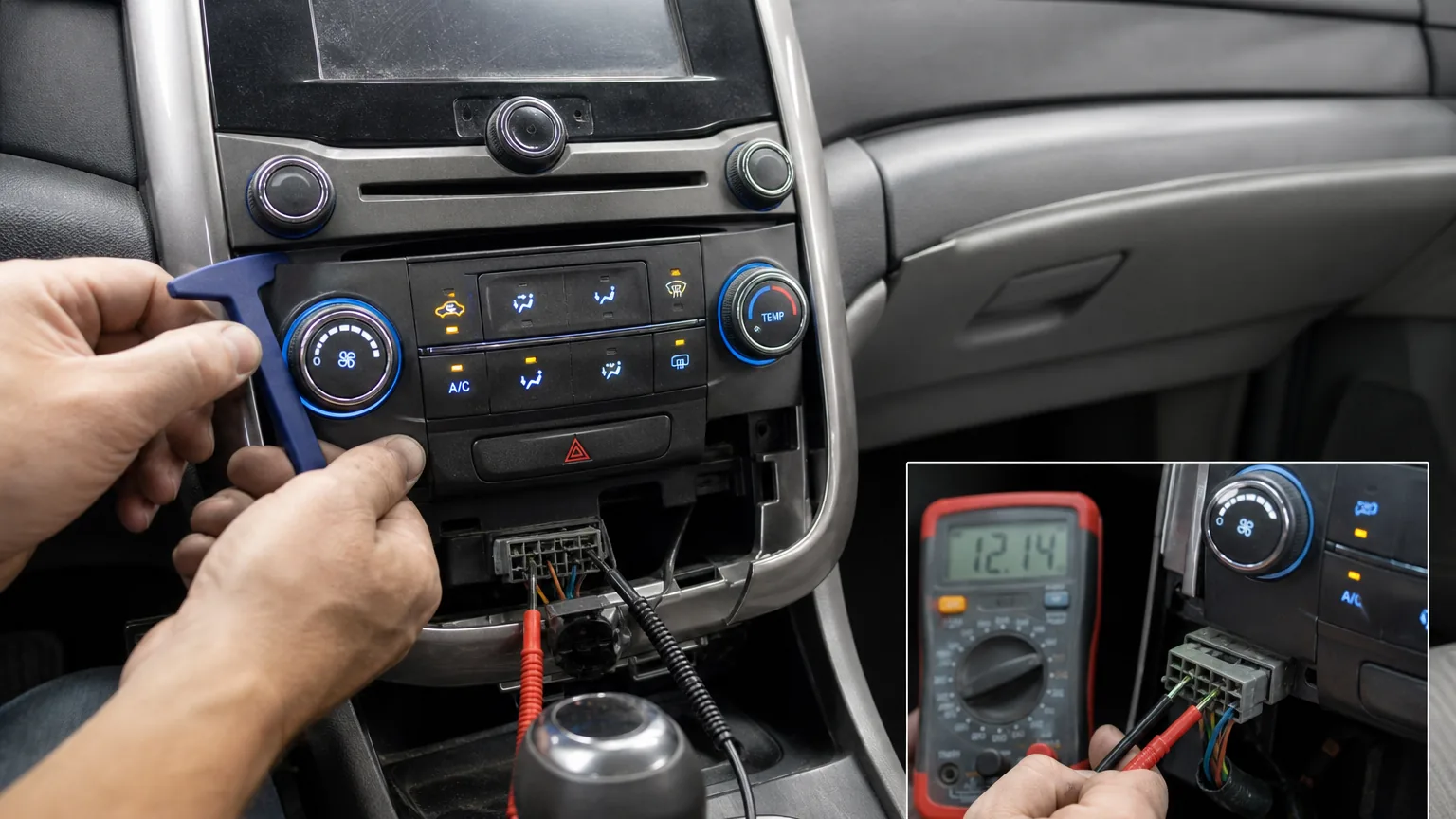
What this part does
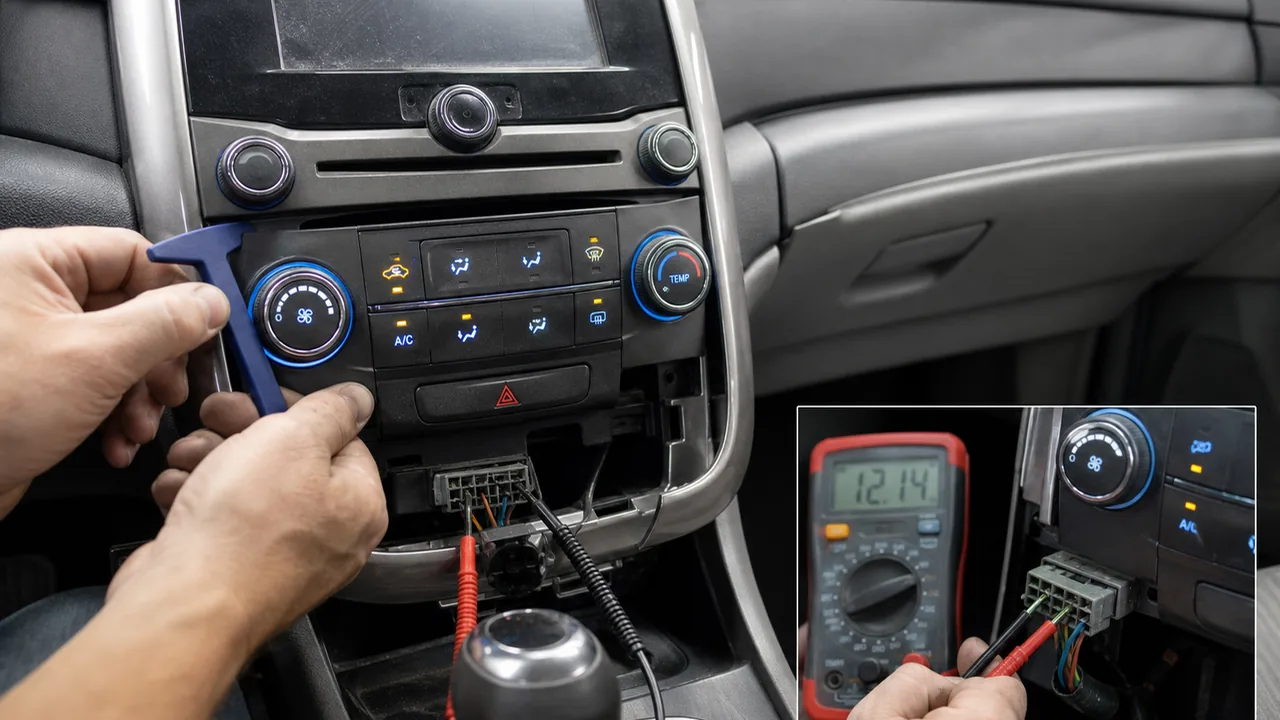
The climate control panel lets the driver request fan speed, temperature, AC operation, recirculation, vent mode, and defrost. On a modern vehicle, that request may pass through electronic control logic rather than directly powering every load from the button itself. That is why a button backlight or display can work while the requested output does not.
The panel still needs a complete electrical path. Power feed, ground, fuse protection, connector integrity, internal control-head electronics, network communication, blower control, and actuator response all have to line up. A failure in any one of those areas can make the console look alive but leave the HVAC system stuck, silent, or only partly responsive.
This distinction is important before buying parts. The visible control head is one part of the path, but the blower motor circuit, blend door actuator, mode door actuator, wiring, grounds, body control communication, and software state can all influence what the driver sees at the panel.
Common failure signs
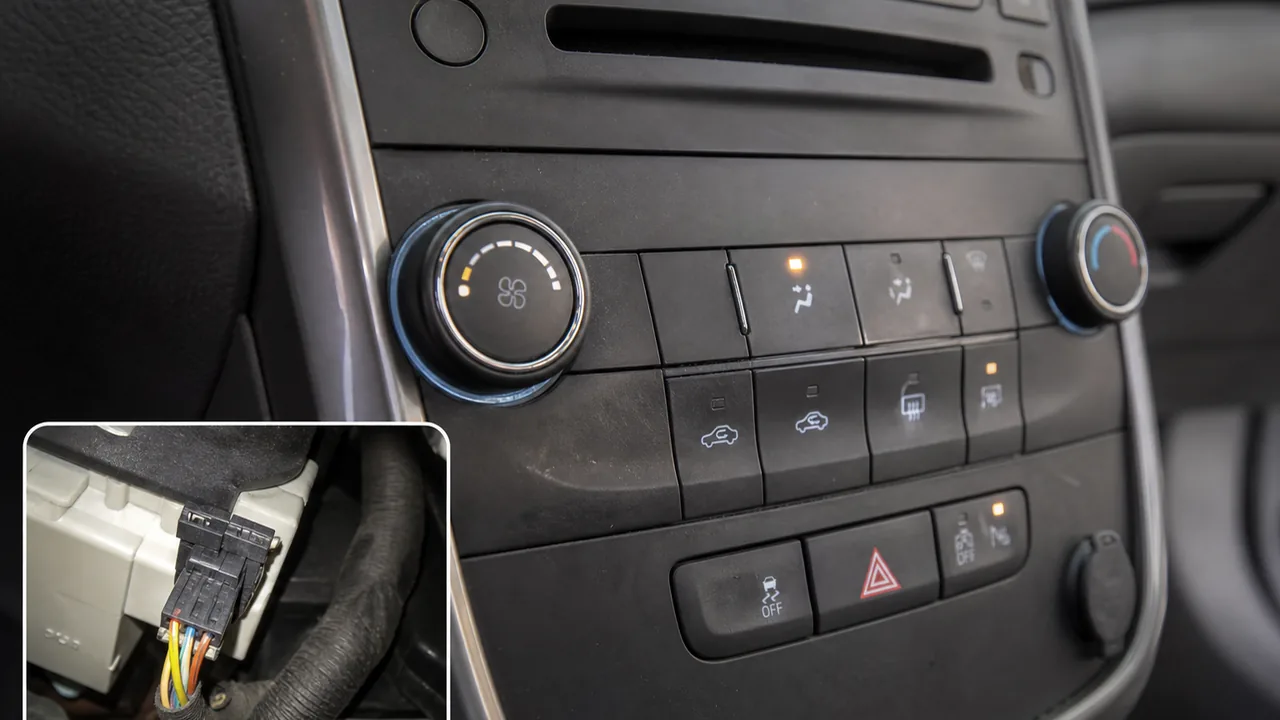
A 2015 Malibu owner may say the HVAC console will not work when the panel lights up but the buttons do nothing, when only some functions respond, or when the panel changes visually while the air does not change. Those are different failure patterns, and each pattern changes the first test.
| No response from temperature, fan, mode, or AC buttons | Control head, power or ground path, module communication, or connector issue | Confirm whether any HVAC function responds and scan body/HVAC modules |
| Intermittent response or failure after bumps | Loose connector, damaged harness, weak ground, accident-related wiring movement, or module communication drop | Note when it happens and inspect visible trim-area damage without pulling live circuits apart |
| No blower even though panel lights work | Blower motor, blower control module or resistor path, fuse/circuit issue, command problem, or wiring fault | Check whether any blower speed works and whether other HVAC commands still change |
| Stuck hot, stuck cold, or temperature does not follow the control | Blend door actuator, door binding, command issue, or control-head data issue | Listen and feel for temperature change without forcing doors or actuators |
| Air stays on one vent position | Mode door actuator, mode door linkage, command issue, or HVAC case problem | Check whether panel mode selection changes display only or actual airflow direction |
| Windshield defrost does not work | Mode control, blower delivery, actuator, electrical command, or air distribution fault | Treat visibility risk seriously and avoid relying on the vehicle in fogging conditions |
If the car was recently in an accident, had dashboard work, had water intrusion, or had trim panels removed, connector and harness checks move higher on the list. A replacement control panel that behaves the same way makes a circuit, ground, communication, or downstream-load fault more likely than a simple bad faceplate.
Before replacing it
A compatible scan tool matters because many basic code readers focus on powertrain codes and may not read body, HVAC, or communication faults. For this symptom, the useful information may be in module communication status, HVAC-related diagnostic trouble codes, switch data, command data, or output-control tests. The article should not list unverified model-specific codes; the correct code set depends on the actual scan result and service information.
Ranked causes to consider
- Control head fault: plausible when the panel has verified power and ground, communicates incorrectly, fails input data checks, or does not send commands after other circuits are confirmed.
- Power or ground issue: still possible even when lights work because illumination power is not the same as a fully verified operating circuit.
- Fuse or circuit protection issue: a fuse may feed one part of the system while another related circuit remains open, weak, or intermittently loaded.
- Communication fault: the panel or HVAC logic may not exchange commands with the body network or related modules even though the display appears alive.
- Blower circuit fault: a dead blower can make the console seem useless when the real failure is in the blower motor, control module, resistor-style control path, connector, or wiring.
- Actuator fault: a blend door or mode door actuator can leave temperature or airflow direction stuck while the panel still accepts button input.
- Connector or wiring fault: accident repair, dashboard movement, corrosion, spills, or harness strain can interrupt the system without leaving an obvious blown fuse.
The important diagnostic split is input versus output. If the panel never registers commands, the control side is suspect. If the panel registers commands but the blower, doors, or AC request do not respond, the downstream circuit or actuator path becomes more important.
If only AC temperature adjustment is unreliable in mild weather, the issue still deserves diagnosis but may be manageable for a short period. If the windshield cannot be cleared, the blower is unreliable, or air distribution is stuck away from defrost, the vehicle may become unsafe in rain, cold, humidity, or sudden fogging.
- Treat smoke, burning smell, hot plastic smell, or melted connector evidence as urgent.
- Do not keep replacing fuses if the same fuse fails again; repeated failure suggests a circuit fault.
- Do not bypass fuse protection to make the HVAC system run.
- Do not ignore defrost failure if the vehicle is driven in conditions where glass can fog.
- Stop using the affected circuit if operation changes after bumps, trim movement, or dashboard vibration.
A previous collision or restoration work adds another caution. Harness routing, grounds, connector seating, and module communication can be affected by impact damage or repair work even when the dashboard looks assembled and the panel lights are on.
Inspection steps
If the HVAC panel has power but does not respond, the fault is usually in the control head, communication, or software path, and a 2015 Chevy Malibu HVAC console with lights or display power is not proven healthy by illumination alone. The immediate risk is loss of reliable heat, AC, blower, vent mode, or windshield defrost control when the system cannot accept or pass commands. This is not normal; investigate soon, and treat it as urgent if defrost is lost or any electrical smell, smoke, melted plastic, or repeated fuse failure appears.
First, write down exactly which functions respond and which do not: fan speed, temperature change, AC request, recirculation, vent mode, rear defogger if equipped, and front windshield defrost. That symptom map matters because a dead-looking command panel, a blower-only problem, and a stuck temperature door can feel similar from the driver seat but point to different parts of the system.
The owner-language version of this problem is often: the console is getting power, fuses look checked, a battery disconnect did not fix it, and even a replacement panel did not change the behavior. When that happens, the missed issue is often not the visible faceplate alone. A weak ground, damaged connector, open circuit, module communication issue, body wiring problem, or load-side fault can leave the panel lit while the HVAC system still ignores commands.
- Confirm the exact symptom instead of saying only that the console does not work.
- Check only owner-safe fuses and fuse locations using the owner manual before deeper testing.
- Note whether the blower, AC, heat, vent mode, recirculation, and windshield defrost respond.
- Scan the body and HVAC modules with a compatible tool before replacing another panel.
- Escalate the diagnosis if the issue began after accident repair, water intrusion, trim removal, or an intermittent dashboard power event.
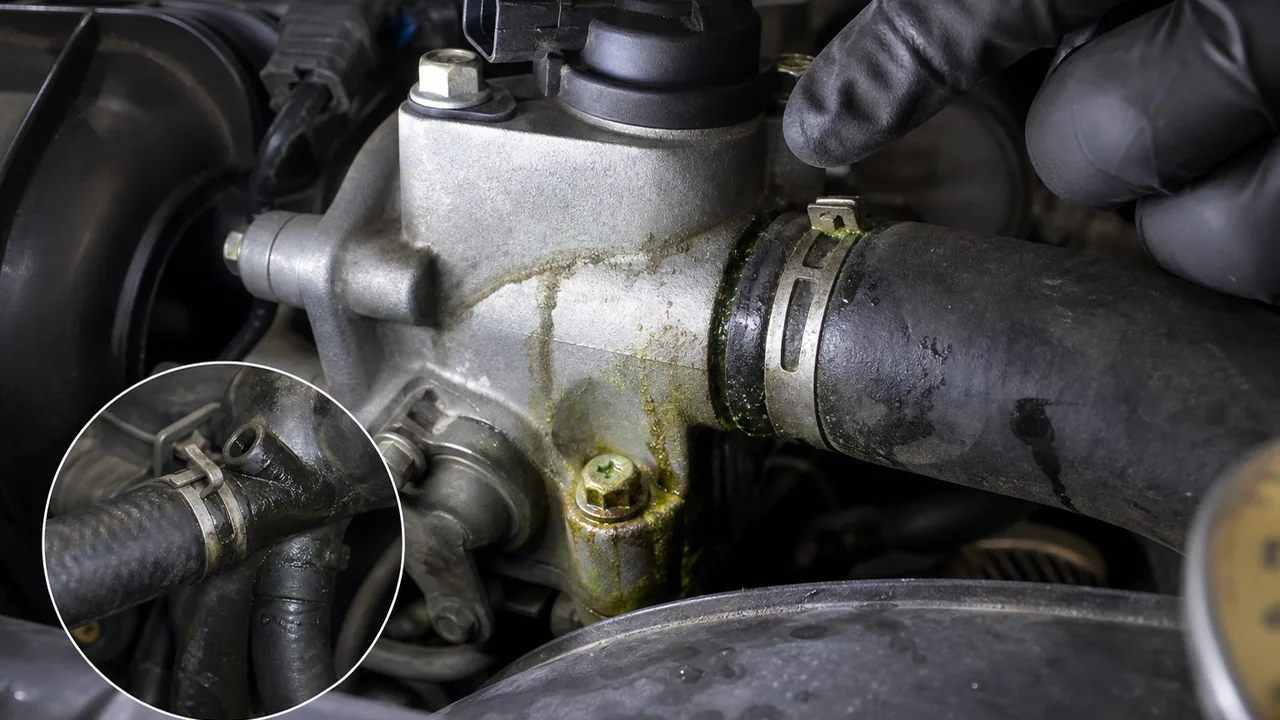
Owner checks should stay observational and non-invasive. A Malibu owner can restart the vehicle, confirm whether the symptom changes with ignition state, check the owner manual for relevant fuse guidance, look for spilled liquid or obvious panel damage, and record whether blower, heat, AC, mode, recirculation, and defrost respond. Avoid probing live wiring, bypassing fuses, jumping circuits, or guessing at connector pins without service information.
- Restart the vehicle and confirm whether the panel wakes up, freezes, or stays unresponsive.
- Check owner-manual fuse locations and labels only as a basic maintenance check.
- Look for sticky buttons, spilled liquid, broken trim, loose visible connectors, or signs of previous dashboard repair.
- Note whether front defrost works, because that changes urgency.
- Record whether the blower is dead, stuck on one speed, or working while mode or temperature is stuck.
Technician diagnostic flow
- Confirm the customer symptom with the vehicle configured the same way it fails, including ignition state and all affected HVAC functions.
- Use service information to identify the correct circuit layout for the exact trim and HVAC control type.
- Verify power, ground, and fuse-fed circuits under load rather than relying only on a quick light or continuity check.
- Check scan-tool communication with body and HVAC-related modules and review any stored, current, or history faults.
- Watch module data while pressing panel controls to see whether button inputs are recognized.
- Use output controls when supported to command the blower, mode doors, blend doors, AC request, and related outputs.
- Inspect connectors for loose terminals, corrosion, heat damage, water evidence, or accident-related harness strain.
- Isolate load circuits such as blower control and actuators if commands are present but movement or airflow does not happen.
- Verify the repair by confirming every affected HVAC function, especially windshield defrost, after the fault is corrected.
Voltage drop testing, connector pin checks, and module command testing should follow current service information. This article intentionally avoids exact pins, wire colors, fuse numbers, and thresholds because those details must be verified against the correct repair data before testing.
Before buying a used control panel, compare the existing part marking, connector count, button layout, HVAC feature set, and donor vehicle application. A panel that looks close may not be correct if the vehicle uses a different trim, option package, or control strategy.
- Verify the existing part number or marking before shopping.
- Inspect used connectors for bent pins, corrosion, heat marks, missing tabs, or liquid damage.
- Avoid parts from vehicles with dashboard fire, flood evidence, or heavy front interior damage.
- Confirm return terms before buying electronic HVAC parts.
- Check whether installation requires setup, calibration, or programming for the exact vehicle.
If the original and replacement panels both show the same failure, pause before buying another one. That repeat result is a strong reason to test the vehicle side of the circuit, communication path, blower control path, and actuator response.
Use related HVAC and electrical guides to narrow the problem without turning this console symptom into a generic AC complaint. If the panel accepts inputs but the air is wrong, actuator and blower guides may help. If the panel does not communicate or another dashboard display drops out, electrical diagnosis is the stronger route.
- Use a Chevy Malibu electrical diagnosis guide when the symptom changes after bumps, accident repair, or other dashboard electrical behavior.
- Use HVAC blower motor symptoms when no air moves even though the panel appears to change settings.
- Use blend door actuator symptoms when temperature or vent mode is stuck while the panel still responds.
- Use car AC not blowing cold when the panel works but cooling performance is weak.
- Use a dashboard fuse box guide only for safe owner-level fuse identification and inspection.
- Use a diagnostic trouble code scan guide when body or HVAC module data is needed before parts replacement.
Replacement notes
Replacement becomes more reasonable when service-information checks confirm the correct power and ground paths, scan data shows the control head is not registering inputs or communicating correctly, and downstream blower or actuator circuits can respond when commanded independently. Without that proof, a new or used panel may repeat the same failure.
After any replacement, the repair is not verified until the system responds through the full range of requested functions: blower speeds, temperature change, mode selection, AC request, recirculation, and windshield defrost. If setup, calibration, or programming applies to the exact part and trim, that should be handled using current service information.
Do not assume every 2015 Malibu trim uses the same HVAC control layout or service procedure. Confirm the existing part, connector configuration, and repair information before buying or installing electronic HVAC parts.
FAQ
Can a 2015 Chevy Malibu HVAC console have power and still be bad?
Yes, but the same symptom can also come from power, ground, communication, wiring, blower, or actuator faults.
Does a working display mean the fuses are good?
No. Illumination does not prove every HVAC circuit is powered and grounded correctly.
Should I replace the HVAC control panel first?
Only after testing supports it. Intermittent or multi-function failures deserve scan-tool and circuit diagnosis first.
Can a basic code reader find this problem?
A basic reader may miss body or HVAC module faults, so a compatible scan tool is preferred.
Is it safe to drive if the defrost does not work?
Defrost loss can become a visibility hazard and should be handled promptly.
Comments
Be the first to add a practical repair note or follow-up question.