
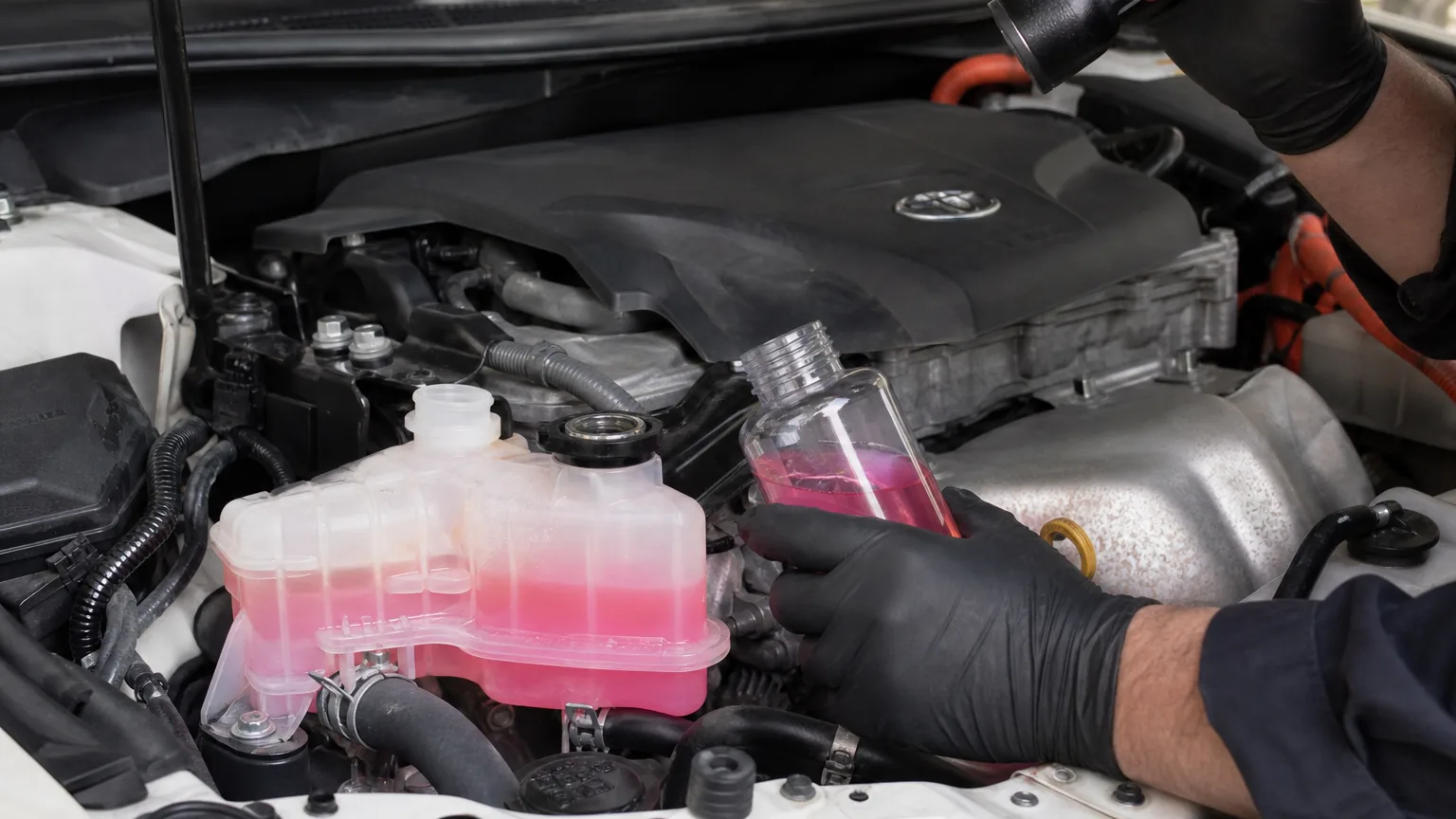
What this part does
The coolant's job is to move heat and protect the cooling passages while staying chemically stable inside the vehicle's cooling circuits. Toyota's owner information for this model calls for Toyota Super Long Life Coolant or a similar high-quality ethylene glycol-based coolant with the specified long-life hybrid organic acid technology family.
That chemistry matters because corrosion protection, seal compatibility, and long-term stability come from the additive package, not from the dye. A top-off may look minor, but repeated or incorrect additions can dilute protection, shorten service life, or hide a leak that should be found.
- The engine cooling circuit controls engine temperature and cabin heat support.
- The power control unit or inverter-related cooling side helps manage hybrid electronics heat where equipped.
- Reservoir markings are checked cold because coolant expands and contracts with heat.
- The cap, hoses, radiator, water pump, thermostat, and reservoir all affect whether the level stays stable.
Common failure signs
Common failure signs often show up before a driver sees a full overheat event. The Camry Hybrid owner should watch for level movement, residue, smell, or warning behavior because those clues separate a simple top-off from a repair need.
- Coolant level on or below the low mark when the vehicle is cold.
- Pink, white, or chalky residue around hose ends, radiator seams, the reservoir, or the water pump area.
- Sweet coolant smell after parking.
- Damp splash shield or wet undertray with no clear source from above.
- Temperature warning, heater performance changes, steam, or visible bubbling in a reservoir.
- Hybrid warning messages or cooling-related warning lights.
- Coolant level drops again after being corrected.
Normal small variation between hot and cold marks is expected, but repeated cold-level loss is not something to dismiss. If the level keeps falling, find the cause before adding more fluid again.
Before replacing it
Before replacing anything, separate three questions: Is the coolant type correct, is the system losing coolant, and is either cooling circuit showing warning behavior? Those answers decide whether the next step is a simple compatible top-off, a coolant exchange, or mechanical diagnosis.
- Verify the existing coolant type from service history or trusted labeling, not just color.
- Check both cold reservoir marks if applicable.
- Inspect for residue and wetness before cleaning anything away.
- Do not add stop-leak as a shortcut for diagnosis.
- Do not flush or replace parts without knowing whether incompatible coolant, air, or a leak is the real concern.
Publisher verification note: confirm final Toyota coolant naming and service wording against Toyota owner information at https://www.toyota.com/owners/warranty-owners-manuals/vehicle/camry-hv/2017/ and review the supplied owner-question context at https://mechanics.stackexchange.com/questions/102203/is-it-safe-to-top-off-toyotas-pink-engine-coolant-anti-free-with-prestone-yello before publication.
Inspection steps
Toping off Toyota pink coolant usually means adding Toyota pink Super Long Life Coolant or a confirmed Toyota-compatible coolant that matches the vehicle's required chemistry; color alone is not a safe specification. The first check is the cold reservoir level and the label on the coolant bottle, because repeated loss or warning lights move this from normal top-off to cooling-system diagnosis.
For a 2017 Camry Hybrid, this is not normal if the level keeps falling; investigate soon, and treat overheating, temperature warnings, hybrid-system warnings, steam, or active coolant loss as urgent. First action: check the reservoir only when the hybrid system is cold, then add the correct coolant to the marked range if the type is known.
- Safest normal add: Toyota pink Super Long Life Coolant.
- Acceptable alternative: a high-quality coolant that clearly states Toyota compatibility and matches the required ethylene glycol, long-life hybrid organic acid technology family.
- Do not rely on: pink color, universal marketing claims, or an unlabeled jug in the garage.
- Emergency compromise: a small amount of distilled water may be safer than driving low, but the mixture should be checked and corrected afterward.
Do not open a hot pressure cap or keep driving with a rising temperature warning. If the coolant type is unknown, the level drops again, or the wrong coolant may have been added, move to diagnosis instead of repeated top-offs.
Pink coolant color can indicate Toyota-style coolant, but it does not prove the fluid matches Toyota's required chemistry. Manufacturers can dye different coolant formulas similar colors, and some universal coolants use broad compatibility wording that still deserves verification against the vehicle requirement.
The practical rule is simple: match the specification, not the dye. If the bottle does not clearly say it is suitable for Toyota applications requiring this coolant family, do not treat it as a safe routine top-off just because it is pink, red, yellow, or labeled for many vehicles.
| What you see | What it tells you | What it does not prove |
|---|---|---|
| Pink fluid in the reservoir | The vehicle likely has Toyota-style pink coolant or a similar previous fill | That every pink coolant is safe to mix |
| Universal coolant label | The maker is claiming broad application coverage | That the coolant preserves Toyota SLLC service characteristics |
| Unknown old bottle | Only that someone kept coolant nearby | That the fluid is clean, correct, or safe for this car |
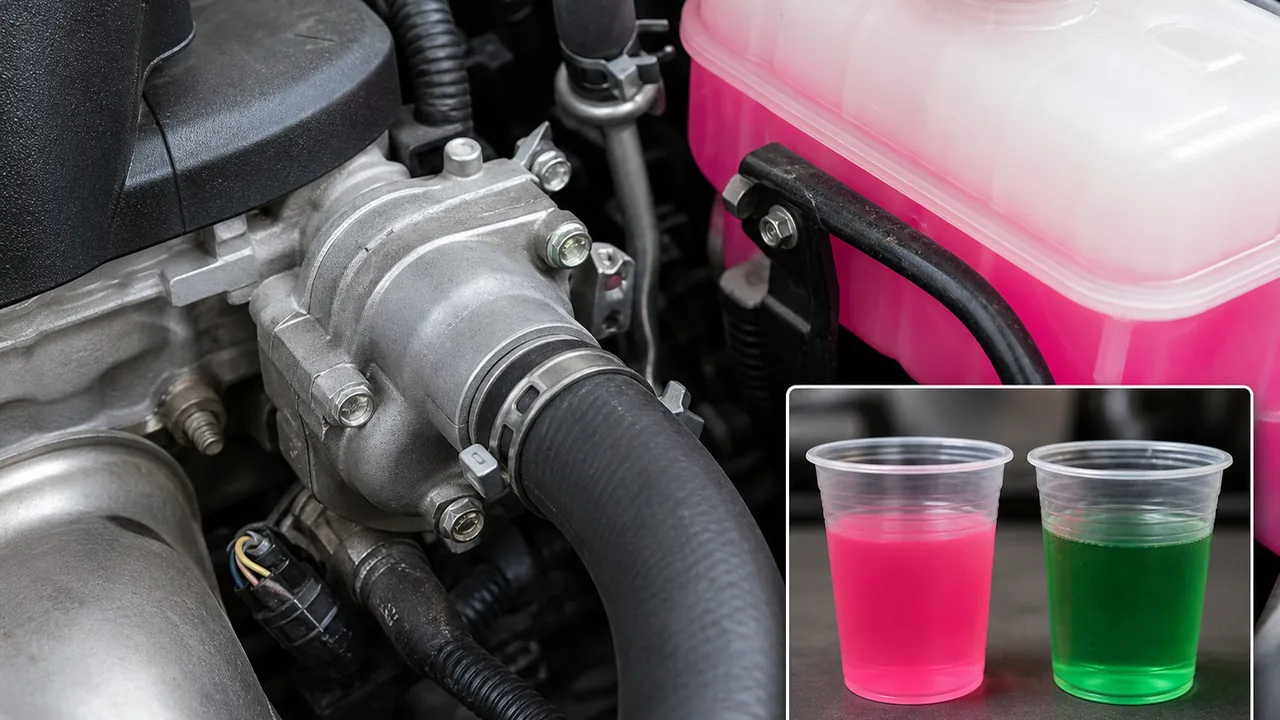
Toyota pink coolant should be topped off with Toyota Super Long Life Coolant or a verified Toyota-compatible equivalent. If a universal coolant claims broad use but does not clearly match the Toyota requirement, the conservative answer is to wait, source the correct fluid, or use distilled water only as a short emergency measure.
- Avoid green coolant unless the exact formula is confirmed compatible.
- Avoid orange coolant unless the exact formula is confirmed compatible.
- Avoid yellow universal coolant for routine top-off unless the product documentation specifically supports Toyota compatibility for this application.
- Avoid unlabeled, old, mixed, or previously opened mystery coolant.
- Avoid mixing based only on the words long life, extended life, or all makes.
If the wrong coolant has already been added, do not panic or keep experimenting. Record what was added, avoid further mixing, and plan a coolant inspection or exchange based on the amount added, current condition, and whether symptoms are present.
In an emergency, a small distilled-water top-off is usually safer than continuing to drive with coolant below the safe reservoir range, provided there are no overheating symptoms, steam, warning lights, or obvious leaks. The goal is to get out of a low-fluid situation, not to create a new normal service fill.
- Let the vehicle cool fully before checking the reservoir.
- Confirm whether the low level is in the engine coolant reservoir or the power control unit coolant reservoir.
- Add only enough distilled water to bring the cold reservoir back into the marked range if correct coolant is unavailable.
- Drive only as needed and monitor for temperature warnings, smell, steam, or rapid level loss.
- Have the coolant strength and mixture corrected with Toyota-compatible coolant as soon as practical.
Do not use tap water for planned service, and do not treat repeated distilled-water top-offs as maintenance. Repeated loss means the system is asking for leak diagnosis, cap testing, or cooling-circuit inspection.
The owner-safe move is to identify which reservoir is low before adding anything. The engine coolant reservoir and the power control unit coolant reservoir use marked cold ranges, and the fluid choice still needs to match Toyota-compatible coolant chemistry rather than color alone.
- If only the engine coolant reservoir is slightly low and the coolant type is known, top off with the correct coolant and recheck after driving.
- If the power control unit coolant reservoir is low, treat it with extra caution because hybrid electronics cooling is involved.
- If any temperature, hybrid-system, or inverter-cooling warning appears, stop guessing and have the system inspected.
- If both reservoirs are low, look for external leaks, prior service mistakes, or a broader cooling-system problem.
Claims about detailed hybrid cooling layout or service procedure should be verified against Toyota service information before publication or repair. Owner checks should stay limited to cold reservoir level, visible leaks, and warning-light response.
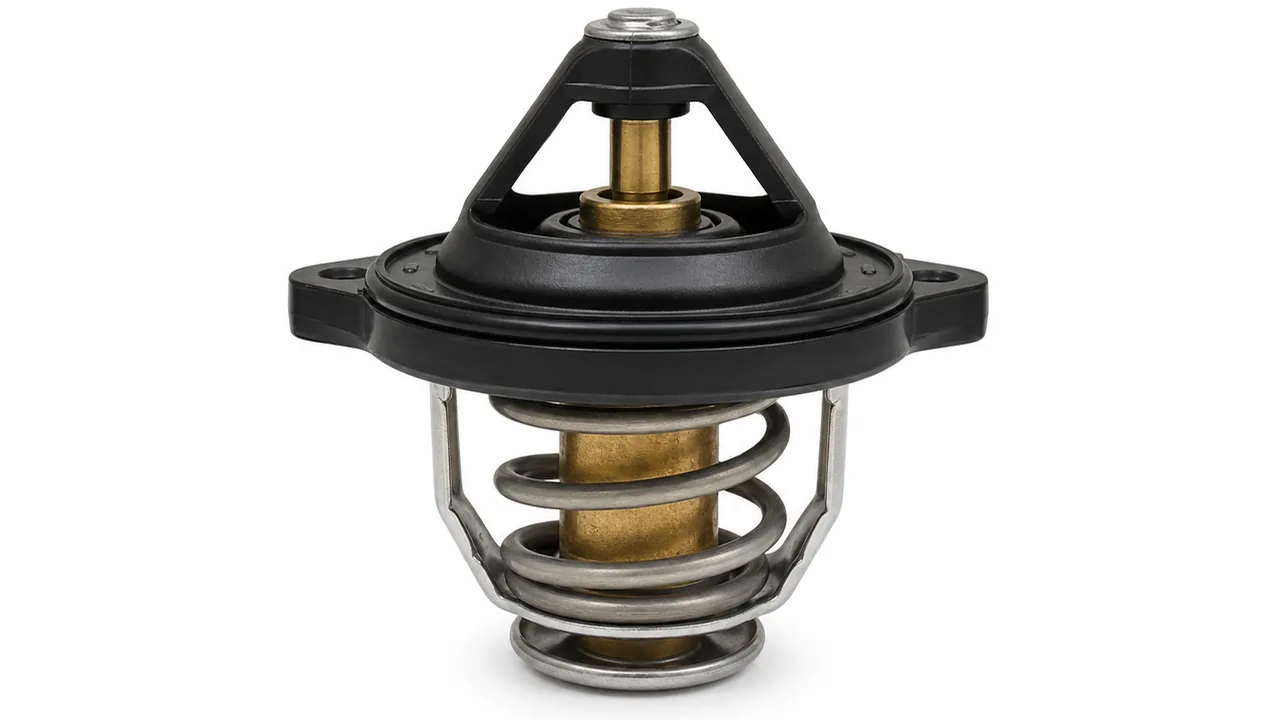
The most useful ranking is practical, not absolute. Begin with the parts that commonly leave evidence and can be inspected without disassembly, then escalate when the coolant drops with no visible trail or when warnings appear.
| Ranked suspect | Why it fits | What usually confirms it |
|---|---|---|
| External seep at hose, clamp, radiator, or reservoir | Small coolant losses often leave residue before they leave puddles | Crust, dampness, odor, or dye/pressure-test evidence |
| Pressure cap or reservoir issue | A weak cap or damaged reservoir can affect recovery and level stability | Cap test, damaged seal, overflow evidence, or repeated level shift |
| Water pump seepage | Pump seals can leak gradually and leave colored residue nearby | Residue or wetness at the pump area after inspection |
| Radiator or heater-side leak | Small leaks may hide behind covers or drip only when hot | Pressure test, undertray wetness, or coolant smell |
| Prior service mix-up or incorrect fluid | The level may be corrected with the wrong chemistry or left underfilled | Service history, unknown fluid, color change, or label mismatch |
| Internal or hard-to-see cooling fault | Less visible but more serious when no external leak is found | Professional testing, overheating signs, exhaust-gas checks where appropriate |
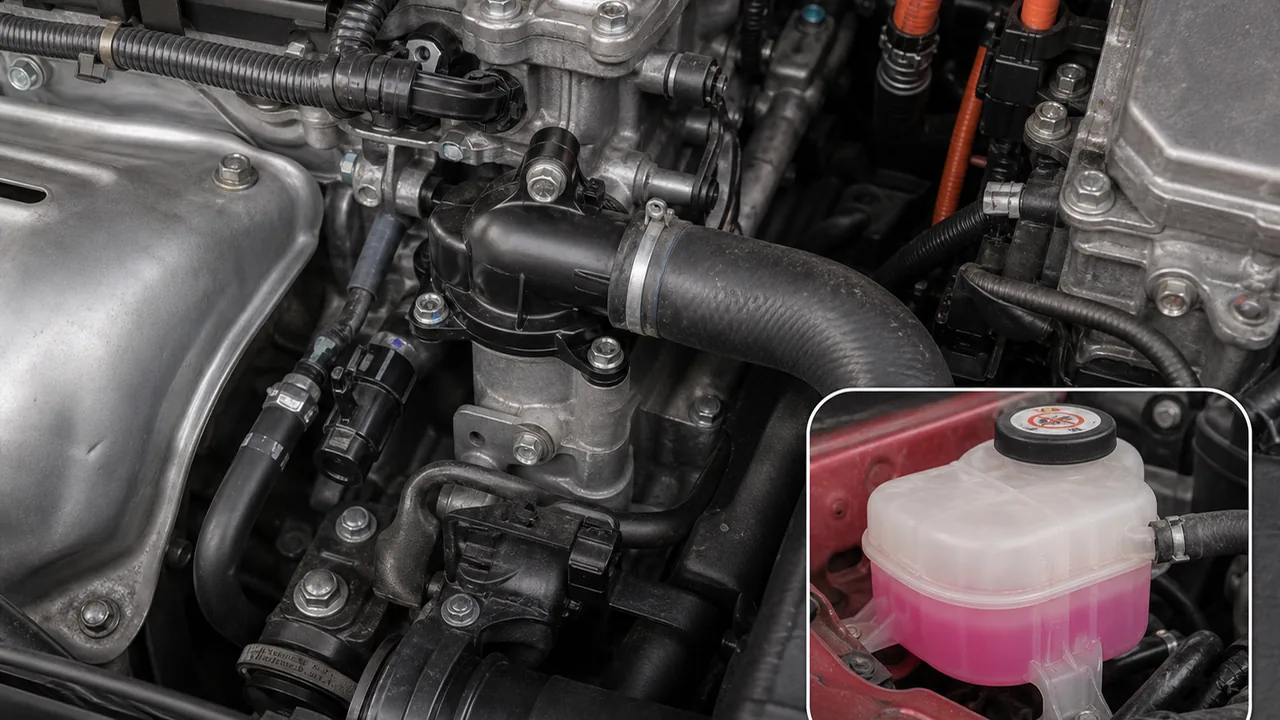
Inspection should be orderly because coolant problems can look similar from the driver's seat. A low reservoir, a weak cap, an external seep, trapped air, incompatible coolant, and a circulation issue can all start with the same owner complaint: the coolant looks low.
- Let the vehicle cool fully and park on level ground.
- Identify the correct reservoir and read the cold marks.
- Look for residue around hoses, radiator seams, reservoir, cap area, pump area, and undertray.
- Check for sweet smell, wet spots, warning lights, or recent service history.
- Top off only with Toyota-compatible coolant if the fluid type is known and no urgent symptoms are present.
- Recheck the cold level after normal driving and cooling.
- Escalate to technician testing if the level drops again, the fluid type is unknown, or warning lights appear.
- Technician checks: pressure test, cap test, coolant concentration and condition test, leak tracing, radiator and hose inspection, pump and thermostat evaluation, and hybrid cooling inspection if warnings or reservoir loss point there.
- Owner stop points: overheating, steam, fast coolant loss, hybrid warning, visible active leak, or a reservoir that drops again soon after top-off.
For a coolant top-off issue, the first purchase should usually be correct coolant, not a used part. Used radiators, reservoirs, caps, and pumps only make sense after diagnosis confirms a failed component and the replacement can be verified against the vehicle.
- Do not buy opened, unlabeled, or secondhand coolant.
- Check used reservoirs for cracks, staining, damaged necks, and brittle plastic.
- Avoid used pressure caps unless there is a strong reason and they can be tested; new caps are usually the cleaner diagnostic choice.
- Inspect used radiators for crushed fins, corrosion, seam stains, and thread or fitting damage.
- Verify part numbers and hybrid application fitment before buying any used cooling component.
A used part does not solve a chemistry mismatch. If the wrong coolant was added, the fluid condition and system cleanliness need to be addressed before parts buying becomes the main question.
The decision is based on stability and symptoms. A one-time correction with the right coolant is different from repeated low level, active leakage, or warning lights. The more uncertainty there is about fluid type or coolant loss, the smarter it is to move from topping off to inspection.
- Reasonable to monitor: slight cold-level drop, known correct coolant, no warning lights, no smell, no leak evidence, and stable level after recheck.
- Investigate soon: level drops again, residue appears, coolant smell is present, or service history is unclear.
- Stop and seek professional diagnosis: overheating, steam, active leak, hybrid warning, power-control cooling concern, or unknown coolant mixed into the system.
Use an internal coolant inspection or parts-search path rather than repeated guessing. The goal is to protect the engine and hybrid cooling components while avoiding unnecessary parts replacement.
Replacement notes
If the wrong coolant was added, the next step depends on amount, symptoms, and current coolant condition. A very small unknown addition with no symptoms may lead to inspection and monitoring, while a larger incompatible addition, cloudy fluid, overheating, or repeated loss can justify coolant exchange and further testing.
- Use Toyota Super Long Life Coolant or a verified Toyota-compatible coolant for refill or top-off.
- Use a clean funnel dedicated to coolant to avoid contamination.
- Replace caps, hoses, reservoir, radiator, pump, or thermostat only when testing or inspection supports that repair.
- After any repair, verify no leaks, stable cold level, correct reservoir range, and no warning lights.
- If air may have entered the system, use the correct service procedure from Toyota repair information rather than improvising.
Avoid exact capacity, interval, or bleeding-procedure claims unless they are checked against Toyota service information for the exact model and market. Hybrid cooling service should be handled cautiously when warning lights or power-control cooling concerns are present.
FAQ
Can I top off a 2017 Toyota Camry Hybrid with Prestone yellow coolant?
Only if compatibility with Toyota's required coolant chemistry is clearly confirmed by the product documentation.
Are all pink coolants safe to mix?
No. Color does not prove chemistry compatibility.
Is distilled water an emergency option?
Yes, only as a short-term emergency bridge when correct coolant is unavailable and no urgent symptoms are present.

Comments
Be the first to add a practical repair note or follow-up question.