
What this part does
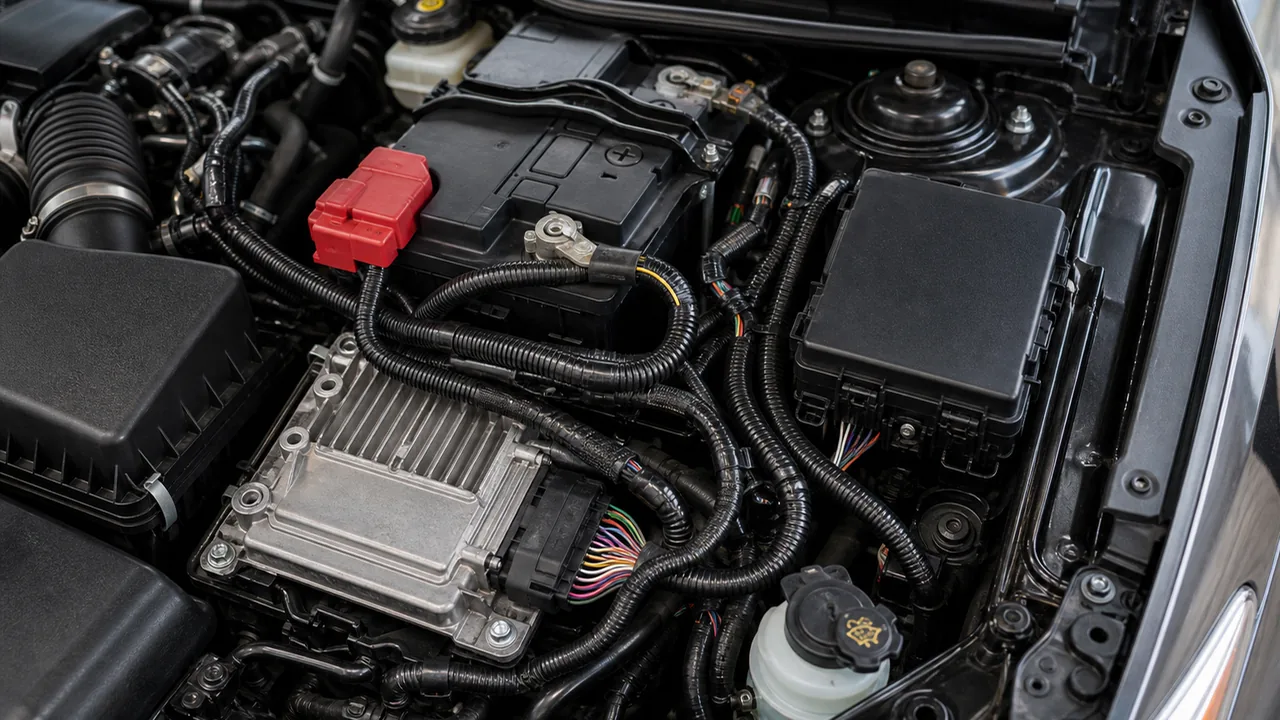
A wiring harness is not just a bundle of wires. It is a routed assembly of conductors, insulation, shielding, seals, clips, connectors, and protective covering designed to keep circuits separated from heat, vibration, moisture, and moving parts.
- Sensor wires carry information such as position, temperature, airflow, oxygen content, speed, or pressure signals to control modules.
- Power and ground wires supply components such as coils, injectors, relays, lamps, pumps, and modules.
- Connector seals help keep moisture and corrosion away from terminals.
- Harness routing keeps wiring away from belts, pulleys, fans, exhaust heat, steering movement, and sharp brackets.
- Protective sleeving helps resist abrasion, but it is not a rodent-proof barrier.
Because the harness is tied into safety, starting, charging, fuel, emissions, and control systems, damaged wiring should be validated before any part is replaced.
Common failure signs
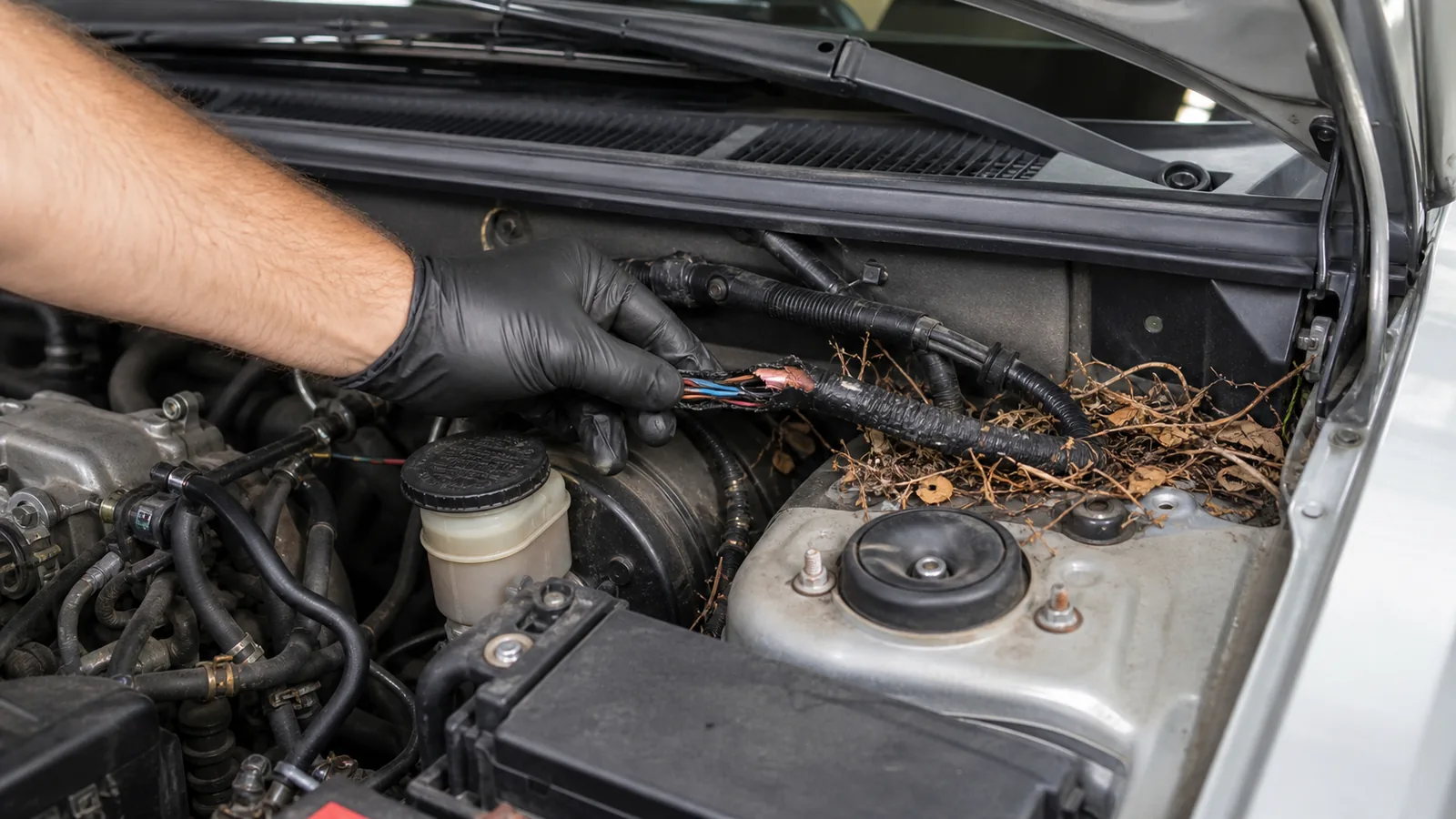
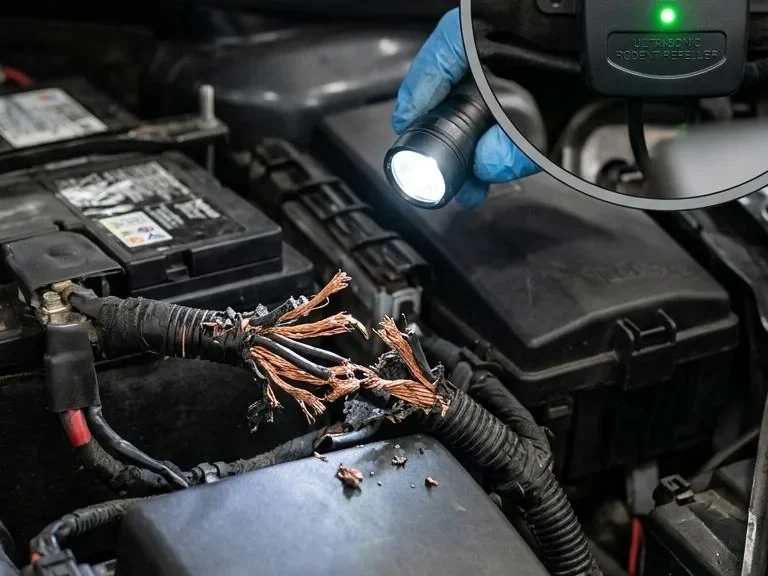
- Chewed insulation, split wire covering, missing tape, or exposed copper.
- Nesting material around engine covers, battery area, fuse box area, air intake spaces, or insulation panels.
- Droppings, urine smell, stored food, shredded paper, leaves, fabric, or insulation pieces.
- Dashboard warning lights that appeared after the vehicle sat.
- No-start, slow crank symptoms, intermittent starting, or sudden stalling.
- Rough running, misfire symptoms, limp mode, poor throttle response, or unusual idle behavior.
- Repeated fuse failures, inoperative lights, non-working accessories, fan faults, or sensor-related messages.
- Smoke, burning smell, hot plastic smell, or signs of arcing, which require immediate caution.
A clean-looking engine bay does not rule out rodent damage. Some wiring damage is hidden behind covers, under loom wrap, inside connector backshells, or along the underside of the harness.
Before replacing it
A scan tool may show a fault for a sensor, heater circuit, injector circuit, communication line, fan circuit, or power supply circuit, but the code is only a clue. The real fault could be a chewed wire, a damaged connector, a blown fuse, a failed component, corrosion, moisture, or a separate electrical issue.
- Use codes to identify which system needs inspection, not to name mice as the cause.
- Compare the codes with visible damage, recent parking conditions, and symptoms after the vehicle sat.
- Inspect fuses and connectors only within owner-safe limits; do not bypass protection or force connectors apart.
- Let a technician confirm power, ground, continuity, connector condition, and repair procedure before replacing parts.
Replacing the part named in a code can waste money if the underlying failure is a chewed wire feeding that part.
The correct repair depends on the circuit, harness routing, connector type, damage location, and vehicle design. A small visible bite mark can be minor in one location and serious in another, especially near heat, moving parts, sealed connectors, or safety-critical systems.
- Check whether the fault appeared after the vehicle sat unused.
- Look for rodent evidence near the affected circuit, not only on top of the engine.
- Do not assume the component named by a diagnostic code is failed.
- Confirm whether any connector body, terminal, seal, shielding, or harness clip is damaged.
- Verify the existing part marking and vehicle-specific information before buying replacement electrical parts.
Inspection steps
Forum-style owner reports often describe the problem as mice gnawing cables under the bonnet, but that wording is a symptom description, not a confirmed diagnosis. The missing context is usually where the car is parked, how long it sits, what nearby food or nesting sources exist, and whether wiring damage has already affected a circuit.
Do not disconnect batteries, unplug modules, or disturb high-voltage components unless the correct vehicle-specific procedure is being followed by someone qualified to do that work.
- Park on a safe, level surface and keep hands clear of belts, fans, hot components, and damaged wiring.
- Let the engine bay cool before opening covers or looking closely.
- Use a bright light and inspect from above first; do not reach blindly into tight spaces.
- Photograph signs of droppings, nests, chewed insulation, damaged connectors, and warning lights.
- Look for repeated evidence near the same routing path, because scent trails can bring rodents back.
- Stop the inspection if you see exposed conductors, burnt smell, smoke, damaged high-voltage cabling, or wiring near safety systems.
- Use the photos, warning lights, and symptom notes when comparing internal guides or discussing the fault with a technician.
Avoid pressure washing, soaking connectors, spraying strong chemicals, or using tools to scrape near wiring. Cleaning should not create a new electrical fault.
- Remove food sources near the car, including pet feed, bird seed, stored grain, rubbish, dropped food, and open compost.
- Clear nesting material such as leaves, cardboard, fabric, paper, insulation scraps, and dense garage clutter.
- Move the vehicle or rotate parking when possible, especially if one area repeatedly shows rodent activity.
- Use traps around the storage area where legal, safe, and appropriate, keeping them away from children, pets, and vehicle moving parts.
- Use approved rodent-deterrent harness tape or protective covering only where it is compatible with the vehicle area and does not trap heat, interfere with connectors, or contact moving parts.
- Consider physical exclusion around the storage area, not improvised barriers inside the engine bay near fans, belts, pulleys, exhaust components, steering parts, or hot surfaces.
- Inspect routinely after the car sits, after seasonal storage, or after evidence of rodents in a garage or driveway.
- Keep the bonnet area clean enough that new droppings or fresh chewing are easy to spot.
- Store vehicle records, photos, and warning-light details in one place for repair or insurance review.
- Use a pre-storage vehicle checklist before leaving a car unused for an extended period.
Do not bypass fuses, bridge circuits, twist wires together, use household tape as a permanent repair, or hide exposed copper under extra wrapping. Those actions can turn a rodent problem into a larger electrical and safety problem.
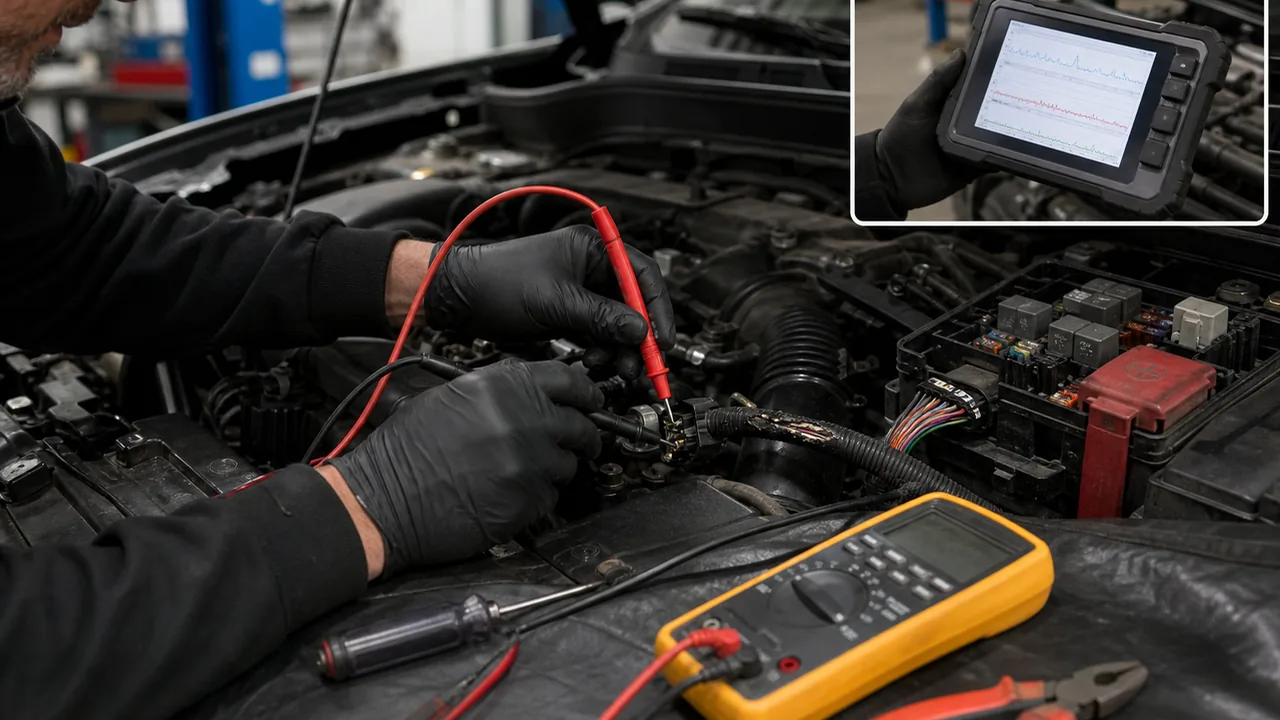
- Record symptoms and visible evidence before disassembly.
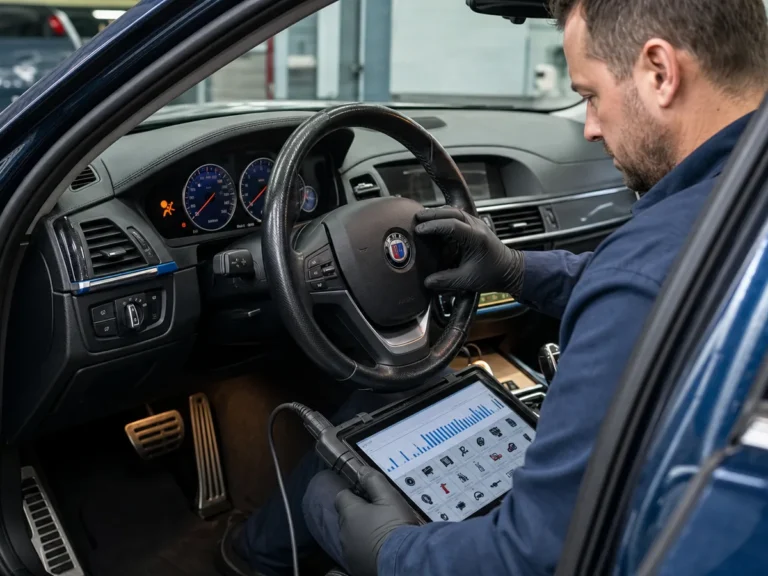
- Scan modules and map codes to affected circuits.
- Check fuses and circuit protection without bypassing them.
- Validate power, ground, continuity, and connector condition according to the circuit design.
- Expose the harness only as far as needed to find the damage and preserve routing.
- Repair or replace wiring using the proper connector, terminal, insulation, sealing, and routing procedure.
- Clear codes only after repair, then confirm that the symptom does not return.
Hybrid and EV high-voltage wiring, orange cables, battery service areas, and safety-critical circuits require trained service procedures. Owner inspection should stop before those areas are disturbed.
- Verify the existing part marking, connector count, pin layout, routing points, and vehicle configuration before buying.
- Avoid used harnesses with cut wires, missing connector locks, corrosion, heat damage, oil saturation, water exposure, brittle insulation, or prior repair splices.
- Check whether the donor part came from a vehicle with the same engine, transmission, emissions equipment, safety systems, and relevant options.
- Inspect connector seals and terminals closely; a clean outer loom can still hide terminal damage.
- Do not buy a used high-voltage hybrid or EV wiring component without qualified verification and proper safety handling.
Used parts may reduce cost, but the risk is wasted labor if the harness does not match or carries hidden damage. Confirm fit and repair strategy before purchase.
- Photograph nesting material, droppings, chew marks, exposed wiring, warning lights, and the parking area.
- Record when the vehicle last ran normally and how long it sat before the fault appeared.
- Keep scan results, inspection notes, repair estimates, parts information, and invoices.
- Ask whether the repairer found isolated damage or wider harness contamination.
- Check policy wording before assuming rodent damage is covered.
- Do not request a generic cost estimate as a final answer without inspection; access and repair method can change the job substantially.
Insurance language should stay factual: rodent damage may be documented with photos and repair findings, but coverage depends on the policy and claim review.
- The car will not start, starts intermittently, stalls, or runs roughly.
- A warning light or electrical message appeared after the vehicle sat.
- Copper is exposed, insulation is missing, or a connector housing is chewed.
- A fuse fails repeatedly or an electrical component works intermittently.
- There is smoke, burning smell, melted-looking insulation, or heat damage.
- Rodent evidence is close to hybrid or EV high-voltage areas.
- Damage is hidden behind covers, inside a loom, near safety systems, or near sealed connectors.
Prepare photos, symptoms, warning lights, DTCs, and recent parking conditions before using an electrical diagnostic path. That information helps separate rodent damage from an unrelated part failure.
Replacement notes
- Minor outer covering damage is different from exposed conductor, terminal damage, melted insulation, or a damaged connector body.
- Connector repair may require correct terminals, seals, locking tabs, and crimping procedures rather than generic hardware.
- Shielded, twisted, communication, safety, hybrid, and EV wiring should not be improvised.
- A full harness may be needed when damage is widespread, hidden, contaminated, or not repairable according to service information.
- After repair, the fault should be verified with visual inspection, circuit checks, scan results, and symptom confirmation.
Do not use prevention tape or extra covering to conceal a damaged circuit. Protection belongs after inspection and repair, not in place of it.
- Clean the parking area and remove food sources before the repaired vehicle returns to the same spot.
- Clear leaves, paper, insulation scraps, fabric, stored cardboard, and garage clutter near the vehicle.
- Inspect the engine bay after the first few parking cycles and again after longer storage periods.
- Use safe traps or deterrents around the storage area rather than placing loose materials inside the engine bay.
- Review vulnerable harness routing with the repairer and ask whether approved protection is suitable for that specific area.
- Keep photos and notes so new damage can be separated from old damage.
If the vehicle is stored outdoors or unused for long periods, prevention should be part of the storage routine, not a one-time cleanup after a failure.
FAQ
Can one spray stop mice chewing car wires permanently?
No. Sprays and scents may reduce risk in some settings, but no single product should be treated as a permanent guarantee. Use cleaning, storage changes, traps or deterrents around the parking area, and proper harness inspection.
Can I tape over chewed wire insulation myself?
Do not use household tape as a repair for chewed wiring. If copper is exposed, a connector is damaged, or a warning light is present, the circuit needs proper inspection and repair with suitable materials and procedures.
Why did warning lights appear after mice were under the bonnet?
Rodent damage can interrupt power, ground, signal, or communication circuits. The warning light points to the affected system, but inspection and electrical testing are needed before blaming mice or replacing parts.
Should I drive if I see droppings but no chewed wires?
If there are no warning lights, no abnormal starting or running, no smell, and no visible wiring damage, inspect and clean carefully, then monitor the vehicle. If any symptom appears, stop treating it as a simple prevention issue.
Are hybrid and EV vehicles different?
Yes. Hybrid and EV high-voltage areas require trained procedures. Do not inspect, touch, or disturb orange high-voltage cabling or battery service areas.

Comments
Be the first to add a practical repair note or follow-up question.