
What this part does
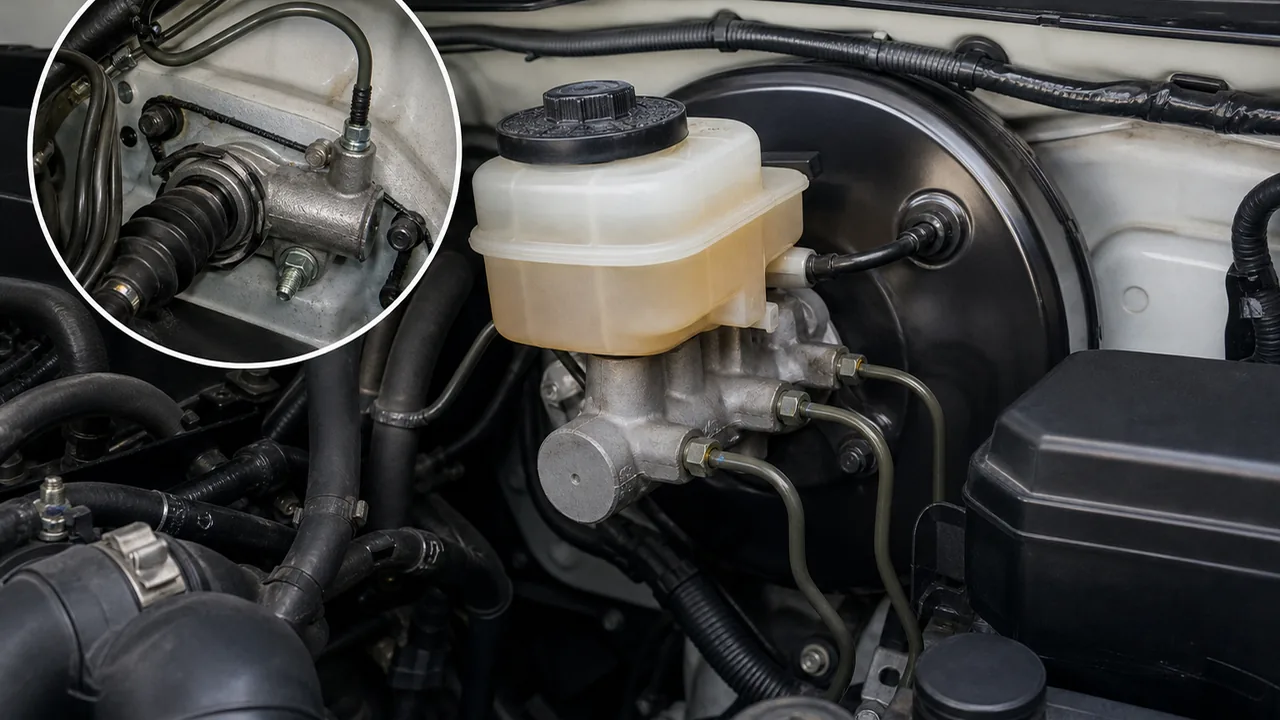
The brake master cylinder is the brake system pressure source. When the brake pedal is pressed, the master cylinder moves brake fluid into the brake circuits so the calipers and wheel cylinders can apply the brakes. The clutch master cylinder is separate in function: it uses hydraulic pressure to move the clutch release mechanism so the manual transmission can shift cleanly.
On many manual-transmission Corolla layouts, the clutch hydraulic system uses brake fluid and may be fed from the brake-fluid reservoir. That shared-fluid relationship must be verified by VIN and OEM repair information for the exact market configuration before publishing a definitive layout claim. Even when the reservoir is shared, the clutch line usually has its own feed path and the brake master cylinder has its own hydraulic outlets.
| Relationship | What it means | What it does not prove |
|---|---|---|
| Same fluid type | The clutch and brake hydraulics may both use specified brake fluid. | It does not prove clutch debris has entered the brake master cylinder. |
| Shared reservoir | Fluid can be stored in one reservoir body or connected reservoir area. | It does not mean the clutch slave cylinder pumps debris through the brake circuits. |
| Separate hydraulic work | Braking and clutch release are different pressure functions. | A clutch failure is not automatically a brake master cylinder failure. |
Toyota owner information for this generation commonly points to DOT 3 brake fluid for the brake system, but the reservoir cap and owner manual for the exact vehicle should be checked before any fluid is added.
Common failure signs
A clutch pedal that gradually becomes soft, loses release after heat or traffic, or makes gears difficult to select often points to air, leakage, internal bypass, or failing clutch hydraulic components. A brake pedal that sinks, feels spongy, or changes after fluid service points toward brake-side hydraulic testing. Fluid color alone belongs in the evidence column, not the verdict column.
| Observed sign | More likely area | What to do next |
|---|---|---|
| Soft clutch pedal with hard shifting | Clutch master cylinder, clutch slave cylinder, line, or air in clutch circuit | Inspect clutch hydraulic components and bleed/service only by the correct procedure. |
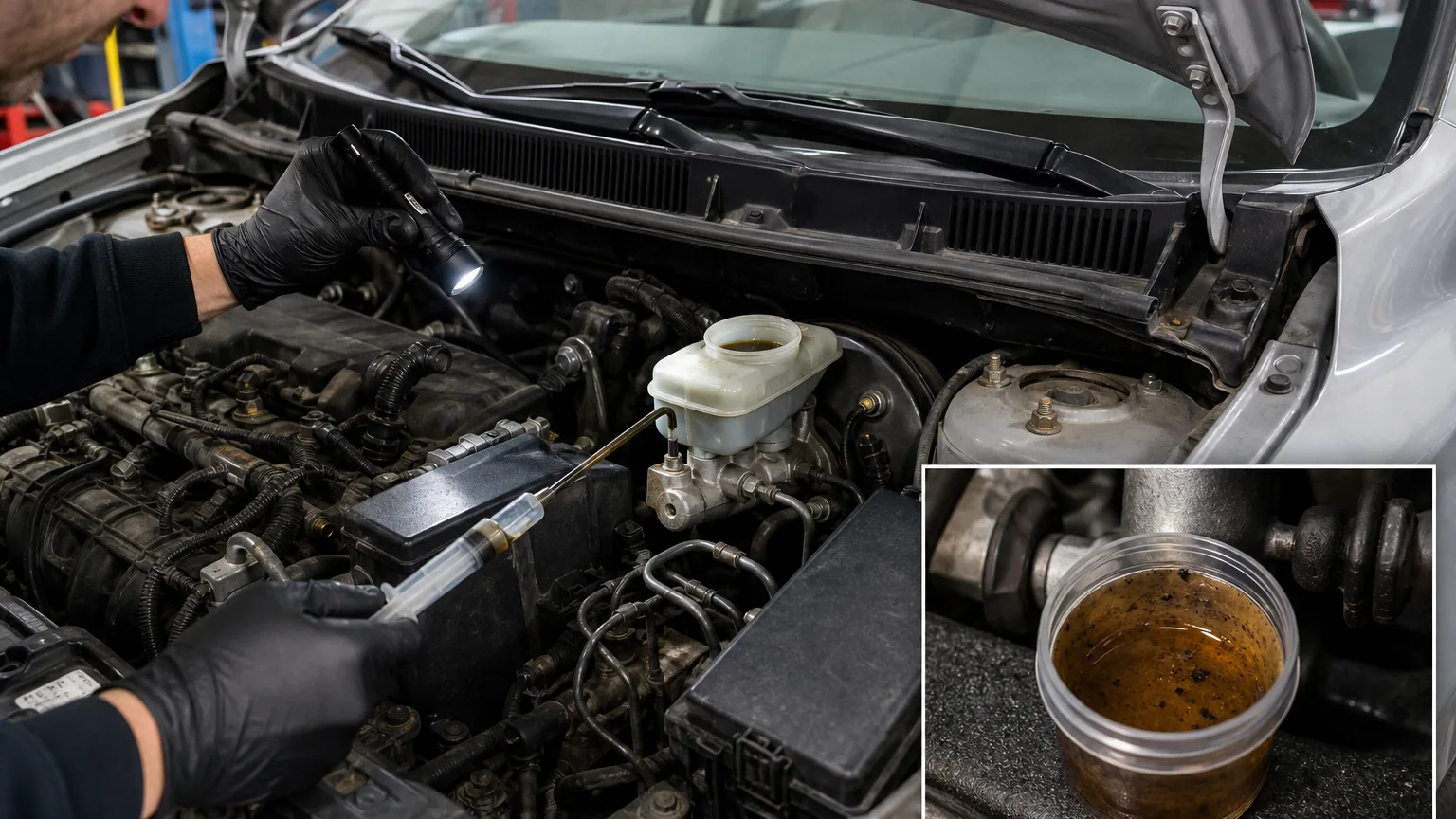
| Normal brake pedal but black fluid in reservoir | Aged fluid, rubber debris, or shared reservoir contamination | Confirm whether debris is only in the reservoir, clutch feed, or brake-side feed area. |
| Soft or sinking brake pedal | Brake master cylinder, brake leak, air, or contaminated brake hydraulics | Stop driving and test the brake system before focusing on clutch-only repair. |
| Brake or ABS warning light | Related brake-system fault or fluid-level concern | Do not assume a DTC proves contamination; inspect the hydraulic system physically. |
Warning lights and DTCs
Hydraulic contamination is usually confirmed by inspection, fluid condition, component condition, and hydraulic testing rather than by a diagnostic trouble code. A scan tool may help if warning lights are present, especially around ABS or brake control faults, but it cannot rule out contaminated fluid, swollen seals, or debris in a reservoir.
Before replacing it
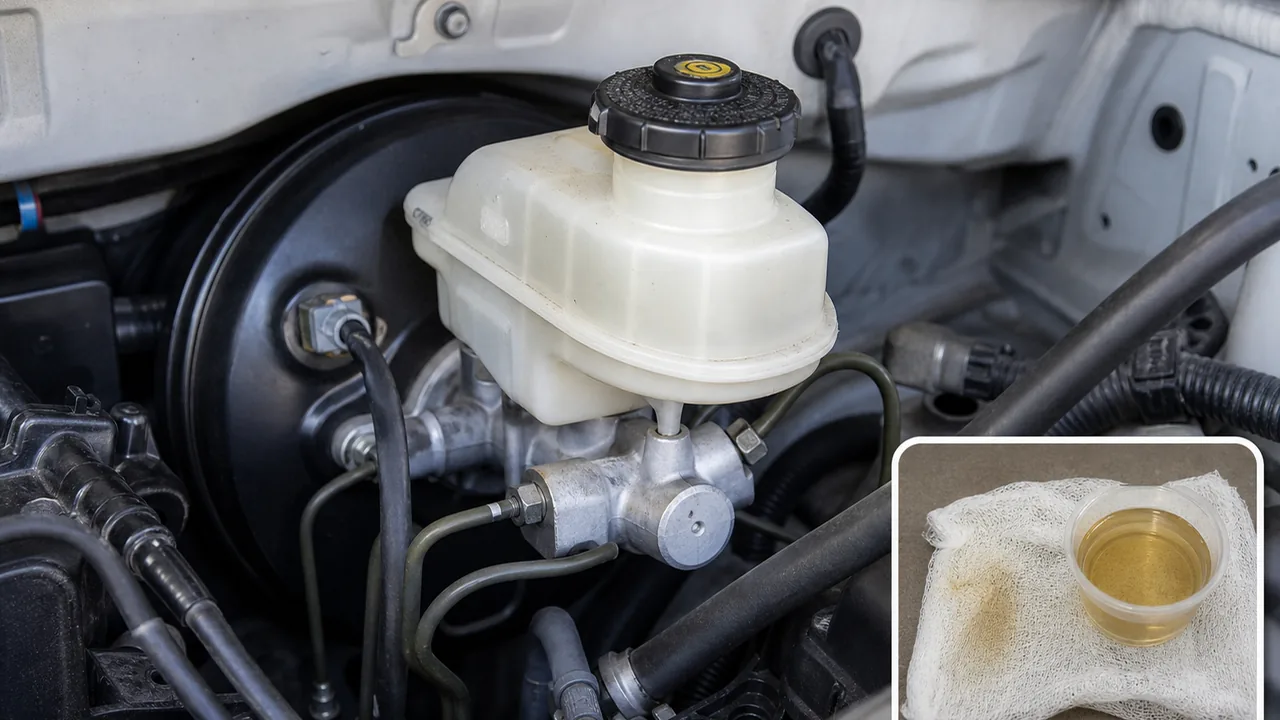
The ranked cause list should start with the least dramatic explanation and move toward the higher-risk one. A 2014 Corolla with a soft clutch pedal, dark fluid, and normal brake pedal most directly points toward clutch hydraulic service and reservoir inspection first. It does not automatically prove the brake master cylinder has failed.
- Normal aging or overdue fluid service that darkened the fluid.
- Moisture contamination from old or repeatedly opened brake fluid.
- Clutch master or slave cylinder wear shedding dark rubber debris into the clutch hydraulic path.
- Previous service contamination from dirt, a dirty funnel, or an open fluid container.
- Wrong fluid added to the reservoir, which is a higher-risk condition for rubber seals.
- Reservoir-wide contamination that reached brake-side feed areas.
- Brake master cylinder internal seal failure, confirmed by brake-pedal testing or inspection evidence.
What owners often miss is the difference between a shared reservoir and a shared pressure circuit. A failed clutch component can discolor fluid and contaminate the reservoir area, but brake master cylinder damage requires a plausible route into the brake master cylinder plus signs of exposure or failure.
Inspection steps
2014 Toyota Corolla clutch hydraulic contamination can indicate damage risk to shared hydraulic components, but clutch-side discoloration alone does not prove the brake master cylinder is damaged. The likely cause family is aged brake fluid, moisture, rubber debris, wrong fluid, or contamination introduced through the reservoir. First action: park the car and have the brake and clutch hydraulic systems inspected if the brake pedal changes, the fluid source is unknown, or black debris is visible.
Contamination means more than dark fluid. It can mean moisture absorbed into brake fluid, fine rubber particles from failing seals, dirt introduced during service, mixed incompatible fluid, or the wrong petroleum-based fluid added by mistake. Clutch-side contamination becomes a brake master cylinder concern only when the contamination can reach the brake master cylinder reservoir feed, brake seals, or brake hydraulic circuits.
A normal brake pedal is useful information, but it is not proof that the brake master cylinder is clean internally. It only means the brake system has not yet shown an obvious pedal or pressure symptom.
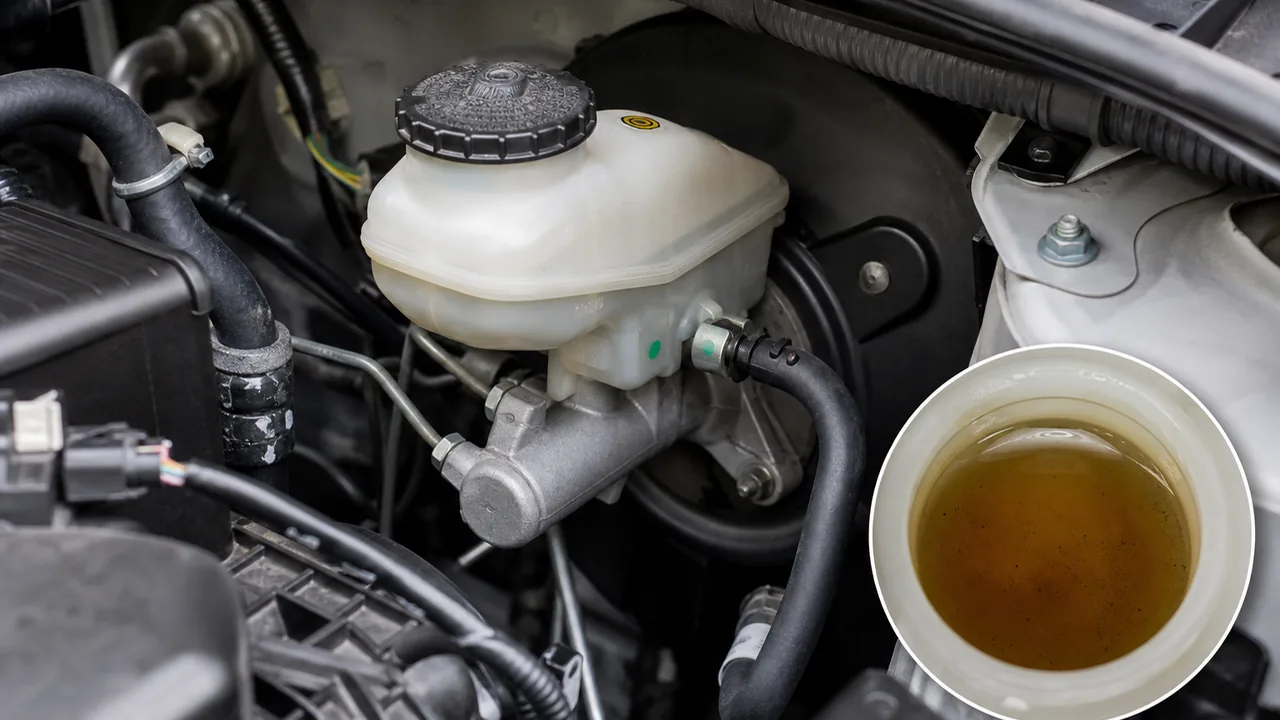
Hydraulic contamination means the fluid no longer matches the clean, compatible fluid the system was designed to use. Darkened brake fluid can come from age and moisture. Black particles can come from deteriorating rubber seals or internal hose lining. Milky or separated fluid can point toward mixed or incorrect fluid. Dirt in the reservoir can come from careless service work or an unclean cap area.
- Moisture contamination can lower brake-fluid performance and promote corrosion inside hydraulic parts.
- Rubber debris can suggest seal or hose breakdown in the clutch master cylinder, clutch slave cylinder, reservoir grommets, or brake hydraulic parts.
- Wrong-fluid contamination is more serious because petroleum-based or incompatible fluid can swell rubber seals and damage multiple components.
- Service contamination can happen when a dirty funnel, open container, or unclean reservoir cap area introduces debris.
- Dark fluid alone may justify fluid service and inspection, but it does not automatically justify replacing every master cylinder.
The practical question is where the contamination was found. Contamination only in the clutch slave bleed stream points first toward clutch hydraulic repair. Contamination floating broadly in a shared reservoir raises concern for both brake and clutch feed areas. Contamination confirmed inside the brake master cylinder, brake lines, or ABS hydraulic unit requires a more conservative brake-side repair plan.
Stop driving if the brake pedal feels soft, sinks while held, travels farther than normal, feels uneven, or the brake warning light appears. A clutch that stops disengaging can leave the car difficult to shift, but a compromised brake hydraulic system can affect stopping control. Wrong-fluid suspicion should be treated the same way because seal damage may not show a full symptom immediately.
- Park the vehicle if brake feel changes after clutch hydraulic work.
- Do not perform road tests to see whether the brakes improve.
- Do not top off with unknown fluid from an old or unmarked container.
- Do not approve brake master cylinder replacement solely from dark clutch fluid without asking where contamination reached.
- Bring photos of the reservoir, recent service receipts, and any fluid container used during the last repair.
If the brake pedal currently works normally, the vehicle still needs inspection when debris or wrong fluid is suspected. Normal pedal feel lowers the immediate evidence of failure; it does not erase the need to confirm whether brake-side seals were exposed.
The safest diagnostic sequence is not to flush first and ask questions later. Flushing can remove visible evidence, while wrong-fluid contamination or swollen rubber may require component replacement. Photograph the reservoir and note pedal symptoms before any service work changes the evidence.
Owner-safe checks
- Look at the reservoir level and fluid appearance without opening hydraulic lines.
- Compare clutch symptoms with brake symptoms: shifting trouble points differently than a sinking brake pedal.
- Check for wetness around the brake master cylinder, clutch master cylinder area, clutch line, and bellhousing area if visible.
- Note whether the brake warning light, ABS light, or low-fluid warning appeared before or after service.
- Avoid adding fluid unless the correct specification is confirmed from the cap or owner manual.
Technician checks
- Verify the exact hydraulic layout with OEM repair information for the VIN, transmission, and market.
- Identify the fluid in the reservoir and ask whether any non-brake fluid may have been added.
- Inspect the reservoir, cap, internal separator or feed areas, grommets, and visible rubber for swelling, softening, or debris.
- Test brake pedal hold and brake hydraulic function before focusing only on clutch release.
- Inspect the clutch master cylinder, clutch slave cylinder, and clutch line for leakage, internal bypass signs, and contaminated discharge.
- Bleed or flush only when the correct procedure is confirmed and evidence has been documented.
- Evaluate ABS hydraulic exposure only if brake-side contamination is confirmed or OEM service guidance requires it.
A scan tool can support warning-light diagnosis, but it cannot certify that the brake master cylinder seals were not exposed to contaminated or incorrect fluid.
For safety-related hydraulic parts, new or quality remanufactured parts are usually the cleaner decision when contamination is suspected. Used parts may be acceptable only for non-hydraulic brackets or hardware when condition is obvious. A used brake master cylinder or clutch master cylinder should not be treated as a shortcut if the original failure involved fluid contamination.
- Avoid used brake master cylinders when wrong fluid, swollen seals, or brake-side contamination is suspected.
- Reject any used reservoir with dark residue, unknown fluid, cracked plastic, damaged cap sealing, or softened grommet areas.
- Confirm the part matches the exact manual-transmission configuration, not just the model year.
- Inspect ports and sealing surfaces for corrosion, dirt, or shipping damage before installation.
- Use the existing part marking, VIN-based catalog data, and OEM repair information to confirm fitment.
A cheap used hydraulic part can become expensive if it introduces debris or incompatible fluid into a freshly serviced brake or clutch system.
A 2014 Toyota Corolla clutch hydraulic contamination issue does not automatically damage the brake master cylinder. Damage is possible if the brake and clutch hydraulics share reservoir fluid and contamination, wrong fluid, or rubber debris reaches the brake master cylinder feed or brake hydraulic circuit. If brake feel changes or wrong fluid is suspected, stop driving and confirm the contamination path before replacing parts.
Replacement notes
Flushing may be considered when the fluid is old or dark but compatible, the brake pedal is normal, no rubber swelling is found, and contamination has not reached critical brake-side components. Component replacement becomes more likely when the wrong fluid was added, rubber parts are swollen or soft, debris is widespread, or a hydraulic cylinder is leaking or bypassing internally.
- Clutch master cylinder replacement is reasonable when the clutch pedal is soft, engagement is poor, and the clutch master shows leakage or internal bypass evidence.
- Clutch slave cylinder replacement is reasonable when leakage, release failure, or contaminated discharge is found at the slave side.
- Brake master cylinder replacement needs brake-side evidence such as internal bypass, leakage, seal damage, or confirmed exposure to damaging fluid.
- Rubber hoses, reservoir grommets, and seals may need replacement when wrong-fluid contamination is confirmed.
- ABS hydraulic unit replacement should not be assumed; it needs expert validation, confirmed brake-side exposure, and OEM-guided testing.
After repair, service verification should include correct fluid identification, leak inspection, stable pedal feel, proper clutch release, and confirmation that the reservoir remains clean after operation. The shop should document what was replaced and why, especially if the repair expands beyond clutch hydraulic components.
FAQ
Can clutch contamination travel into the brake master cylinder?
It can only be a realistic brake master cylinder concern if the contamination reaches shared reservoir fluid, the brake master cylinder feed area, or brake-side hydraulic components. Clutch-side discoloration alone does not prove that path.
Is black clutch fluid enough reason to replace the brake master cylinder?
No. Black or very dark fluid justifies inspection and likely fluid service, but brake master cylinder replacement needs stronger evidence such as brake-side debris, seal damage, wrong-fluid exposure, leakage, or pedal failure.
Can a diagnostic scan rule out hydraulic contamination?
No. A scan can help with warning lights or ABS-related faults, but hydraulic contamination is mainly confirmed by fluid inspection, component condition, leak checks, pedal testing, and service-manual procedures.
Should the car be driven if the brake pedal feels normal?
A normal brake pedal reduces the immediate evidence of brake failure, but the car should still be inspected if wrong fluid, reservoir debris, or brake-side contamination is suspected. Do not keep driving if brake feel changes.
Does flushing fix wrong-fluid contamination?
Not always. If incompatible fluid damaged rubber seals, hoses, the brake master cylinder, clutch cylinders, or ABS hydraulic components, affected parts may need replacement after expert inspection.

Comments
Be the first to add a practical repair note or follow-up question.