
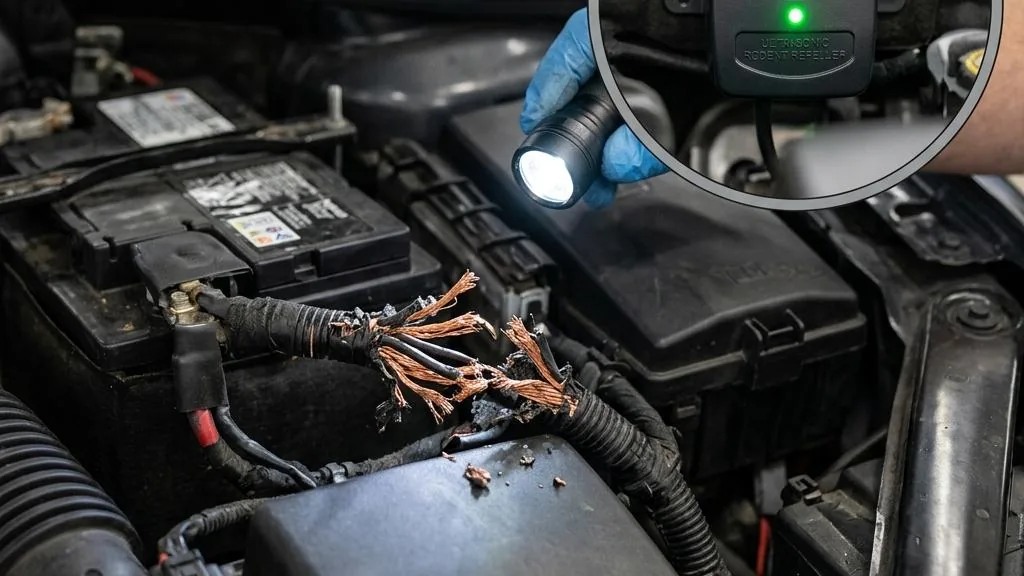
What this part does
The wiring under the bonnet links the battery, alternator, starter, sensors, ignition components, fuel and emissions controls, cooling components, lighting, fuse boxes, relays, and control modules. A small bite in the wrong circuit can look like a bad sensor, weak battery, failed relay, charging fault, ignition problem, or module issue.
That is why rodent wiring damage should be inspected before parts are replaced. A sensor code may only be reporting that a circuit is open, shorted, noisy, or missing a clean reference signal. The failed-looking part may be innocent if the wire feeding it has been chewed.
| Battery and charging cables | Starting, charging, and main electrical supply | Damage can cause no-start symptoms, battery drain, fuse failure, or heat at a damaged connection. |
| Sensor wiring | Engine, emissions, temperature, pressure, and position signals | Damage can trigger warning lights or misleading sensor-related DTCs. |
| Ignition and injector circuits | Combustion control and engine smoothness | Damage can cause misfires, rough running, hesitation, or a no-start. |
| Communication wiring | Module-to-module data exchange | Damage can create multiple unrelated warnings or scan-tool communication faults. |
Common failure signs
Mouse or rodent damage can be obvious, but it can also hide under covers, loom tape, battery trays, fuse boxes, air filter housings, and plastic trim. Intermittent symptoms matter because a partly damaged wire may fail only when the engine moves, the harness vibrates, or moisture reaches exposed copper.
Visible and smell-based signs
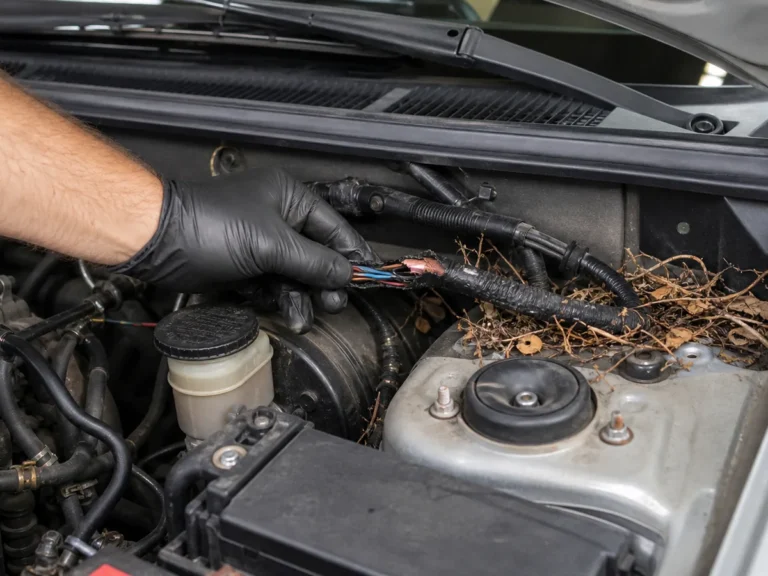
- Chewed insulation, split loom, shredded tape, or exposed copper strands.
- Nests made from insulation, leaves, paper, foam, or cabin filter material.
- Droppings on the engine cover, battery tray, intake duct, scuttle area, or airbox.
- Urine-like odor, musty nesting smell, or a burning smell after starting.
- Stored food, seed shells, or debris tucked near warm or covered areas.
Electrical and drivability signs
- Check engine light, battery warning light, ABS or stability warning, or several warnings at once.
- No-start, hard starting, stalling, rough idle, hesitation, or misfire symptoms.
- Blown fuse that returns after replacement, or a circuit that works intermittently.
- Dead accessory, inoperative fan, lighting fault, sensor fault, or charging complaint.
- Unexplained battery drain after the vehicle has been parked.
Before replacing it
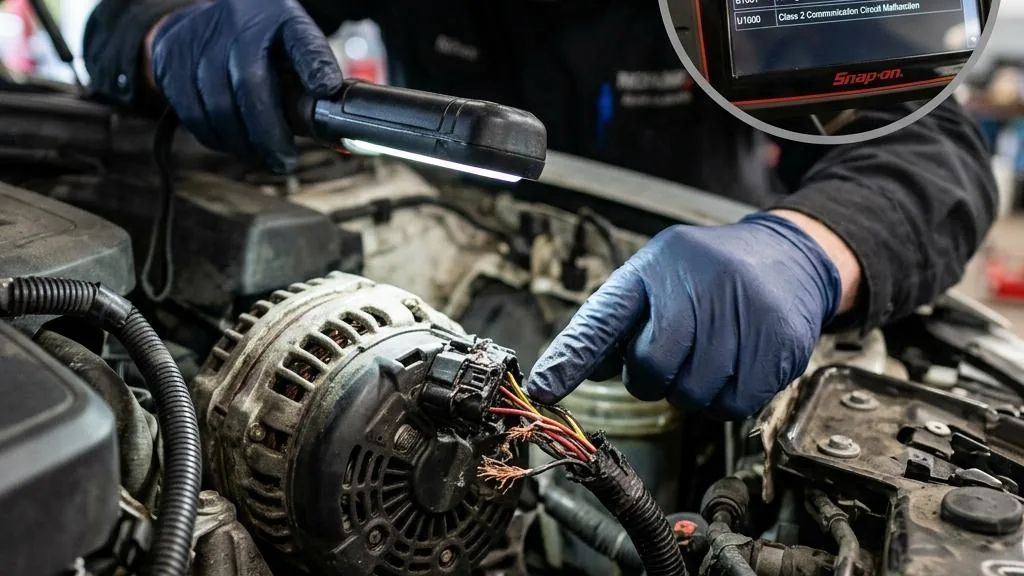
If a mouse chews a sensor feed, the scan tool may show a sensor circuit code. If it chews a ground, multiple systems may complain. If it damages a communication wire, the dashboard may show unrelated warnings. Clearing DTCs does not repair the wire, and replacing the component named by a code can waste time if the circuit is open or shorted.
Use the code list as a map to the affected circuits. Then confirm the physical wiring condition before buying parts.
- One chewed wire can create a single sensor code.
- One damaged ground can create several unrelated symptoms.
- One shorted circuit can keep blowing the same fuse.
- One communication fault can make several modules look faulty.
- A no-start can come from power, ground, ignition, injector, crank signal, starter, immobilizer, or module communication issues, so inspection order matters.
Inspection steps
Mice gnawing car cables under the bonnet usually points to rodents using the warm, sheltered engine bay for nesting, exploratory chewing, and chewable insulation that may smell like food or bedding material. Damaged insulation can expose conductors and cause warning lights, blown fuses, intermittent faults, or a no-start condition. Treat visible chewing or electrical symptoms as a safety and reliability issue that should be investigated soon.
The safest first action is simple: with the vehicle off, avoid moving damaged wires, then look for nests, droppings, chewed insulation, exposed wire, food debris, urine-like smells, burning smells, and disturbed loom tape. If you see damage or the car has symptoms, professional diagnosis is smarter than replacing sensors or clearing codes.
- Rodents chew because their teeth keep growing and hard materials help wear them down.
- Engine bays offer cover from weather and predators, especially when a vehicle sits unused.
- Warm components after parking can make the bonnet area more attractive in colder conditions.
- Nesting material, food crumbs nearby, compost, bins, pet food, or vegetation can keep rodents close to the vehicle.
- Some cable insulation, loom tape, and sound-deadening materials may attract chewing by scent, texture, or nesting value, but no single insulation type explains every case.
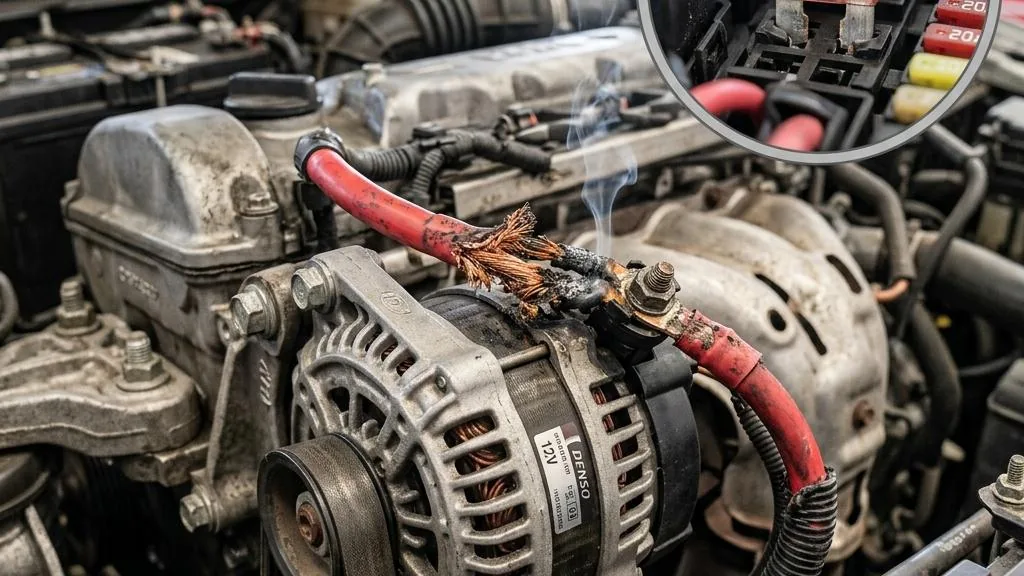
The vehicle should not be driven if you see exposed conductors, melted insulation, smoke, fuel smell, a repeated blown fuse, serious drivability symptoms, or starting problems. Those signs can point to a short, open circuit, fuel-system risk, charging fault, or a control circuit that may fail while driving.
| Visible chewing but no exposed wire and no symptoms | Investigate soon because hidden damage may remain under loom tape or covers. | Document the area, clean debris safely, and schedule inspection if the damage is near electrical circuits. |
| Warning lights, rough running, stalling, or no-start | Higher risk because a control, power, ground, or sensor circuit may be affected. | Avoid further driving until the wiring and codes are diagnosed. |
| Smoke, burning smell, fuel smell, or repeated fuse failure | Urgent because heat, shorting, or fuel-system involvement may be present. | Stop using the vehicle and arrange professional inspection. |
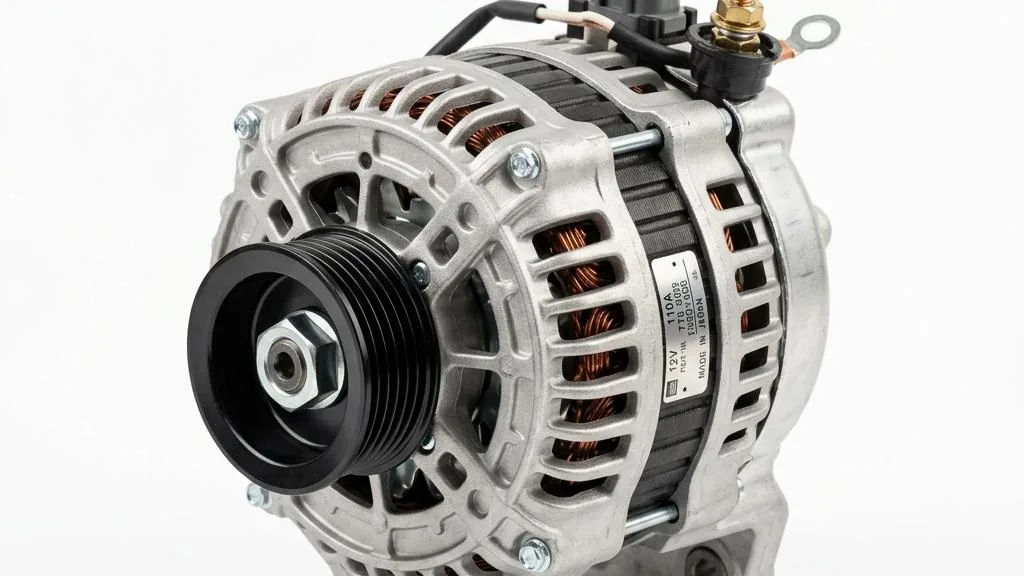
When one car is attacked and another nearby car is not, the difference may be parking position, stored heat, debris, nearby food, under-bonnet access, existing scent trails, or simply where the rodent has already learned to shelter. Do not assume a brand-specific cause unless a technician finds a specific routing, cover, or material issue.
- Warmth after parking, especially in cold or damp conditions.
- Shelter inside engine covers, battery trays, scuttle panels, airboxes, and undertrays.
- Nesting material such as foam, paper, fabric, leaves, insulation, or cabin filter media.
- Food sources near the vehicle, including pet food, bird seed, rubbish, compost, or stored grain.
- Long parking periods or rarely used vehicles that are not disturbed often.
- Vegetation, sheds, garages, walls, or clutter that give rodents protected travel paths.
- Previous nesting scent or leftover debris that encourages a repeat visit.
- Chewable cable insulation, loom tape, hoses, and soft trim materials.
Begin with the vehicle off and avoid touching damaged wiring. Use a flashlight and phone camera to inspect visible harnesses, the battery area, fuse box area, intake ducts, engine cover edges, scuttle panel, airbox, and any area with shredded material or droppings.
- Check for nests, droppings, food debris, shredded insulation, and unusual odors.
- Look for chewed loom tape, exposed wire, cracked insulation, or loose connector locks.
- Check whether warning lights, no-start symptoms, rough running, or blown fuses appeared after the vehicle was parked.
- Photograph the damage and note the affected area before cleaning debris away.
- If there are symptoms or exposed wires, stop the inspection and arrange professional electrical diagnosis.
Do not use a test light, multimeter probe, jumper wire, or fuse bypass as an owner-level shortcut. A wrong probe point can create a new fault on a modern vehicle.
The professional path starts by separating cause from effect. A damaged wire may create a false sensor failure, and a rodent nest may hide a connector issue that only appears when the engine vibrates or the harness warms. Good diagnosis prevents unnecessary sensor, battery, fuse, relay, or module replacement.
- Confirm the complaint and collect symptom timing.
- Carry out a visual and smell-based inspection before disturbing the harness.
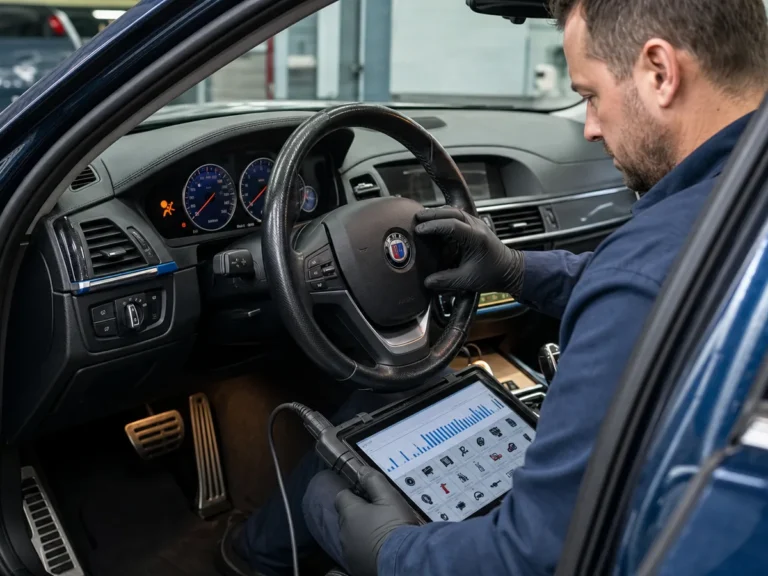
- Scan the vehicle and save DTCs, freeze-frame data, and module communication status where available.
- Trace affected circuits with the correct wiring information.
- Test power, ground, signal, continuity, shorts, and connector condition as required by the service procedure.
- Repair damaged wiring, terminals, connectors, or protective loom.
- Secure routing away from heat and moving components, then validate the repair with a road-safe functional check.
A used harness, connector, fuse box, or pigtail should be matched by part number, connector shape, pin count, wire count, routing, engine, trim, and installed options where applicable. Do not assume two similar vehicles use the same harness just because they share a model name.
- Inspect for previous splices, heat marks, brittle insulation, missing seals, corrosion, broken locks, and cut wires.
- Confirm the connector body, terminal style, wire colors, and branch lengths match the original part where service information allows.
- Avoid used parts that were removed by cutting through the harness near the connector you need.
- Check whether a new repair pigtail or connector kit is safer than a used harness section.
- Confirm return terms before buying any electrical part that cannot be verified on the bench.
For safety-related circuits, communication wiring, high-current feeds, or sealed connectors, technician review is strongly recommended before using a salvaged part.
- Do not wrap damaged wiring with tape and assume the circuit is repaired.
- Do not cut, splice, solder, crimp, or probe vehicle wiring without the correct wiring information and repair method.
- Do not bypass fuses or install a larger fuse to stop repeat fuse failure.
- Do not spray flammable products around hot or electrical components.
- Do not place loose poison, bait, nesting blockers, or traps where they can move into belts, fans, pulleys, heat shields, or the air intake.
- Do not clear DTCs and continue driving if symptoms return.
- Do not pressure wash connectors, fuse boxes, alternators, sensors, or exposed wiring.
If prevention products are used, they must be secured, heat-safe, electrically safe, and compatible with the vehicle owner manual. Prevention should reduce recurrence without creating a new fire, belt, airflow, or electrical risk.
The right next step is inspection if the vehicle still runs but has visible rodent signs. The right next step is diagnostic testing if the dashboard shows warning lights, the engine runs poorly, a fuse keeps failing, the battery drains, or the vehicle will not start.
- Choose inspection for nests, droppings, odor, or light chew marks with no symptoms.
- Choose scan and wiring diagnosis for warning lights, intermittent faults, misfires, no-start, charging complaints, or battery drain.
- Choose wiring repair when exposed conductors, broken wires, damaged terminals, or chewed connectors are confirmed.
- Choose prevention follow-up after repair to clean debris, reduce attractors, review parking conditions, and monitor recurrence.
Proper diagnosis protects the owner from replacing sensors, batteries, fuses, or modules when the real fault is a damaged wire. It also confirms that the repaired circuit works before the vehicle is put back into regular use.
Replacement notes
Minor outer loom damage may only need cleaning and renewed protection after inspection, but damaged conductors, terminals, connector seals, fuse holders, battery cables, or communication wiring need proper electrical repair. Repairs should preserve wire size, routing, shielding, sealing, strain relief, and protection from heat or movement.
Some vehicles have repair pigtails, connector service kits, or harness sections available, while others require harness-level repair or replacement. Any claim about manufacturer-approved rodent tape, harness repair kits, or warranty coverage should be checked against current OEM service information before publication or repair.
- Repair exposed or broken conductors before clearing codes.
- Replace damaged terminals or connector housings if locking, sealing, or contact tension is compromised.
- Confirm fuse failure has stopped instead of repeatedly installing new fuses.
- Route repaired wiring as originally intended and keep it clear of hot, sharp, and moving parts.
- Validate the affected circuit after repair, then recheck for warning lights and pending codes.
After a repair, prevention should focus on why the engine bay was attractive. Cleaning removes scent and nesting cues, parking changes reduce cover, and recurring inspection catches damage before it becomes a no-start or warning-light problem.
- Remove food sources near the parking area, including pet food, seed, waste, and stored edible materials.
- Keep vegetation, clutter, and nesting debris away from the parking location where practical.
- Clean the engine bay area professionally or carefully, avoiding electrical connectors and owner-manual warnings.
- Inspect after the vehicle has been parked for several days or after nearby rodent activity is seen.
- Consider vehicle-safe deterrent tape, shields, or repellents only if compatible with the owner manual and installed away from heat, belts, fans, and electrical contacts.
- Treat ultrasonic repellents as mixed-effect tools that require correct placement and follow-up inspection, not as proof the issue is solved.
Do not place loose poison, unsecured traps, flammable sprays, rags, foam, or improvised barriers where they can contact hot exhaust parts, belts, pulleys, fans, wiring, or air intakes.
FAQ
Can I drive with mouse-chewed wiring?
Do not drive if wires are exposed, a fuse keeps blowing, the car will not start normally, warning lights are severe, or there is smoke, burning smell, or fuel smell. If the damage looks superficial and there are no symptoms, arrange inspection soon because hidden damage may still be present.
Will anti-rodent spray stop mice chewing car cables?
A vehicle-safe repellent may help as one layer, but it should not be treated as guaranteed. Cleaning, removing food sources, reducing shelter, checking parking conditions, and monitoring for return activity are usually more reliable than relying on spray alone.
Can mice chewing wires cause a check engine light?
Yes. Rodent damage can trigger many different DTCs depending on which power, ground, signal, or communication circuit is affected. The code points to a circuit to inspect; it does not prove the named sensor has failed.
Should I replace the damaged cable myself?
Owner-level inspection is fine, but cutting, splicing, probing, or repairing vehicle wiring should be handled with proper service information and electrical repair methods. Incorrect wiring repair can create repeat faults or safety risks.
Why did mice chew one car but not the one parked beside it?
The difference may be heat, shelter, access, debris, scent, parking position, under-bonnet covers, or nearby food sources. It is not enough evidence by itself to blame one brand or one insulation material.

Comments
Be the first to add a practical repair note or follow-up question.