
What the symptom usually means
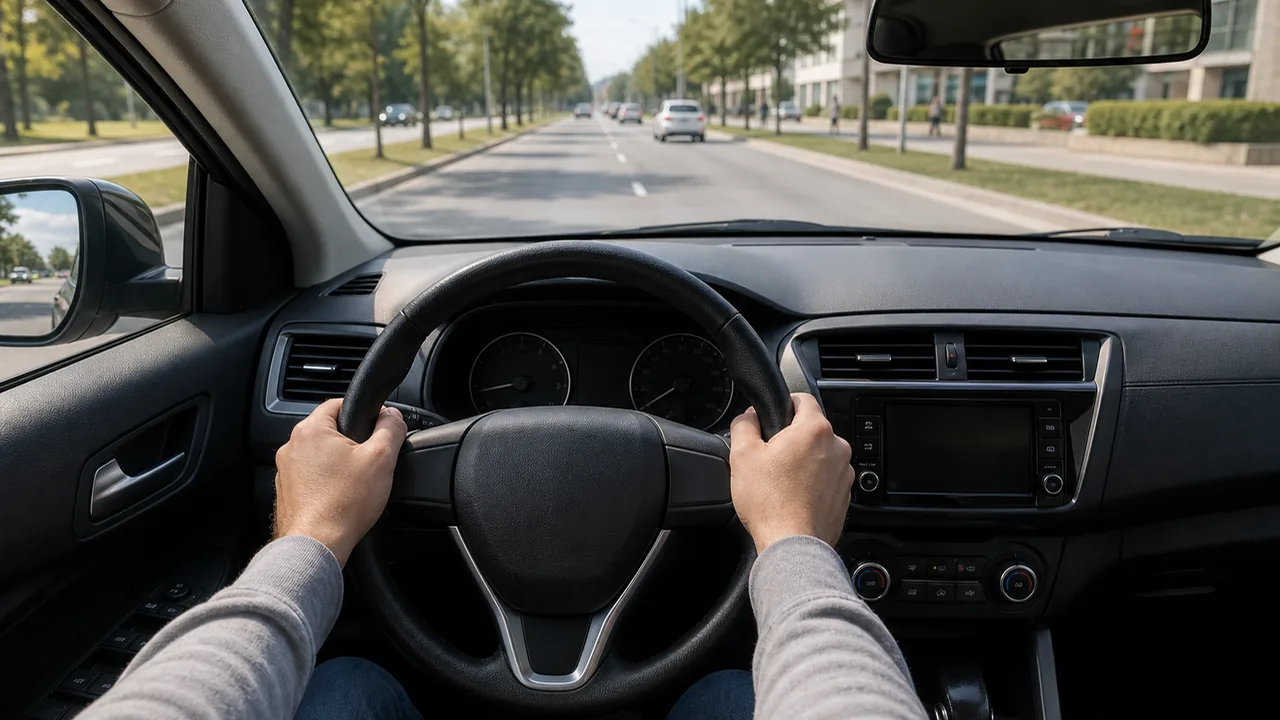
The symptom usually means the brake system or a nearby rotating part is creating uneven feedback during deceleration. It may be felt as a slow push-pull in the pedal, a fast tremor through the pedal, a shake in the steering wheel, or a shudder through the floor and seat.
Replacement parts can be good and still vibrate if the hub was rusty, the rotor did not sit flat, the wheel was tightened unevenly, the caliper could not release smoothly, or the pads developed uneven material transfer during the first drives after service.
The location matters. Pedal-only pulsation points toward brake hydraulic or rotor feedback. Steering shake points toward the front axle or steering-linked components. Body vibration can involve rear brakes, tires, wheel balance, bent wheels, suspension bushings, or wheel bearing movement.
Common causes
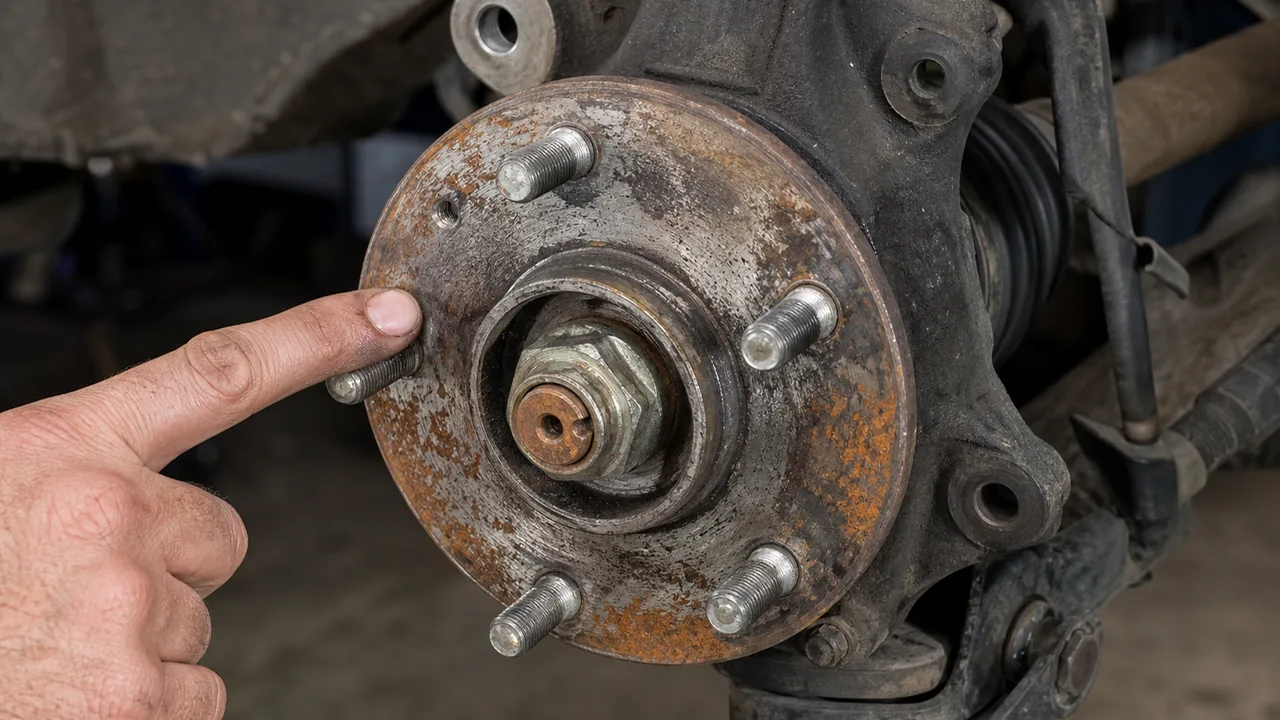
- Dirty or corroded hub mounting surface: rust, scale, or debris behind the rotor can prevent the rotor from sitting flat, creating lateral movement as it turns.
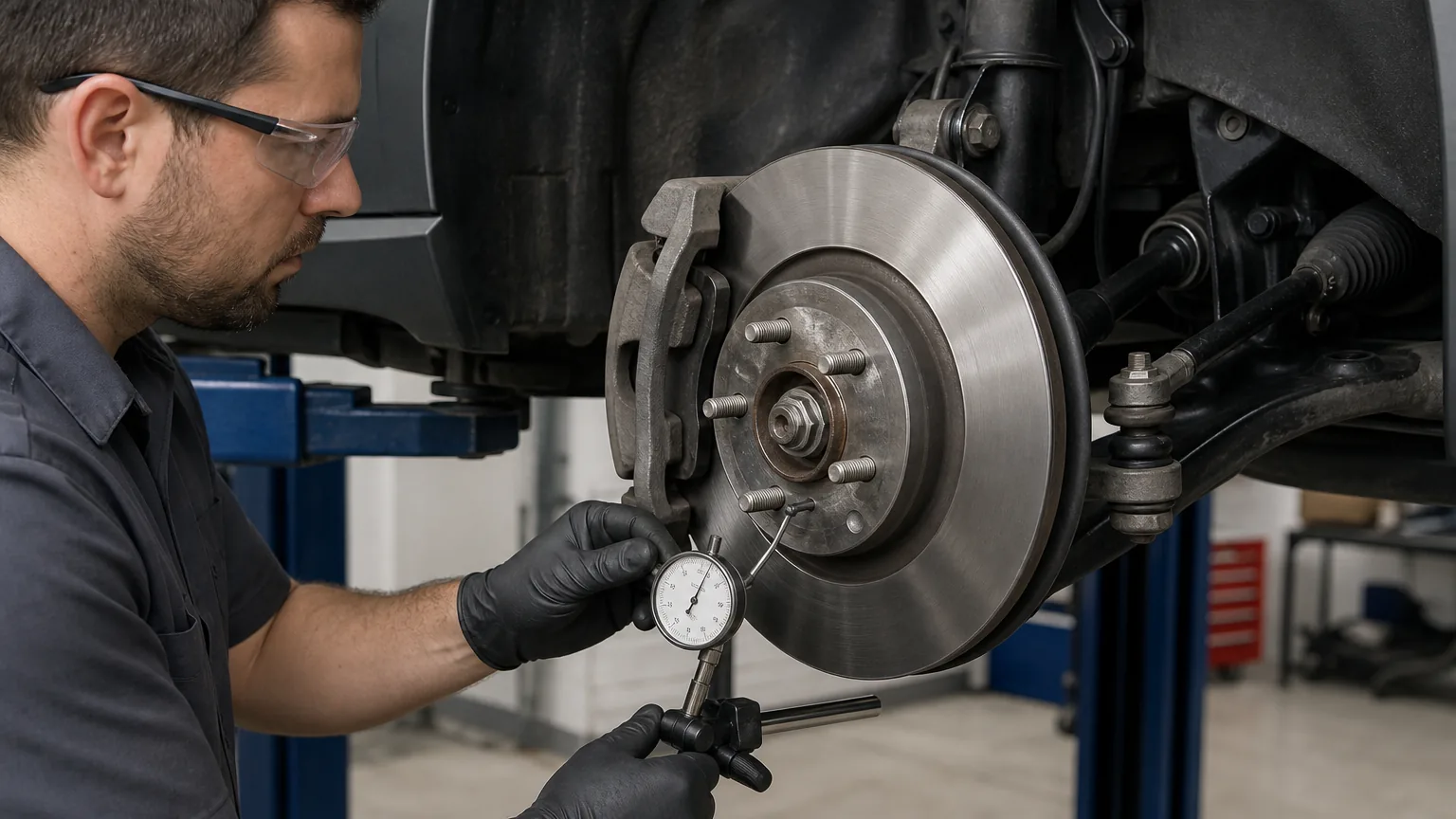
- Rotor runout or hub runout: a new rotor can still rotate unevenly if the rotor, hub, or combined assembly does not run true on that vehicle.
- Uneven wheel torque or incorrect tightening sequence: uneven clamping can distort how the rotor is held against the hub. Vehicle-specific torque must be checked from proper service information.
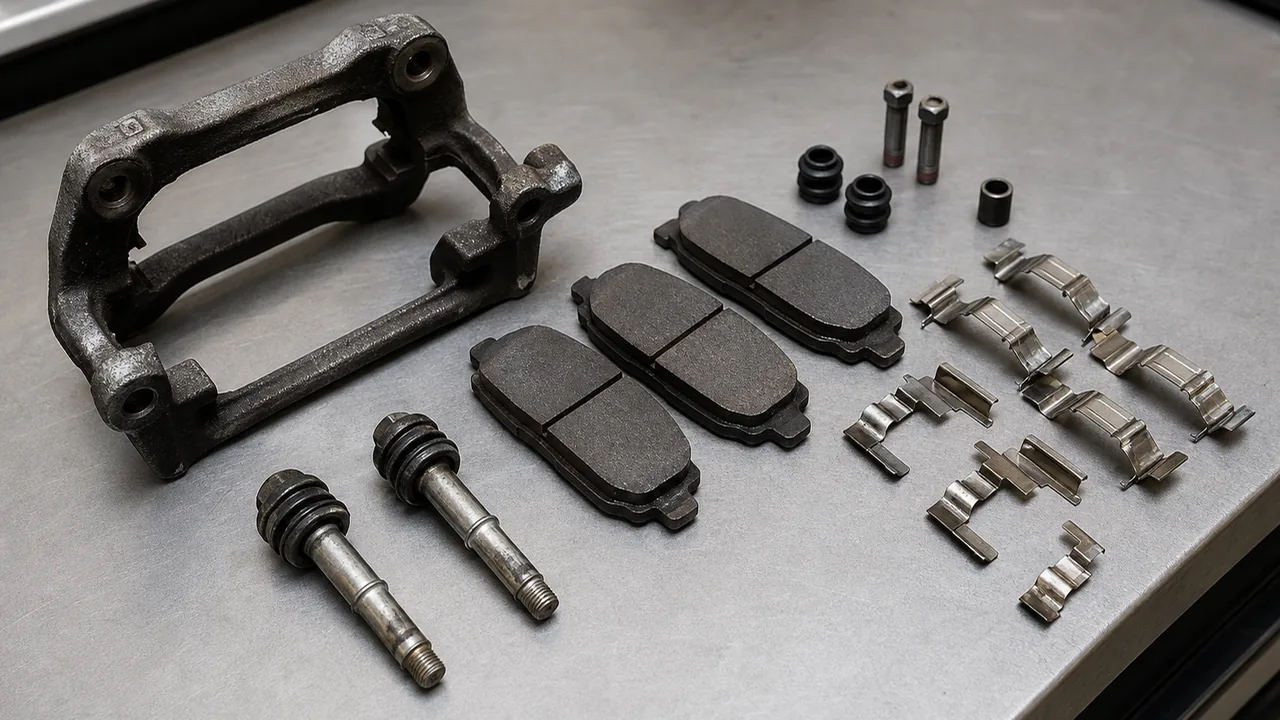
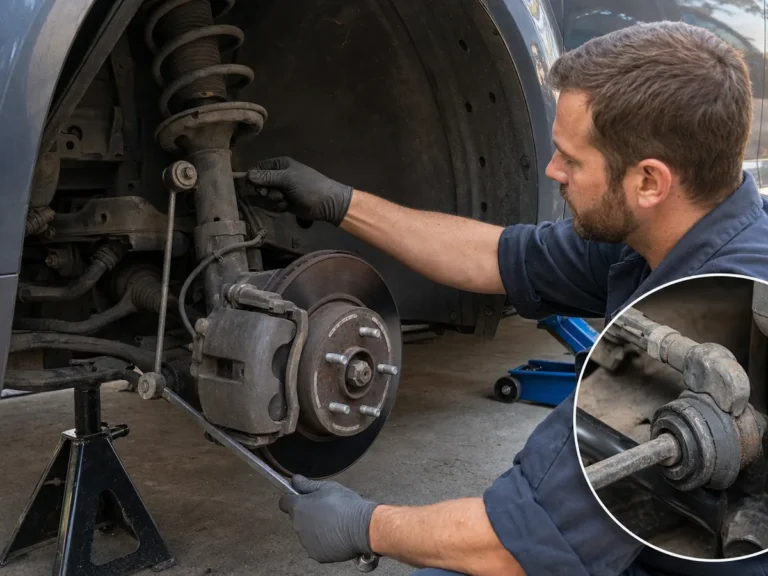
- Sticking caliper slides or hardware: if the caliper cannot float freely, the pads may drag, heat unevenly, or leave uneven material on the rotor face.
- Pad material transfer or poor bedding: some vibration after a new brake job can come from uneven pad deposits, not a physically damaged rotor.
- Incorrect, mismatched, or poor-quality parts: rotors, pads, clips, shims, or hardware that do not fit correctly can cause noise, drag, or vibration.
- Wheel bearing play: a loose or worn bearing can allow rotor movement that feels like brake pulsation.
- Tire or wheel issues: imbalance, separated tire structure, bent wheels, or uneven tire wear may show up most clearly when braking loads the suspension.
- Suspension or steering looseness: worn control arm bushings, ball joints, tie rods, or strut components can magnify braking vibration.
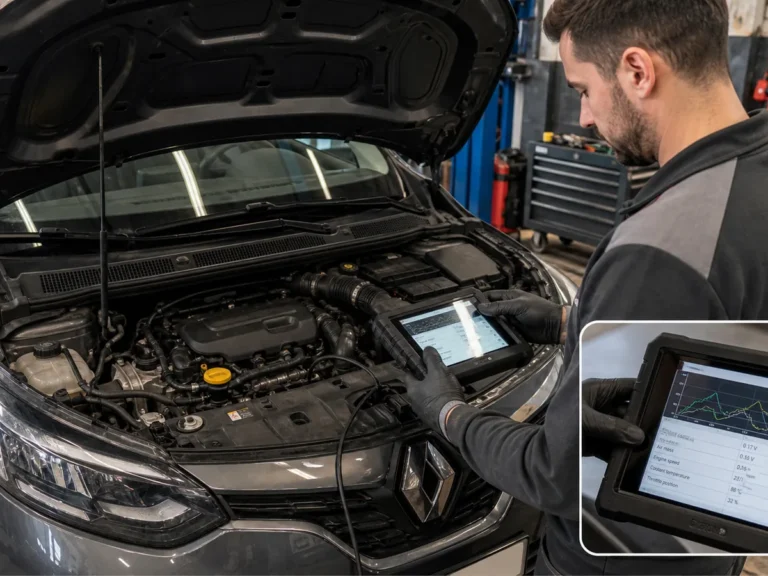
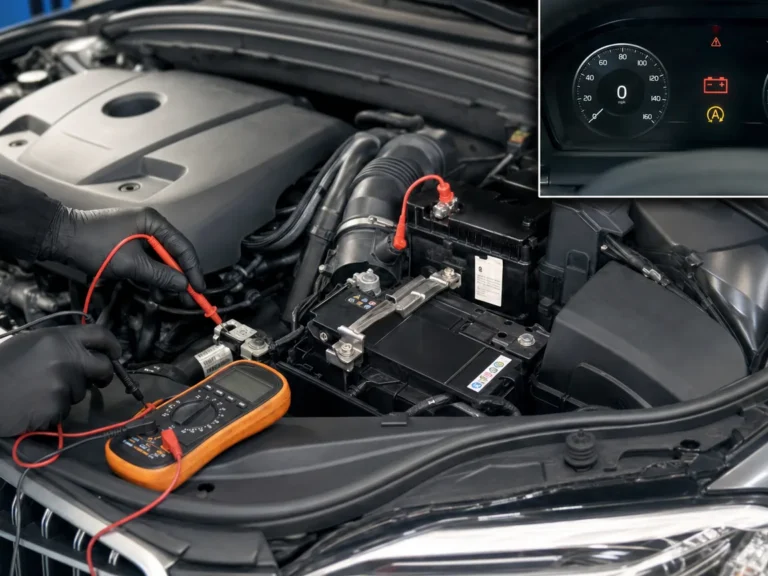
- ABS, wheel speed sensor, or stability-control faults: these are less common for a simple post-service vibration, but warning lights or ABS-like pulsing require scan-tool diagnosis.
Do not assume the rotors are warped just because the pedal pulses. The right diagnosis is to check how the rotor sits on the hub, how the caliper moves, how the wheel is clamped, and whether another rotating component is feeding vibration into the brake pedal.
Quick checks
Start with a controlled observation. On a safe road, if braking still feels predictable, note the speed range, whether light or firm braking changes the vibration, and whether the steering wheel moves side to side. Do not continue testing if braking confidence drops.
- If the pedal pulses but the steering wheel stays calm, tell the shop it feels pedal-centered.
- If the steering wheel shakes, mention front brake, tire, wheel, hub, or suspension checks.
- If the seat or floor vibrates, mention rear brake, tire, wheel, bearing, and chassis checks.
- If the vibration appears only during hard braking, caliper movement, pad transfer, rotor condition, and suspension loading matter.
- If warning lights are on, ask for ABS and stability-control code scanning before parts are replaced.
Avoid touching brake parts after driving. Brake components can become dangerously hot, and a dragging caliper or overheated brake can cause burns, smoke, odor, or reduced braking performance.
When it is urgent
Treat the issue as urgent if the vehicle no longer feels stable or predictable under braking. A brake pedal that drops, a vehicle that darts to one side, or a grinding sound after recent brake work can indicate a problem that should be inspected before normal driving resumes.
Treat the issue as soon-service if the vibration is consistent, repeatable, and appeared after the repair, even if the car still stops normally. The likely next step is not another guess; it is a road test, wheel removal, hub and rotor measurement, and caliper inspection.
Treat it as monitor-only only after a qualified inspection has confirmed that the brake assembly, wheel mounting, bearings, tires, and warning-light systems are safe and the remaining feel is minor, stable, and explained.
Diagnostic order
- Road test first. The technician should confirm whether the vibration happens during light braking, firm braking, highway braking, downhill braking, or only after the brakes warm up.
- Locate the feedback. Pedal pulsation, steering shake, floor vibration, and ABS-like pulsing lead to different checks.
- Inspect the recent work. Pad position, anti-rattle clips, shims, slide pins, bracket corrosion, wheel seating, and hardware fit should be reviewed before assuming the rotor is defective.
- Measure the rotating parts. Rotor runout, hub runout, and disc thickness variation should be compared with the correct service data for that vehicle.
- Check the supporting parts. Wheel bearing play, tire defects, bent wheels, suspension joints, and steering looseness can mimic or amplify brake vibration.
- Confirm the repair. A final road test should verify that the symptom is gone under the same conditions that produced it before.
Exact rotor runout, disc thickness variation, and wheel torque limits are vehicle-specific. They should be verified from the correct service information rather than copied from a general guide.
Parts that may be involved
| Possible missed item | Why it matters | Next step |
|---|---|---|
| Hub face rust or debris | The rotor may not sit flat even when the rotor is new. | Clean and inspect the hub face, then recheck fit and runout. |
| Rotor or hub runout | Uneven rotation can create pedal pulsation under braking. | Measure the rotor and hub using vehicle-specific limits. |
| Caliper slides or bracket hardware | A sticking caliper can apply uneven pressure and create heat or pad transfer. | Inspect slide movement, hardware fit, bracket corrosion, and pad movement. |
| Uneven wheel clamping | Improper tightening can affect how the rotor is held against the hub. | Verify wheel seating and torque procedure from service data. |
| Wheel bearing play | Bearing movement can let the rotor shift during braking. | Check bearing play and related noise or looseness. |
| Tire, wheel, or suspension issue | A non-brake vibration can become more obvious when weight transfers forward. | Inspect tires, wheels, steering joints, bushings, and struts. |
| ABS or wheel speed sensor fault | Unexpected ABS activation can feel like pedal pulsing. | Scan the ABS and stability-control systems if warning lights or ABS-like pulsing are present. |
Repair may be as simple as correcting wheel installation or cleaning a hub face, or it may require servicing caliper hardware, replacing defective parts, correcting bearing play, addressing tire and wheel defects, or diagnosing ABS behavior. The important point is to repair the confirmed cause, not the most familiar part name.
FAQ
Can new pads and rotors still cause vibration?
Yes. New parts can vibrate if they are installed on a dirty hub, clamped unevenly, paired with sticking caliper hardware, affected by pad transfer, or installed while another vibration source remains.
What should I ask the repair shop to check?
Ask for a road test, hub face inspection, rotor and hub runout measurement, caliper slide and bracket inspection, wheel torque verification, bearing play check, tire and wheel review, and ABS scan if warning lights are present.
Why did the vibration start after the brake job?
The timing may point to installation variables such as hub cleanliness, wheel clamping, hardware fit, pad seating, or bedding. It can also reveal a pre-existing tire, wheel, bearing, or suspension issue that became more noticeable after service.
Can poor brake bedding cause pedal vibration?
Uneven pad material transfer can feel like rotor vibration. Bedding guidance varies by pad material and manufacturer, so the correct procedure should be verified from the pad maker or service information.
Will brake vibration set a trouble code?
Most rotor, hub, caliper, tire, or bearing causes do not set a code. Codes matter when ABS, brake, traction-control, or stability-control lights are present, or when the pedal feels like unexpected ABS activation.

Comments
Be the first to add a practical repair note or follow-up question.