
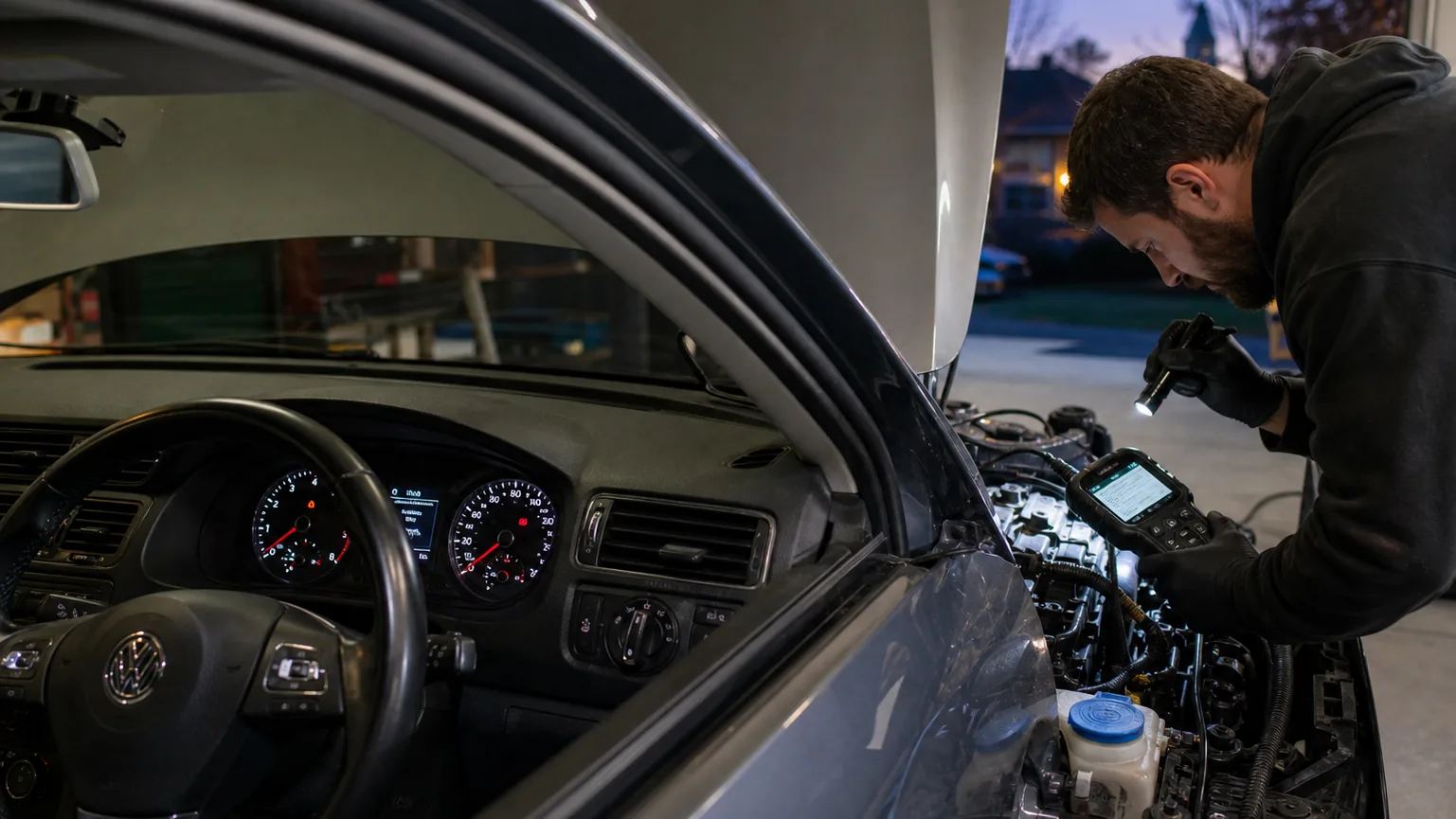
What the symptom usually means
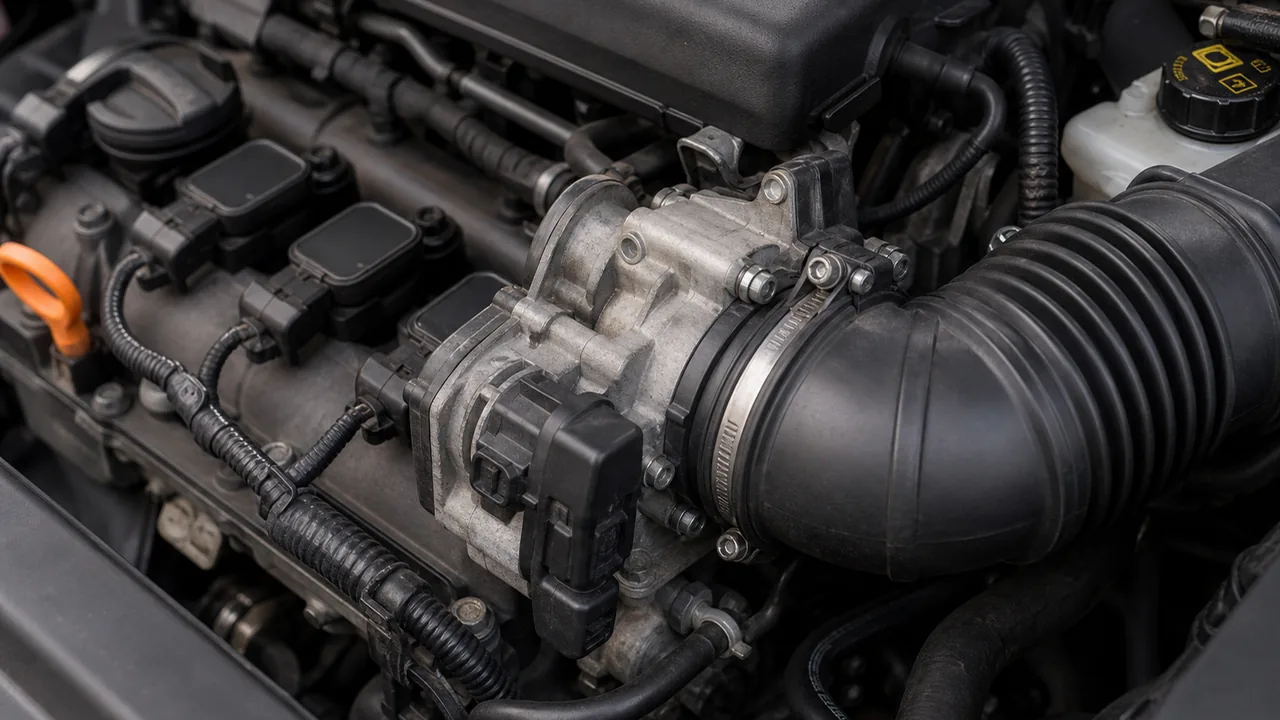
The Volkswagen EPC (Electronic Power Control) system oversees throttle actuation, traction control, and cruise control. When it detects a fault, it illuminates the EPC light and may activate a protective limp mode that reduces engine power. Simultaneous engine shaking points to either an active misfire—often from an ignition coil or fuel injector—or the effects of limp mode causing uneven running. Unlike the check engine light, EPC directly affects throttle response, so any misfire severe enough to threaten the catalytic converter can trigger both warnings. Common fault codes include the P0300 series (random/multiple misfire), P0301–P0304 (cylinder-specific misfire), P0638 (throttle actuator control range/performance), and P0221 (throttle/pedal position sensor). For a deeper look at the system, see our Volkswagen EPC warning light guide.
When the EPC light appears alongside engine shaking, a set of tell-tale symptoms often accompany it:
- EPC light solid or flashing
- Engine shaking or vibration, especially at idle
- Reduced power or limp mode (limited RPM and throttle response)
- Rough acceleration or hesitation
- Check Engine Light also illuminated
- Stalling or difficulty starting
Common causes
When your Volkswagen’s EPC (Electronic Power Control) light illuminates and the engine begins to shake, the most probable causes are a failed ignition coil pack, a malfunctioning throttle body, or a cylinder-specific misfire from spark plugs or fuel injectors. The EPC system governs throttle actuation and engine load—unlike the check engine light, which monitors emissions-related components—so shaking alongside the EPC warning often indicates the engine is struggling to manage airflow or combustion. Begin by scanning for fault codes: common ones include P0300–P0304 (random or cylinder-specific misfires), P0638 (throttle actuator control range/performance), and P0221 (throttle position sensor circuit). Then, note the vibration pattern: shaking mainly at idle suggests a throttle-body issue, while shuddering under acceleration points toward a coil or plug. If the shaking is severe or accompanied by a loss of power, pull over and avoid driving to prevent further damage.
Begin by checking for stored fault codes and noting when the shaking occurs—at idle or under acceleration—to quickly narrow the cause.
Three primary faults account for the majority of simultaneous EPC light and shaking episodes on Volkswagen models. While other causes exist, these are the most probable. For a more detailed misfire breakdown, refer to our Volkswagen misfire diagnosis article.
| Cause | Associated Fault Codes | Typical Repair Cost (USD/CAD) | Recommended Action |
| Ignition coil pack failure | P0300–P0304 (cylinder misfire), sometimes P2300 series | Repair cost depends on the failed part, parts quality, and local labor rates. | Swap suspected coil to confirm, then replace faulty unit. Also check spark plugs. |
| Throttle body carbon buildup or adaptation loss | P0638, P0221, or P2101 | Repair cost depends on the failed part, parts quality, and local labor rates. | Clean throttle body with VW-approved cleaner, perform basic setting adaptation using a scan tool. |
| General misfire from spark plugs, injectors, or carbon buildup | P0300–P0304 | Repair cost depends on the failed part, parts quality, and local labor rates. | Inspect spark plugs for wear or fouling; check fuel injectors and consider an intake valve carbon cleaning if direct injection. |
Quick checks
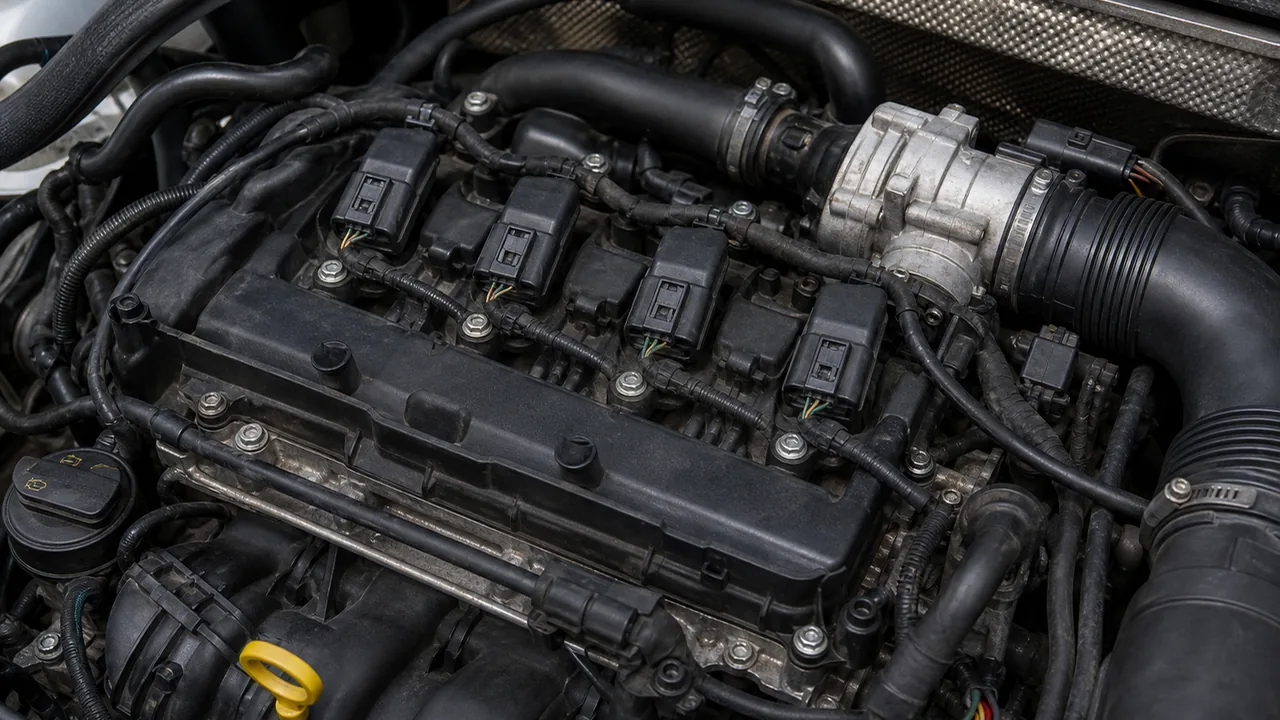
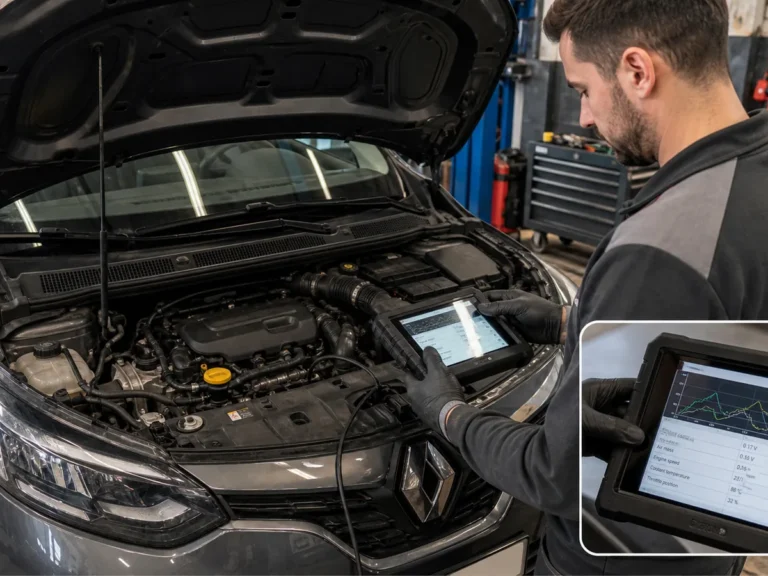
Before heading to a shop, run these simple owner checks. A VW-compatible scan tool simplifies reading live data; our VW scan-tool recommendation guide lists the best options.
- Scan for fault codes with an OBD-II scanner or VCDS. Write down any P-codes.
- Determine if shaking occurs at idle, under light throttle, or only during acceleration.
- Turn off the engine, let it sit for a minute, and restart. A temporary coil failure may reset.
- Look for loose or damaged wiring near the coil pack connectors.
- Check if the air filter is clogged (rare but can cause throttle issues).
- If shaking is mild and safe, try driving a short distance with minimal throttle to see if the condition changes.
If shaking is violent or the EPC light is flashing, do not drive. Have the vehicle towed.
Diagnostic order
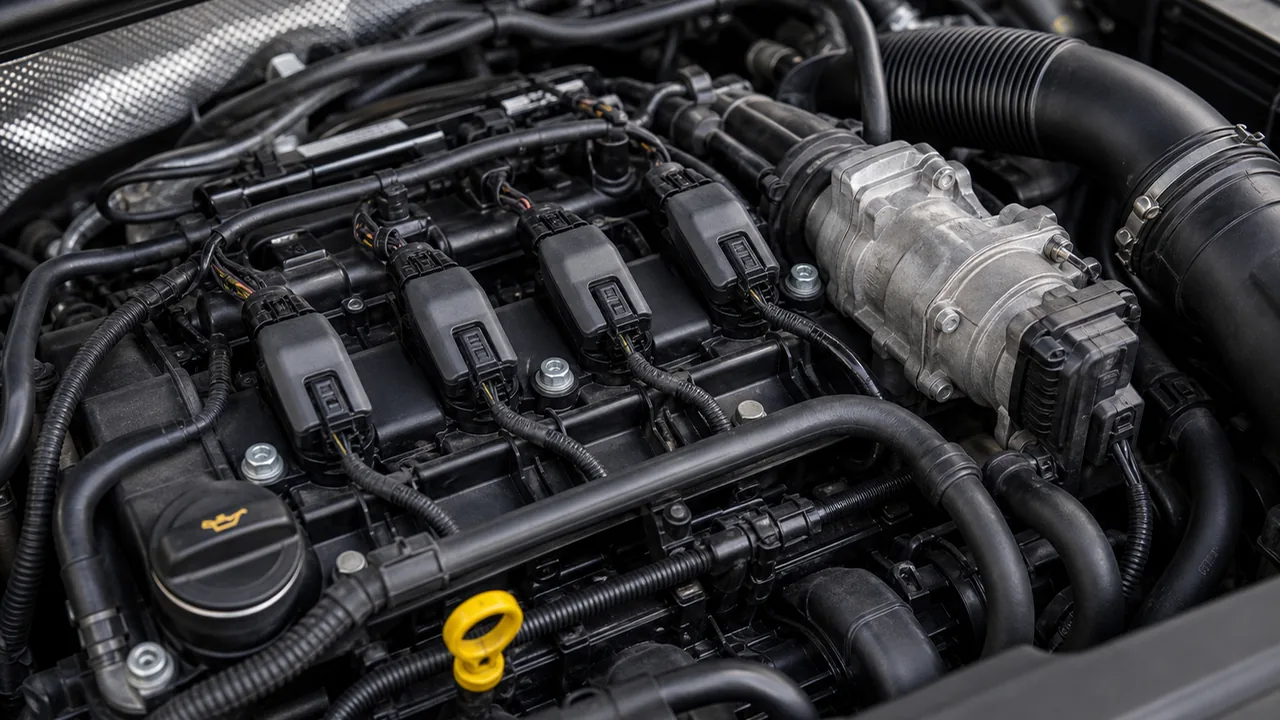
- Connect a VW-compatible scan tool (VCDS or ODIS) and retrieve all fault codes from the engine control module (ECM) and instrument cluster.
- Identify cylinder-specific misfire codes (P0301–P0304). If present, note which cylinder is affected.
- If a single-cylinder misfire is recorded, swap the ignition coil with a that of a known good cylinder. Clear codes and retest.
- If the misfire moves, replace the faulty coil pack and the associated spark plug. Recheck for smooth operation.
- If no cylinder-specific misfire but P0638 or P0221 is stored, remove the intake ducting and inspect the throttle body for carbon buildup. Clean with a VW-safe cleaner and perform the basic throttle adaptation procedure.
- Check fuel trim values and injector balance if the misfire continues after ignition work. A leaking injector or carbon buildup on intake valves may require professional attention.
- For persistent problems, conduct a relative compression test and inspect engine timing data.
When performing a coil swap, follow our VW ignition coil replacement walkthrough for proper torque specs and connector handling.
Parts that may be involved
On the EA888 2.0-litre turbo engine (found in Golf, Passat, and Tiguan), ignition coil failure is relatively common, often after 80,000 km due to heat cycles. The direct-injection design also makes intake valve carbon buildup more likely, which can contribute to rough idle and misfire. On the smaller EA211 engines, throttle body adaptation loss—sometimes triggered by a battery replacement or extended idle—can illuminate the EPC light. If your VW has over 100,000 km, consider proactive inspection of coils and spark plugs. Cleaning the throttle body requires care; our how-to clean throttle body on VW page outlines the correct method and adaptation steps.
Driving with an illuminated EPC light and shaking engine is risky. The vehicle may already be in limp mode, limiting speed and throttle response. Unburned fuel from a severe misfire can overheat and permanently damage the catalytic converter. If shaking is violent or the car struggles to maintain speed, pull over immediately and shut off the engine. A short, low-speed limp to a nearby shop is sometimes possible if the shaking is mild and steady, but it is never completely safe. Avoid hard acceleration and keep RPMs low. If the EPC light flashes or the engine stumbles repeatedly, have the vehicle towed.
A flashing EPC light or severe shaking indicates a critical fault. Stop driving immediately.
FAQ
Can a weak battery cause the EPC light and engine shaking?
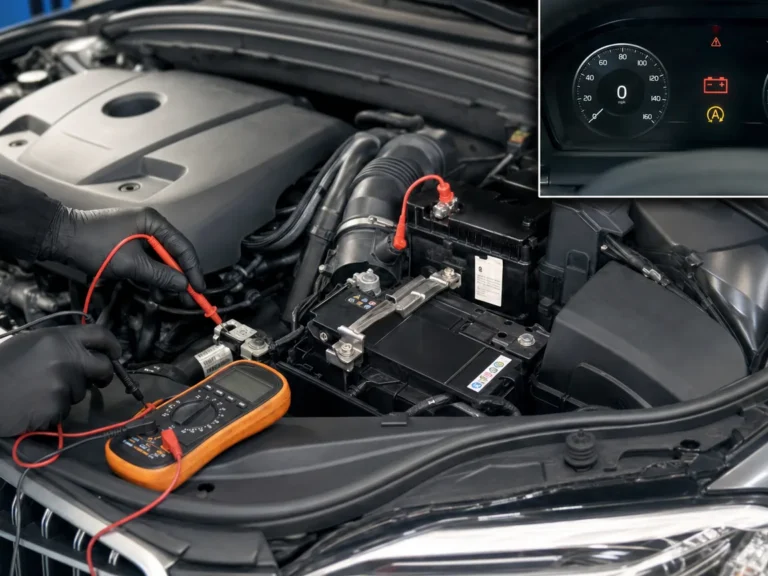
Yes, low system voltage can lead to erratic throttle adaptation and misfire-like symptoms. After a battery replacement or jump start, the EPC light may clear on its own once proper voltage returns. If shaking persists, scan for stored codes to rule out a true misfire.
Will replacing the ignition coil pack turn off the EPC light immediately?
If the EPC light was triggered by a cylinder-specific misfire, replacing the faulty coil will resolve the root cause, but the light may require a fault-code clear or a key cycle to turn off. In some cases, the throttle adaptation must also be reset.
Is it safe to clean the throttle body myself?
Cleaning the throttle body is possible for a confident DIYer, but VW's electronic throttle control needs a basic setting procedure with a scan tool afterward. Attempting it without a tool like VCDS can cause a high idle or a persistent EPC light. Follow a detailed guide and use only VW-safe cleaning fluid.
Comments
Be the first to add a practical repair note or follow-up question.