
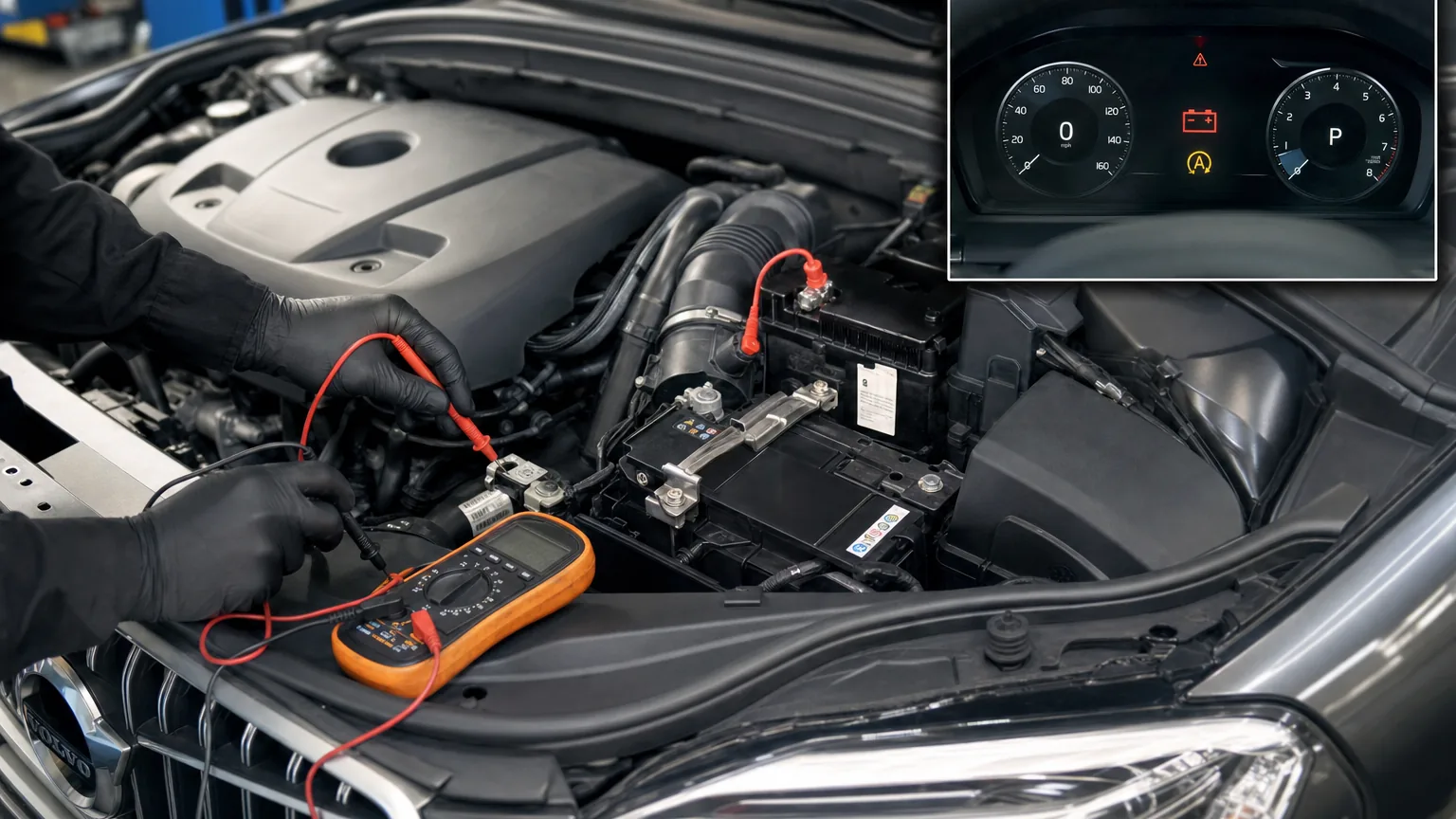
What the symptom usually means
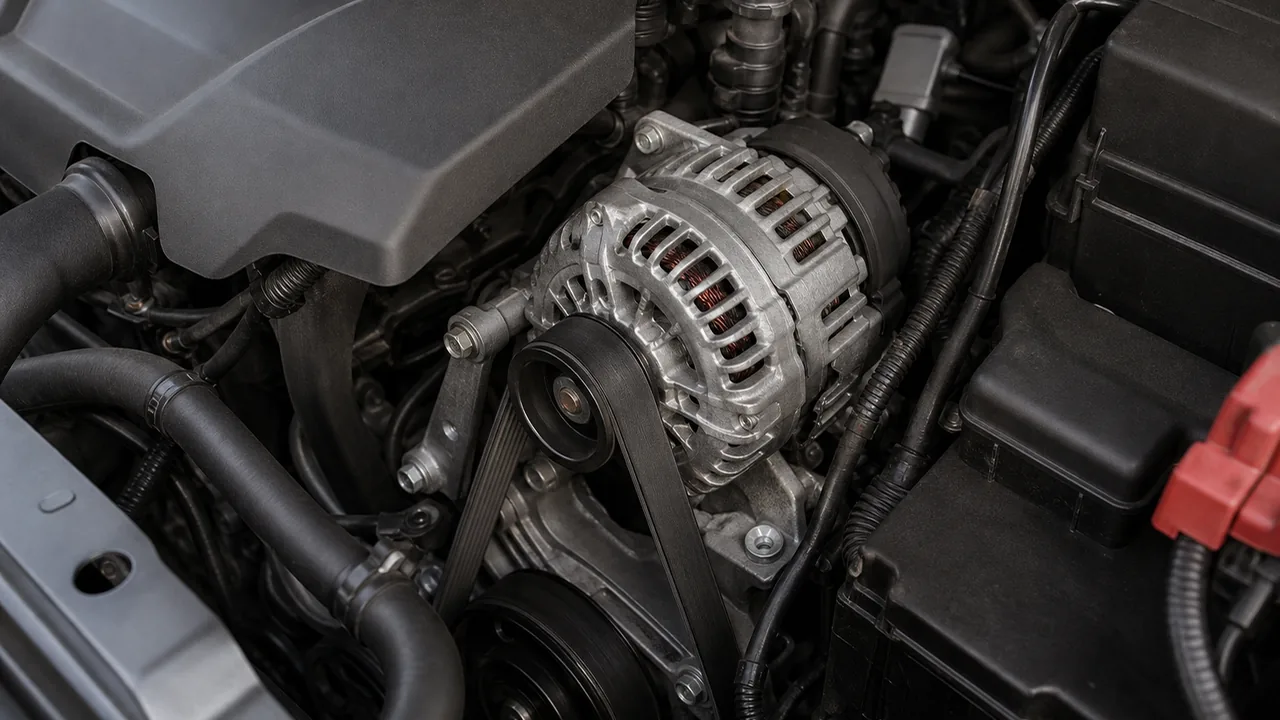
Volvo energy management can reduce comfort features and disable Start/Stop when stored battery energy is low or uncertain. The car may still start normally, but the warning means the system does not have enough confidence in battery reserve for repeated automatic stops, accessory use, or restart demand.
- Start/Stop disabled after short trips or long accessory use
- Low battery warning after the car sits unused
- Reduced electrical functions with normal driving still possible
- Slow crank, repeated warning messages, or a no-start risk if the battery is weak
Common causes
| Weak or aging main battery | Slow crank, warning after sitting, repeated low battery messages | Battery state-of-health and load test |
| Low charge from short trips | Warning after frequent short drives, cold weather, or accessory use | Recharge and retest before replacing |
| Auxiliary battery issue where equipped | Start/Stop disabled with otherwise normal starting | Model-specific auxiliary battery test |
| Alternator or charging fault | Warning while driving, battery or charging light, multiple electrical warnings | Charging-system test and scan |
| Parasitic battery drain | Battery weak after sitting even when recently charged | Electrical drain diagnosis |
| Battery sensor or BMS adaptation | Warning after battery replacement or unclear battery history | Scan-tool BMS check and registration if required |
Quick checks
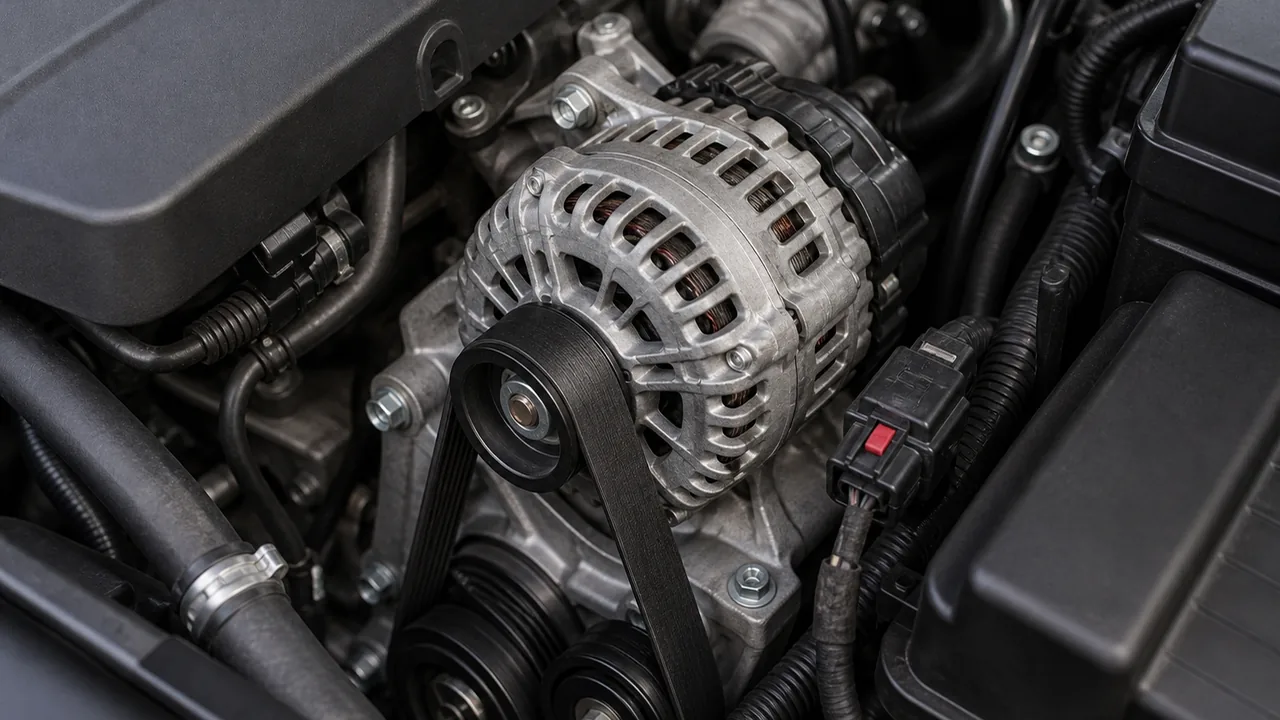
Owner checks should stay simple and safe. Look for patterns, visible battery condition, warning timing, and recent service history. Avoid disconnecting battery terminals or forcing reset procedures without model-specific service information, because some Volvo electrical systems need controlled procedures.
- If the warning only appears after short trips, low state of charge is plausible.
- If it appears while driving, treat charging-system testing as urgent.
- If it appears after a new battery, confirm registration, battery type, and sensor data.
- If the car struggles to crank, prioritize battery testing before Start/Stop diagnosis.
When it is urgent
Many low battery and Start/Stop disabled messages are book-soon issues, but charging warnings and severe electrical symptoms change the risk. If the vehicle is losing electrical power while driving, stalls, smells hot, shows smoke, or displays multiple charging-related warnings, stop driving when safe and arrange professional diagnosis.
Diagnostic order
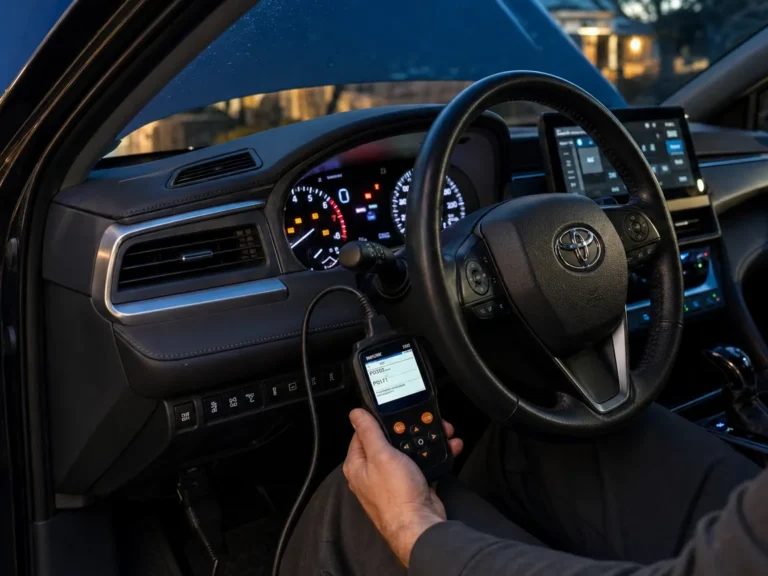
- Scan the vehicle for battery, charging, LIN, IBS, Start/Stop, and energy management faults.
- Test the main battery state of health and ability to hold load.
- Verify charging-system operation under appropriate electrical demand.
- Inspect battery terminals, ground points, wiring condition, and the battery monitoring sensor.
- Test the auxiliary battery on Volvo models equipped with one.
- If the battery drains after sitting, perform a parasitic draw diagnosis.
- After battery replacement, confirm whether model-specific registration or BMS adaptation is required.
Schedule Volvo diagnostics when the warning repeats, the car cranks slowly, Start/Stop stays disabled, the message appears after a battery replacement, or charging warnings appear while driving. Ask for battery load testing, alternator testing, scan-tool battery management checks, and drain testing when the history points that way.
Parts that may be involved
A Volvo low battery warning with Start/Stop disabled usually points to low battery reserve, battery aging, short-trip use, an auxiliary battery concern where equipped, a charging fault, or BMS adaptation after battery work. Start/Stop is disabled to protect starting reliability, so the safest first action is battery and charging-system testing before trying a reset.
Do not treat a reset as the first repair. A weak battery, poor charging, electrical drain, or auxiliary battery fault can return immediately if the root cause is still present.
The warning does not identify one failed part by itself. The main battery, auxiliary battery where equipped, alternator, battery monitoring sensor, wiring, grounds, and control-module adaptation data can all influence the message. Replacement should follow test results, not the warning text alone.
- Recharge the battery if testing shows low charge but acceptable health.
- Replace the main battery if testing confirms poor capacity or poor load performance.
- Register or adapt the battery only when Volvo service information calls for it.
- Test the alternator and charging circuit if warnings appear while driving.
- Inspect for parasitic draw if the battery repeatedly discharges after sitting.
A BMS reset, battery registration, or adaptation procedure may help after a battery replacement, battery type change, sensor replacement, or confirmed mismatch between actual battery condition and stored energy-management data. It does not repair a weak battery, failed alternator, poor connection, auxiliary battery fault, or electrical drain.
Volvo requirements vary by model, year, battery type, and service procedure. Confirm the correct method with Volvo service information or a qualified Volvo technician.
Some Volvo models use an auxiliary battery to support Start/Stop or electrical reserve functions. When equipped, an auxiliary battery concern can disable Start/Stop even if the main battery still starts the engine. Because location, type, and test procedure vary, it should be checked with model-specific information.
- Do not assume every Volvo has the same auxiliary battery setup.
- If Start/Stop is the main disabled feature, include the auxiliary battery in testing.
- If a new main battery did not clear the message, scan for auxiliary battery and energy-management faults.
FAQ
Does Start/Stop disabled mean the battery is bad?
Not always. It can mean the battery is weak, undercharged, cold-soaked, recently drained, or being protected by energy management. Test the battery before replacing it.
Can an alternator cause a Volvo low battery warning?
Yes. If warnings appear while driving, electrical systems act unstable, or the battery keeps losing charge after being recharged, the charging system should be tested.
Will a BMS reset fix the warning?
Only in the right situation. BMS registration or adaptation may be needed after battery replacement or sensor-related work, but it will not fix a weak battery, charging fault, or drain.
Why did the warning appear after a new battery?
Possible reasons include missing registration, wrong battery type, poor connection, stored adaptation data, auxiliary battery issues, or an unrelated charging or drain problem.
Can I keep driving with the warning?
If the car starts normally and no charging warning appears while driving, drive cautiously and schedule testing soon. Stop driving if the car stalls, cranks very slowly, loses electrical power, smells hot, or shows charging warnings.

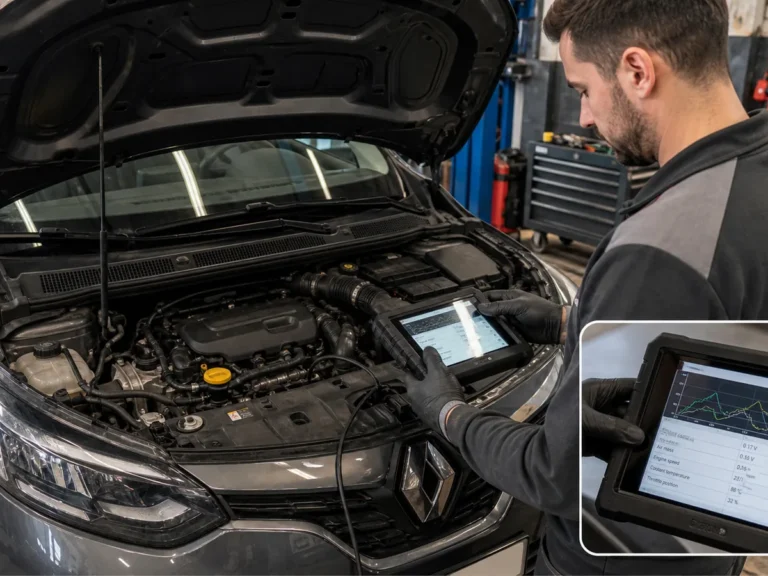
Comments
Be the first to add a practical repair note or follow-up question.