
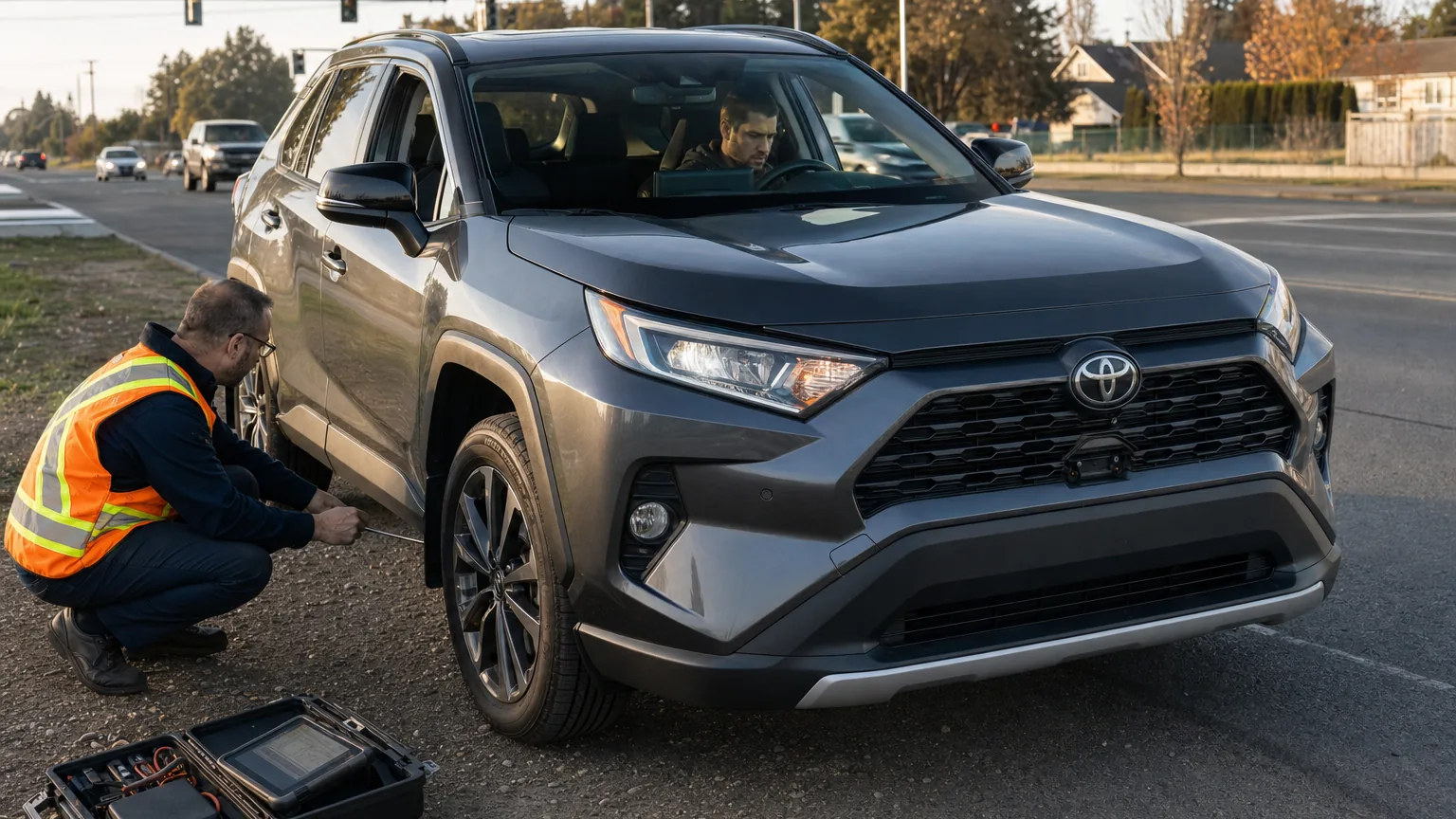
What the symptom usually means
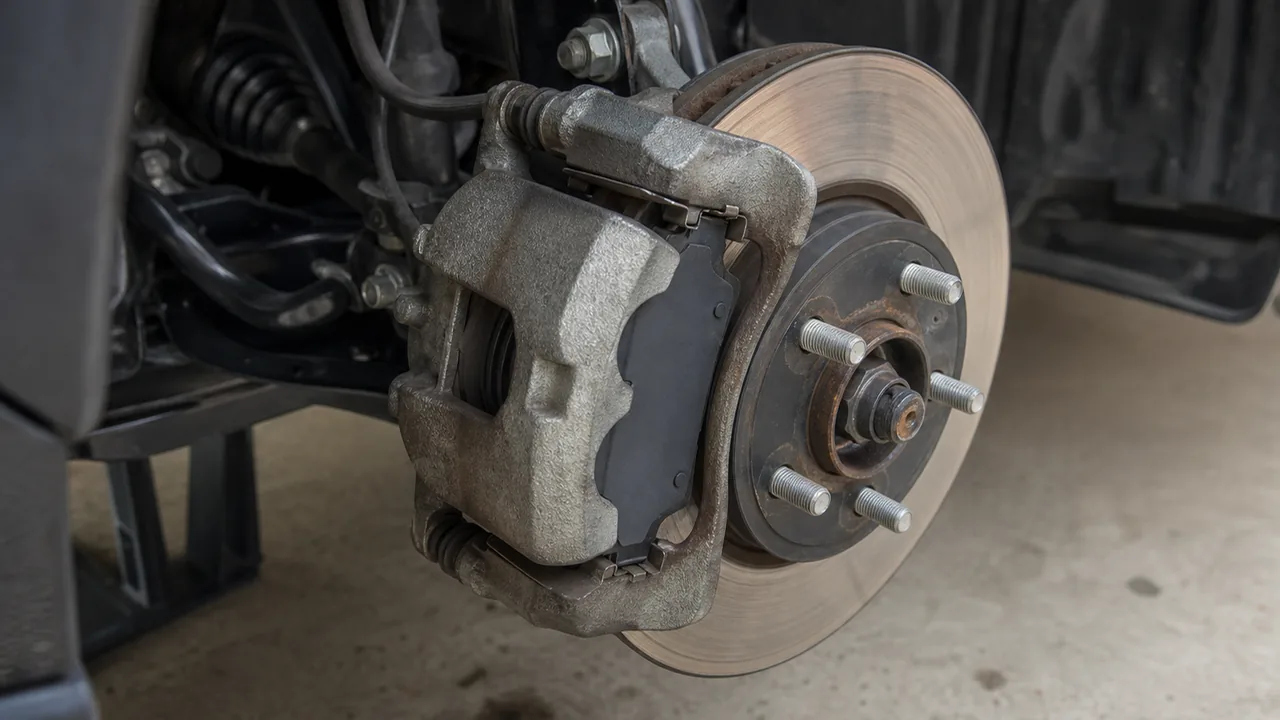
PCS may warn and apply braking when the system judges that a frontal collision risk is developing. DRCC may slow the RAV4 when cruise control is active and the following gap changes. A possible fault moves higher on the list when the event has no matching traffic, road, warning, setting, or sensor-visibility explanation.
- Assist intervention usually has a traffic, obstacle, cruise-control, or warning-message context.
- Fault diagnosis becomes more important when braking repeats without an obvious trigger.
- Recent windshield, bumper, grille, camera-area, tire, or brake work should be reported.
| Driver noticed | May suggest | First response |
|---|---|---|
| Hard slowing with cruise active | DRCC distance response | Note cruise status, traffic, and following setting. |
| Collision alert before braking | PCS intervention | Record the warning and avoid retesting. |
| Braking in glare, rain, snow, fog, or spray | Camera or radar recognition limits | Clean visible areas safely and watch for warnings. |
| Repeated braking with no clear object | ADAS, brake, tire, or control concern | Arrange scan and inspection. |
| Brake, ABS, VSC, or odd pedal feel | Conventional brake or stability-control concern | Stop driving if braking feel is abnormal. |
Common causes
- Pre-Collision System detected a possible obstacle, vehicle, pedestrian, cyclist, or closing-speed risk.
- Dynamic Radar Cruise Control reacted to traffic, a cut-in, or a changing following gap.
- Radar, front camera, windshield, grille, bumper, or emblem area was dirty, wet, icy, fogged, blocked, cracked, or glare-affected.
- Roadside objects, shadows, bright surfaces, merge zones, curves, reflective signs, or unusual markings confused detection.
- Windshield, bumper, grille, front-end, camera, or radar work left calibration or mounting in question.
- Tires, brake hardware, ABS, VSC, TRAC, wiring, module, or software faults need diagnostic confirmation.
A single explainable intervention is different from repeated unexplained braking. Frequency, warnings, and pedal feel set the urgency.
Quick checks
- Clean accessible exterior glass and trim only; do not remove covers or brackets.
- Confirm whether DRCC, PCS, lane assistance, or parking support was active.
- Bring warning photos, event notes, and repair history to the diagnostic visit.
Do not cover sensors, tape over the camera area, add grille accessories in front of radar, or use disabling a safety system as a repair.
Diagnostic order
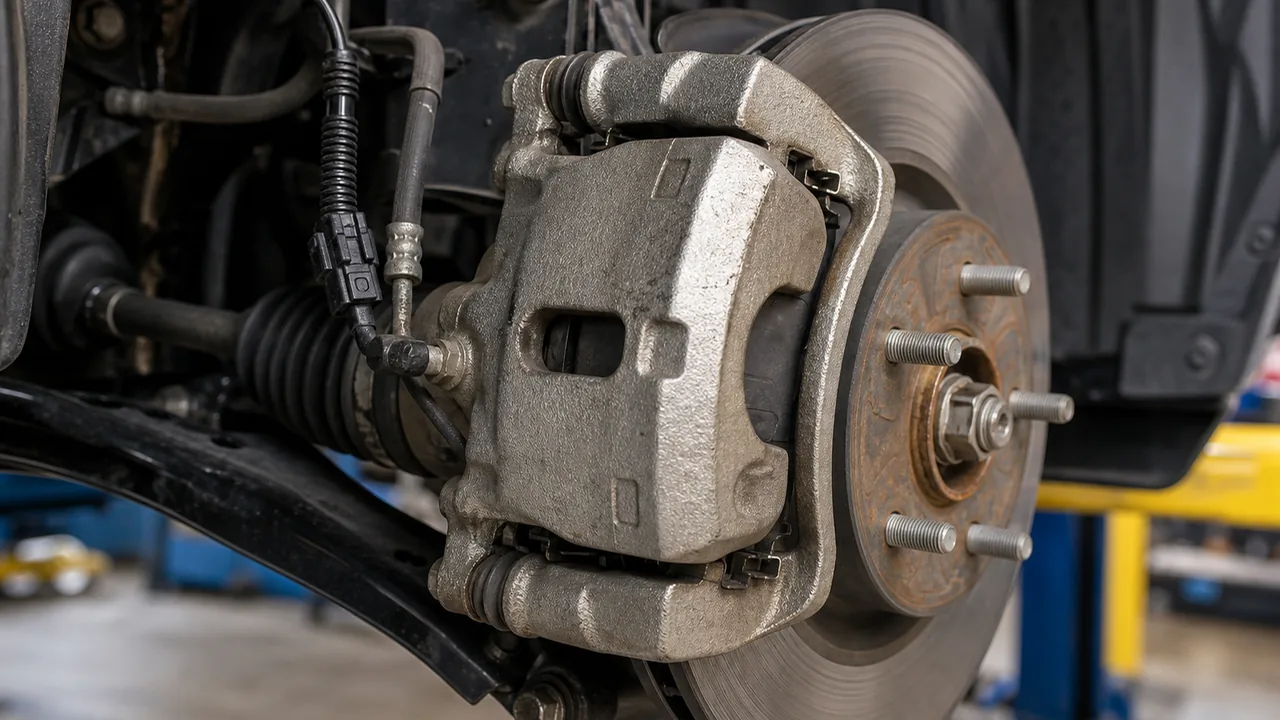
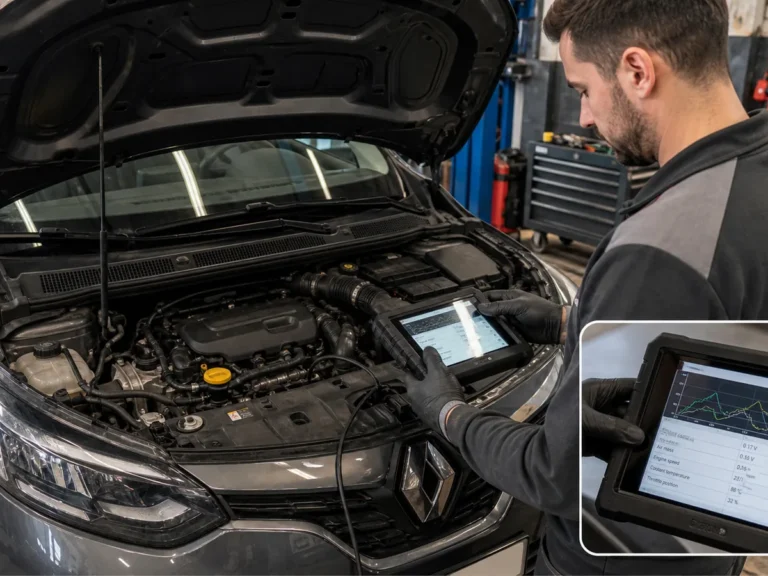
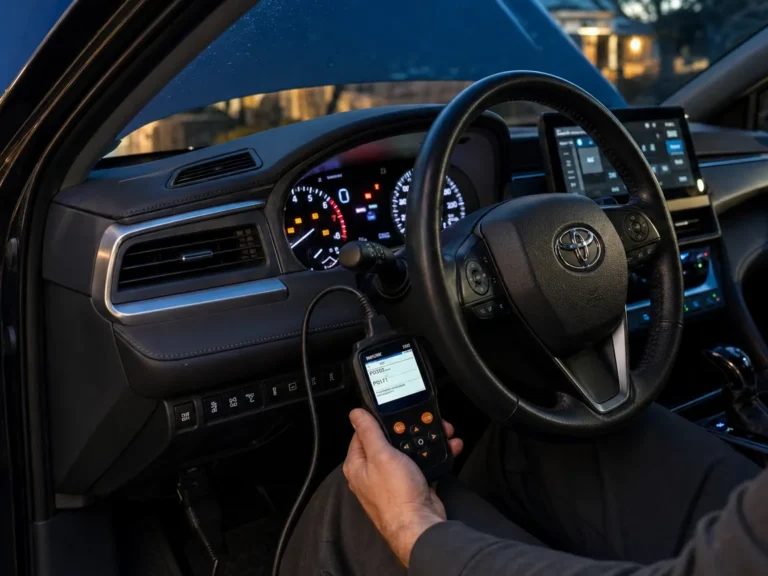
No code can still match a normal PCS or DRCC intervention. A stored history code can point toward sensor visibility, calibration, communication, brake, or stability-control faults. Parts replacement should wait until scan data, inspection, and event history agree.
Parts that may be involved
- Front radar sensor or mount if damage, misalignment, or repair history confirms it.
- Windshield camera area or windshield glass if visibility, mounting, or replacement history affects calibration.
- Brake pads, rotors, calipers, tires, wheel-speed inputs, ABS/VSC components, wiring, or modules only if confirmed.
Parts that may be involved
Do not assume a recall, service campaign, or software update explains sudden braking. Check Toyota owner resources, dealer records, and NHTSA by VIN before drawing conclusions. A vehicle can have an open recall unrelated to the complaint, or a brake/ADAS concern with no open recall.
When the dealer should be involved
- Warning messages return after basic owner-safe cleaning or checks.
- The event followed windshield, bumper, grille, front-end, radar, camera, tire, or brake work.
- The symptom repeats with no clear traffic, weather, glare, or road-object explanation.
- Monitor only when the event is explainable and the vehicle brakes normally afterward.
- Arrange diagnosis when the event is unexplained, repeated, severe, or follows sensor-area work.
- Stop driving when normal braking feel changes or brake-related warning lights appear.
FAQ
These short answers separate normal Toyota driver-assist behavior from conditions that deserve diagnosis. The same complaint can come from sensor interpretation, settings, road conditions, or a true brake/ADAS fault.
Comments
Be the first to add a practical repair note or follow-up question.