
What the symptom usually means
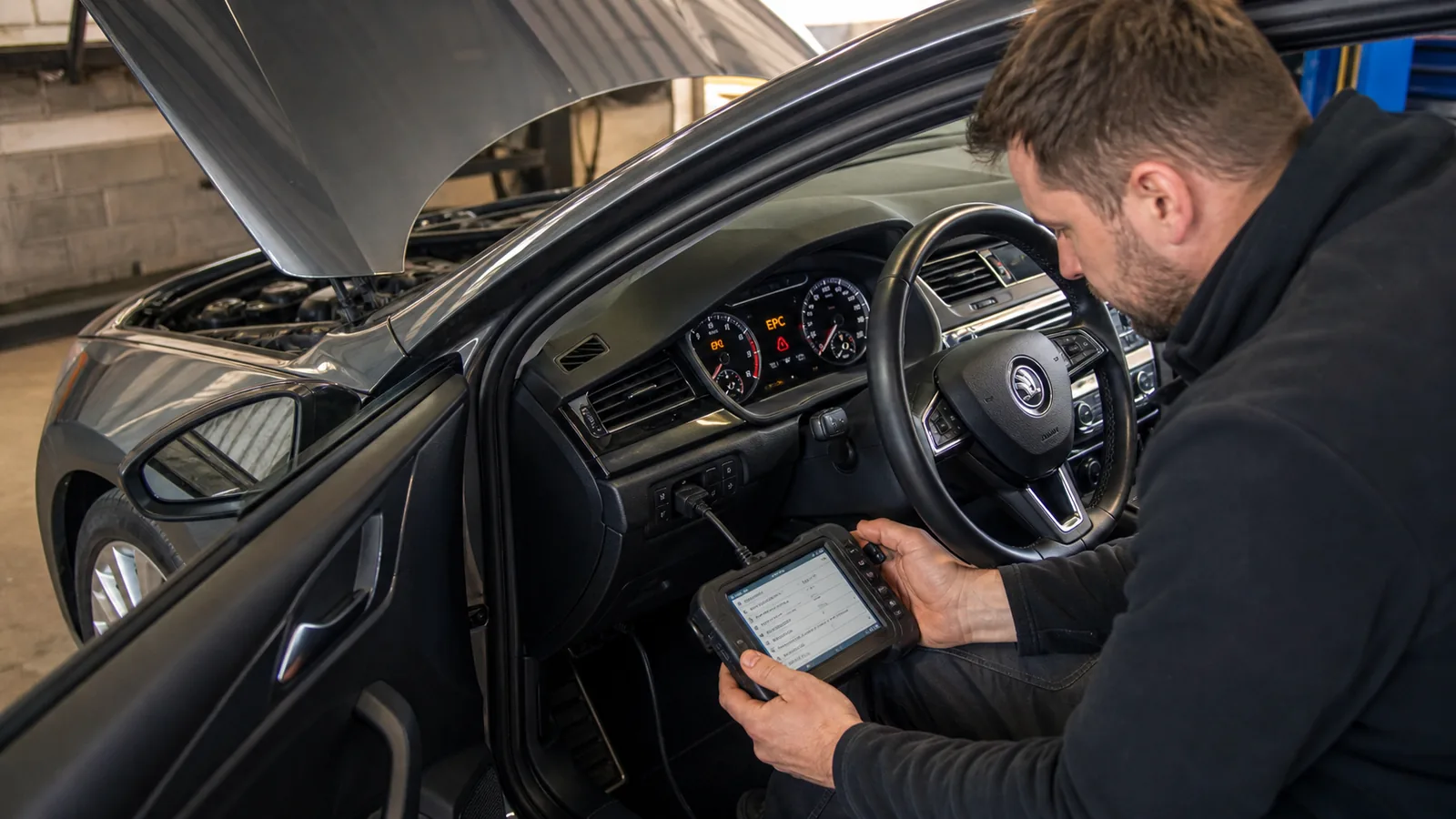
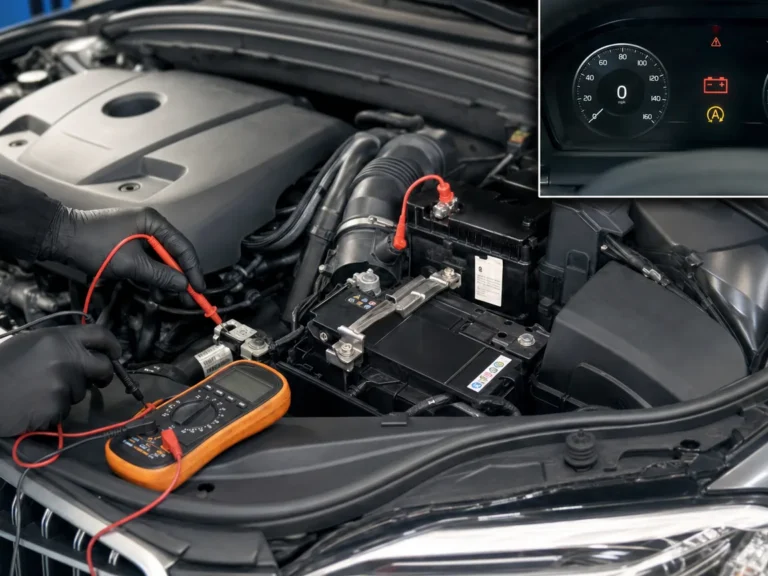
The Skoda Electronic Power Control (EPC) light, a Volkswagen Group‑specific warning, illuminates when the engine management system detects a fault in the throttle control, traction control, or other monitored subsystems. When accompanied by a sudden loss of power, the ECU has typically engaged limp mode to protect the engine from damage. This combination tells you a drivability‑affecting fault has been logged and that continued normal driving is not advisable until the cause is identified.
Beyond the illuminated EPC light and reduced acceleration, you may notice one or more of the following:
- Engine idles roughly or stalls when coming to a stop
- Engine revs but the car will not accelerate normally (limp mode)
- ESP or traction control warning lights appear alongside EPC
- Brake lights not working (pedal switch fault)
- Hesitation or surging when pressing the accelerator
- Increased fuel consumption or exhaust smell
Common causes
The EPC system monitors multiple components. The most common triggers for a simultaneous EPC light and power loss are:
- Faulty throttle body – carbon buildup, stuck flap, or a failing electronic motor
- Brake light switch malfunction – the EPC/ESP logic receives conflicting signals
- Accelerator pedal position sensor failure – incorrect voltage readings
- Mass air flow (MAF) or manifold absolute pressure (MAP) sensor erratic data
- Wiring harness damage – chafing, corrosion, or broken connectors near the engine
- Ignition coil or spark plug misfire severe enough to trigger limp‑home mode
- EGR valve issues (especially on diesel models) causing airflow disruption
Quick checks
Before connecting a scan tool, perform these basic visual inspections. They often reveal the cause without any tools:
- Check that the brake lights illuminate when the brake pedal is pressed. A failed switch can trigger EPC on its own.
- Remove the intake pipe and inspect the throttle body for heavy carbon deposits or oil accumulation.
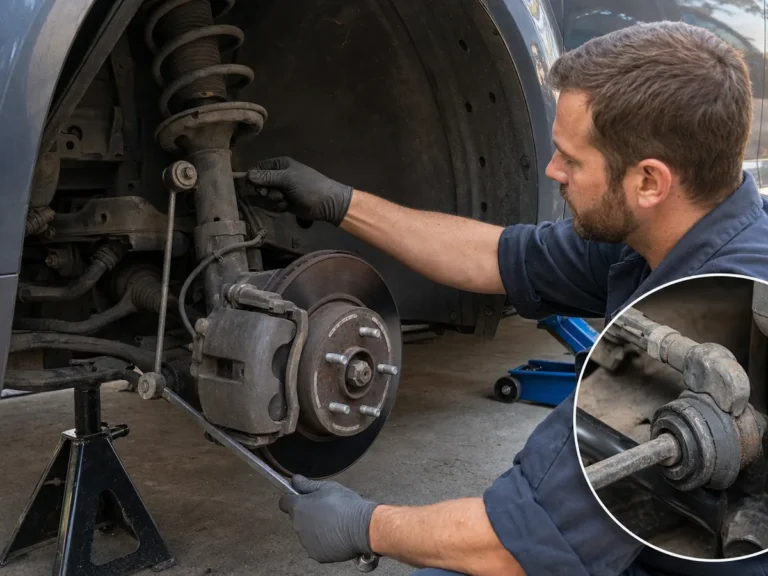
- Look for loose, cracked, or chafed wiring around the pedal sensors and throttle body connector.
- Verify engine oil and coolant levels; critically low fluids can cause protective limp mode.
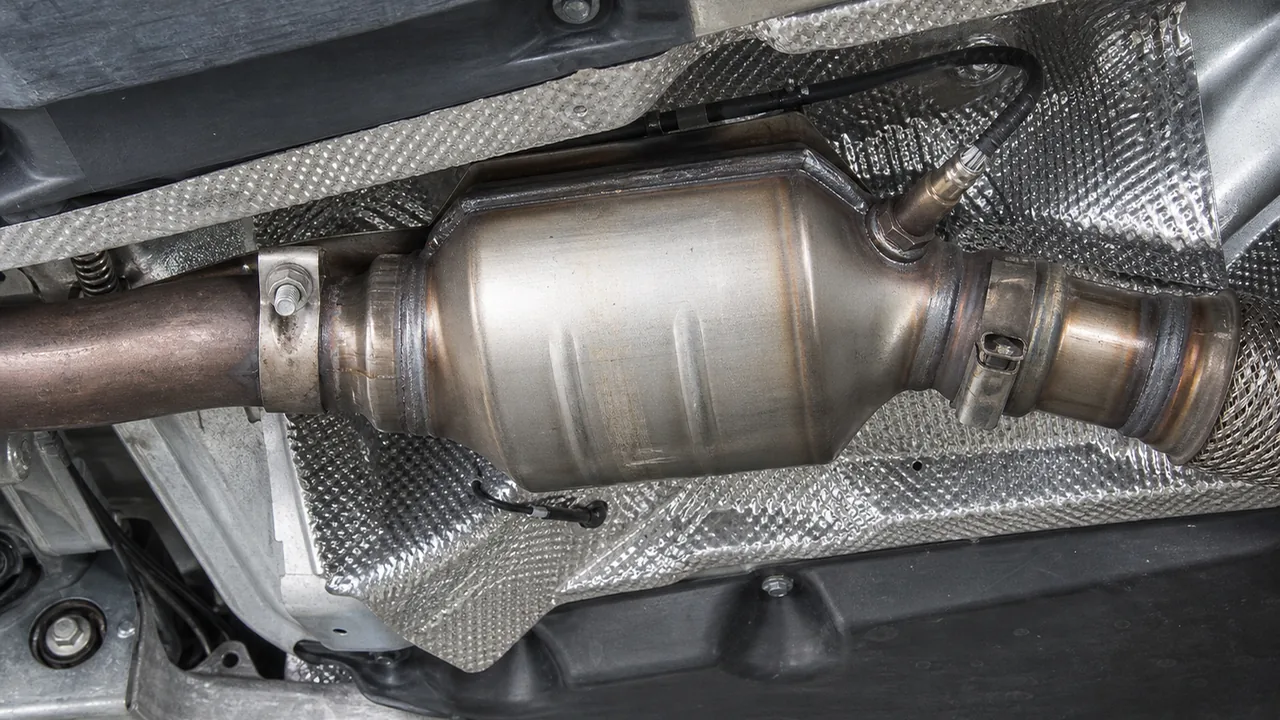
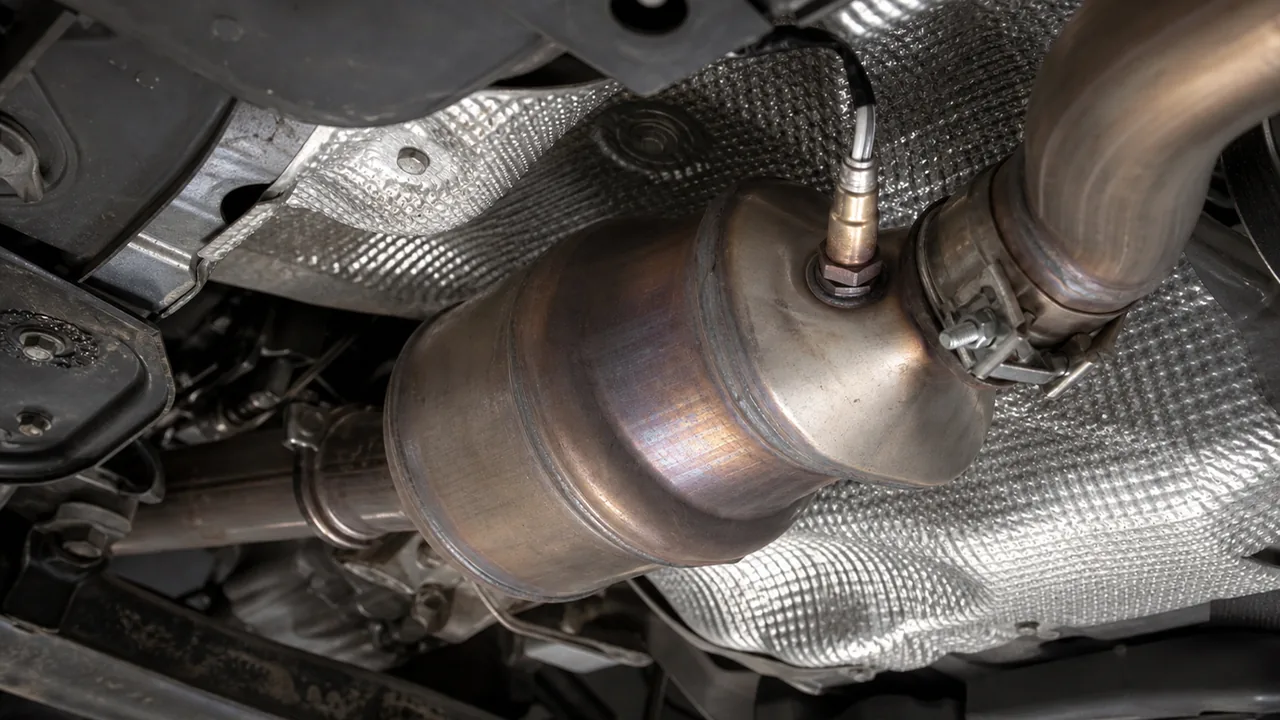
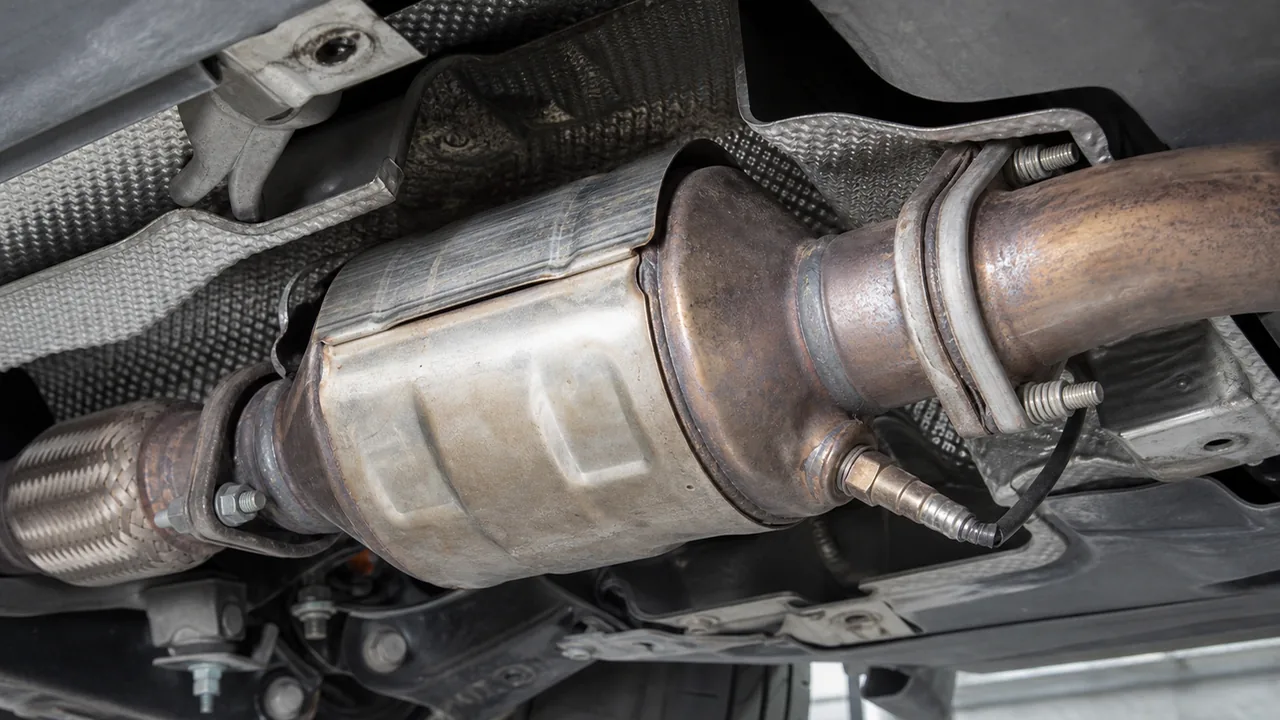
- Smell for unburnt fuel or a rotten‑egg odor from the exhaust, which may signal a failing catalytic converter.
Diagnostic order
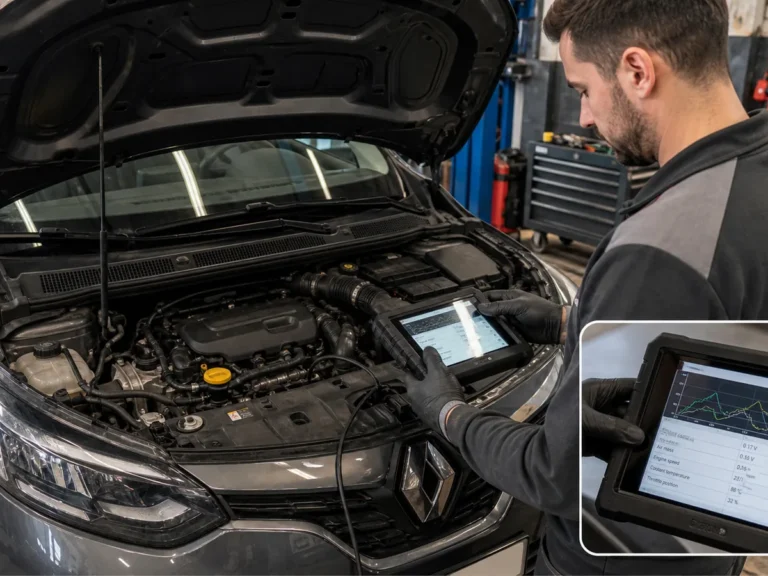
After the visual checks, follow this scan sequence to isolate the fault efficiently:
- Connect a VAG‑compatible OBD2 scanner to the diagnostic port under the driver’s side dashboard. Turn the ignition on but do not start the engine.
- Read all stored and pending fault codes. Write down every code before clearing anything.
- Cross‑reference the codes with the table below. Note whether they are P‑codes or VAG‑specific.
- Clear the codes and take a gentle test drive. If the EPC light returns, proceed to live data.
- With the engine idling, monitor throttle position, accelerator pedal sensor voltages, and brake light switch status using the scanner.
- If the throttle body needs adaptation, use a tool capable of running VAG ‘basic settings’ (such as VCDS or OBDeleven). Do not attempt a manual reset without proper equipment.
| Fault Code | Likely Cause |
|---|---|
| P0638 / 17953 | Throttle actuator control range/performance |
| P0121 / 16505 | Throttle/pedal position sensor A range |
| P0221 / 16605 | Accelerator pedal position sensor G79 range |
| P2135 / 17987 | Throttle/pedal sensors implausible signal |
| 16955 / P0571 | Brake light switch (A) circuit malfunction |
| P0101 | Mass air flow circuit range/performance |
Generic OBD2 scanners may not display all VAG‑specific codes. If the light persists without clear data, a workshop‑grade VCDS or dealer tool is the next step. See our guide to VAG‑compatible OBD2 scanners for recommendations.
Parts that may be involved
Skoda Octavia, Fabia, and Superb models using EA211 or EA888 petrol engines can show throttle body wear earlier, often around 60 000 km. Early 1.2 TSI units with timing chain tensioner faults occasionally mask crank/cam sensor problems as EPC events. Diesel variants may illuminate the EPC light due to a failing EGR valve, though that typically also triggers the check engine light. Always check for technical service bulletins related to your specific engine code—some issues have ECU software updates that a dealer can apply free of charge.
For 1.4 TSI twin‑charger engines (CAVE/CTHE), a common intake flap fault can mimic throttle body failure. Live data comparison between specified and actual flap position helps confirm this before replacing parts.
Driving with the EPC light and limp mode active is only safe for very short distances—to pull off the road and into a safe spot. Limp mode restricts engine power to prevent catastrophic damage, but continued operation risks overheating the catalytic converter, leading to repair bills far exceeding the original fault. If the EPC light flashes or the engine misfires heavily, stop immediately. If the car resets itself after restarting and drives normally, the fault may be sporadic—but the code is still stored, so scan it as soon as possible.
FAQ
Can a faulty brake light switch really cause EPC light and limp mode?
Yes, on many Skoda models the brake light switch is integrated into the EPC/ESP logic. A failed switch can confuse the throttle command, triggering limp mode. Check brake lights as a first step.
Will clearing the code fix the power loss permanently?
No. Clearing codes may temporarily restore normal power, but if the underlying fault persists, the light and limp mode will return. Always diagnose the cause, don’t just reset.
How much does it cost to repair an EPC-related fault?
Costs vary: a brake light switch replacement is relatively inexpensive, while a throttle body replacement can be several hundred pounds or euros. Always obtain a diagnosis from a trusted workshop before approving expensive work.
Can I do a throttle body adaptation myself?
Only if you have a diagnostic tool that performs the VAG basic settings procedure. Incorrect adaptation can leave the engine running poorly. See our Skoda throttle body cleaning guide for the correct steps.

Comments
Be the first to add a practical repair note or follow-up question.