
What the symptom usually means
Toyota intentionally illuminates the VSC and TRAC Off warnings alongside the Check Engine light. The engine control module (ECM) relies on inputs from the mass air flow sensor, throttle position sensor, crankshaft and camshaft sensors, and oxygen sensors to calculate engine torque. When a fault causes any of these signals to become implausible or a circuit failure occurs, the ECM can no longer guarantee the precise torque output that the stability control algorithms need. To avoid unintended vehicle behavior, it commands the skid control ECU to disable VSC and TRAC and turn on their warning lights. This is a fail-safe design, not a second problem; once the engine fault is corrected and codes cleared, the stability systems will re-engage on the next ignition cycle—unless a separate zero-point calibration is needed for the yaw rate and steering angle sensors. In most cases, no additional VSC-specific repairs are necessary; fix the engine issue and the warning trio disappears.
Common causes
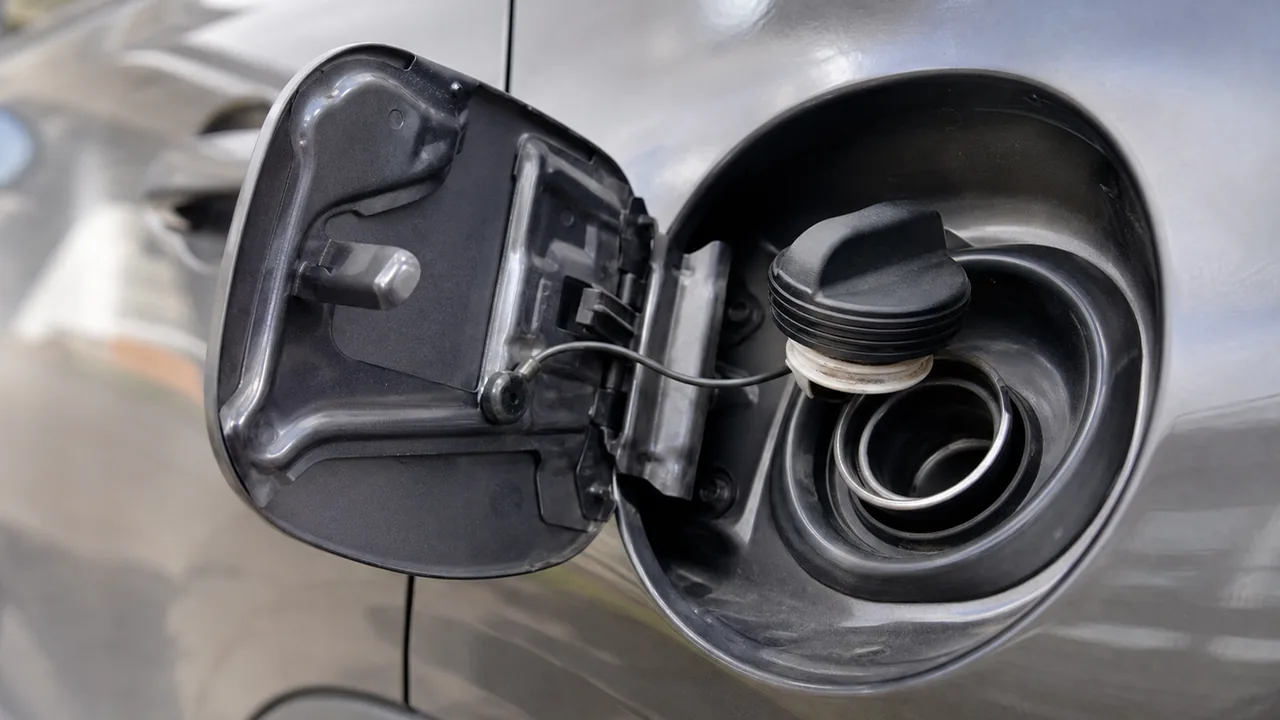
- Loose or faulty fuel cap triggering an EVAP system leak code.
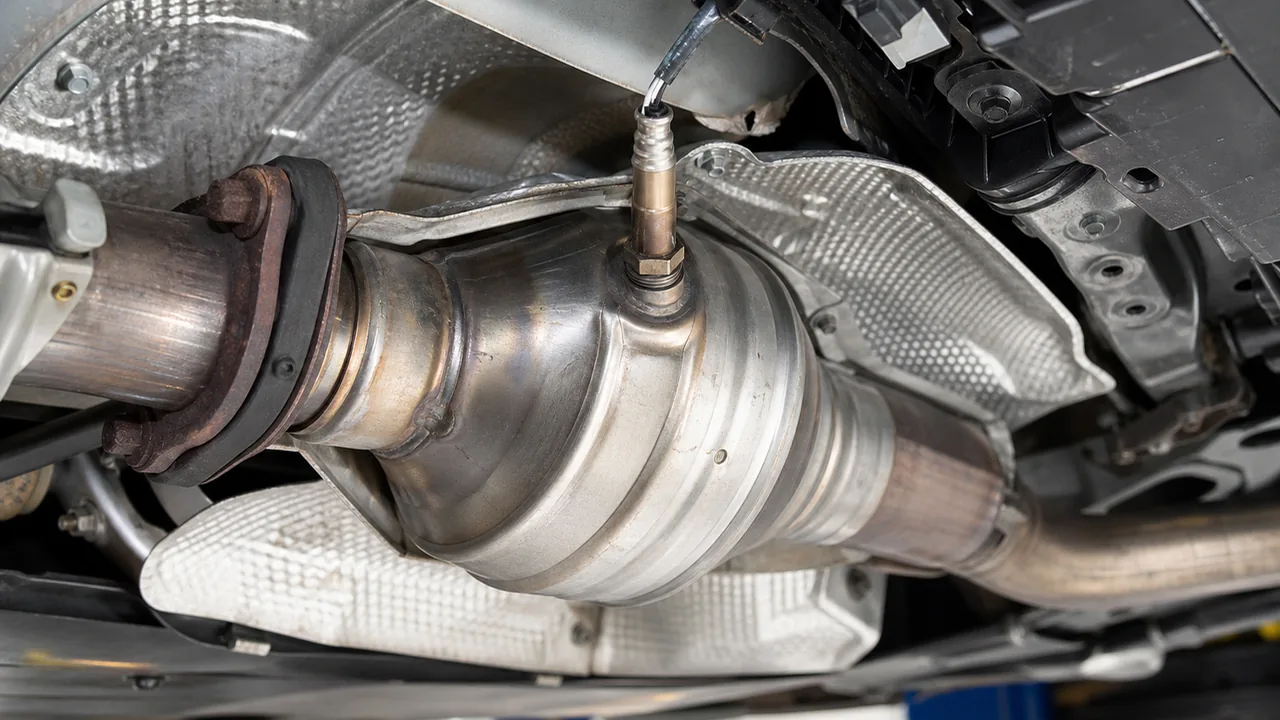
- Faulty oxygen sensor (O2) causing rich or lean fuel mixture codes.
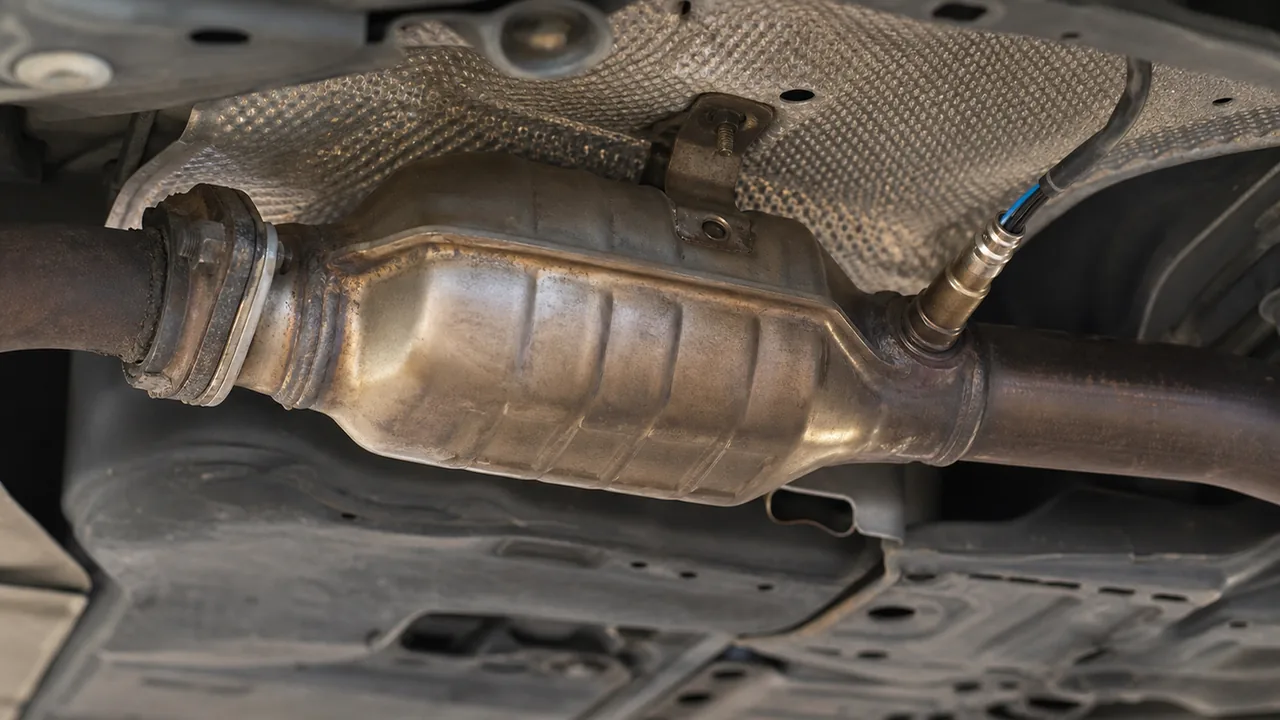
- Catalytic converter efficiency below threshold (often P0420 on Toyota).
- Mass air flow sensor contamination or failure.
- Ignition coil or spark plug misfire causing a flashing Check Engine light.
- Brake light switch failure (oddly, can trigger VSC/TRAC without an engine code).
| DTC | Probable Cause | Estimated Repair Cost Range (Parts & Labor) |
|---|---|---|
| P0455 / P0456 | Loose fuel cap or EVAP leak | Repair cost depends on the failed part, parts quality, and local labor rates. |
| P0171 / P0174 | System too lean (vacuum leak, dirty MAF, weak fuel pump) | Repair cost depends on the failed part, parts quality, and local labor rates. |
| P0420 | Catalyst system efficiency below threshold (catalytic converter or exhaust leak) | Repair cost depends on the failed part, parts quality, and local labor rates. |
| P0300 / P0301–P0306 | Cylinder misfire (ignition coil, spark plug, or injector) | Repair cost depends on the failed part, parts quality, and local labor rates. |
| No engine code (C-codes only) | Brake light switch or ABS wheel speed sensor | Repair cost depends on the failed part, parts quality, and local labor rates. |
Quick checks
- Tighten the fuel cap until it clicks at least three times. A loose cap is the most common cause of EVAP codes and will extinguish the lights after a drive cycle if the cap was the sole issue.
- Verify your brake lights work correctly. A failed brake light switch can confuse the ABS/VSC module and trigger warnings even without an engine code (see related article on Toyota brake light switch diagnosis).
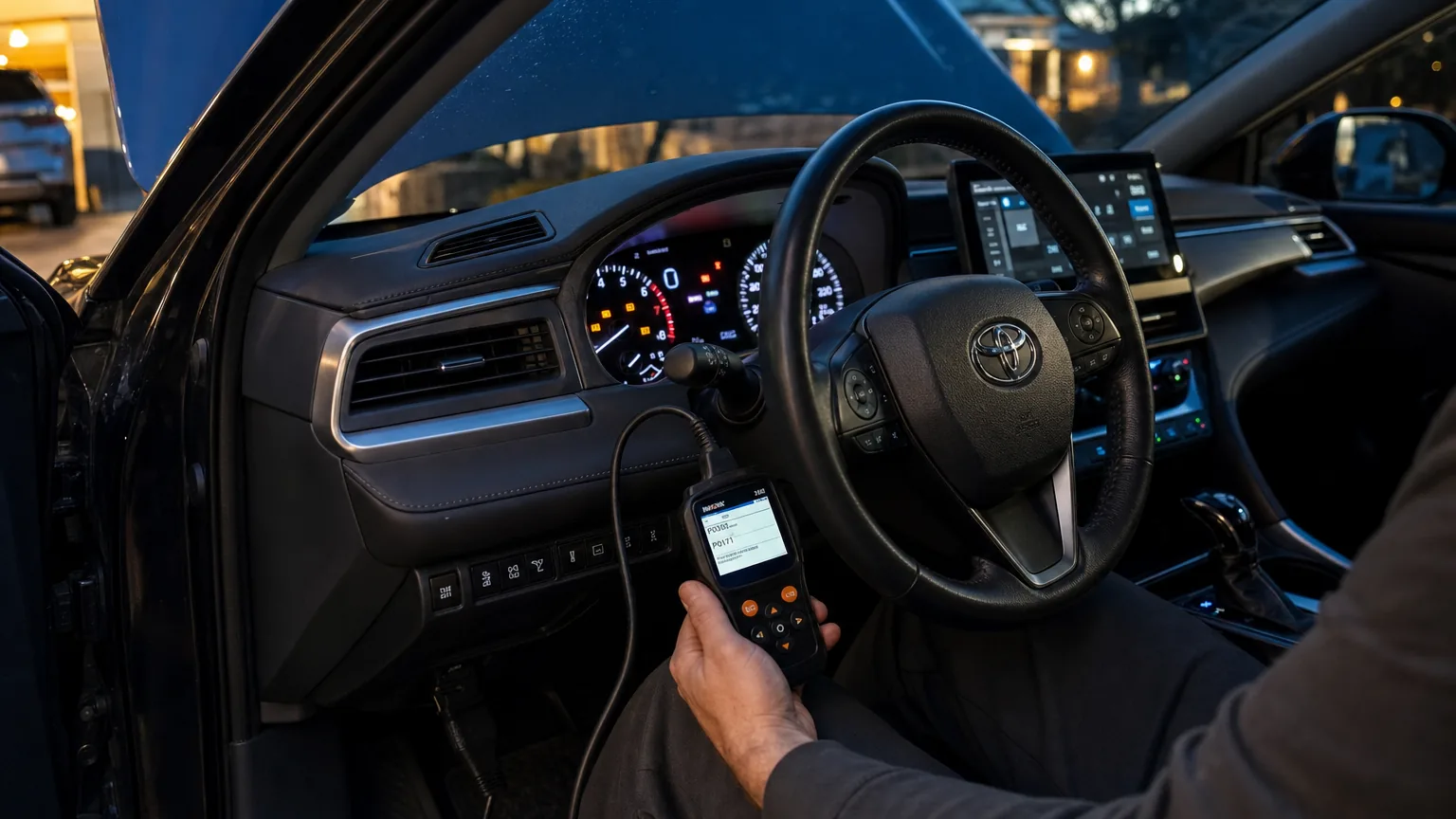
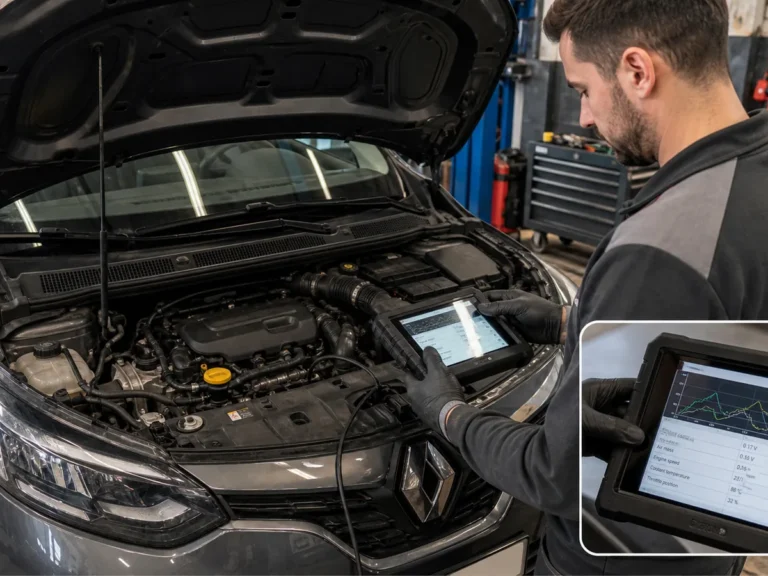
- Connect an OBD-II scanner to the diagnostic port under the dashboard. Record any codes before clearing them. A generic scanner may read P-codes, but a Toyota-aware tool (like Techstream or a high-end scanner) can also read ABS and VSC sub-codes.
When it is urgent
A glowing Check Engine light with VSC and TRAC Off doesn’t always mean you’re stranded, but certain behaviors demand immediate attention. The most critical distinction is between a steady and a flashing Check Engine light. A steady light indicates a stored trouble code but usually allows limited driving. A flashing light signals a severe misfire that can damage the catalytic converter; pull over, shut off the engine, and have the vehicle towed. Beyond the light behavior, watch for these escalation triggers that mean you should stop driving or seek immediate professional help:
- Engine stalling, rough idle, or no-start condition after the lights appear.
- Overheating, coolant loss, or white exhaust smoke that suggests a head gasket failure.
- Burning smell or visible smoke under the hood.
- Hearing unusual knocking or rattling from the engine bay.
- Brake pedal feels stiff or brake warning light also illuminated, indicating possible loss of vacuum or brake assist.
- Fluid puddles (coolant, oil, or fuel) forming under the vehicle.
- Any loss of power steering or electrical system glitches, hinting at a broader charging or accessory failure.
If none of these are present and the Check Engine light is steady, you can drive cautiously to a repair shop. Remember, since VSC and traction control are disabled, the vehicle will be more prone to wheel spin and slide on slick surfaces, so avoid rain, snow, or gravel roads.
Diagnostic order
- Perform a visual check under the hood: look for disconnected vacuum hoses, loose wiring, or obvious fluid leaks.
- With the engine off, plug an OBD-II scanner into the port. Turn the ignition to ON (engine off) and retrieve all stored codes. Note pending, current, and permanent codes.
- Look up the code meaning. For Toyota-specific sub-codes (e.g., P1604), use a tool capable of reading manufacturer-enhanced DTCs; generic code readers may only show generic P-code descriptions.
- If multiple codes are present, address the one related to primary engine management first (e.g., misfire or fuel trim issues) before dealing with downstream codes like catalyst efficiency.
- After repair, perform a drive cycle to set the readiness monitors and confirm the code does not return. Then, if needed, perform a zero-point calibration for the VSC system as described in Toyota service procedures.
Parts that may be involved
- Fuel cap – often the cheapest and easiest fix; a cracked rubber seal or dirt can prevent proper sealing.
- Oxygen sensors (upstream and downstream) – commonly replaced in pairs; an aging sensor can cause false lean codes and drivability issues.
- Mass air flow sensor – cleaning with MAF-specific spray may restore performance; if the hot wire is damaged, replacement is required.
- Catalytic converter – expensive; verify diagnosis with back-pressure test or temperature differential using an infrared thermometer before replacing.
- Brake light switch – surprisingly common trigger for VSC/TRAC lights without a Check Engine light; install an OEM-quality switch.
- If the basic visual and scan-based checks are inconclusive, have a technician confirm fan-circuit power, command signals, and module operation with the correct wiring data.
FAQ
Can I drive my Toyota with the Check Engine and VSC light on?
If the Check Engine light is steady (not flashing) and the vehicle drives normally, you can drive cautiously to a repair shop. However, because VSC and traction control are disabled, avoid wet or slippery roads. If the engine stumbles or the light flashes, stop immediately.
Will the VSC and TRAC lights go off after I fix the engine problem?
In most cases, repairing the underlying engine fault and clearing the codes with a scanner will turn off all three lights. Some Toyota models require a zero-point calibration after certain repairs or a battery disconnect for the VSC system to function correctly again.
I got no engine codes but the VSC and TRAC lights are still on. What now?
Check the brake light switch—it is a known non-engine cause. Also, have the ABS module scanned for chassis codes (C-codes) using a Toyota-compatible scanner. If the basic visual and scan-based checks are inconclusive, have a technician confirm fan-circuit power, command signals, and module operation with the correct wiring data.
Can I reset the lights by disconnecting the battery?
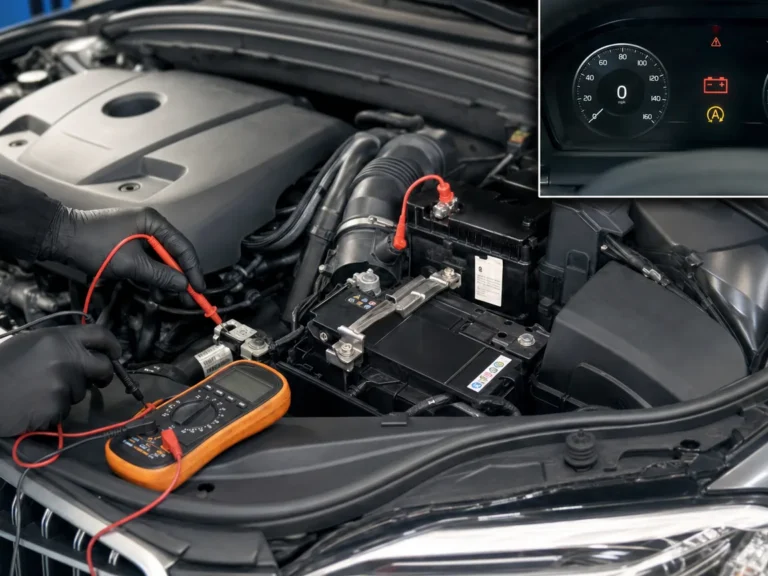
You can, but doing so erases the diagnostic trouble codes and freeze-frame data needed to find the root cause. If you disconnect the battery first, a technician may need extra diagnostic time—costing you more.

Comments
Be the first to add a practical repair note or follow-up question.