
What the symptom usually means
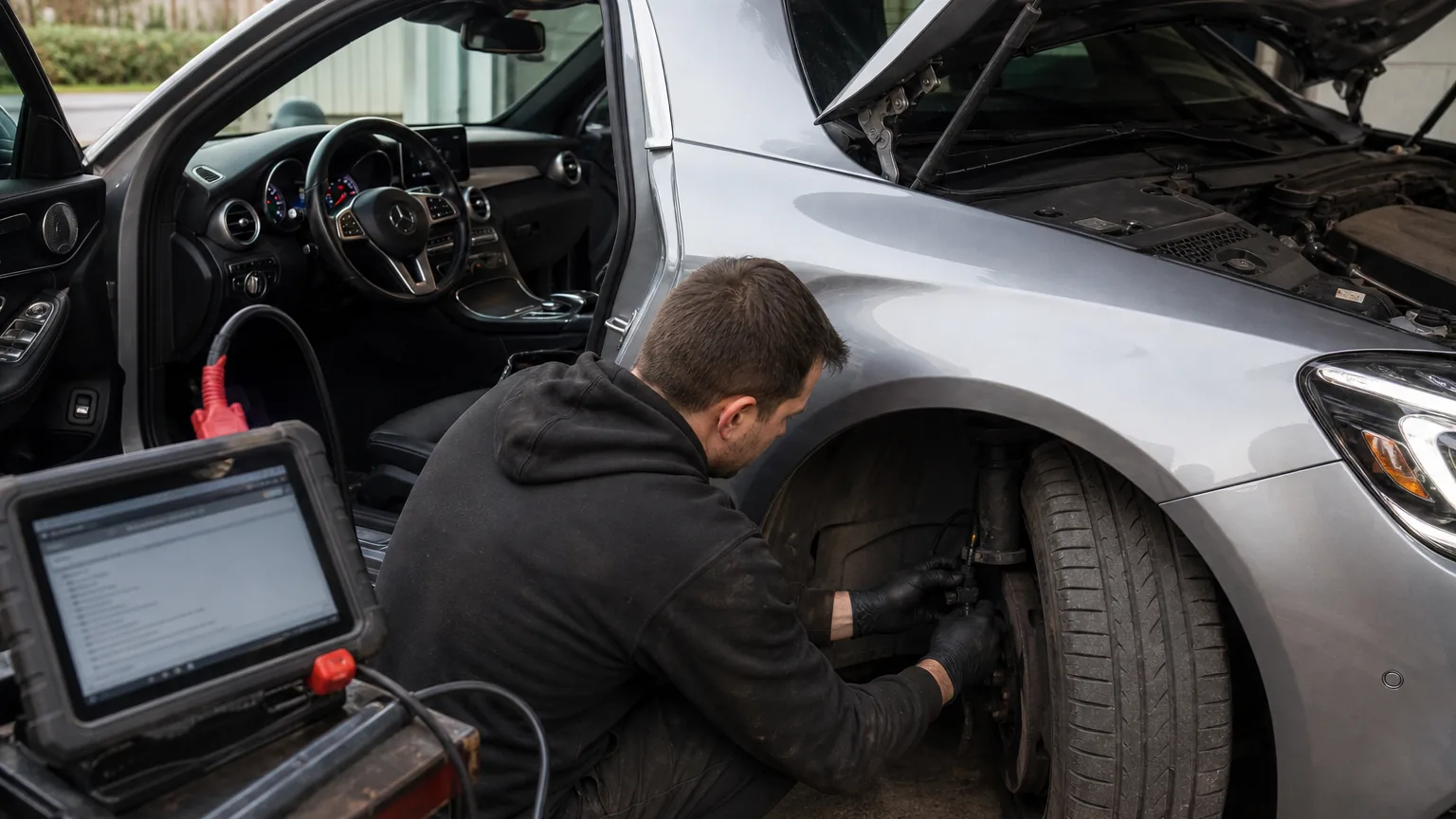
When you start the engine and the ESP warning light comes on but then disappears after a restart or during driving, the pattern strongly implicates two areas. First, a wheel speed sensor that fails to provide a valid signal during the low-voltage cranking event. The ABS module interprets missing pulses as a fault and sets the ESP inoperative warning. Once the engine runs and voltage stabilizes, the sensor often works again, masking the issue until the next cold start. Second, a steering angle sensor that has lost its zero-point calibration. If the sensor’s stored steering center position is corrupted—often after a battery disconnect or low-voltage spike—the ESP module cannot confirm the straight-ahead reference, triggering the warning. These two scenarios account for the vast majority of intermittent after-restart ESP lights. Less commonly, a weak battery or alternator can cause voltage sags that confuse multiple modules. The symptom’s timing is your best clue: if the light appears immediately at startup and clears after a drive, suspect a wheel sensor; if it also stays on after a calibration attempt, the steering angle sensor may be faulty.
Common causes
- Corroded or loose wheel speed sensor connector – moisture ingress at the sensor plug causes intermittent signal drop during cranking voltage dip.
- Failing wheel speed sensor coil – the internal magnet or coil degrades, unable to generate sufficient AC voltage at low wheel speeds or low system voltage.
- Steering angle sensor calibration loss – volatile memory wiped by battery disconnect or jump-start, requiring re-calibration.
- Low battery or charging system weakness – voltage below 10V during cranking confuses ABS/ESP modules and can trigger false sensor faults.
- Damaged or debris-covered tone ring – a cracked reluctor ring or metallic debris interrupts signal pulses, especially after restart when the system runs a self-test.
Quick checks
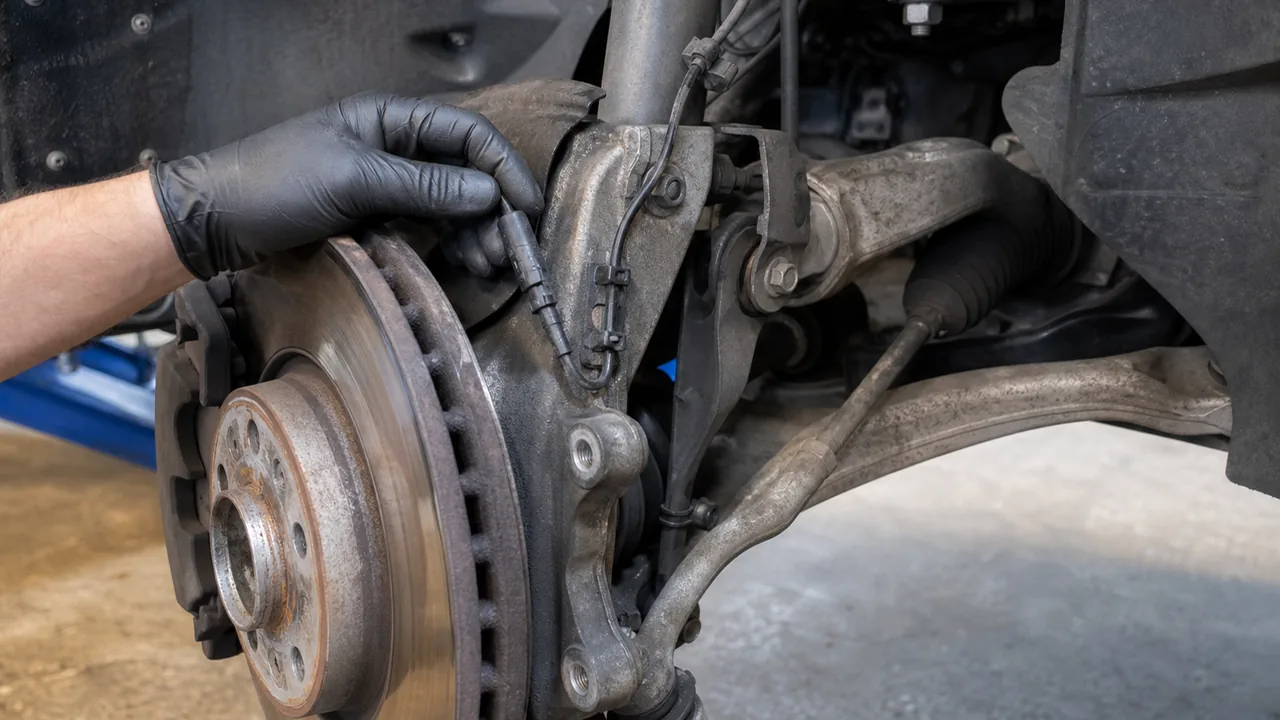
You can perform several inspections without specialized diagnostic tools. These steps help identify obvious physical faults before diving into scanner-based tests.
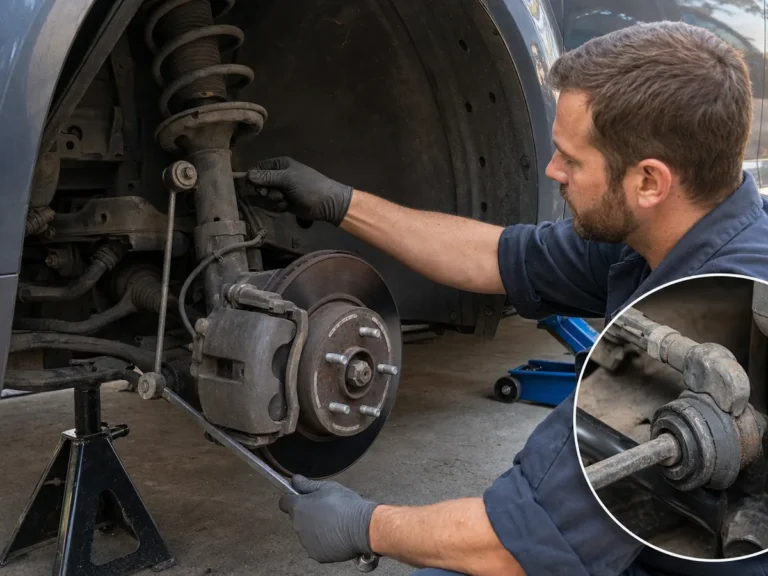
- Inspect each wheel speed sensor wiring harness for cracks, chafing, or rodent damage, especially near the suspension and steering knuckle.
- Unplug the sensor connector and check for corrosion, bent pins, or moisture inside the terminal housing.
- Look through the sensor mounting hole (if accessible) at the tone ring teeth—ensure they are clean, not cracked, and free of metal debris. Rotate the wheel to inspect the entire ring.
- With the key on but engine off, rotate the wheel by hand and listen for scraping or clicking sounds that indicate a displaced sensor hitting the tone ring.
- For a steering angle sensor quick recalibration attempt: turn the steering wheel slowly lock to lock (full left to full right) a couple of times with the engine running. This can sometimes re-center the sensor if the fault is a minor zero-point drift. Then cycle the ignition and see if the ESP light resets.
When it is urgent
An inoperative ESP is not a legal requirement for driving, but it significantly reduces active safety. The system prevents skids, mitigates understeer and oversteer, and helps maintain control during emergency maneuvers. In wet, icy, or loose-surface conditions, the risk of a spin or loss of control increases substantially. You should prioritize repair immediately if: the ESP warning appears alongside an ABS or brake warning light, signaling a base braking fault; you experience unusual handling, pulling, or a spongy pedal; you need to drive in adverse weather; or you frequently carry passengers. While a single ESP warning after restart may allow a short, cautious drive to a workshop, do not treat it as a non-issue. Schedule diagnosis without delay.
Diagnostic order
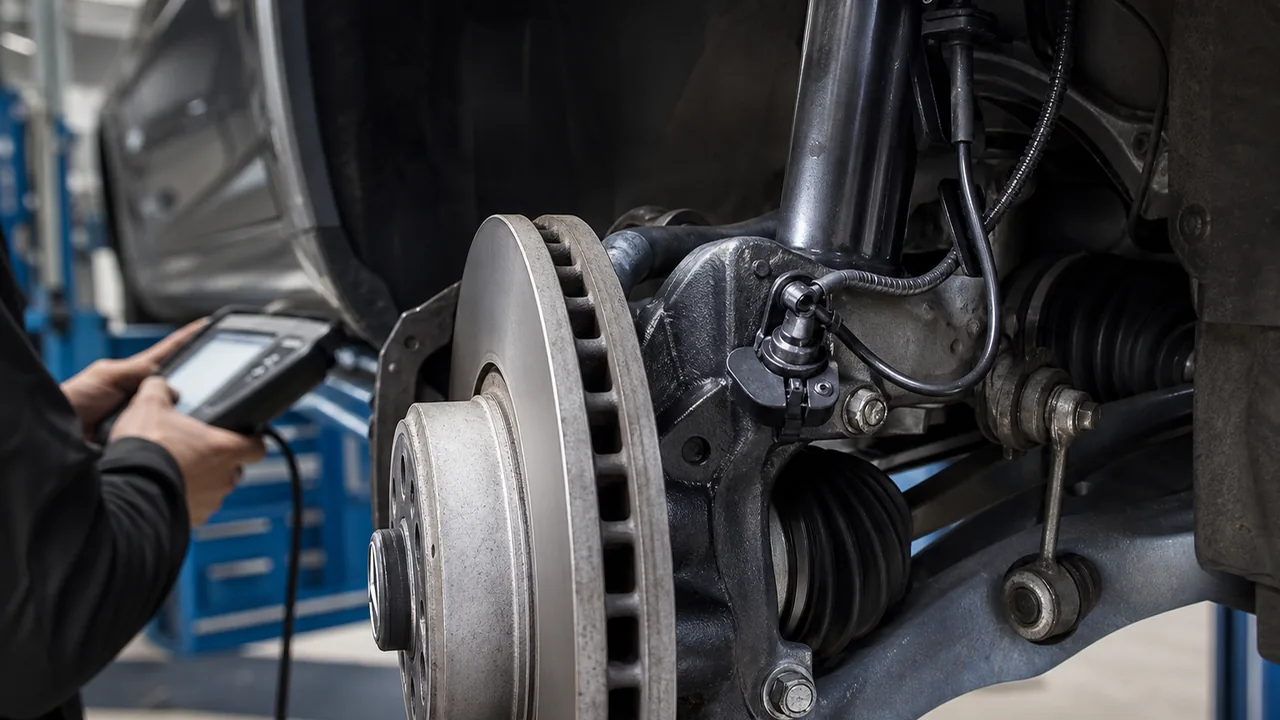
Follow this ordered sequence to methodically isolate the fault. Jumping directly to part replacement often leads to unnecessary expense.
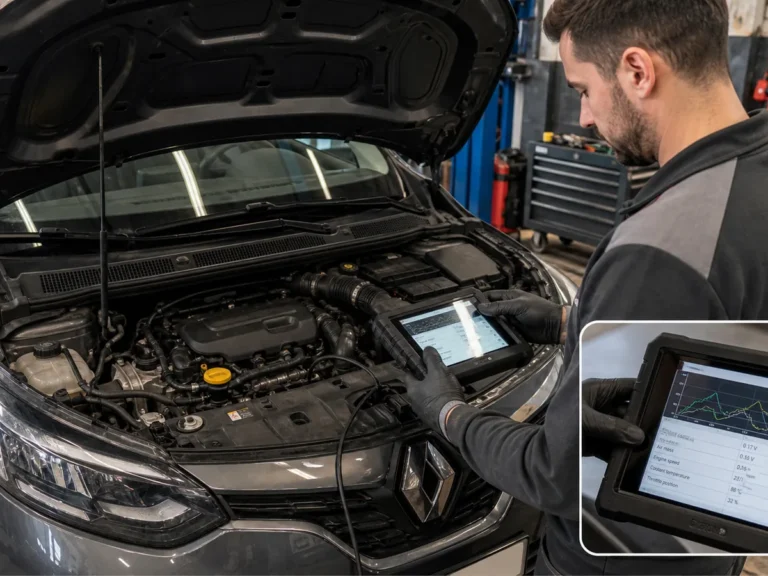
- Connect an OBD‑II scanner (a Mercedes‑capable tool like iCarsoft or XENTRY is best, but many generic scanners read chassis codes) and retrieve all fault codes from the ABS/ESP module. Note any C‑prefix codes.
- Interpret the codes: if a code points to a specific wheel (e.g., C1040 for left front), focus on that wheel speed sensor circuit first.
- Monitor live data: with the scanner, watch wheel speed sensor readings in real time. Crank the engine while monitoring—if a sensor drops to zero or shows erratic values during cranking, it is a strong suspect.
- For steering angle sensor codes (e.g., C1142, C1160), observe the steering angle PID. Turn the wheel lock to lock; the reading should change smoothly. A frozen or implausible value indicates sensor fault or calibration loss.
- If capable, perform a steering angle sensor calibration using the scan tool. Follow the on‑screen procedure (center the steering wheel, then initiate calibration). Repeated calibration failure often points to an internal sensor defect.
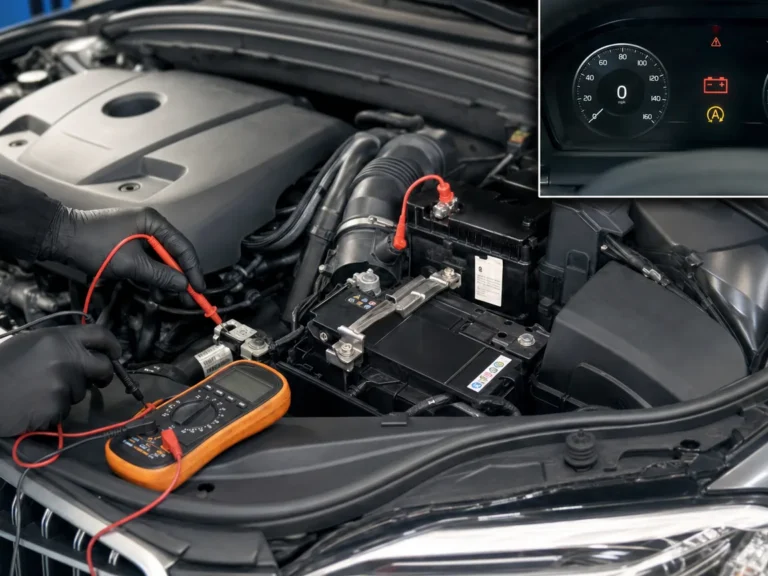
- If the basic visual and scan-based checks are inconclusive, have a technician confirm fan-circuit power, command signals, and module operation with the correct wiring data. Resting voltage should be above 12.4 V; cranking voltage must not drop below 10 V. A weak battery can cause false sensor codes.
- If all individual sensors test good, consider the ABS/ESP control module itself or a wiring harness issue (corroded grounds, broken CAN lines) as the next diagnostic branch.
| Typical Symptom Pattern | ESP light appears immediately at startup, may clear after driving; often tied to one wheel if faulty. | ESP light after restart, steering wheel off‑center or pulling, sometimes accompanied by traction control issues. |
| Key DTCs | C1011, C1022, C1040, C1210, C1222 | C1142, C1158, C1160, C1210 |
| DIY Friendliness | Fairly easy to replace; simple connector; visual inspection possible. | Usually requires scanner for calibration; replacement more involved due to steering column integration. |
| Part Cost (Qualitative) | Relatively affordable; typically the lower‑cost repair. | Generally more expensive; often sold as a clockspring assembly. |
| Recommended First Check | Visual wiring and tone ring inspection; live data during cranking. | Scan for codes and attempt lock‑to‑lock reset or calibration. |
- Wheel speed sensor: C1011 (Left Front Sensor), C1022 (Left Front Signal), C1040 (Right Front Sensor), C1210 (Right Rear Sensor), C1222 (Wheel Speed Signal).
- Steering angle sensor: C1142 (Steering Angle Internal), C1158 (Steering Angle No Calibration), C1160 (Steering Angle Implausible), C1210 (CAN Communication with Steering Angle Sensor).
Parts that may be involved
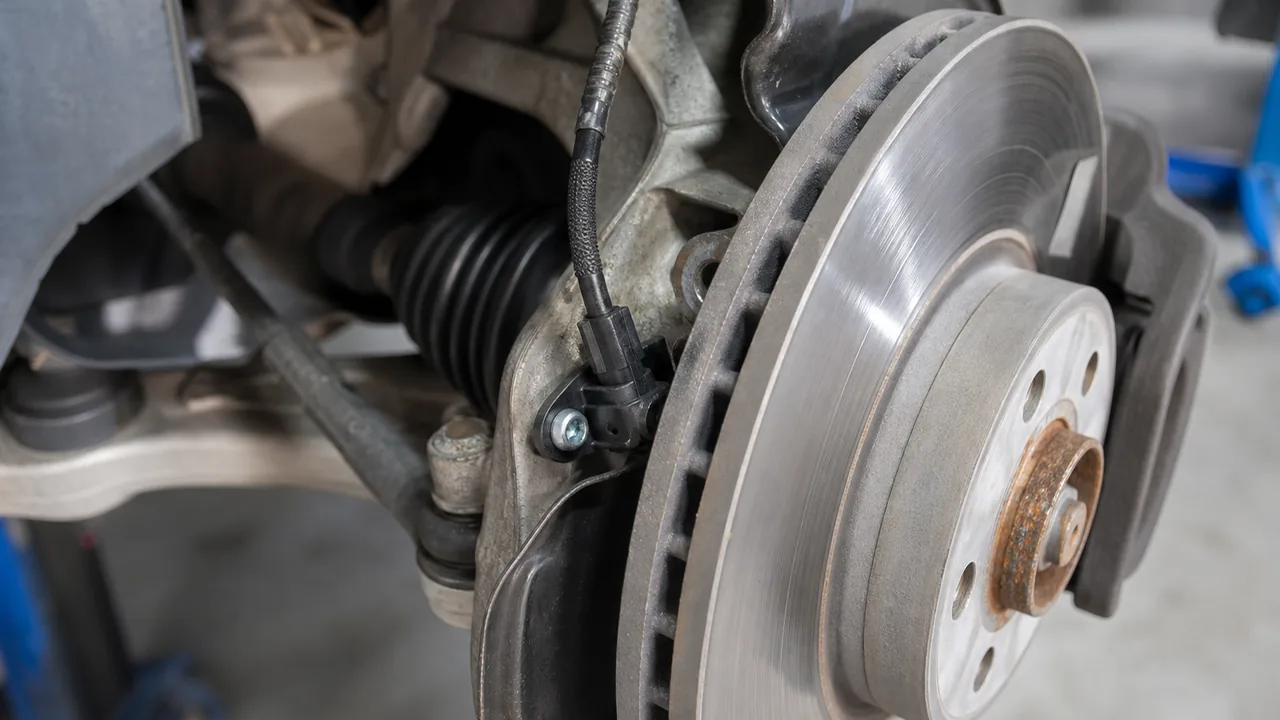
Diagnosing an ESP inoperative after restart involves several hardware pieces. The wheel speed sensor itself is the most common failure point, but also check its connector, wiring, and the magnetic tone ring on the wheel hub or axle. The steering angle sensor is often integrated into the steering column clock spring assembly and communicates via CAN bus. Other parts include the ABS/ESP hydraulic unit (integrated control module), the yaw rate/lateral acceleration sensor (usually under the center console), the brake light switch (which can affect ESP logic), and the vehicle’s main battery and alternator—low voltage can trigger false sensor codes. In Mercedes models, a faulty SAM (Signal Acquisition Module) or corroded ground point can also cause multiple system warnings.
FAQ
Can I continue driving if the ESP light comes on after a restart?
It is not recommended to ignore the warning. While the car may drive normally on dry pavement, ESP provides critical stability intervention during sudden maneuvers or slippery roads. Have it diagnosed as soon as possible.
Is it safe to clear the code and see if it returns?
Clearing the code as a test is acceptable, but if the light returns after the next restart, a hard fault exists. Avoid repeatedly clearing without addressing the root cause.
How can I tell if it’s a wheel speed sensor or the steering angle sensor without a scan tool?
Some clues: if the light comes on only during or shortly after startup and goes off after a few minutes, it leans toward a steering angle calibration loss. If it appears immediately after key-on and stays on, or if you feel a pulsing brake pedal, suspect a wheel speed sensor. However, scanning is the definitive method.
Will a low battery cause the ESP light?
Yes, a weak battery that causes voltage to drop below 10 volts during cranking can trigger erroneous sensor fault codes, including steering angle and wheel speed sensor failures. Check battery health first if the issue occurs in cold weather or after a jump start.
How much does it cost to fix an inoperative ESP?
Costs vary widely based on the root cause. Replacing a wheel speed sensor is generally one of the lowest-cost repairs, while a steering angle sensor replacement may require more labor and calibration. Diagnostic scanning usually costs a small fee at a shop. Always get a pin‑pointed diagnosis before buying parts.
Can I calibrate the steering angle sensor myself?
Some Mercedes vehicles allow a basic reset by turning the steering wheel lock to lock a few times with the engine running, then restarting. For a full calibration, a compatible scan tool is usually required to teach the module the zero point.

Comments
Be the first to add a practical repair note or follow-up question.