

What the code means
P0302 usually means the engine computer detected a misfire on cylinder 2. In practical terms, that cylinder is not contributing normally, so the engine may idle rough, hesitate, shake, or trigger a check engine light.
First action: avoid heavy throttle, verify whether the MIL is steady or flashing, and capture stored, pending, and freeze-frame data before parts replacement.
- Most common symptom pattern: rough idle, hesitation, and a check engine light
- Most common cause categories: spark, fuel delivery, air leak near that cylinder, or low compression
- Vehicle-specific warning: cylinder 2 location and test access depend on engine layout and numbering scheme
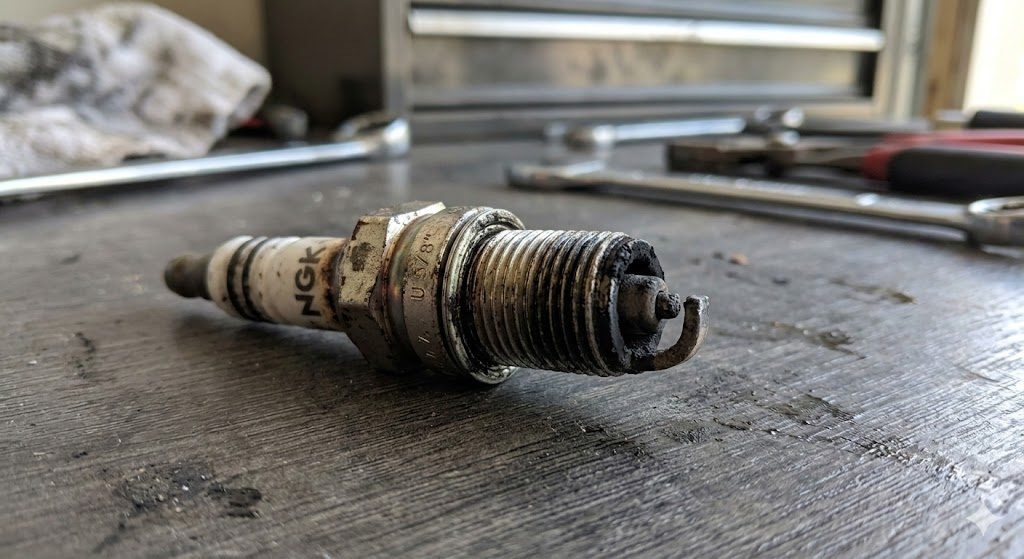
Symptoms
What owners commonly notice
- Rough idle or cabin vibration at a stop
- Hesitation or stumble during acceleration
- Reduced power under load or while climbing
- Check engine light that stays on or flashes
- Hard start, especially when cold
- Unburned fuel smell from the exhaust in some cases
The way the misfire appears matters. A cold-start-only miss can point to ignition weakness, mixture problems, or early mechanical leakage. A misfire that worsens under load can indicate spark breakdown, fuel delivery weakness, or compression loss. A steady shake at idle with little change at speed can also fit a vacuum leak or injector issue near the affected cylinder.
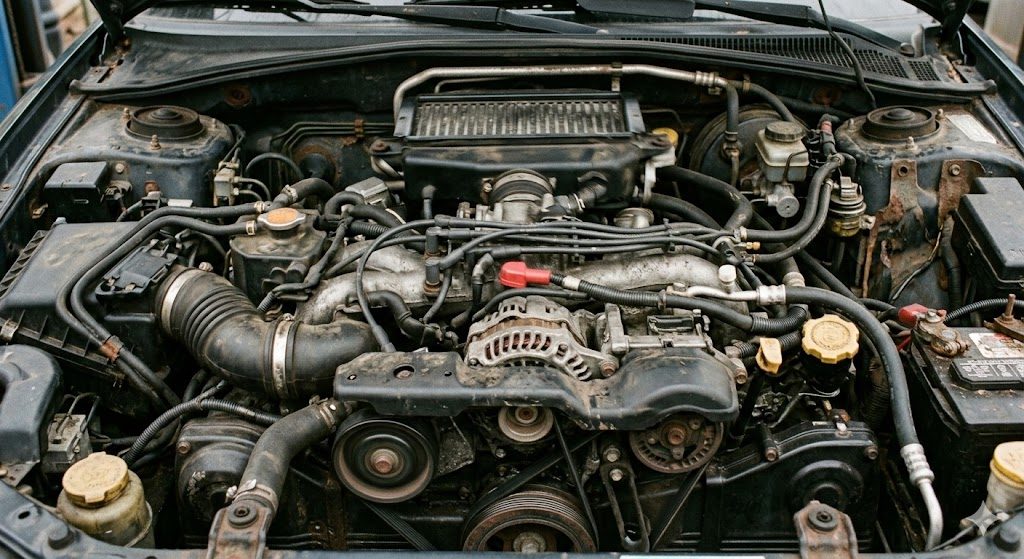
Main causes
| Cause category | Why it can trigger P0302 | Typical effort to check |
|---|---|---|
| Ignition fault | Weak spark from a worn plug, failing coil, damaged boot, or poor connector can cause an incomplete burn on cylinder 2 | Usually low to moderate |
| Fuel delivery fault | A restricted or electrically faulty injector can leave cylinder 2 lean or unevenly fueled | Moderate |
| Air leak near cylinder 2 | A local intake leak can upset the mixture enough to misfire one cylinder more than others | Low to moderate |
| Wiring or control issue | Broken insulation, poor grounds, or driver faults can interrupt spark or injector control | Moderate |
| Mechanical problem | Low compression from valve leakage, ring wear, or head gasket trouble can create a persistent single-cylinder miss | Moderate to high |
Ignition faults are often the fastest to confirm or rule out, but they should not automatically be treated as the answer. If plugs and coils do not move the misfire during a controlled swap test, the next focus usually shifts to injector behavior, air leakage, and compression-related verification.
A common misdiagnosis mistake is replacing the coil, plug, injector, or sensor before confirming the code pattern, freeze-frame clues, and the actual test result on that cylinder.
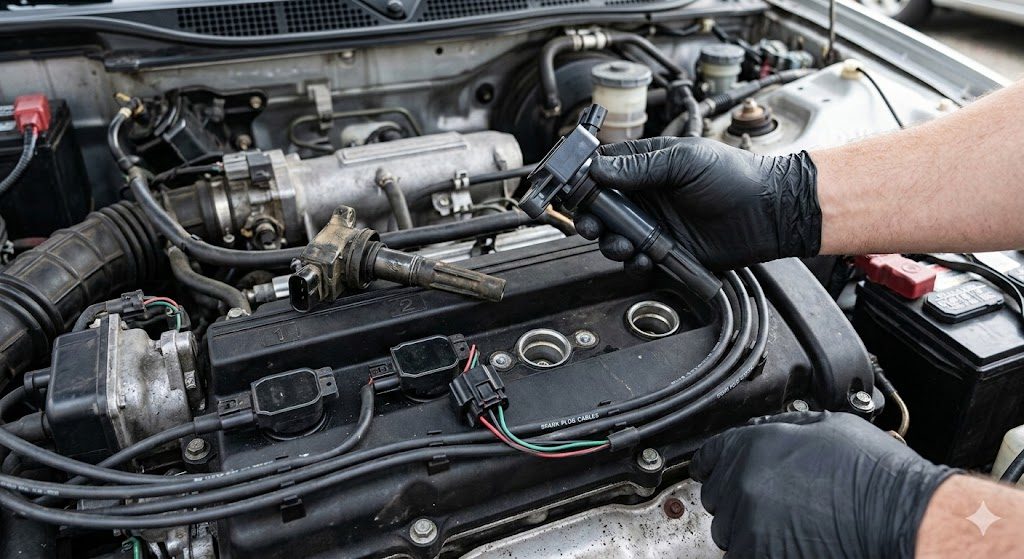
What to check first
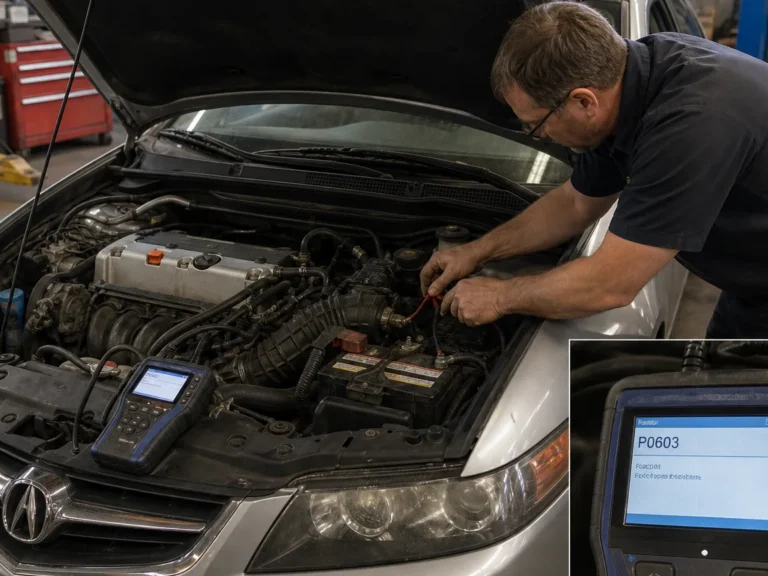
- Read stored, pending, and history codes if your scan tool supports them.
- Save freeze-frame data so RPM, load, and temperature are not lost.
- Verify which cylinder is actually number 2 for your engine layout.
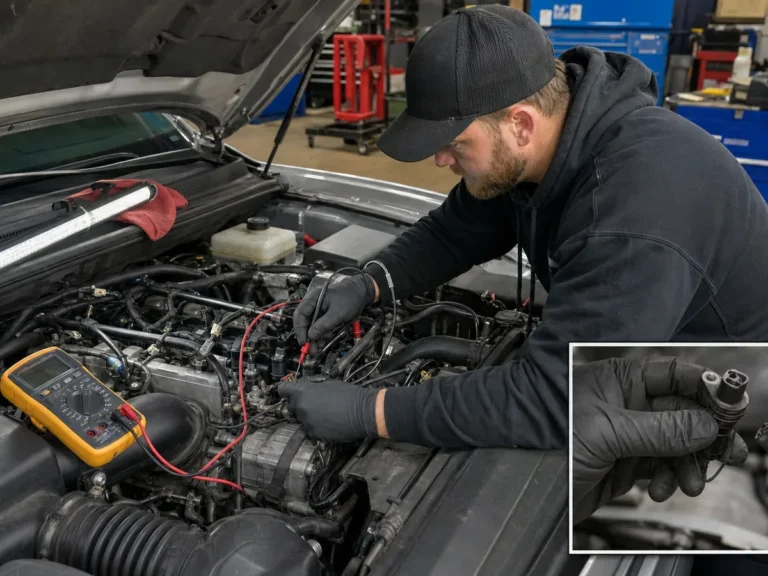
- Inspect visible coil and injector connectors for looseness, broken locks, or corrosion.
- If access is simple and safe, look for oil or moisture around the spark plug area.
- Check whether the vehicle is overdue for spark plugs or has a recent repair in that area.
Do not clear the code before recording data unless you are intentionally checking whether the fault returns after a controlled test drive.
Diagnostic order
- Review freeze-frame, pending codes, fuel trims, and misfire counters.
- Confirm whether P0302 is isolated or appears with broader random misfire or lean codes.
- Verify cylinder 2 location using service information for that engine.
- Perform a coil or plug swap test where appropriate and see whether the misfire moves to another cylinder.
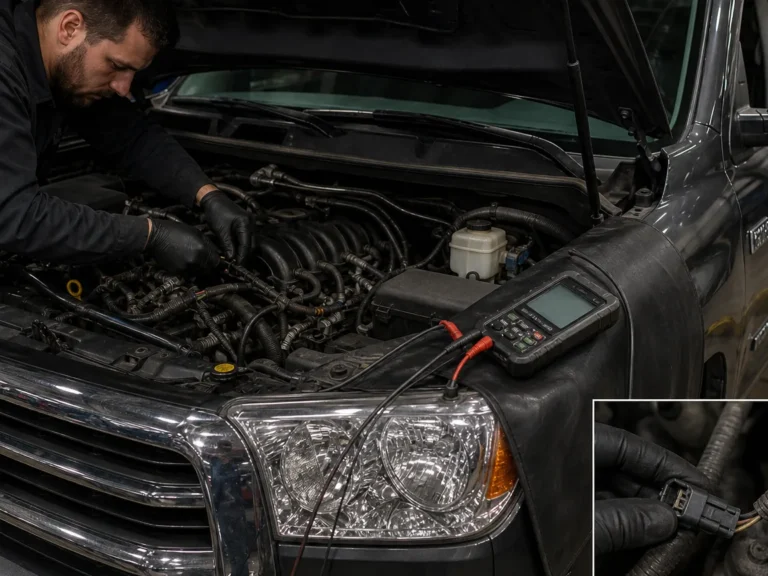
- Check injector command, connector condition, and whether injector behavior differs from neighboring cylinders.
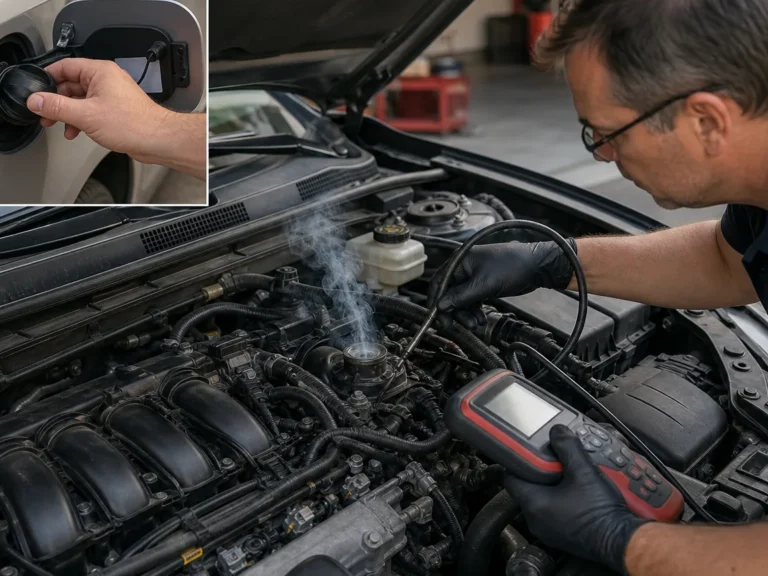
- Inspect for a local intake or vacuum leak that could affect cylinder 2 more than others.
- If ignition and fuel checks do not explain the fault, perform compression-related verification and consider leak-down testing.
- After repair, clear codes, road test, and confirm the misfire counter stays stable.
This order helps avoid overcalling a coil, injector, or plug when the real issue is mechanical or mixture-related. It also keeps the evidence chain clean for vehicles that may require manufacturer-specific data or access procedures.
You can sometimes move the vehicle a short distance for diagnosis if the check engine light is steady and the engine is only mildly rough. If the light flashes, power drops sharply, or the vehicle bucks under load, stop driving as soon as it is safe and reassess.
- More acceptable for a short diagnostic move: steady MIL, mild roughness, no major loss of power
- Stronger warning signs: flashing MIL, heavy shaking, repeated stumble under throttle, sulfur or overheating concerns
- Use caution: do not assume all misfires behave the same across engine designs
What usually fixes it
- Replace spark plug, boot, or coil only if condition or swap testing supports it
- Service or replace an injector only if delivery or electrical checks support it
- Repair intake leaks, damaged connectors, or wiring faults if found
- Address compression or valve sealing problems if mechanical testing confirms them
- Clear codes and verify with a road test and repeat scan data review
Cylinder 2 numbering must be confirmed before any part is moved or replaced. On some engines, the expected cylinder location is not intuitive, and that alone can lead to an incorrect repair path.
FAQ
What does P0302 mean?
P0302 means the engine computer detected a misfire on cylinder 2. It does not identify a failed part by itself.
Is P0302 usually a bad spark plug or coil?
Often, but not always. Ignition faults are common, yet injector problems, intake leaks, wiring issues, and low compression can also trigger P0302.
Can I drive with P0302?
Sometimes for a short diagnostic trip if the MIL is steady and symptoms are mild. If the MIL flashes or the engine runs badly, it needs prompt caution and should not be pushed.
How do I know where cylinder 2 is?
You must verify cylinder numbering for your exact engine. Cylinder location varies by engine family and layout.
What should be checked before replacing parts?
Freeze-frame data, pending codes, cylinder numbering, connector condition, swap-test results where appropriate, and basic compression-related evidence if the fault stays with the cylinder.
Comments
Be the first to add a practical repair note or follow-up question.