

Main causes
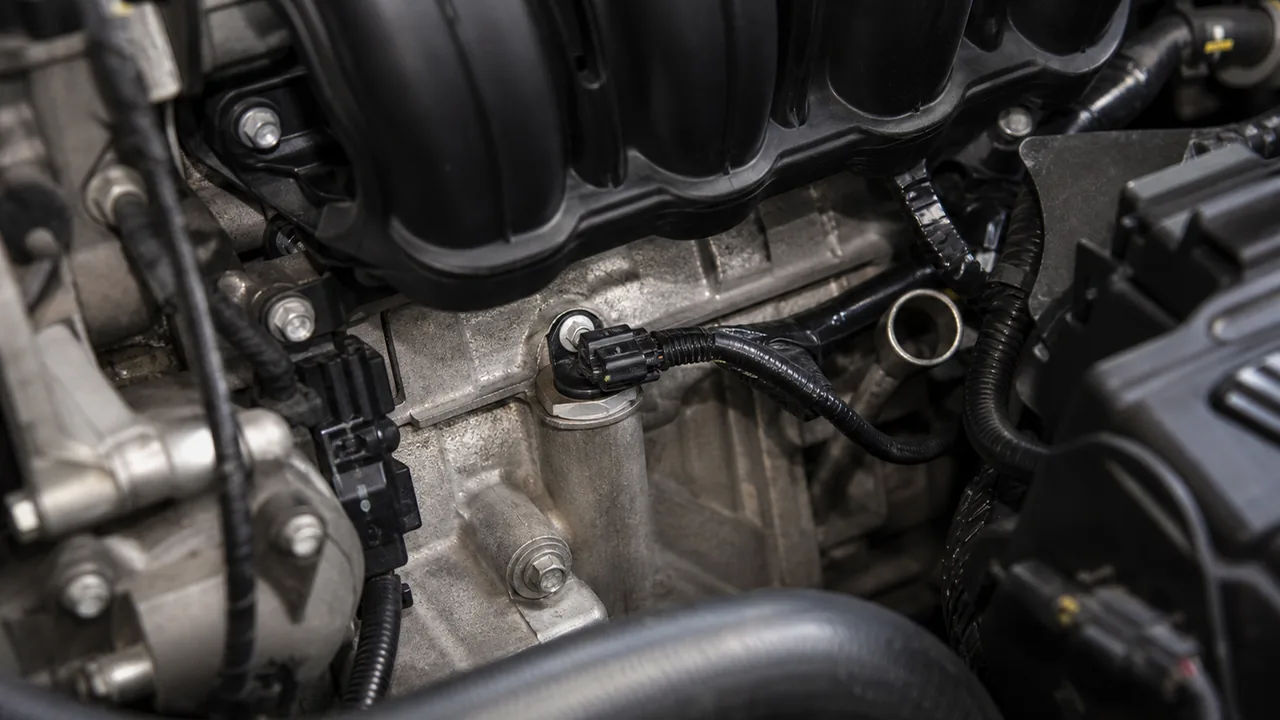
Kia’s Knock Sensor Detection System (KSDS) is an engine protection software logic that monitors knock sensor signals for unusual vibrations. When the system detects patterns consistent with bearing wear or connecting rod knock, it logs a P1326 code and activates limp mode to reduce engine speed and load. This was introduced as a proactive measure to catch potential engine failures before they become catastrophic.
The KSDS does not directly measure bearing clearance. It interprets frequency signatures that resemble the early stages of rod knock. This means false positives can occur — the system may trigger even if the engine is mechanically sound but produces similar vibrations from other sources.
The P1326 code can be triggered by several root causes, not all of which mean your engine is failing. The top three likely scenarios are:
- {'title': 'Actual engine bearing wear causing rod knock', 'description': 'Worn connecting rod bearings produce the exact high-frequency vibration pattern the KSDS is tuned to detect. This is the worst-case scenario and requires engine replacement.'}
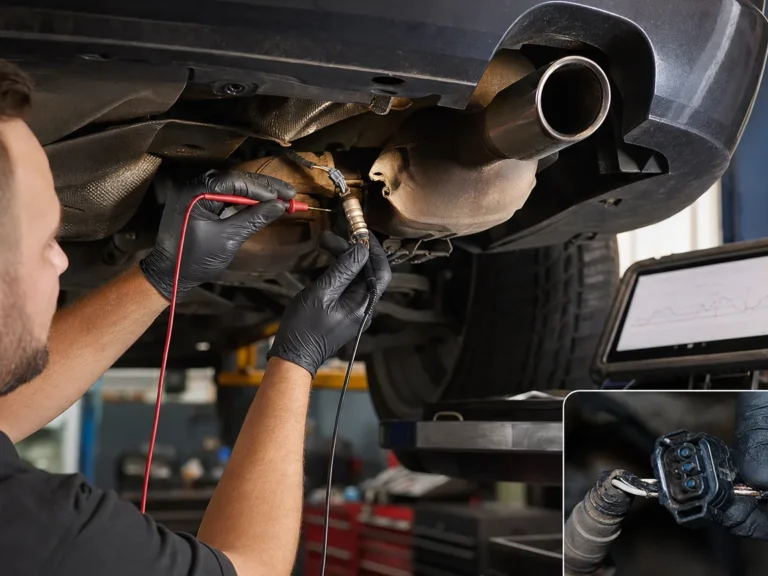
- {'title': 'Knock sensor mis-trigger from noise or aftermarket parts', 'description': 'Non-engine vibrations — such as a loose heat shield, failed accessory pulley, or aftermarket exhaust components — can cause the knock sensor to send signals that confuse the KSDS, logging P1326 without internal engine damage.'}
- {'title': 'KSDS algorithm sensitivity (phantom detection)', 'description': 'In some instances, the software may flag P1326 based on borderline sensor signals that later prove to be a false alarm. A dealer can often verify this with a bearing clearance inspection and reflash.'}
Other possible triggers include low oil pressure (without abnormal noise), contaminated engine oil causing detonation, or electrical noise on the knock sensor circuit. Professional diagnosis is essential to rule out a false code versus an imminent engine failure.
Diagnostic order
If your Kia displays a P1326 code accompanied by a flashing check engine light, audible knocking, or low oil, stop driving immediately and shut off the engine. Continuing risks catastrophic engine damage.
- Stop and Tow: Flashing MIL, any knocking or rattle from the engine, or oil level below the dipstick minimum. These conditions mean no driving whatsoever.
- Controlled Short Drive (at your own risk): Solid MIL, no abnormal engine noise, oil level correct, and you are only moving the vehicle to a safe spot or a shop within a very short distance. Even then, driving is not recommended.
A solid MIL alone does not guarantee safe driving. P1326 is a critical fault; limping may cause progressive damage and void your warranty.
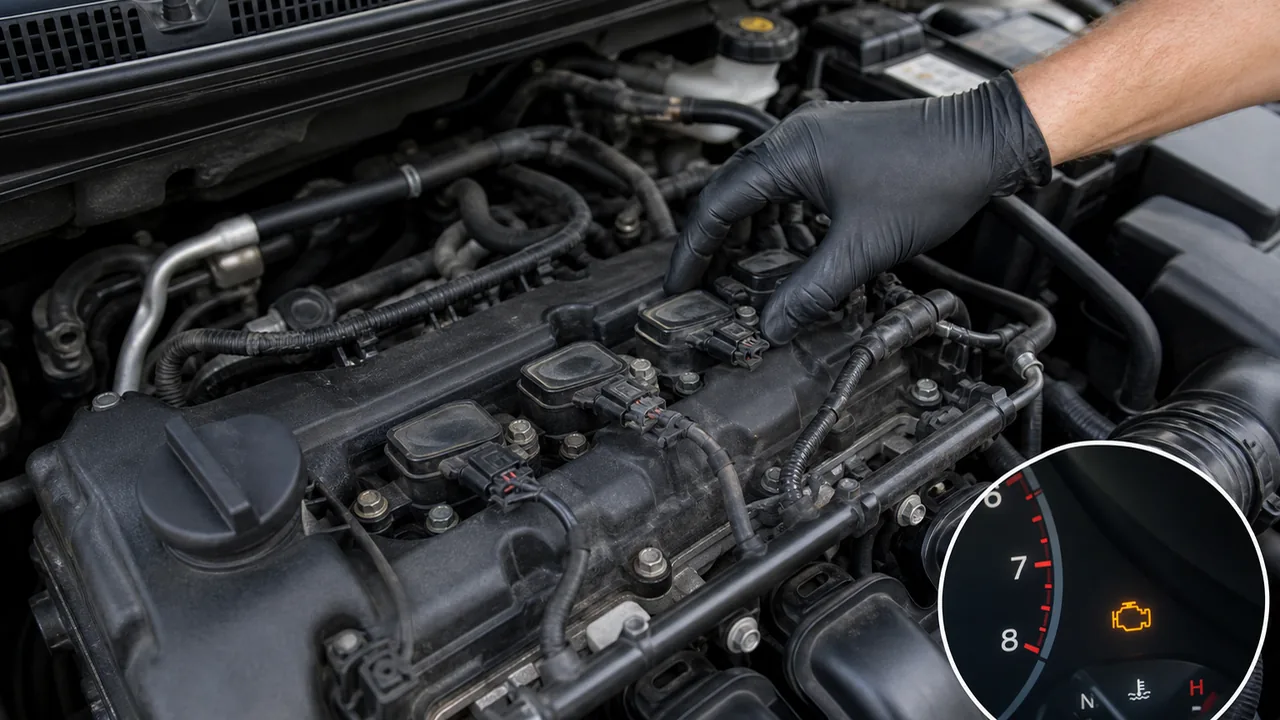
While the first section gave a quick action list, here we break down the safety verdict with explicit triggers. Never ignore sensory clues. Your decision must be based on three telltales: MIL status, engine noise, and oil condition.
- Check engine light is flashing, not just solid.
- You hear a distinct knocking, tapping, or rumbling noise from the engine, especially under load or at idle.
- Oil level on the dipstick is below the minimum mark or the oil appears contaminated/milky.
- The vehicle entered limp mode and RPM is severely restricted, making merging or maintaining speed unsafe.
- MIL is solid, no flashing.
- No abnormal engine noise — idling and light throttle produce normal sounds.
- Oil level is correct and oil is clean.
- Destination is within a few hundred meters and you can maintain a very low, steady speed.
- You accept the risk that even a short drive may worsen undetected damage.
If you are unsure, treat the situation as Stop Immediately. Towing is far cheaper than a replacement engine.
Once P1326 sets, the ECU forces the engine into limp mode to reduce the rotational forces that could accelerate bearing failure. The exact RPM limit varies by model and calibration, but typically the engine will not rev beyond a low, predetermined range — often below 2,500 rpm. Throttle response is muted and the vehicle may struggle to climb hills or keep up with traffic.
Limp mode is not a fix; it is a safeguard that assumes the engine may be damaged. Do not attempt to override it with aftermarket tunes or clear the code repeatedly and continue driving hard. The system is designed to get you to a position of safety, not to complete your daily commute.
Many Kia vehicles affected by P1326 are covered under a Product Improvement Campaign (engine extended warranty or recall) for potential bearing issues. Continuing to drive after a P1326 code with a flashing MIL or knocking noise can void that coverage. Service records and vehicle data may show the code was present and ignored, giving the manufacturer grounds to deny a warranty claim.
Legally, you are responsible for the safe operation of your vehicle. If you knowingly drive with a severe engine fault that could cause sudden stalling on a highway, you may face liability issues. Play it safe: tow the vehicle to a Kia dealership or authorized repair facility and document everything.
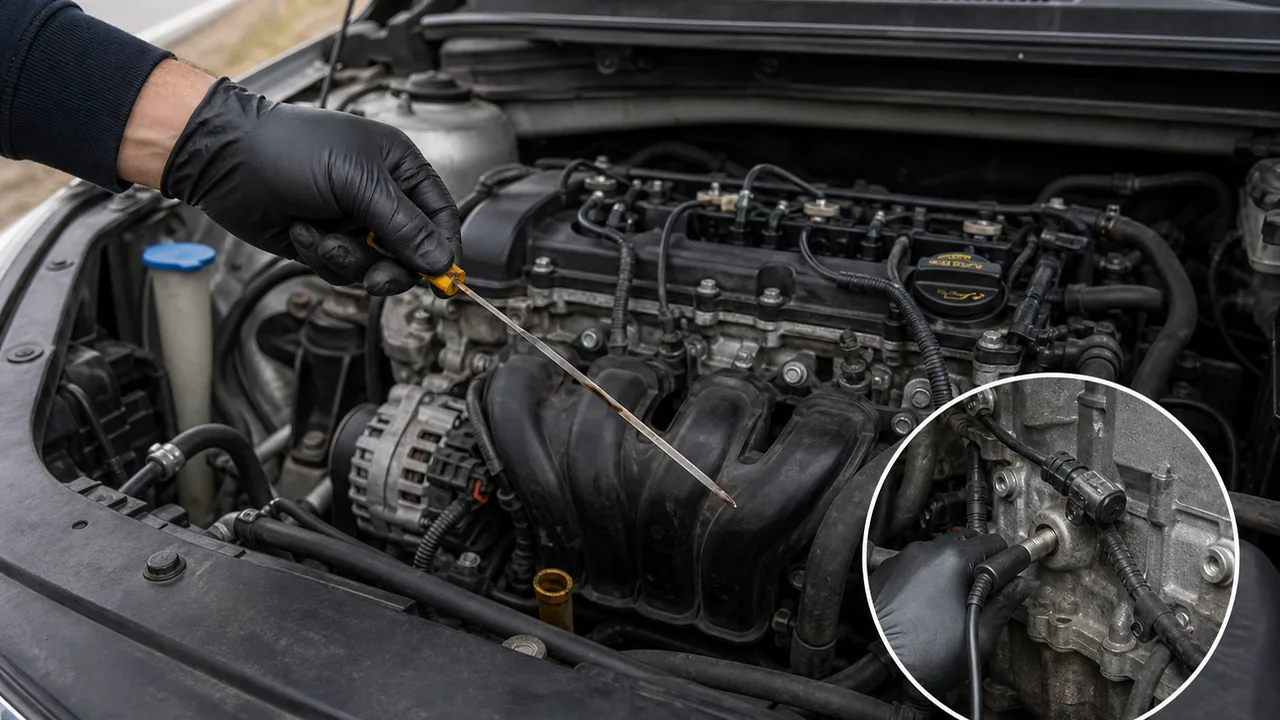
If the P1326 code appears while you’re on the road, follow this protocol to minimize harm:
- {'title': 'Pull over safely', 'description': 'Activate hazard lights and move to a level, secure spot away from traffic. Turn off the engine.'}
- {'title': 'Check oil level immediately', 'description': 'Open the hood, pull the dipstick, wipe it clean, reinsert, and read the level. If oil is low, do not restart the engine. Top off only if you have the correct oil and you are certain no internal damage has occurred; otherwise, tow.'}
- {'title': 'Restart briefly and listen for knocking', 'description': 'If oil level is correct, start the engine and lower the windows. Listen at idle and at light throttle (revving gently while in Park or Neutral). A rhythmic knock, deep thud, or rattle from the engine block often indicates rod knock. If present, shut it off and tow.'}
- {'title': 'Check for MIL status', 'description': 'Note whether the check engine light is solid or flashing. A flashing MIL while running means misfire or catalyst-damaging condition; in context of P1326, it almost always means stop driving.'}
- {'title': 'Determine the next step', 'description': 'If no knocking and solid MIL, you may plan a very short, low-speed trip to a safe location. Otherwise, call roadside assistance and have the vehicle towed to a dealer or trusted shop.'}
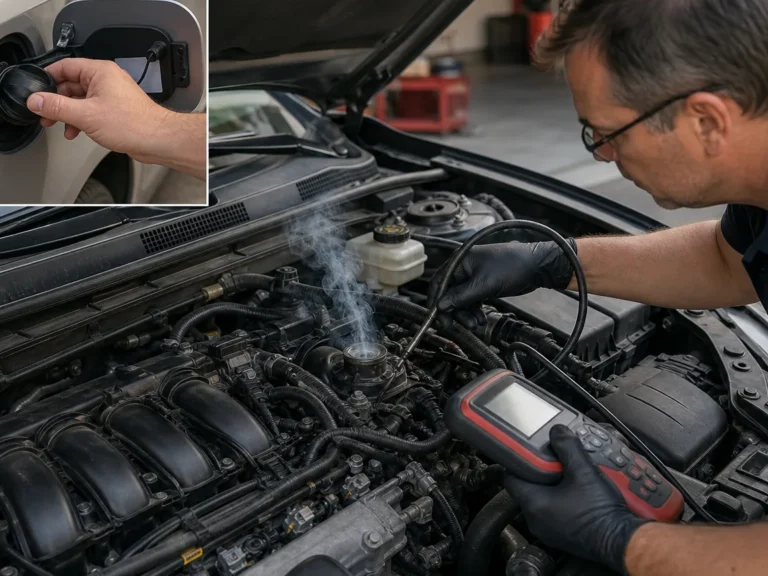
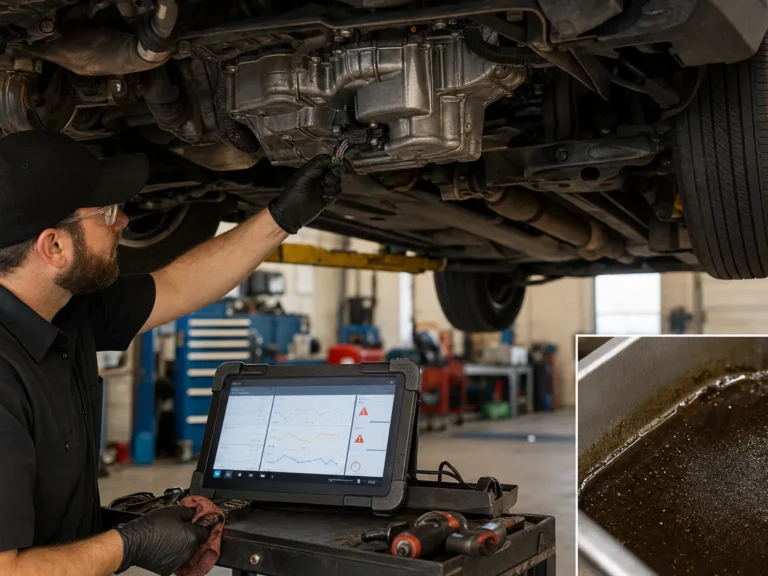
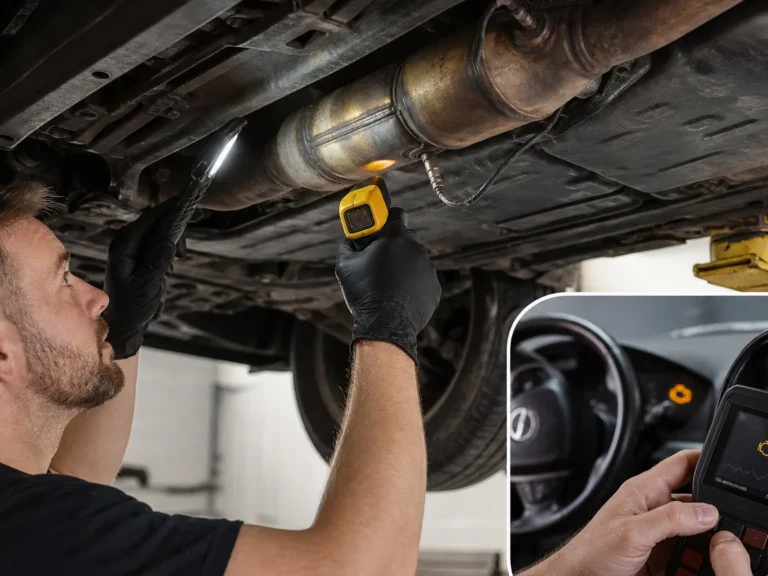
Diagnosing a P1326 code goes beyond a simple OBD-II scan. Kia’s technical service bulletins (TSBs) require specific steps to verify whether the KSDS triggered due to mechanical failure or a false alert.
- Review freeze frame data (engine speed, temperature, knock sensor voltage) at the moment the code set.
- Perform a bearing clearance test, sometimes by removing the oil pan and inspecting connecting rod bearings.
- Check for updated KSDS software calibrations and apply a reflash if the vehicle is eligible.
- If bearing damage is found, the engine short block or long block replacement is authorized under the Product Improvement Campaign.
Do not attempt to clear the code and trade in the vehicle without proper repair. This is illegal and also dangerous for the next owner. Always address P1326 through official channels.
FAQ
Can I just clear the P1326 code and keep driving if the car seems fine?
Clearing the code will temporarily turn off the MIL, but the underlying condition (or risk of bearing failure) remains. If the engine has actual damage, you will likely strand yourself and risk a voided warranty. A proper diagnosis is mandatory.
Does the KSDS software update fix the engine?
No. The software update only refines how the knock sensor detects vibrations. It does not repair mechanical wear. If your engine is already worn, the update will not cure it.
Will my insurance cover an engine replacement under P1326?
Standard auto insurance does not cover mechanical breakdowns. The engine replacement is typically handled by Kia’s extended warranty or Product Improvement Campaign, if applicable.
Can aftermarket engine oil or parts cause a false P1326?
Yes. Oil that does not meet the required specifications can change engine acoustics, potentially triggering the KSDS. Loose aftermarket components (exhaust, shields) may also cause false detections.
How do I know if my Kia is covered by the engine warranty extension?
Contact a Kia dealership with your VIN. They will check if your vehicle is under the Product Improvement Campaign and what steps are needed to start the inspection.
Comments
Be the first to add a practical repair note or follow-up question.