
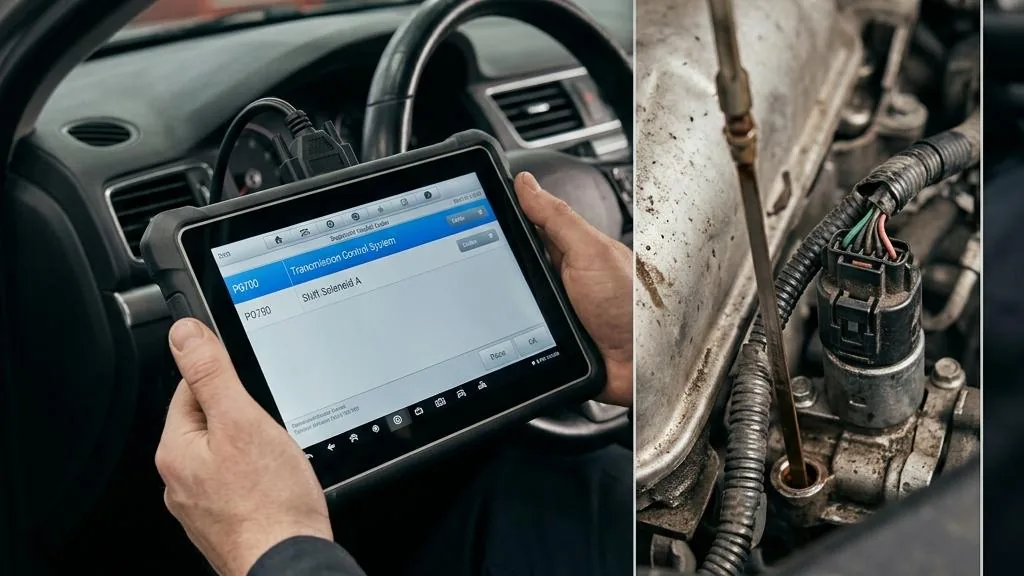
What the code means
P0700 Transmission Control System Code usually means the transmission control system has reported a fault and requested the warning light, but it usually does not identify the failed part. A basic OBD-II scanner may show P0700 because the engine computer can see that request, so the next check is the transmission-specific companion code with a scan tool that can access the TCM before approving repairs. If the vehicle is slipping, stuck in gear, overheating, or shifting unpredictably, avoid driving and arrange professional diagnosis.
A basic OBD-II reader may show P0700 because the engine computer can see the warning request. It may not show the transmission module code that explains whether the issue points toward a circuit, sensor, solenoid, pressure control problem, communication fault, fluid concern, or internal transmission condition.
Symptoms
P0700 can appear with obvious transmission symptoms, but it can also appear before the driver notices a major change. The safest way to read the situation is to combine the warning light, symptoms, and stored transmission data rather than judging the vehicle by one drive.
- Check engine light or transmission warning light
- Harsh shifts, delayed engagement, or unusual shift timing
- Limp mode, reduced power, or being stuck in one gear
- Slipping, flare between shifts, or loss of normal acceleration
- No obvious symptoms even though the code is stored
- No movement, overheating warning, or burned smell in severe cases
Main causes
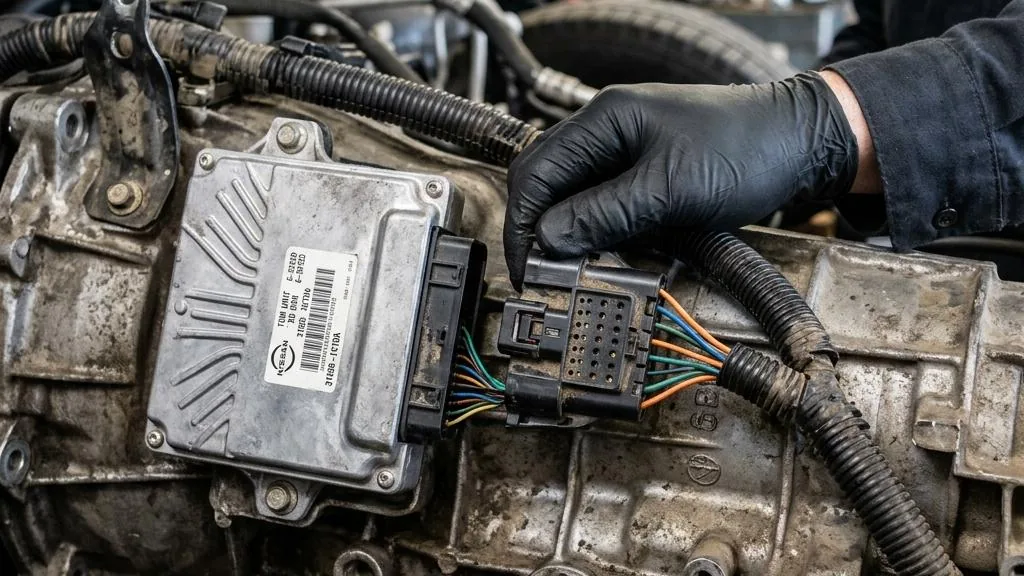
P0700 is a system-level code. It tells you the powertrain control side has been alerted that the transmission control system has a fault, but it does not prove the transmission, transmission control module, valve body, solenoids, or wiring have failed.
- It does not name one failed component.
- It does not prove the transmission must be replaced.
- It does not prove the TCM is bad.
- It does not replace OEM pinpoint testing.
- It should not be used alone to authorize major repair work.
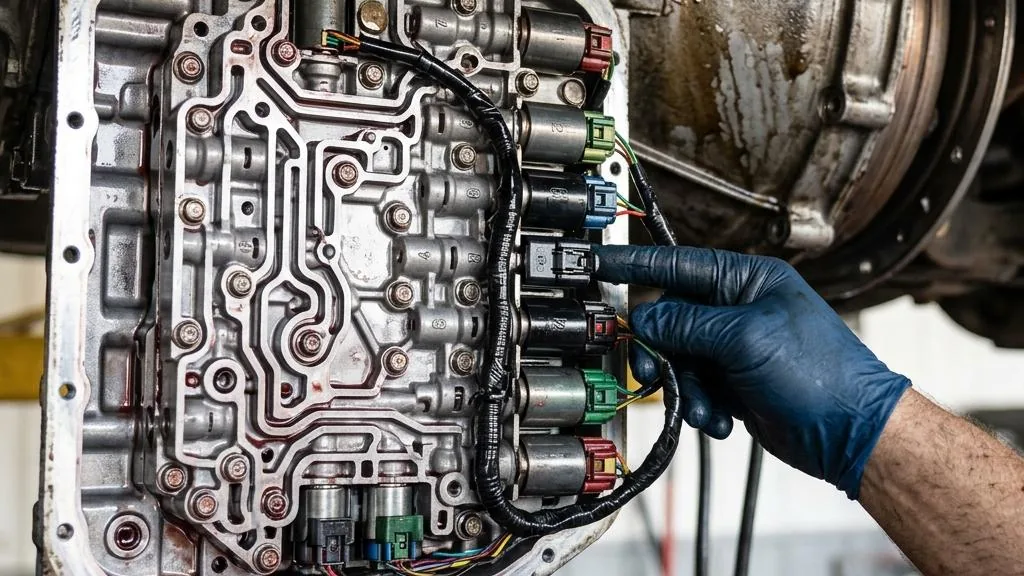
The second code is usually the code stored in the transmission control module or enhanced powertrain data. That companion code narrows the fault path. It may point toward a shift solenoid circuit, input or output speed sensor signal, pressure control issue, module communication fault, fluid-related condition, or a mechanical problem that still needs confirmation through testing.
| Code result | What it tells you | Best next step |
|---|---|---|
| P0700 only | The transmission system requested the warning light | Scan the transmission module with a capable tool |
| P0700 plus TCM code | The fault path is more specific | Use freeze-frame, live data, wiring checks, and OEM tests |
| No second code available on the reader | The scanner may not support enhanced transmission data | Use professional or vehicle-capable diagnostic equipment |
The most useful way to rank P0700 causes is by diagnostic value, not by guessing the most expensive repair. The companion TCM code should lead the list because it determines which circuit, data stream, or mechanical condition should be tested first.
- Companion transmission module fault codes that define the fault path
- Wiring, connector, ground, or power supply faults affecting transmission controls
- Shift solenoid or pressure control circuit issues confirmed by testing
- Input, output, or speed sensor signal faults
- Fluid level or fluid condition concerns where the vehicle has a serviceable check procedure
- Valve body or hydraulic control faults
- Module communication or control module faults
- Internal transmission problems confirmed by data, symptoms, and service information
What to check first
Owner checks should stay safe and non-invasive. The goal is to preserve evidence and avoid making the fault harder to diagnose. If the vehicle has severe symptoms, skip driveway experimenting and move directly to a transmission-capable diagnostic scan.
- Write down warning lights, shift behavior, noises, smells, and when the issue happens.
- Check the owner manual for warning-light and towing guidance.
- Look for obvious fluid leaks under the vehicle without crawling into unsafe areas.
- If familiar with electrical checks, confirm the battery and charging system are not causing low-voltage symptoms.
- Do not repeatedly clear P0700 before the scan data is recorded.
- Bring any second codes, freeze-frame data, and symptoms to the diagnostic review.
Diagnostic order
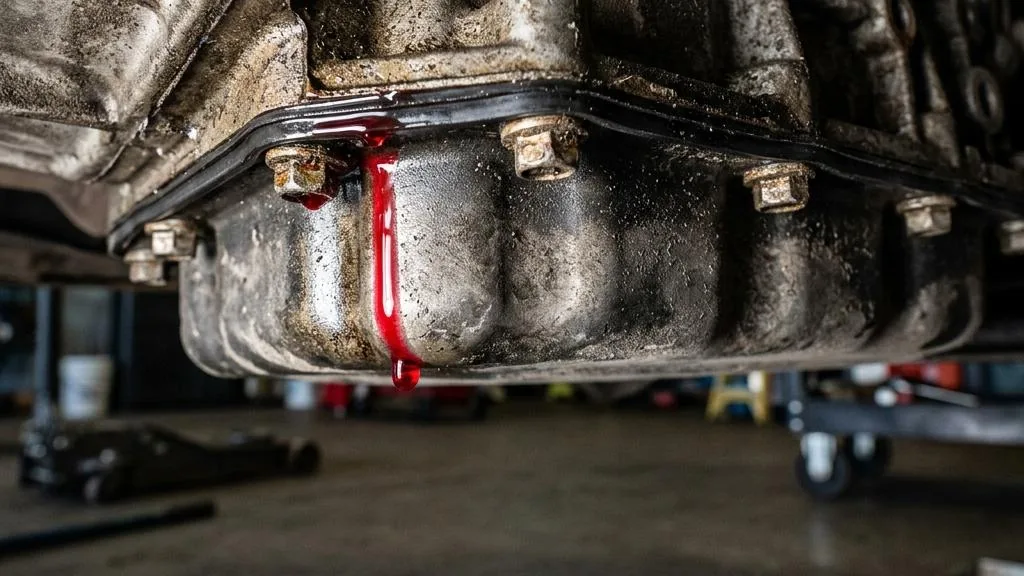
Whether you can drive with P0700 depends on symptoms, not the code alone. A vehicle with no shift symptoms may be driven cautiously to a diagnostic location, but severe slipping, unpredictable gear changes, overheating, burning smell, or no movement should be treated as stop-driving conditions until the fault is checked.
| Condition | Urgency | Practical action |
|---|---|---|
| No symptoms | Prompt diagnosis | Avoid clearing codes and schedule enhanced scanning |
| Mild shift changes | Soon | Limit driving and document when symptoms happen |
| Limp mode or stuck gear | High | Drive only if safe and short, or arrange help |
| Severe slipping, overheating, burning smell, no movement | Urgent | Stop driving and arrange professional diagnosis |
A good P0700 diagnosis starts with data, then testing. The technician should scan all relevant modules, retrieve transmission codes, record freeze-frame details, compare live data to the fault description, and only then inspect the wiring, fluid condition, or components tied to the actual companion code.
- Confirm P0700 and scan all available modules.
- Retrieve enhanced transmission control module codes.
- Record freeze-frame, pending codes, warning status, and relevant live data.
- Check service information for the vehicle-specific diagnostic path.
- Inspect wiring and connectors only in the affected circuit or area.
- Review fluid condition using the OEM procedure if the vehicle supports service inspection.
- Run OEM pinpoint tests before recommending parts.
- Road test only when safe and only if needed to verify data.
- After repair, clear codes, confirm readiness or drive-cycle completion as applicable, and verify the code stays cleared.
Clearing P0700 without recording the second code can erase useful diagnostic evidence. The warning may return immediately, return after a drive cycle, or stay away only until the fault condition happens again. Clear codes after the data has been saved and after the repair path has been verified.
For repair verification, the important question is not whether the light went off for a moment. The repair should be checked by rescanning modules, reviewing relevant data, completing the appropriate monitor or drive-cycle confirmation where applicable, and confirming the code does not reset.
A used vehicle with P0700 deserves a pause before purchase. Ask for an enhanced scan that includes the transmission module, then review the companion codes, symptoms, warning lights, and repair estimate before negotiating. A basic reader result is not enough to separate a minor electrical issue from a serious transmission concern.
- Request the second transmission code before buying.
- Ask whether limp mode, slipping, overheating, or delayed engagement has occurred.
- Avoid accepting a cleared-code explanation without scan history.
- Use the findings to decide whether the vehicle needs inspection, negotiation, or a pass.
What usually fixes it
The fix depends on the second code and test results. Sometimes the repair is electrical, sometimes it is a sensor or control circuit, sometimes fluid condition or hydraulic control is involved, and sometimes the transmission has an internal problem. P0700 is the reason to investigate, not the permission slip to replace the biggest part.
- Repairing wiring, connector, power, or ground faults when confirmed
- Replacing a failed sensor, solenoid, or pressure control component only after testing
- Correcting fluid-related concerns using the vehicle-specific procedure where serviceable
- Addressing valve body, hydraulic, module communication, or internal transmission faults when supported by data
- Verifying the repair by confirming the companion code and P0700 do not return
FAQ
Does P0700 mean my transmission is bad?
No. P0700 means the transmission control system reported a fault and requested the warning light. It does not prove the transmission itself has failed.
Why does my scanner show only P0700?
Many basic code readers can show the system-level warning request but cannot access enhanced transmission module codes. A transmission-capable scan tool is usually needed.
Can P0700 cause limp mode?
P0700 can appear with limp mode when the transmission control system detects a fault serious enough to limit operation, but the companion code explains the trigger.
Should I add or change transmission fluid for P0700?
Do not use fluid service as a guess. Check fluid only according to the vehicle-specific procedure and only treat fluid condition as one piece of the diagnosis.
How much will P0700 cost to fix?
Cost varies widely because P0700 can be tied to wiring, sensors, solenoids, hydraulic issues, communication faults, or internal problems. Diagnose first.
Should I tow the vehicle?
Tow or avoid driving if it slips badly, will not move, overheats, smells burned, or shifts unpredictably. If symptoms are mild or absent, get prompt diagnosis.
Comments
Be the first to add a practical repair note or follow-up question.