
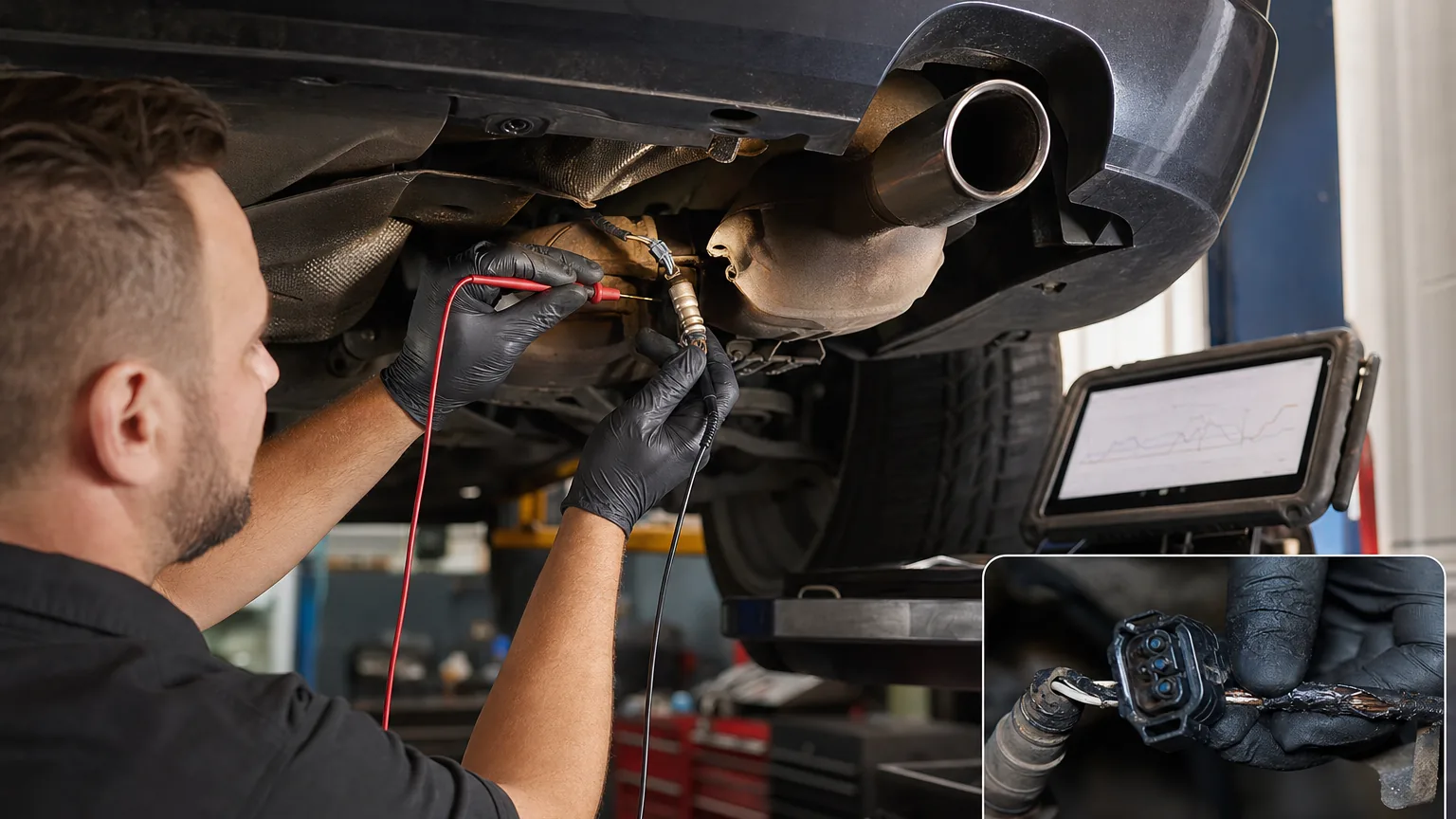
What the code means
P0138 is an OBD-II diagnostic trouble code for a high signal condition in an oxygen sensor circuit. On many vehicles it refers to Bank 1 Sensor 2, the downstream oxygen sensor behind the catalytic converter, but exact location depends on engine layout and service information.
A downstream oxygen sensor mainly helps the computer monitor catalyst performance, though some vehicles may use downstream feedback in broader fuel-control strategies. Because strategy varies, the code should be diagnosed with vehicle-specific data rather than one universal assumption.
P0138 does not prove the oxygen sensor is bad. It proves the computer is seeing a signal condition it does not like.
Symptoms
A vehicle with P0138 may drive normally because a downstream oxygen sensor fault can be mostly emissions-related. The check engine light is still meaningful because the code can affect emissions readiness and may hide a richer-running problem that should not be ignored.
- Steady check engine light with no noticeable drivability change
- Failed emissions inspection or incomplete readiness monitors
- Fuel smell, rough running, or poor fuel economy if the engine is running rich
- Other oxygen sensor, fuel trim, misfire, or catalyst-efficiency codes stored with P0138
- Code returns after clearing, especially under similar operating conditions
Main causes
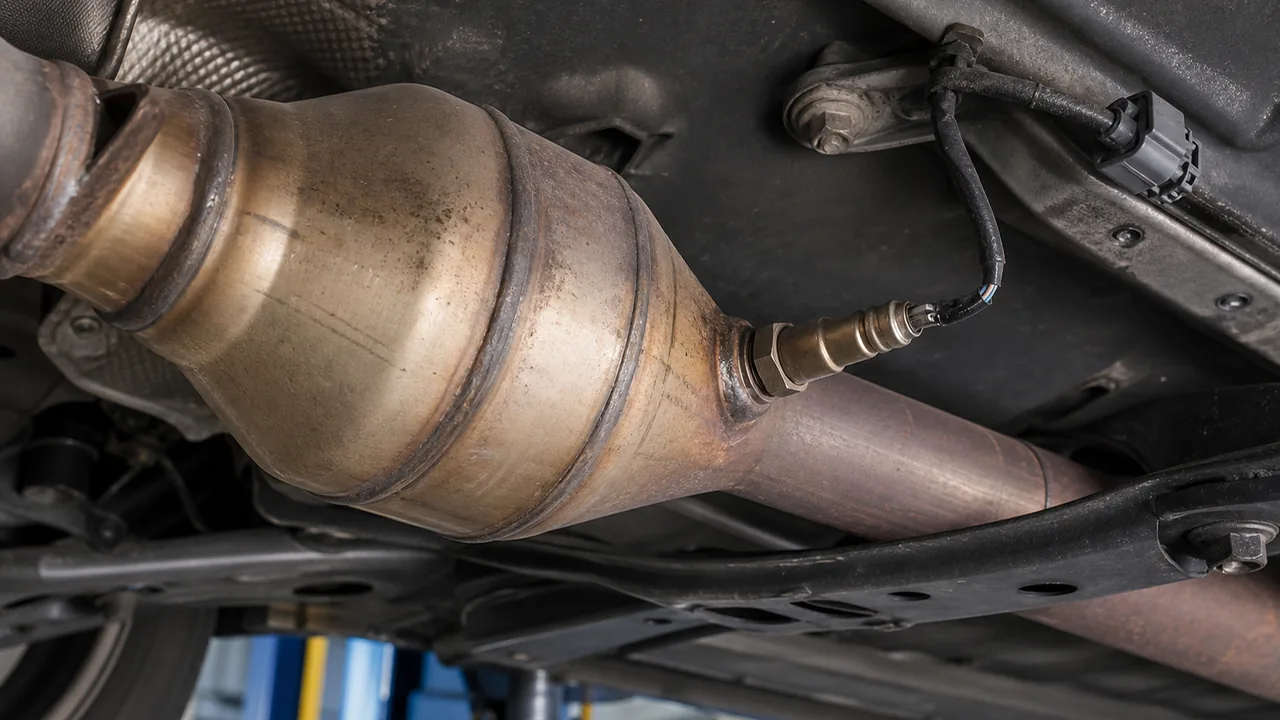
The main possibilities behind P0138 are a biased or failed downstream oxygen sensor, a wiring problem that pulls the signal high, or a rich-running engine condition that keeps the sensor signal elevated. Ranking depends on the vehicle, symptoms, and companion codes.
- Bad, biased, contaminated, or slow downstream oxygen sensor
- Melted, rubbed, shorted, or fluid-contaminated oxygen sensor wiring
- Rich-running condition from fuel, air, ignition, or engine-management faults
- Fuel injector, fuel pressure, purge, or intake-related fault that affects mixture
- Related sensor input problem that changes fuel strategy
- PCM or module fault, considered only after sensor, wiring, and mixture checks are exhausted
| Bad downstream O2 sensor | Signal behavior stays abnormal after wiring and mixture clues are checked | Verify with service-manual tests before replacement |
| Rich mixture | Fuel smell, poor economy, rich or misfire companion codes, fuel-trim evidence | Diagnose the mixture fault before blaming the sensor |
| Wiring fault | Harness damage near exhaust heat, connector damage, signal changes with inspection | Repair the circuit and verify the signal returns to normal behavior |
What to check first
Owner checks should stay safe and non-invasive. Do not touch hot exhaust parts, probe connectors without a wiring diagram, crawl under an unsupported vehicle, or keep driving through fuel smell, smoke, misfire, or a flashing check engine light.
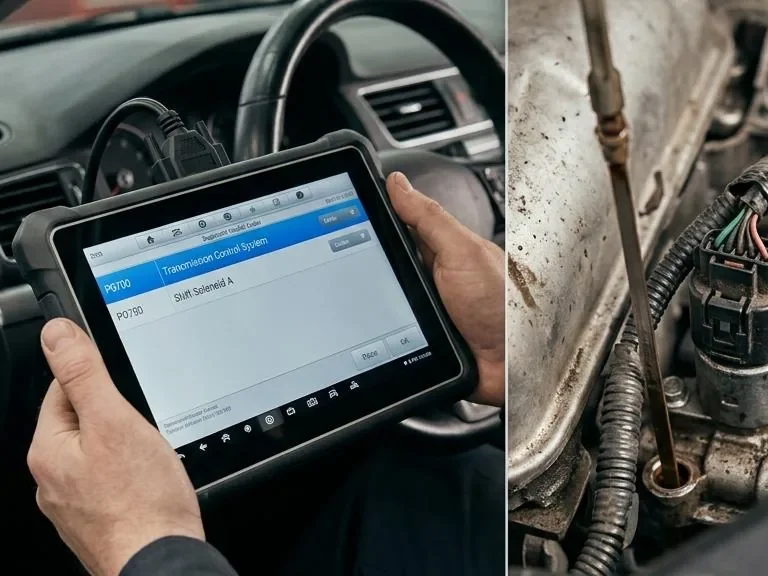
- Read all stored and pending codes before clearing anything.
- Save freeze-frame data and note whether the fault happened cold, hot, cruising, or idling.
- Look for companion rich, misfire, catalyst, or fuel-trim codes.
- Inspect only wiring and connectors you can see safely after the exhaust has cooled.
- Use a vehicle-specific parts lookup before ordering any oxygen sensor.
Avoid universal sensor-location assumptions. Bank 1 Sensor 2 location can vary with engine layout, exhaust design, and service information.
Diagnostic order
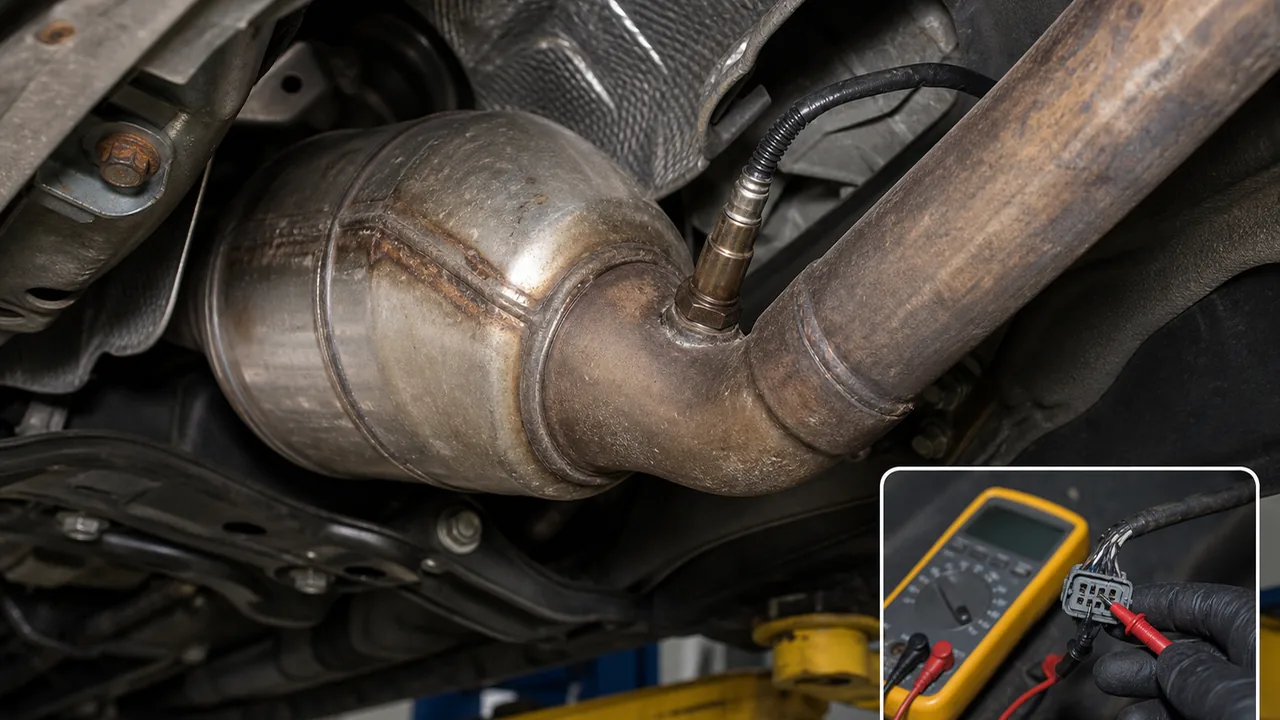
A technician-level diagnosis should prove which system is responsible before repair. The right order is to preserve evidence, identify the exact sensor, compare live data, inspect the circuit, and then decide whether the fault belongs to the sensor, wiring, or engine mixture.
- Confirm P0138 and record freeze-frame, pending codes, readiness state, and companion codes.
- Identify Bank 1 Sensor 2 using OEM service information.
- Monitor downstream O2 sensor behavior and compare it with upstream sensor activity.
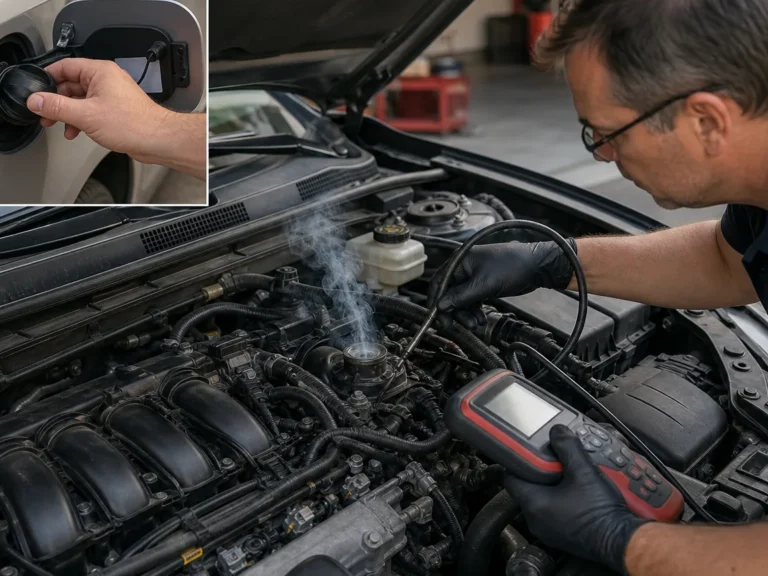
- Review fuel trims and check for rich-running, misfire, purge, injector, or catalyst-related codes.
- Inspect the harness and connector before replacing the sensor.
- Run OEM circuit tests and verify power, ground, signal integrity, and connector condition as specified by service data.
- Choose sensor replacement, wiring repair, or mixture diagnosis only after the test evidence supports it.
With a steady check engine light and normal drivability, P0138 is often not an immediate roadside emergency, but it should be diagnosed soon because it can affect emissions readiness and may be tied to rich running. A flashing check engine light, strong fuel smell, heavy misfire, smoke, or severe power loss changes the risk level.
- Cautious driving may be reasonable when the light is steady and the vehicle runs normally.
- Stop driving and seek diagnosis if the check engine light flashes or the engine misfires heavily.
- Do not ignore fuel smell, smoke, overheating exhaust concerns, or worsening fuel economy.
- Avoid long delays if an emissions test or readiness monitor is required.
What usually fixes it
The fix depends on what testing confirms. A downstream oxygen sensor may be replaced when its signal behavior, circuit integrity, and mixture evidence support sensor failure. Wiring repair is the fix when the harness, connector, or signal circuit is damaged. Fuel or air diagnosis comes first when scan data points to a rich-running condition.
- Replace the downstream O2 sensor only after test evidence supports a sensor fault.
- Repair wiring when heat damage, connector damage, shorting, or poor circuit integrity is confirmed.
- Diagnose rich mixture causes when fuel trims, fuel smell, misfire codes, or related data point away from the sensor.
- Consider catalyst-related follow-up only when monitor data or companion codes support that direction.
Cost and time vary with sensor access, rust, connector condition, part quality, labor rate, and whether the root cause is electrical or mixture-related. Vehicle-specific parts lookup matters because connector style and sensor placement are not universal.
FAQ
Does P0138 always mean the O2 sensor is bad?
No. P0138 means the computer sees a high oxygen sensor circuit signal. The sensor may be bad, but a rich mixture or wiring fault can create the same code.
Which sensor is usually involved with P0138?
P0138 commonly points to Bank 1 Sensor 2, the downstream oxygen sensor, but exact location must be verified with vehicle-specific service information.
Can P0138 cause a failed emissions test?
Yes. An active oxygen sensor circuit code can keep readiness from completing or fail an emissions inspection depending on local rules and vehicle monitor status.
How do I confirm the repair worked?
After repair, clear the code only after saving data, then verify that P0138 does not return and that the relevant readiness monitors complete under normal service-manual guidance.
Comments
Be the first to add a practical repair note or follow-up question.