
What the code means
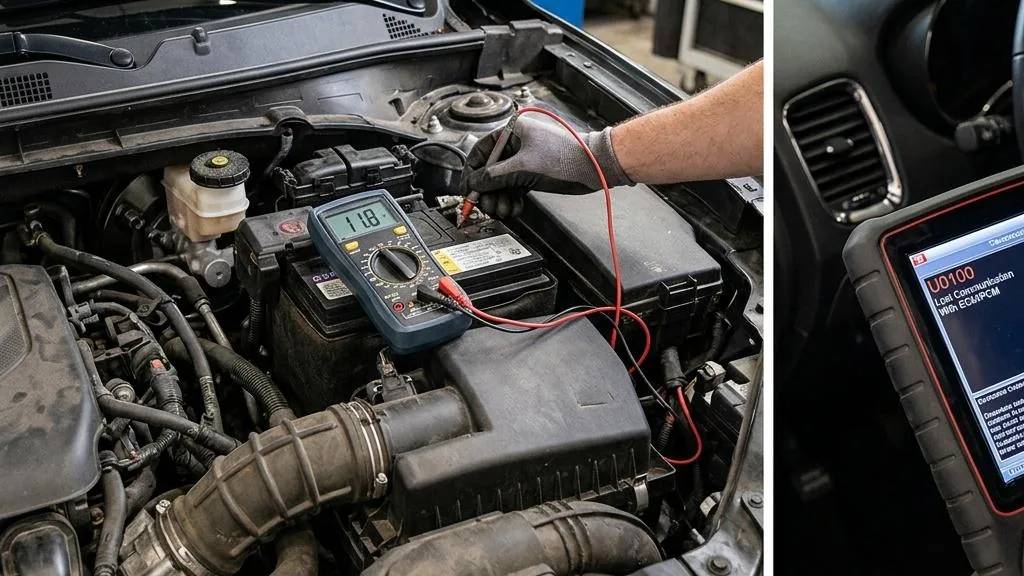
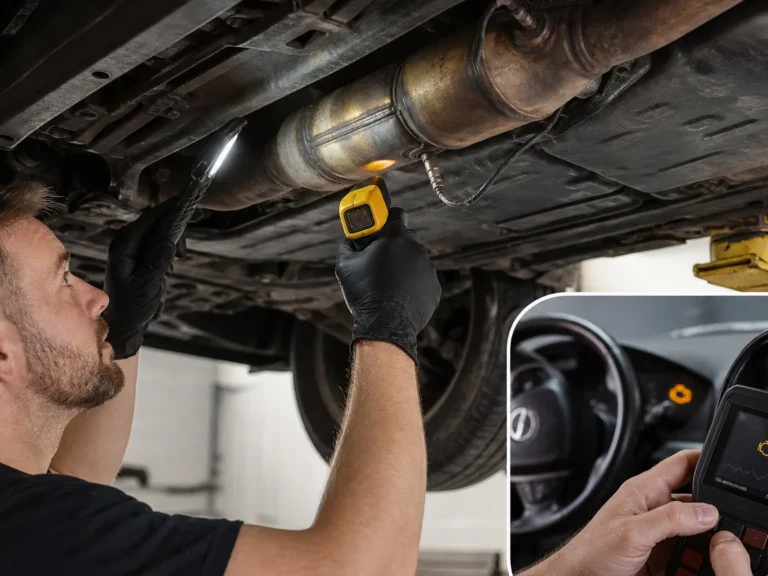
U0100 Lost Communication With ECM usually means another control module has lost communication with the ECM or PCM over the vehicle network. The first action is to check whether the vehicle starts, drives normally, or has serious symptoms such as stalling, limp mode, no throttle response, or multiple warning lights.
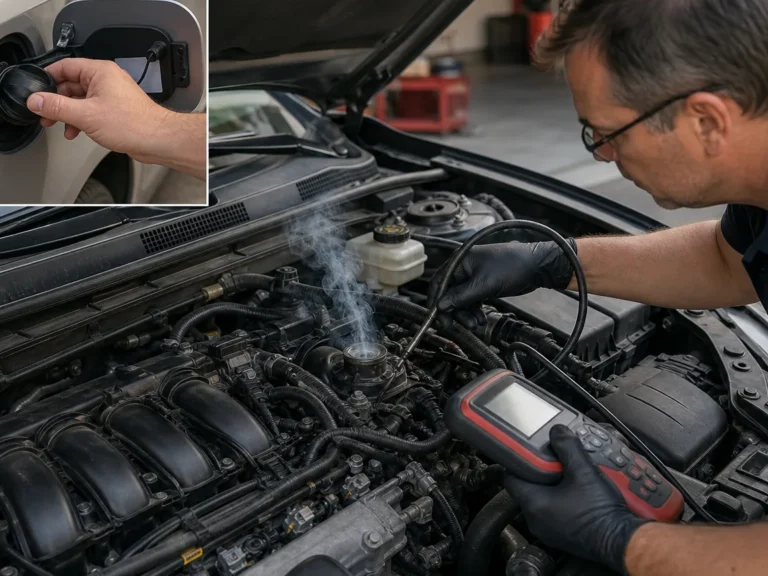
Diagnosis should begin with battery condition, charging system behavior, accessible fuses, grounds, connectors, and communication evidence from a capable scan tool. A bad ECM or PCM is possible, but it is a later-stage conclusion after the module has proven power, ground, network integrity, and programming support.
Manufacturer naming varies: ECM, PCM, and ECU may refer to related engine or powertrain control modules depending on the vehicle.
Symptoms
A stored U0100 should be treated more seriously when it appears with driveability symptoms. The ECM or PCM manages critical engine and powertrain communication, so repeated loss of communication can affect starting, throttle response, shifting, stability systems, emissions monitors, and warning-light behavior.
- Check engine light, traction light, ABS light, or multiple warning lights
- No-start or crank-no-start condition
- Stalling or intermittent shutdown
- Limp mode or reduced power message
- Harsh shifting or missing transmission data
- Scan tool cannot communicate with the ECM/PCM
- Code returns after clearing or after battery replacement
- Intermittent symptoms after rain, jump-starting, wiring work, or collision repair
If the vehicle runs normally, do not ignore the code. Record the scan report and related codes before clearing anything, because communication faults can be intermittent.
Main causes
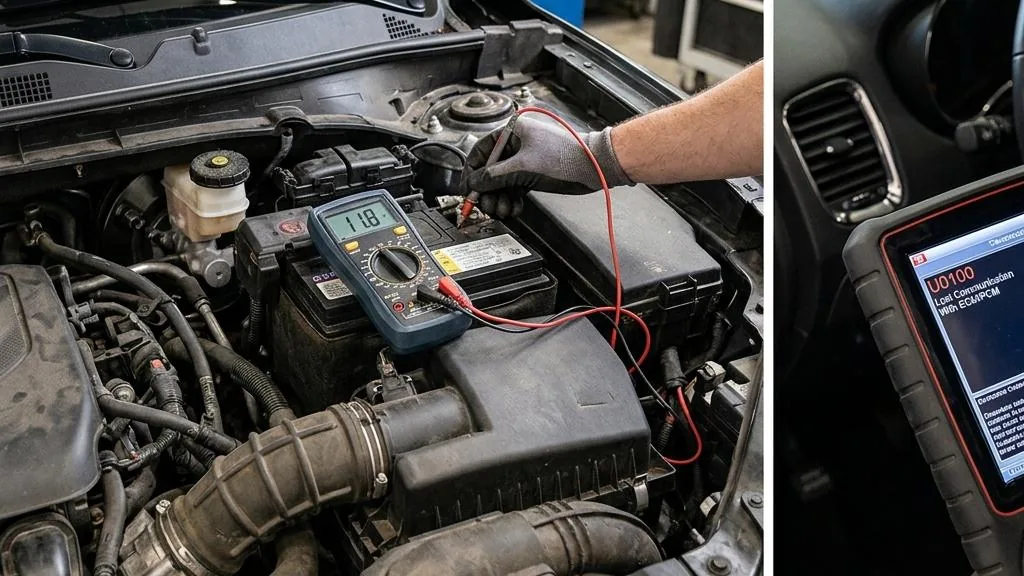
| Weak battery or low system voltage | Modules may reset, drop offline, or store communication faults during starting or low-voltage events. | Battery and charging test, recent jump-start history, freeze-frame context, and voltage-related codes. |
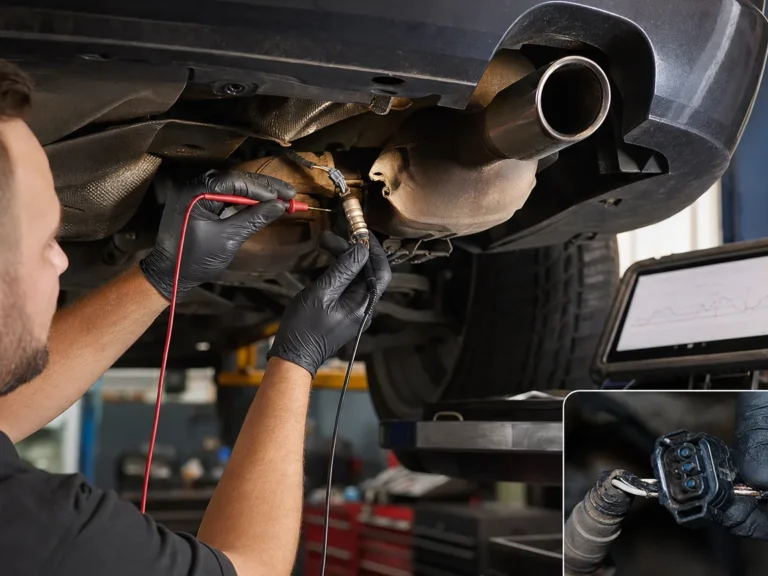
| Fuse, relay, power, or ground fault | The ECM/PCM may be present physically but unavailable electronically if its feed or ground is unstable. | Confirmed power and ground at the module using OEM service information. |
| Connector corrosion or water intrusion | Moisture or terminal damage can interrupt module communication intermittently. | Visual evidence, harness movement sensitivity, and connector inspection by a qualified technician. |
| CAN bus wiring fault | Open, shorted, damaged, or disturbed network wiring can block messages between modules. | Network tests performed according to OEM procedures and related U-codes from several modules. |
| Aftermarket wiring or recent repair | Alarm, audio, remote-start, trailer, or body repair wiring may disturb power or network circuits. | Fault timing that began after installation, collision work, or harness modification. |
| Software, configuration, or module failure | A module may need programming, configuration, or replacement after other causes are excluded. | OEM-guided tests showing correct power, ground, network integrity, and failed communication. |
What to check first
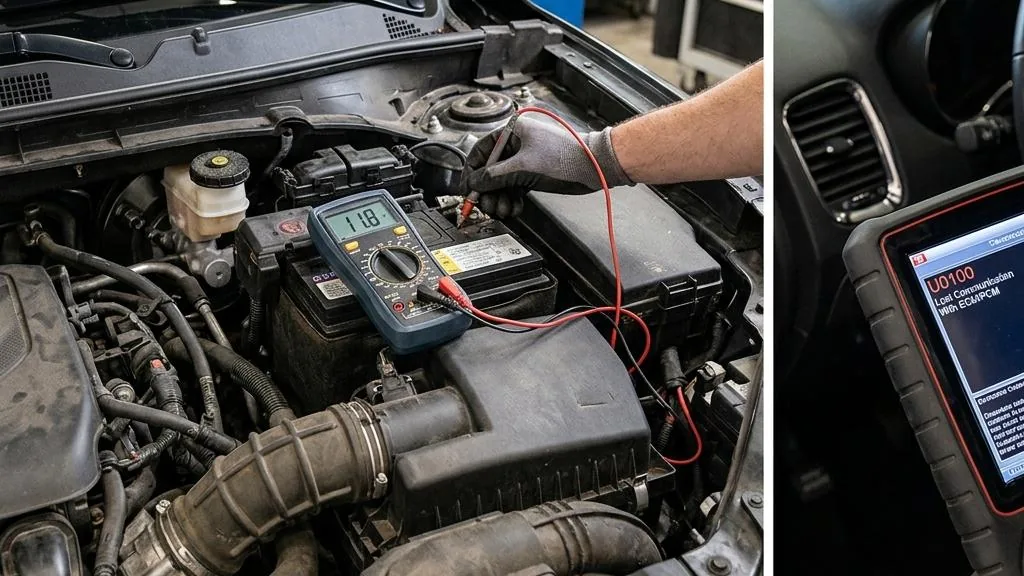
- Check whether the battery terminals are loose, heavily corroded, or recently disturbed.
- Note any recent jump-start, battery replacement, alternator work, collision repair, water leak, or aftermarket wiring installation.
- Look for obvious water intrusion near fuse boxes, kick panels, underhood connectors, and floor areas.
- Check accessible fuses only if the owner manual identifies them clearly and the vehicle is safely powered down.
- Save the scan report before clearing codes, including pending codes, stored codes, freeze-frame data, and modules that failed to respond.
- After clearing with a capable scan tool, note whether U0100 returns immediately, after starting, during driving, or only after sitting.
Do not probe network wires or module connectors without proper diagrams, tools, and safety precautions. Incorrect probing can create new faults.
Diagnostic order
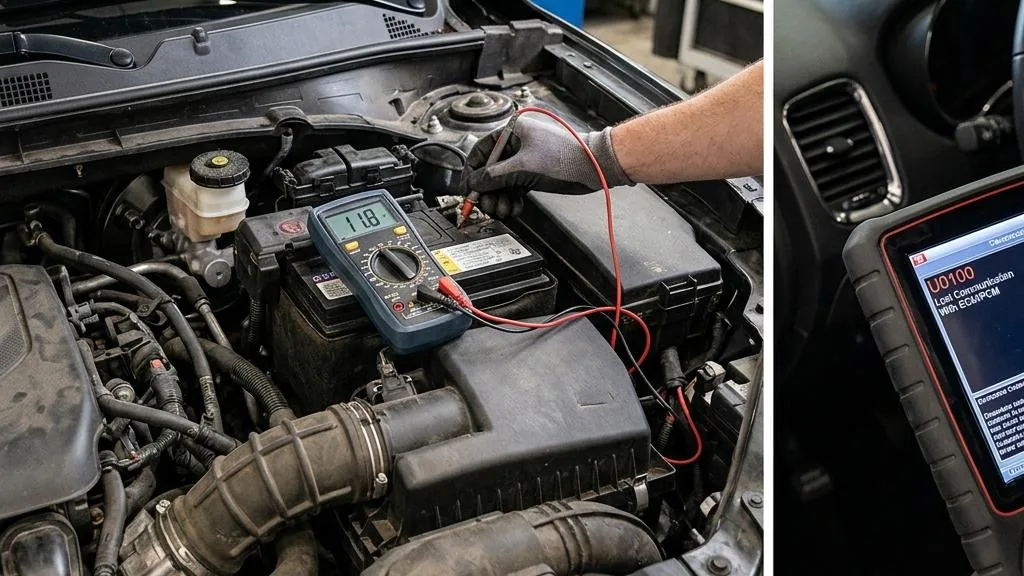
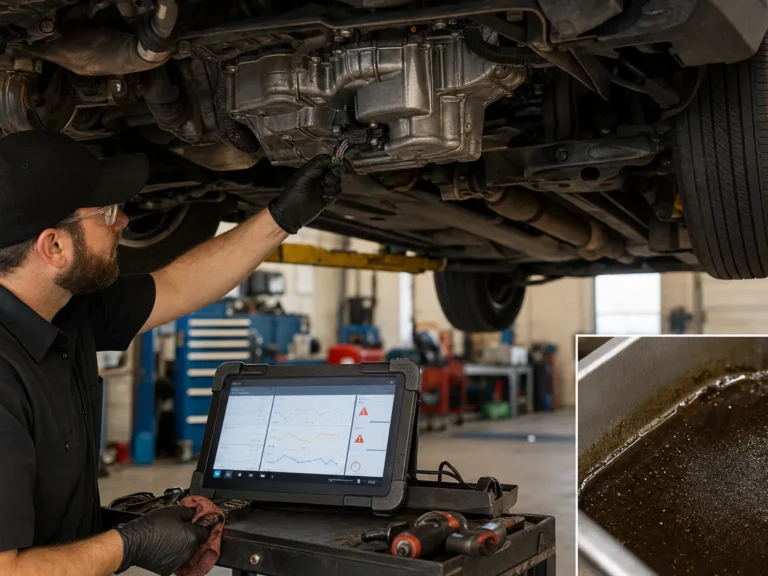
- Perform a full-vehicle scan, not only an engine-code scan, and record which modules can and cannot communicate.
- Save stored, pending, permanent, and related U-codes, along with freeze-frame or event data when available.
- Confirm battery condition and charging system behavior before chasing network faults.
- Verify ECM/PCM fuses, relays, main power feeds, ignition feeds, and grounds using OEM service information.
- Inspect ECM/PCM connectors, nearby harness routing, terminals, water intrusion points, and repaired wiring.
- Evaluate the CAN network with vehicle-specific procedures instead of applying universal values blindly.
- Check for software, configuration, immobilizer, or programming requirements before replacing any module.
- After repair, clear codes, confirm communication with the ECM/PCM, complete an appropriate drive cycle, and verify that U0100 does not return.
Live data and module status matter because U0100 can be stored by one module while the ECM/PCM is communicating normally at the time of inspection. A full-network scan helps separate a past voltage event from an active communication failure.
Do not keep driving if the vehicle stalls, will not start, enters limp mode, loses throttle response, or shows multiple critical warning lights. Arrange towing or professional electrical diagnosis because the fault may involve control-module power, network wiring, or communication needed for safe operation.
- Schedule diagnosis soon if the vehicle drives normally but U0100 returns.
- Stop driving if the vehicle loses power, stalls, or has unreliable throttle response.
- Use towing if the vehicle has a no-start condition or repeated module communication loss.
- Do not assume the code is harmless because it cleared once.
What usually fixes it
- Battery replacement or charging system repair when low voltage is confirmed.
- Fuse, relay, or power-feed repair when the ECM/PCM is not being supplied correctly.
- Ground cleaning or harness repair when voltage drop or poor ground integrity is confirmed.
- Connector cleaning, terminal repair, or connector replacement when corrosion or damage is found.
- CAN wiring repair when OEM network tests identify an open, short, or damaged section.
- Software update, configuration, immobilizer setup, or module programming when required by service information.
- ECM/PCM replacement only after the module fails confirmed diagnostic tests.
Module replacement can require programming and vehicle-specific setup. Do not buy or install an ECM/PCM solely because U0100 is present.
FAQ
Can a weak battery cause U0100?
Yes. Low voltage during starting, charging faults, or unstable battery connections can interrupt module communication and store U0100 or related communication codes.
Does U0100 mean the ECM is bad?
No. U0100 does not prove the ECM or PCM has failed. Power, ground, fuses, connectors, CAN wiring, scan-tool communication, and programming requirements should be checked first.
Is U0100 safe to drive with?
It may be drivable if there are no symptoms, but do not keep driving if the vehicle stalls, will not start, enters limp mode, loses throttle response, or shows multiple critical warning lights.
Why can my scan tool not communicate with the ECM?
The scan tool may be limited, or the ECM/PCM may lack power, ground, or network communication. A full-network scan with a capable tool is the better next step.
Why did U0100 return after a battery replacement?
The code may return if the original issue was a charging fault, ground problem, fuse issue, connector corrosion, CAN wiring fault, module configuration issue, or intermittent communication problem.
Comments
Be the first to add a practical repair note or follow-up question.