
Symptoms
P0741 usually means the computer is seeing the torque converter clutch fail to lock as expected or remain stuck off. It often points to a fluid, solenoid, wiring, valve body, torque converter, software, or internal transmission issue, and the vehicle should be diagnosed soon, especially if it shudders, slips, overheats, or shows warning lights. Think of torque converter clutch lockup like a steady handoff that fully connects the engine and transmission during cruise; P0741 flags that monitored handoff as faulty, not a confirmed failed torque converter.
| Repair path | What usually changes the final cost | When the cheaper path is false economy |
|---|---|---|
| Fluid service or basic inspection | Fluid condition, leak tracing, and time needed to confirm whether the code returns | When contaminated fluid or active leaks are ignored and a repeat failure damages other parts |
| Electrical or control repair | Access to wiring, connector condition, scan-tool confirmation, and software checks | When parts are swapped before circuit or command testing confirms the fault |
| Valve body, torque converter, or internal transmission repair | Labor access, teardown level, and whether collateral seals or related parts are needed | When a low-cost guess delays repair and continued slipping or heat leads to bigger transmission damage |
First action: scan for any related transmission codes, note shudder or high-RPM cruise behavior, check fluid guidance in the owner manual if applicable, and avoid towing or hard driving until the fault is confirmed.
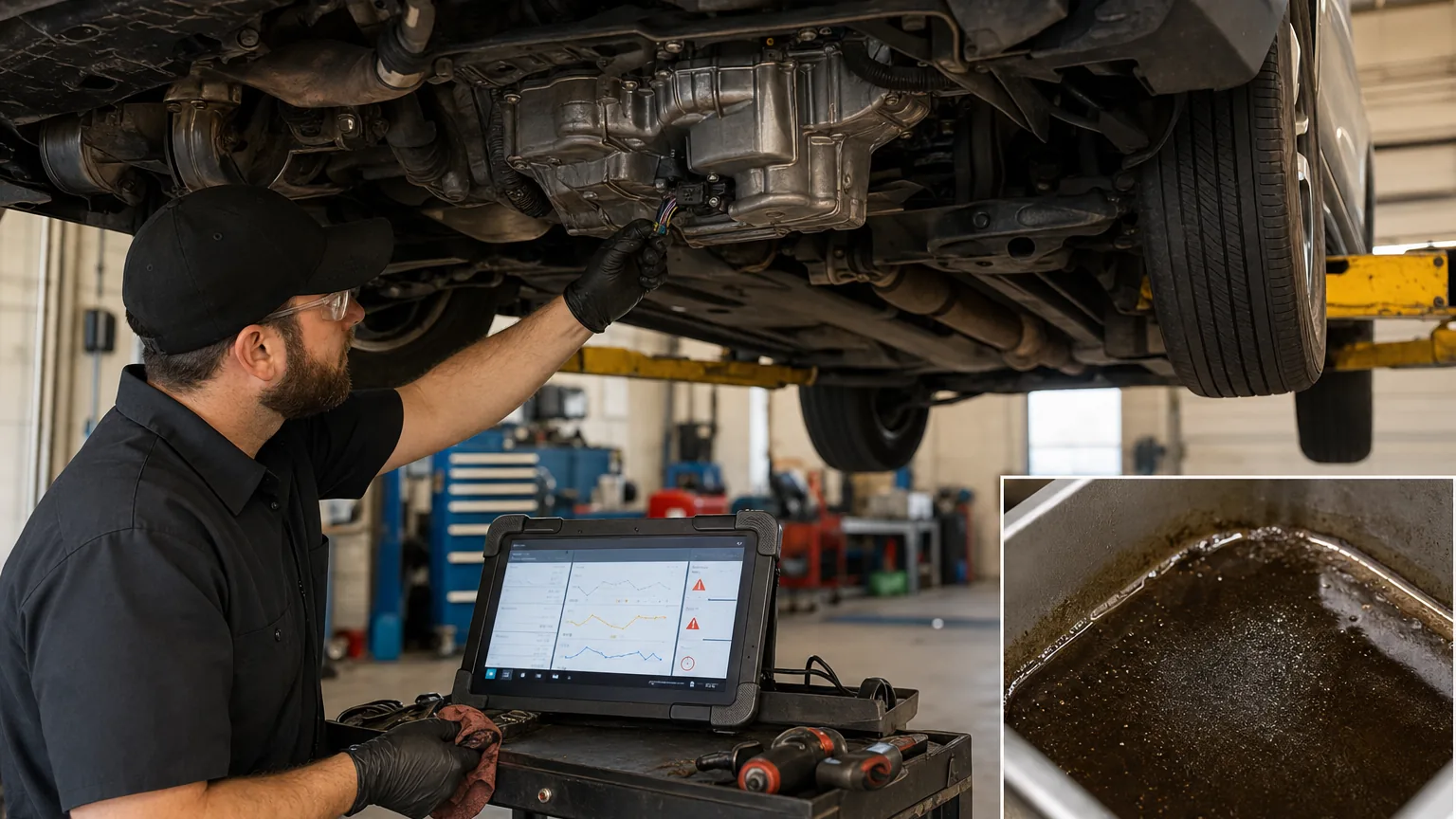
P0741 symptoms usually show up when the Torque converter clutch is not applying consistently, but they do not all appear at once. Some vehicles set the code with only a check engine light, while others develop clear Automatic transmission behavior changes during normal driving.
- Check engine light, sometimes with no obvious shift complaint at first.
- A shudder or vibration at steady cruise, especially after the transmission is warmed up. See [transmission shudder at highway speed](#transmission-shudder-at-highway-speed).
- A slipping or flare-like feel where engine speed rises without a matching increase in road speed. See [transmission slipping symptoms](#transmission-slipping-symptoms).
- Higher RPM than expected at cruise because the Torque converter clutch is not locking normally.
- Poor fuel economy from added converter slip.
- Transmission overheating or heat-related driveability changes.
- Harsh shifting, inconsistent shift feel, or a general sense that the vehicle is not settling into top gear.
- In some cases, there are no noticeable symptoms beyond the stored P0741 diagnostic trouble code.
Main causes
After symptoms, the next step is to rank causes by likelihood instead of treating every possibility as equal. P0741 diagnostic trouble code can come from fluid, electrical, hydraulic, control, or mechanical faults, and the same code does not automatically mean the Torque converter clutch itself has failed.
- Low, old, or contaminated transmission fluid is often high on the list because the Torque converter clutch depends on clean hydraulic apply pressure. Burnt smell, dark fluid, overheating, delayed engagement, or multiple shift complaints can point in this direction.
- A faulty TCC solenoid or weak control circuit is another common cause. If the Transmission control module or Powertrain control module commands lockup but slip remains, the TCC solenoid may not be applying the clutch correctly.
- Wiring, connector, or ground issues can interrupt TCC circuit performance without major internal damage. Intermittent symptoms, moisture intrusion, or code behavior that changes with heat or vibration can fit this pattern.
- Valve body or hydraulic passage problems can prevent proper clutch apply even when the solenoid works. This is more likely when shift quality problems appear alongside the code.
- Torque converter clutch wear is possible, especially if shudder, heat, or persistent slip continues after basic checks, but it should be confirmed rather than assumed.
- Less commonly, software, control strategy issues, or broader internal transmission wear can set P0741, particularly when other transmission codes or harsh operation are present.
Do not replace the torque converter first just because P0741 mentions TCC stuck off. A proper diagnosis should separate fluid, wiring, solenoid, hydraulic, and internal wear causes before major transmission repair.
Diagnostic order
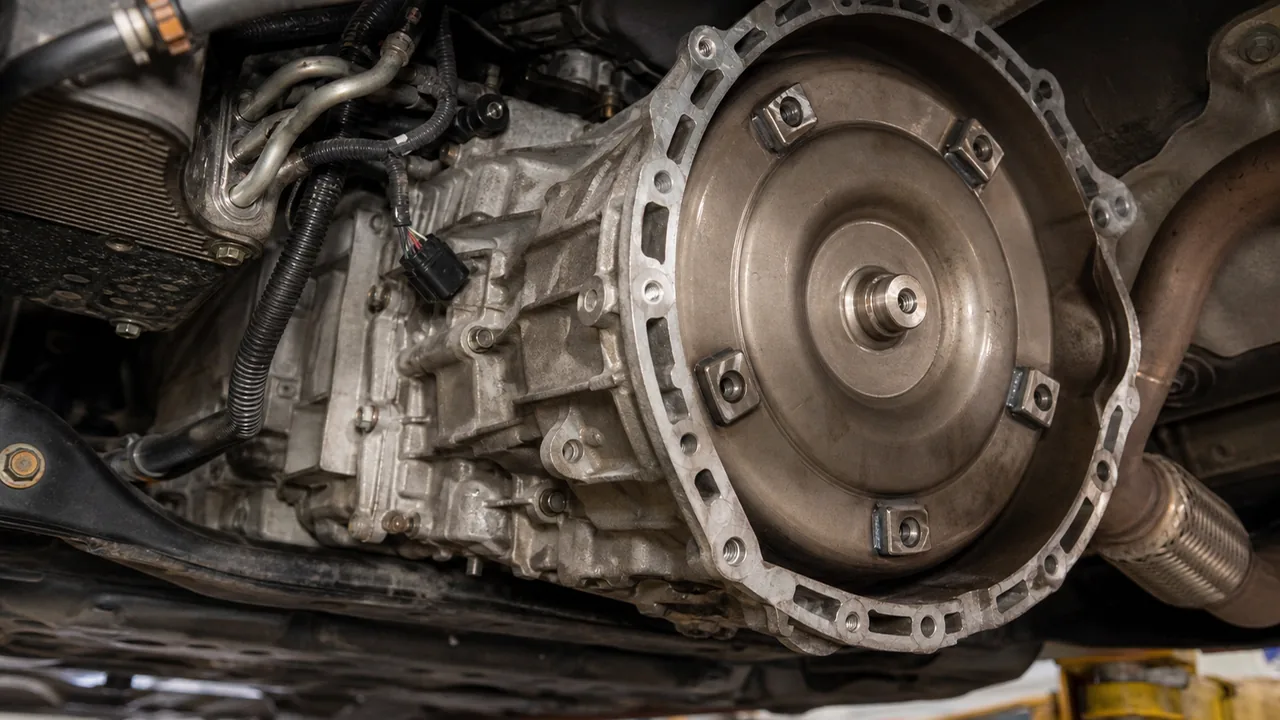
The P0741 diagnostic trouble code means the vehicle detects the Torque converter clutch is not locking as expected in the Automatic transmission. In plain English, the engine and transmission are not coupling the way they should at cruise, which can show up as a check engine light, shudder, a slipping feel, higher RPM at steady speed, added heat, or worse fuel economy. It is commonly described as TCC stuck off or TCC circuit performance.
Treat it as a diagnose-soon issue, not a guaranteed transmission replacement. If symptoms are present, avoid towing, hard acceleration, and long highway driving until the cause is confirmed. If the vehicle has only the code and no obvious drivability problem, a gentle trip to a qualified shop is usually more appropriate than continuing normal use. This code points to a system problem, not one certain part, so the fault could involve fluid condition, the TCC solenoid, wiring, hydraulic control, the torque converter itself, or module control.
Stop driving or escalate sooner if any of these happen
- The transmission starts overheating, or a transmission temperature or related warning light appears.
- Shudder or slipping becomes strong enough that speed is hard to maintain normally.
- You notice smoke, a strong burning smell, or visibly increasing smoke volume.
- The vehicle suddenly shifts harshly, loses drive, or hesitates badly when moving off.
- Transmission fluid is leaking, the level appears low where owner-manual checks allow, or fresh fluid spots appear under the vehicle.
- The symptom changes quickly, additional warning lights come on, or new transmission-related codes appear.
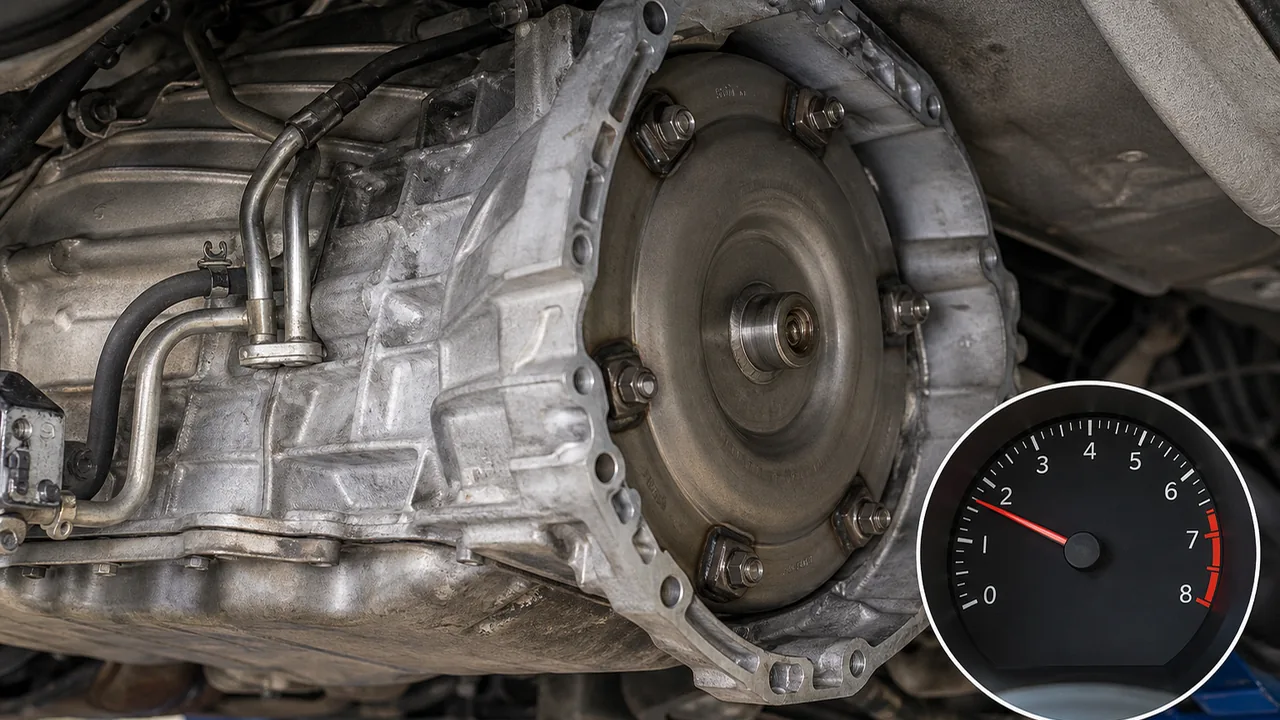
P0741 means the vehicle has detected that the Torque converter clutch is not locking as expected, so the first practical step is to avoid hard driving or towing and pay attention to higher cruise RPM, shudder, or signs of heat because continued slip can increase transmission stress.
The Torque converter clutch is part of the Automatic transmission system and is used to reduce converter slip during steady cruising. When it applies normally, engine speed and transmission operation become more efficient, which helps limit excess heat and wasted energy. If that clutch does not apply when it should, the engine may keep spinning faster than expected for the same road speed.
In code terms, P0741 diagnostic trouble code usually points to TCC stuck off or TCC circuit performance logic. That means the Powertrain control module or Transmission control module is monitoring transmission behavior and is not seeing lockup occur when commanded, or not seeing the response it expects. The code explains the monitored fault condition, but it does not confirm the root cause by itself. The next sections cover urgency, [torque converter clutch symptoms](#torque-converter-clutch-symptoms), and the most likely causes.
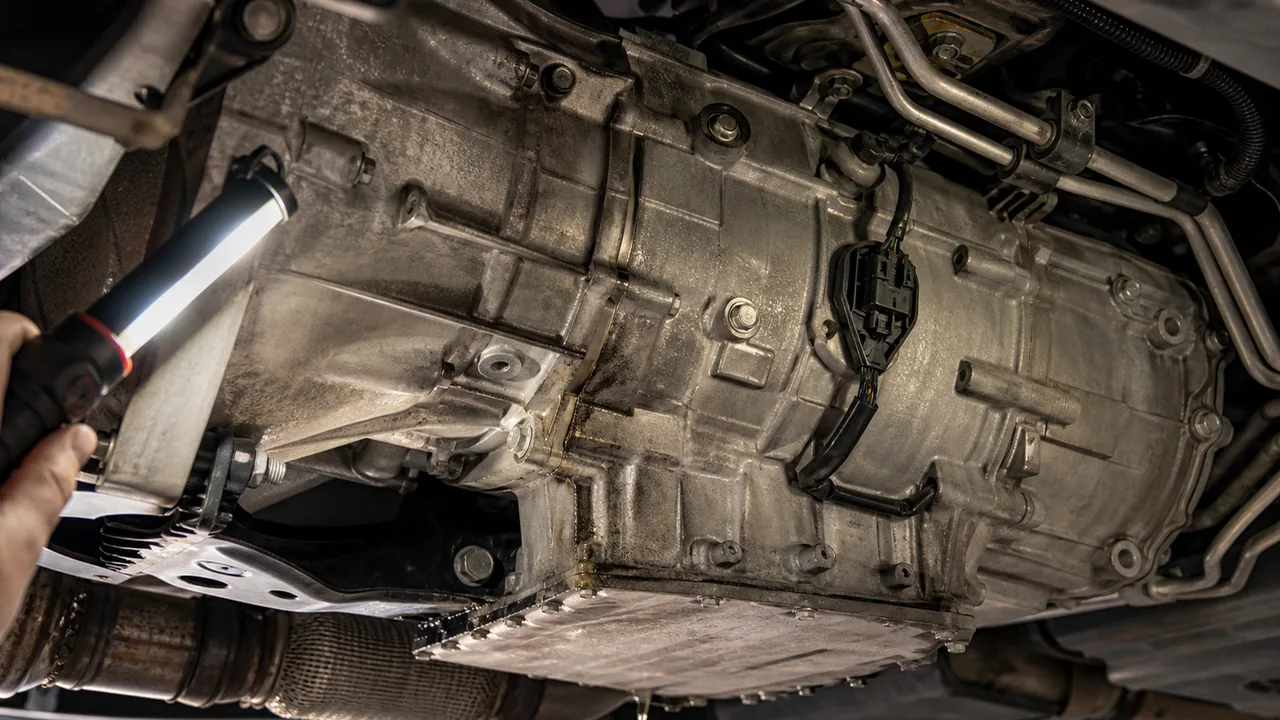
P0741 can range from manageable to serious depending on how the Automatic transmission behaves. If the code is present with no obvious symptoms, it is usually safe to drive short-term while you schedule diagnosis, but it is not a code to ignore because extra heat and clutch wear can build over time. If you notice higher cruise RPM or a small drop in fuel economy, drive gently to a shop and avoid towing, hard acceleration, or long highway trips. If drivability worsens, treat it as urgent. In some areas, a stored transmission-related code may also affect inspection readiness or emissions testing, so verify local rules.
- Monitor and schedule diagnosis soon if the Check Engine Light is on but the vehicle still drives normally.
- Drive gently to a shop if RPM stays unusually high at cruise or fuel economy drops noticeably.
- Stop heavy use and seek prompt service if shudder, slipping, or harsh shifting starts or gets worse.
- Pull over when safe and stop driving if the transmission overheats or a temperature warning appears.
- Stop driving if you notice a burning smell, growing smoke, or obvious fluid loss under the vehicle.
- Seek immediate help if warning lights multiply, the vehicle enters limp mode, or acceleration becomes unreliable.
Fluid condition is one of the first places to look because the Torque converter clutch depends on stable hydraulic apply pressure and heat control. When fluid is low, aged, overheated, or contaminated, the Automatic transmission may struggle to apply the clutch cleanly, which can contribute to P0741 diagnostic trouble code symptoms such as shudder, higher cruise RPM, slipping feel, or rising transmission temperature.
- Look for warning signs such as visible leaks, a burnt smell, unusually dark fluid, or evidence of contamination.
- Use only the owner manual procedure for checking fluid, because level checks, fluid temperature requirements, and fill methods vary widely by vehicle.
- Do not assume a flush is the answer. A transmission fluid service may help when diagnosis points to fluid condition as the cause, but it will not fix a failed TCC solenoid, wiring fault, or worn converter clutch.
If the fluid already looks or smells wrong, that supports the next diagnostic step, not a guess. Start with the correct fluid guidance and documented symptoms, then decide whether a [transmission fluid service](#transmission-fluid-service) fits the confirmed fault.
After fluid condition, the TCC solenoid is one of the most common repairable fault areas behind P0741 diagnostic trouble code. The TCC solenoid controls torque converter clutch apply or release, depending on transmission design. If it sticks, responds slowly, or cannot carry the commanded hydraulic action, the Transmission control module or Powertrain control module may see TCC circuit performance that does not match the expected lockup result.
The fault is not always a simple burned-out part. It can be electrical, mechanical, or hydraulic within the solenoid path, including an internally restricted passage or a valve that does not move correctly. That is why technicians usually confirm the issue with scan data, command testing, and circuit checks, then follow OEM diagnostic procedures before replacing parts.
If replacement becomes the verified fix, see: TCC solenoid replacement.
If fluid condition and the TCC solenoid are not the clear answer, the next place to look is the wiring between the Automatic transmission, the Transmission control module or Powertrain control module, and the related grounds. P0741 diagnostic trouble code can set when the Torque converter clutch command is correct on the scan tool but the circuit cannot carry that command reliably.
Damaged insulation, loose pins, corrosion, poor grounds, fluid intrusion, and harness strain from heat, road debris, leaks, or previous repair work can all create an intermittent TCC circuit performance problem. That is why replacing major transmission parts too early can miss the real fault.
- Owner-safe check: look for obvious harness damage, wet connectors, or signs of recent repair near the transmission case.
- Technician step: inspect connector condition, verify ground integrity, and perform circuit testing instead of guessing from the code alone.
- If the circuit checks fail, the repair may be far smaller than a valve body or torque converter replacement.
If the TCC solenoid is being commanded correctly and the wiring path checks out, the next layer is hydraulic control inside the Automatic transmission. A worn valve body, sticking apply valve, separator plate wear, or internal pressure loss can keep the Torque converter clutch from applying fully, which can set P0741 diagnostic trouble code even though the electrical side appears normal.
This is one reason P0741 can overlap with shudder, inconsistent shift feel, extra heat, or a slipping sensation at steady speed. Those symptoms do not automatically prove a bad Torque converter clutch by themselves, because weak or unstable hydraulic apply can produce a similar result. Confirming this fault usually requires technician-level testing with scan data, fluid-condition review, and vehicle-specific hydraulic or pressure checks following the OEM diagnostic flow.
Owner-safe takeaway: if P0741 comes with shudder, overheating, or worsening shift complaints, avoid heavy load or towing and move diagnosis up the priority list.
If the TCC solenoid, wiring, and hydraulic control path are not the clear fault, a worn Torque converter clutch becomes a more credible cause of the P0741 diagnostic trouble code. The clutch lining inside the converter can wear or glaze, or the converter can develop an internal apply problem that prevents full lockup even when the Transmission control module or Powertrain control module is commanding it.
- Converter wear is more likely when the Automatic transmission has shudder during light cruise, repeated TCC stuck off or TCC circuit performance faults, signs of overheating, or fluid contamination that suggests internal debris.
- Higher cruise RPM and poor fuel economy can fit this pattern, but they do not confirm the converter by themselves.
Because converter replacement is more invasive and more expensive than external electrical repair, it should follow confirmed diagnosis rather than guesswork. Technicians usually want supporting evidence from scan data, fluid condition, and the earlier control and hydraulic checks before calling the converter the failed part.
If the Torque converter clutch, hydraulic path, and wiring do not clearly explain the P0741 diagnostic trouble code, control logic becomes a reasonable next step. In some vehicles, the Transmission control module or Powertrain control module may need an applicable calibration update, or there may be a known service bulletin tied to TCC circuit performance, shift strategy, or clutch apply behavior.
This is a technician-level check, not a guess-and-program repair. Software status should be verified against OEM or professional service information, along with any adaptive control or relearn procedures that the manufacturer specifically calls for. A module should not be reprogrammed just because P0741 is present, especially when fluid condition, solenoid operation, or internal wear have not been ruled out.
If no confirmed update or control issue applies, the diagnosis should continue toward deeper Automatic transmission wear rather than assuming the module is the root cause.
When the easier causes do not hold up, internal wear inside the Automatic transmission moves higher on the list. Wear at clutch packs, bushings, seals, or related hard parts can reduce apply pressure or disturb how the Torque converter clutch engages, which can support a P0741 diagnostic trouble code even when the TCC solenoid and control logic are not the main fault.
This possibility becomes more concerning when P0741 appears with metal debris in the fluid, repeated overheating, a clear slipping feel, or multiple transmission-related codes. At that point, diagnosis should stay structured rather than jumping straight to a converter or full rebuild. A technician should first separate internal wear from lower-risk causes such as fluid condition, wiring faults, connector problems, valve body issues, or a TCC circuit performance problem before recommending major repair.
- Rising concern signs include metallic contamination, recurring heat-related symptoms, and more than one transmission code.
- Internal wear can mimic converter-clutch failure because pressure loss and apply problems may look similar in scan data and driving symptoms.
- Major repair decisions should follow confirmed testing, not code presence alone.
After reviewing the likely causes, the safest next step is to gather useful information without trying to repair the Automatic transmission yourself. P0741 diagnostic trouble code problems can overlap with other transmission or engine-control faults, so good notes help prevent guesswork.
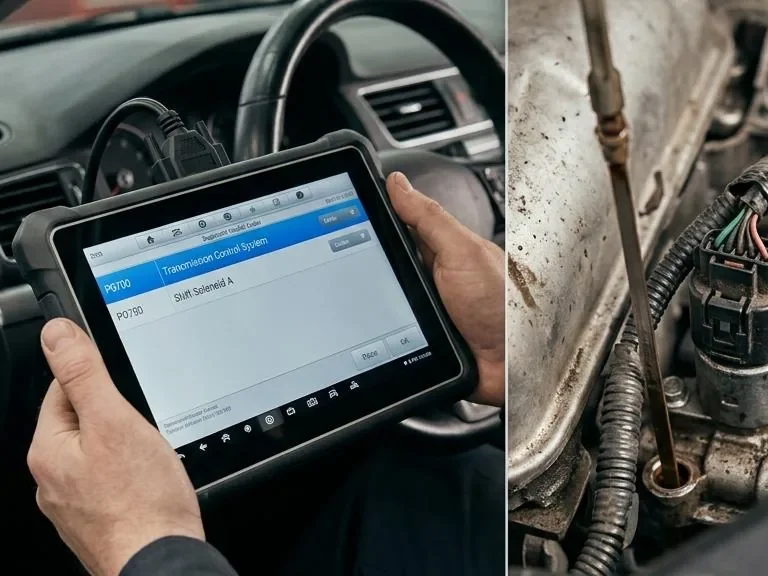
- Scan the vehicle and record every stored, pending, and related transmission code, not just P0741. If freeze-frame data is available on your scan tool, save that too for the shop visit.
- Write down exactly when symptoms happen: during light cruise, after warm-up, under load, on the highway, during shifts, or when the vehicle is cold. Note gear behavior, engine speed changes, and whether shudder or slipping appears.
- Check the owner manual before looking at transmission fluid. Some vehicles have specific procedures, and some are not designed for simple driveway fluid checks.
- Look for obvious fluid spots or leaks around where the vehicle is parked. Do not crawl under a vehicle unless it is supported safely and you have the right equipment.
- Avoid towing, hard acceleration, repeated stop-and-go strain, and long high-heat driving until the fault is confirmed. If symptoms are present or the code returns, schedule diagnosis soon. For broader context, see our check engine light diagnosis guide and OBD-II code lookup.
Owner-safe checks stop at observation and code gathering. Electrical testing, hydraulic checks, under-vehicle inspection, and scan-command tests belong in the technician diagnosis stage.
After the owner-safe checks, technicians move to scan data and structured transmission testing. For a P0741 diagnostic trouble code, they usually start by reviewing freeze-frame data, confirming any related transmission or engine codes, and checking whether the fault appeared under cruise, load, or warm-fluid conditions.
- Compare live data to see whether the Torque converter clutch is being commanded on, then watch slip behavior, speed, load, and transmission temperature trends for signs that the clutch is not applying as expected.
- Use OEM-capable scan tools to run TCC command or functional tests where the platform supports it, helping separate a control issue from a mechanical or hydraulic fault.
- Inspect Automatic transmission fluid for low level, burnt odor, discoloration, debris, or overheating clues.
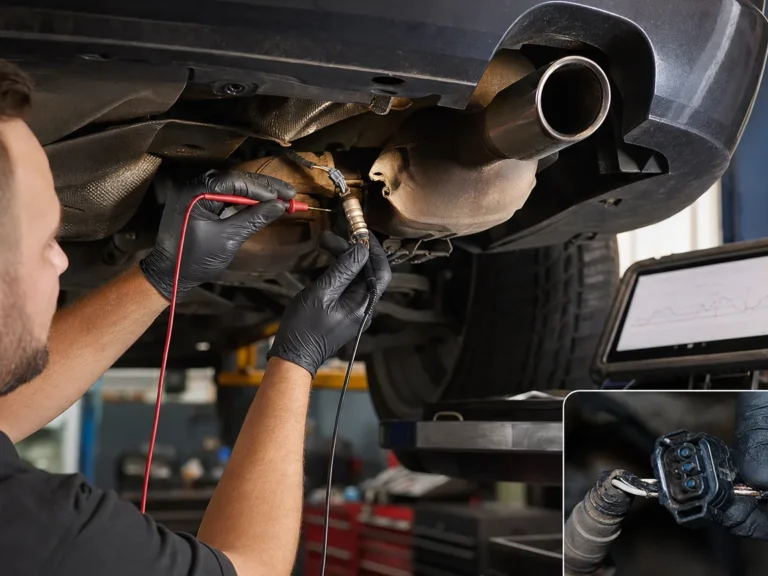
- Test the TCC solenoid circuit, connector condition, power, ground, continuity, and resistance against OEM information rather than generic values.
- Perform pressure or hydraulic checks where applicable, then review service bulletins, software updates, and the OEM diagnostic flow before confirming the repair path.
After a P0741 diagnostic trouble code is repaired, prevention comes down to fluid quality, heat control, and making sure the original fault was actually confirmed. Replacing a Torque converter clutch, TCC solenoid, or related part without proving the cause can leave the same TCC circuit performance problem in place.
- Use only the transmission fluid specification listed in the owner manual or OEM service information, and follow the correct service interval for the Automatic transmission.
- Fix transmission fluid leaks promptly. A small leak can turn into low or degraded fluid, which can affect Torque converter clutch operation.
- If symptoms such as shudder, higher cruise RPM, slipping, or overheating appear, avoid towing, aggressive acceleration, or other heavy-load driving until the issue is checked.
- Have the root cause verified before parts are replaced. Wiring, hydraulic faults, valve body issues, and internal wear can all set similar symptoms.
- After repair, clear codes and confirm the fix with an appropriate drive cycle or scan data review so the Transmission control module or Powertrain control module shows normal TCC operation where applicable.
Can you keep driving?
Sometimes, yes, but only with caution. A P0741 diagnostic trouble code means the Torque converter clutch is not locking as expected, so continued driving can add heat and wear inside the Automatic transmission. If the vehicle feels normal and the code appeared without obvious symptoms, a short, gentle drive to a shop or diagnostic appointment may be reasonable. Treat it as a limited-use situation, not something to ignore for regular commuting or heavy use.
- If cruise RPM seems higher than normal, fuel economy drops, or a shudder appears, avoid highway speeds, hard acceleration, and stop-and-go strain, then schedule service soon.
- If you notice overheating, severe slipping, limp mode, a burning smell, harsh behavior, or multiple warning lights, stop driving as soon as it is safe and have the vehicle checked.
- Do not tow, haul heavy loads, or push the vehicle under extra stress until the cause is confirmed.
- If symptoms are changing quickly, the safer choice is to stop using the vehicle and move straight to diagnosis.
What usually fixes it
Once testing confirms why the Torque converter clutch is not applying, repair cost usually follows the verified failure, not the P0741 diagnostic trouble code alone. The least invasive path may be a fluid service or wiring repair when evidence supports it. Mid-level repairs often involve the TCC solenoid, harness, or valve body service. Higher-cost cases usually mean torque converter replacement or deeper Automatic transmission work. See also: [transmission repair cost](#transmission-repair-cost).
| Repair path | Usually fits when | What changes the final cost | False-economy warning |
|---|---|---|---|
| Least invasive | Fluid condition or external wiring issue is verified | Labor access, fluid type, confirmation time, parts availability | Blindly changing fluid without confirming the cause can delay the real repair |
| Mid-level repair | Testing points to the TCC solenoid, harness, or valve body | Design complexity, pan access, extra seals or fluid, diagnostic labor | Replacing parts before circuit and hydraulic checks can waste money |
| Higher-cost repair | Torque converter failure or internal transmission wear is confirmed | Transmission removal, collateral parts, fluid, labor rate | A cheaper patch after confirmed internal damage is often false economy |
FAQ
P0741 means the Torque converter clutch is not locking as expected. The vehicle may still move normally at first, but higher cruise RPM, shudder, slipping, extra heat, and worse fuel economy can follow. Avoid towing or hard driving, note any related codes or warning lights, and have the Automatic transmission diagnosed before the fault worsens.
Comments
Be the first to add a practical repair note or follow-up question.