
What this part does
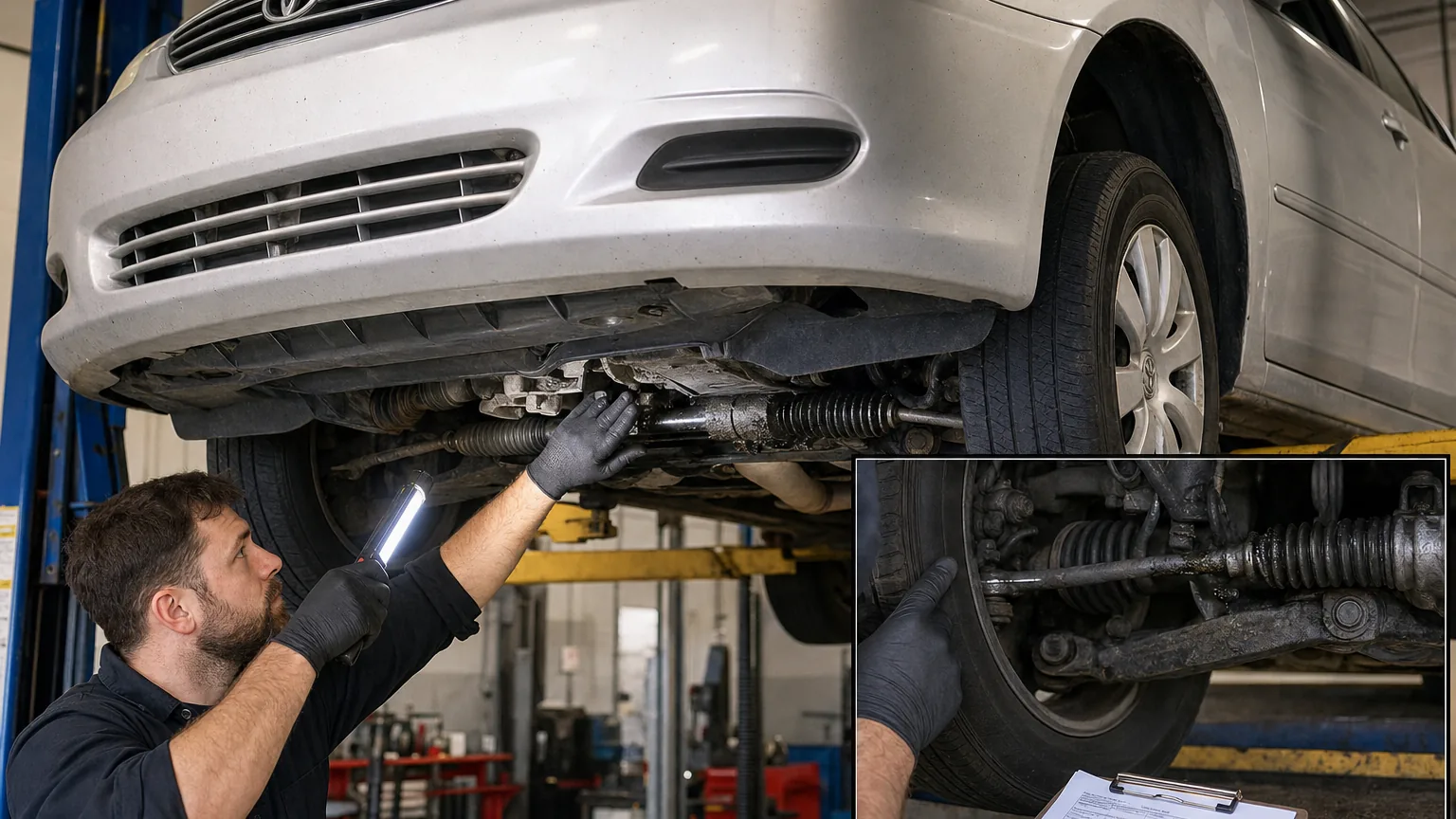
The steering rack converts steering wheel input into side-to-side movement at the front wheels. Inner tie rods connect to the rack ends, outer tie rods connect that movement to the steering knuckles, and the rack boots help keep dirt and water away from the inner joint area.
Hydraulic power steering assist reduces steering effort through a pump, fluid, hoses, and rack passages. That means a heavy steering complaint can come from the rack, but it can also come from fluid loss, hose restriction, pump trouble, belt drive issues, tire problems, or suspension drag.
- The rack housing must stay securely mounted so steering input does not turn into unwanted rack movement.
- The inner and outer tie rods must move freely without looseness that lets the wheels wander.
- The boots must protect the inner tie rod and rack end area, even though a boot by itself is not the steering gear.
- The hydraulic system must hold fluid and provide assist without leaks, aeration, or abnormal effort changes.
- Alignment depends on tie rod length and steering geometry, so steering repairs often require alignment verification.
Common failure signs
A 2006 Toyota Camry steering rack inspection failure usually means the rack area needs a basic leak, play, and mounting inspection before anyone replaces the rack. The first check is whether the failed item is leakage, a torn boot, tie-rod play, binding, mount movement, or a related steering or suspension fault. Severe looseness, fluid loss, or binding is urgent, so confirm the exact failed item before driving far or authorizing replacement.
Start by reading the inspection note and asking which part failed: the rack housing, rack seals, rack boot, inner tie rod, outer tie rod, steering mount, hose, pump, tire, alignment, or suspension joint. A torn boot or light seepage can be important, but it does not automatically prove the entire rack assembly is unsafe.
- Rack leakage or wetness around the bellows can suggest seal leakage, hose leakage, or fluid carried across the rack area.
- A torn rack boot exposes the inner tie rod and rack end area to dirt and moisture, but replacement depends on contamination, leakage, and joint condition.
- Loose steering can come from inner tie rods, outer tie rods, rack wear, ball joints, control arm bushings, strut mounts, tires, or alignment.
- Binding, failure to return normally, or steering that suddenly becomes heavy should be treated as a stop-and-inspect condition.
- Visible rack or subframe movement needs professional inspection because steering mount security is a safety issue.
Extractable answer: A 2006 Camry steering rack complaint should be confirmed with leak tracing, boot inspection, tie rod play isolation, mount inspection, and steering effort checks before the rack is condemned. Do not keep driving if the steering is binding, severely loose, or losing assist suddenly.
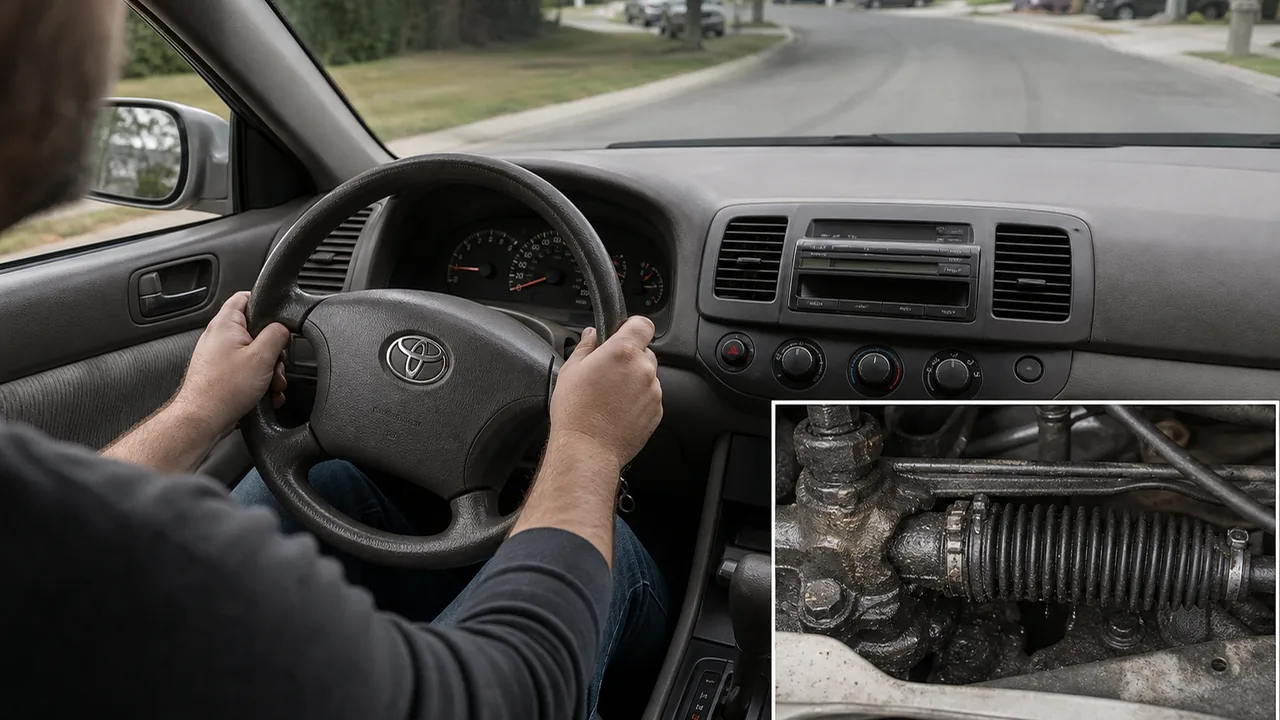
A steering rack problem often points to fluid leakage, internal wear, contaminated inner joints, or tie rod looseness, but the same driver complaints can come from nearby parts. The safest approach is to match each symptom to a visible or testable fault before approving a rack.
A vehicle that steers normally can still fail inspection if a protective boot is torn or a joint has measurable play. Normal feel does not replace a physical inspection, but it does help frame whether the next step is confirmation or immediate no-drive handling.
Before replacing it
DTC context matters because some owners search for steering rack answers after a warning light, but this rack complaint is mainly confirmed by inspection and road-test findings. A scan tool can be useful if other warning lights are present, yet a code should not replace leak tracing, tie rod isolation, rack mount checks, and steering effort evaluation.
- No warning light is required for a torn boot, leaking hydraulic rack area, loose tie rod, or worn steering joint.
- ABS, stability, engine, or sensor-related codes can affect drivability or steering feel indirectly, but they are separate diagnostic paths unless repair information connects them.
- A hydraulic fluid leak or mechanical play concern can exist with no useful rack-specific code.
- If lights are present, record the codes before clearing them and treat them as context for the full vehicle diagnosis.
Do not approve a rack replacement because a dashboard light is on unless the shop can show physical evidence, repair-information support, and a diagnosis that separates the rack from related systems.
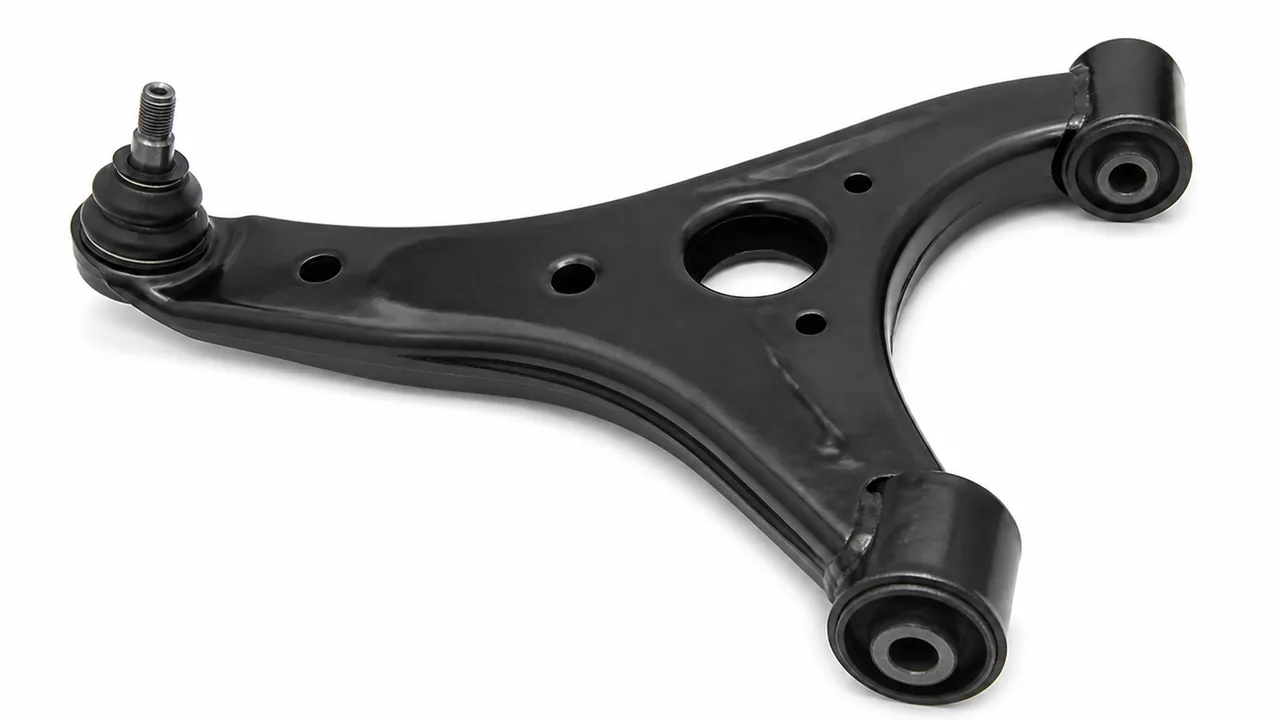
The ranked causes after an inspection failure should begin with what can be seen and tested, then move toward deeper faults. A torn boot and minor wetness deserve attention, but they are different from a rack that has unsafe play, active seal leakage, binding, or damaged mounting.
Ranked causes to rule in or out
- Owner-safe check: read the failed inspection note before accepting a broad phrase such as steering rack broken.
- Owner-safe check: look for fresh fluid drops after parking, but do not assume no drops means no leak.
- Owner-safe check: note whether steering effort changed suddenly, feels notchy, binds, or fails to return normally.
- Owner-safe check: photograph visible torn boots or wet areas if they can be seen without unsafe under-vehicle access.
- Owner-safe check: stop driving and seek professional inspection if steering becomes unpredictable, very loose, or suddenly heavy.
Inspection steps
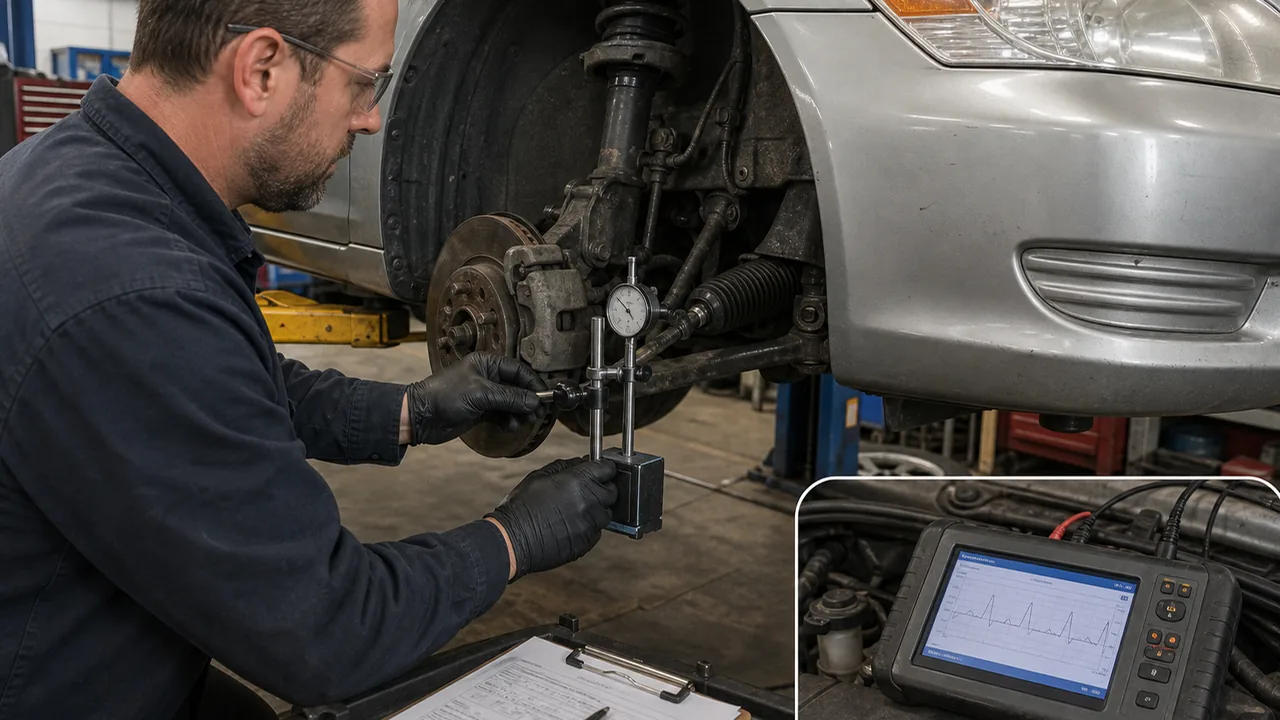
Inspection should be sequenced from evidence to decision. If the vehicle has severe looseness, binding, or major fluid loss, the road test should be skipped or limited by the professional inspecting it. A safe diagnosis does not require proving a point on the road when the steering already shows a no-drive concern.
- Review the inspection report and identify the exact failed item, not just the broad steering rack label.
- Ask whether the failure was based on leakage, torn boot, measured play, looseness, binding, mounting movement, or steering behavior.
- Perform a cautious road test only if steering response, braking, tires, and fluid level make it safe to do so.
- Lift the vehicle with proper equipment and inspect the rack boots, rack housing, hoses, pump area, subframe area, tie rods, and suspension joints.
- Isolate play by checking inner tie rods, outer tie rods, rack movement, ball joints, control arm bushings, and wheel bearing looseness as separate possibilities.
- Clean suspect wet areas when appropriate, then recheck to trace whether fluid begins at the rack seal, hose, fitting, pump, or another source.
- Evaluate steering effort and return-to-center while considering tire condition, alignment, strut mounts, and suspension drag.
- Compare findings with OEM service information or licensed repair data before deciding between boot service, tie rod replacement, hose repair, pump diagnosis, alignment, fluid service, or rack replacement.
- After any steering linkage or rack work, verify steering response and alignment-related settings according to the repair path.
Technician checks should include lift inspection, tie rod play isolation, leak source confirmation, steering effort evaluation, and repair-information confirmation. The owner should not crawl under a car supported only by a jack to repeat these checks.
Do not keep driving a 2006 Camry with steering that binds, becomes suddenly heavy, leaks heavily, feels severely loose, or has been marked unsafe by a shop that can show the failed component. Those conditions should be handled as no-drive or professional-inspection-first concerns.
- Stop driving if the steering wheel turns but the car does not respond normally.
- Stop driving if the steering suddenly becomes much harder to turn, especially during parking or low-speed maneuvers.
- Stop driving if there is obvious fluid loss from the front steering area and the fluid level cannot be safely verified according to the owner manual.
- Stop driving if a clunk is paired with visible wheel or tie rod looseness.
- Treat any inspection note that states the vehicle is unsafe as a prompt to ask for evidence and avoid casual driving until the finding is confirmed.
Roadworthiness rules vary by inspection jurisdiction, so any legal statement about whether this specific failure passes or fails inspection needs local expert validation.
Used rack buying should begin only after the rack itself has been confirmed as the failed part. If the real fault is a tie rod, boot, hose, pump, tire, alignment, or suspension issue, buying a used rack adds risk without solving the original inspection failure.
- Match the rack to the vehicle application and existing configuration rather than relying on appearance alone.
- Inspect for torn boots, fluid wetness, damaged threads, damaged mounting points, and impact marks.
- Ask whether inner tie rods are included and whether they have been inspected or should be replaced.
- Do not assume a used rack is dry internally because it looks dry externally.
- Confirm that installation will include leak checks, steering response verification, and alignment-related service.
For steering parts, a cheaper part can be the wrong choice if it adds uncertain wear, poor warranty coverage, or repeat alignment labor. The safest buying decision follows the diagnosis, not the initial inspection label.
A clear diagnosis should explain why the rack is failed and why related components are not the primary fault. If the quote only says rack broken, ask for the specific observation that proves it: leak source, measured play, binding, mount movement, or internal failure.
- Which exact part failed inspection: rack housing, seal, boot, inner tie rod, outer tie rod, mount, hose, pump, tire, alignment, or suspension joint?
- What evidence shows the rack itself is bad rather than a tie rod, hose, pump, tire, alignment, or suspension issue?
- Is there active fluid leakage, and where does the leak begin after cleaning and rechecking?
- Was play isolated between the inner tie rod, outer tie rod, rack, ball joint, control arm bushing, and wheel bearing?
- Does the steering bind, lose assist, fail to return normally, or only show a visible boot or seepage concern?
- Will tie rods or boots be replaced separately, or are they included with the rack assembly?
- Will alignment be performed after rack or tie rod work, and what happens if the steering wheel is off-center afterward?
- What warranty applies to the part and labor, and does it differ for new, remanufactured, or used parts?
- Was the repair decision checked against OEM service manual or licensed repair information?
A useful second opinion is not just a cheaper quote. It should separate rack failure from related steering, suspension, hydraulic, tire, and alignment faults in writing.
Replacement notes
A torn boot may lead to boot replacement if the inner joint is cleanable, smooth, tight, and not leaking, but contamination or play can turn that into tie rod service. A confirmed rack seal leak, internal looseness, binding, or damaged housing is a stronger case for rack assembly replacement.
Cost decisions should stay local because labor rates, part quality, alignment needs, corrosion, related repairs, and warranty terms vary. Ask for the diagnostic evidence first, then compare repair paths rather than comparing one large rack quote against guesswork.
Use the inspection note as the starting document. If it mentions leakage, begin with power steering leak tracing. If it mentions looseness, compare inner tie rod, outer tie rod, ball joint, and rack play. If it mentions wandering or vibration, include tire and alignment checks before assuming rack failure.
- Use a power steering fluid leak guide when the rack area is wet but the source is not proven.
- Use an inner tie rod guide when the inspection note mentions play at the rack end or steering linkage.
- Use a steering vibration guide when the driver complaint is shake, shimmy, or wandering.
- Use an alignment-after-repair guide before approving rack or tie rod work.
- Use a no-drive steering guide if the car binds, feels severely loose, or loses assist.
FAQ
Does a torn steering rack boot mean the rack must be replaced?
No. A torn boot means the protected inner tie rod and rack end area need inspection for contamination, play, and leakage. The rack should be replaced only if the rack itself has confirmed leakage, unsafe play, binding, damage, or another failure that cannot be handled by a smaller repair.
Can I drive a 2006 Camry with a steering rack leak?
Only if the leak is minor, steering effort is normal, fluid level is safe according to the owner manual, and no shop has identified an unsafe steering condition. Do not drive if fluid loss is heavy, steering becomes suddenly hard, the car wanders severely, or the steering binds.
Will a scan tool prove the steering rack is bad?
Usually no. This rack diagnosis is mainly mechanical and hydraulic. Codes or warning lights may show related system issues, but they do not replace physical inspection of the rack, boots, tie rods, hoses, pump, tires, alignment, and suspension.
Should alignment be included after rack or tie rod work?
Alignment verification is usually part of a proper steering repair path when rack or tie rod position changes. The shop should explain whether alignment is required for the specific repair and how steering wheel centering will be handled.
What should I authorize first after a failed inspection?
Authorize diagnosis that identifies the failed item and separates rack failure from tie rods, hoses, pump, tires, alignment, and suspension wear. Approve rack replacement only after the shop can show the evidence behind that decision.

Comments
Be the first to add a practical repair note or follow-up question.