
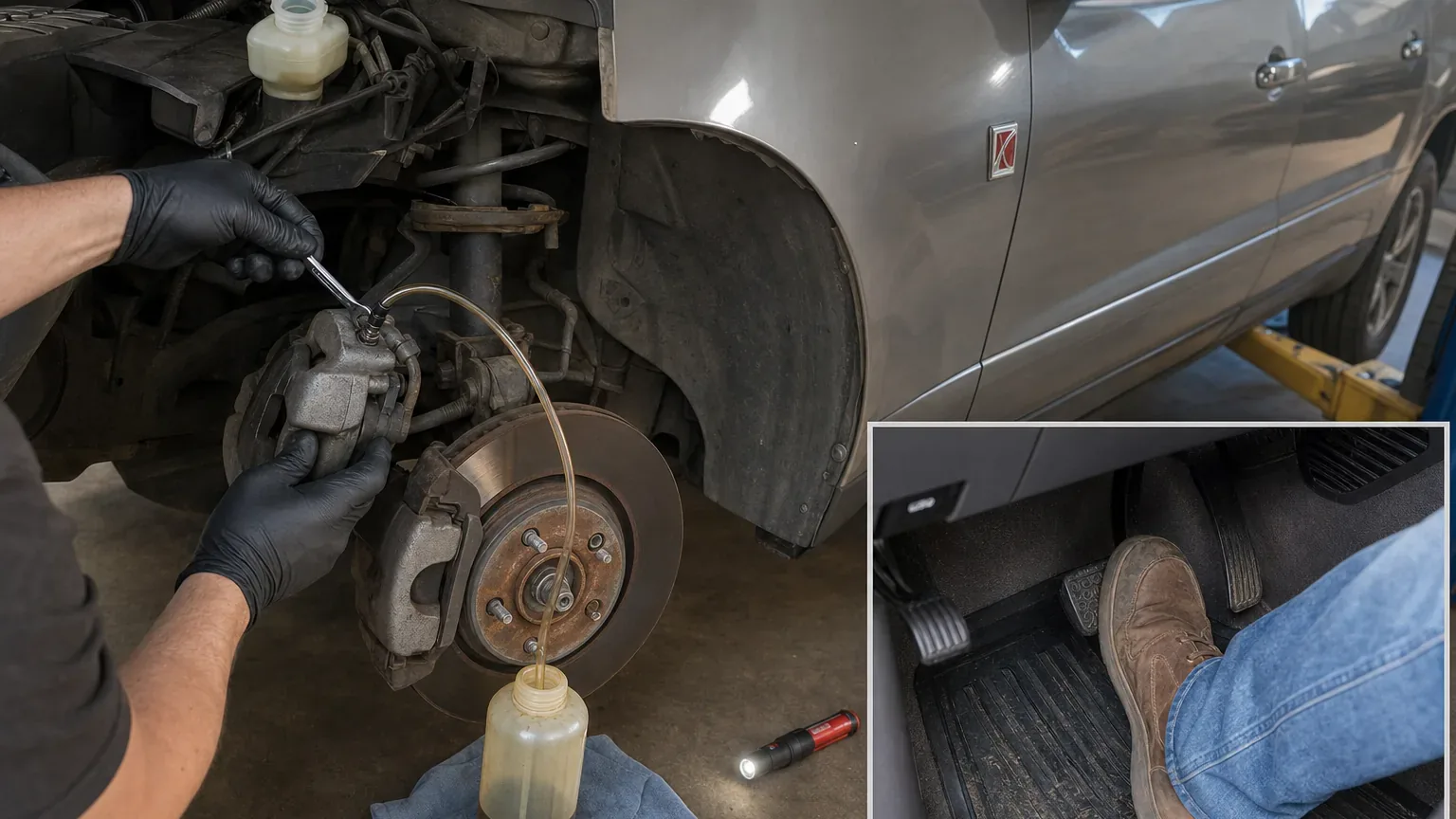
What this part does
- The master cylinder creates hydraulic pressure when the brake pedal is pressed.
- Rigid brake lines and flexible hoses carry pressure to each wheel.
- Calipers use that pressure to move pistons and clamp the pads.
- The ABS hydraulic control unit can modulate brake pressure during anti-lock or stability-control events.
- Brake fluid must remain clean, compatible, and free of air; used fluid should not be poured back into the system.
- Any part that allows air entry, pressure loss, excess movement, or fluid contamination can leave the pedal soft after bleeding.
Common failure signs
| Pedal behavior | What it can indicate | Safer next step |
|---|---|---|
| Soft or spongy pedal | Air remaining in the hydraulic system, poor bleed method, fluid aeration, or air in a section that was not cleared | Verify fluid level, leaks, and OEM bleed procedure before repeating the bleed |
| Pedal slowly sinks under steady pressure | External leak or possible internal master cylinder bypass | Do not drive; inspect for leakage and have hydraulic testing performed |
| Low pedal that pumps up | Air, pad or caliper movement, hardware seating issue, or adjustment-related movement where applicable | Inspect caliper mounting, pad fit, hardware, and wheel-end work before condemning the master cylinder |
| Pedal unchanged after repeated bleeding | Wrong sequence, trapped ABS air, blocked or damaged bleeder, hose expansion, or a deeper hydraulic fault | Stop repeating the same method and move to structured diagnosis |
| Warning light with soft pedal | ABS, brake pressure, stability control, or hydraulic fault may be changing the diagnostic path | Scan the vehicle and follow service information before opening the system again |
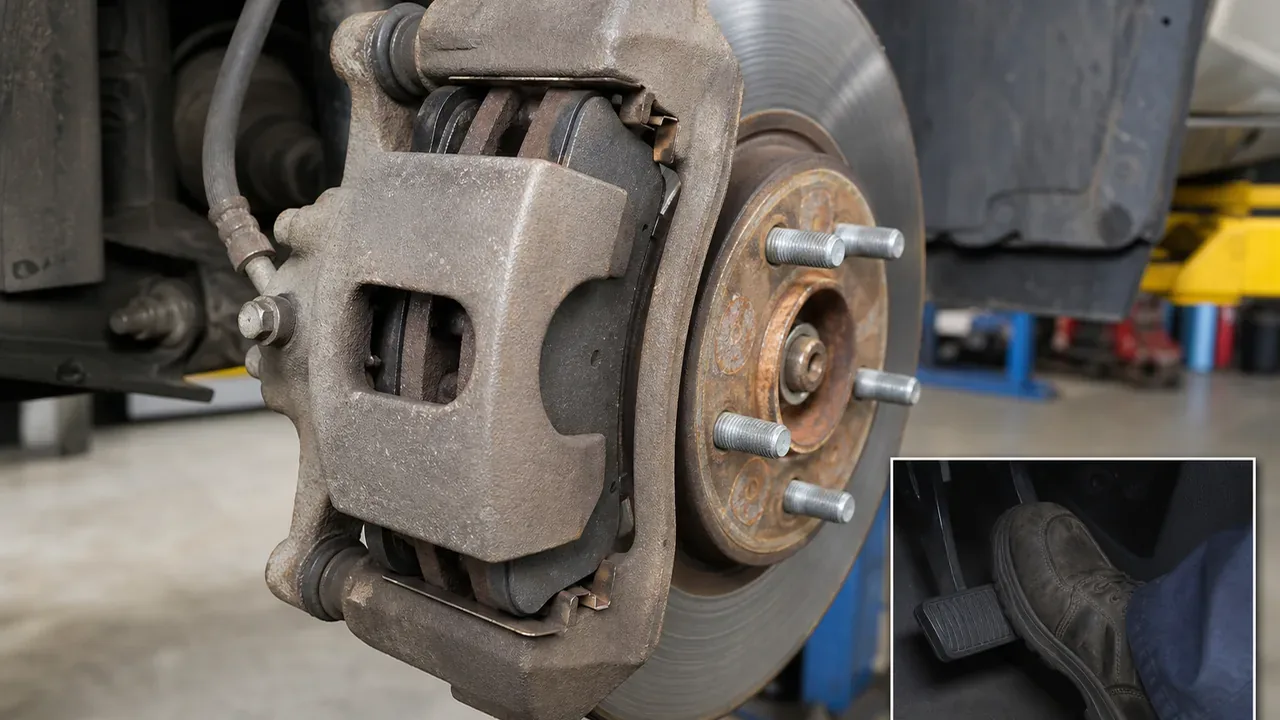
- Stop driving if the pedal sinks, feels spongy, or needs repeated pumping.
- Stop driving if the reservoir level drops or any brake fluid appears outside the closed system.
- Stop driving if a brake-related warning light appears after the repair.
- Stop driving if the pedal feel changes from one press to the next.
- Stop driving if one wheel area is wet, stained, or smells of brake fluid.
- Tow or transport the vehicle rather than testing it on the road when brake performance is uncertain.
Before replacing it
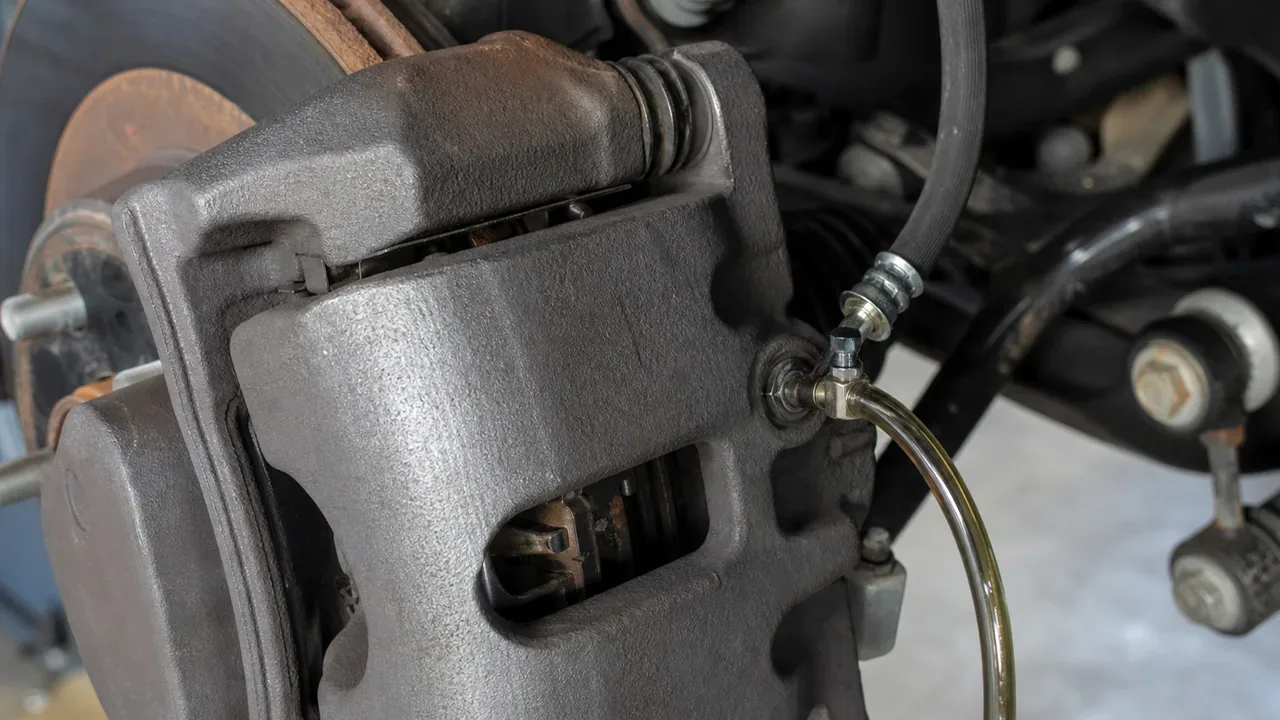
- Verify the exact service event that introduced air: pad change, caliper replacement, line repair, master cylinder work, ABS unit work, or fluid service.
- Inspect the work area first; the fault is often near the component that was disturbed.
- Confirm the bleeders are clear and positioned correctly on installed calipers.
- Check whether the reservoir ran low during bleeding, because that can introduce air farther upstream.
- Use service information rather than a forum-only bleed sequence for model-specific procedure details.
- Escalate to pressure testing or scan-tool procedures if basic bleeding does not restore a firm pedal.
| Decision point | What it suggests | Action |
|---|---|---|
| Pedal changed immediately after one wheel repair | Local caliper, hose, bleeder, pad, or fitting issue is possible | Inspect that wheel-end before replacing central hydraulic parts |
| Pedal sinks while held | Pressure loss or internal bypass is possible | Stop driving and test the hydraulic system |
| Pedal remains soft after verified dry inspection | Air may remain or ABS-assisted bleeding may be needed | Confirm OEM procedure and scan-tool requirements |
- A scan tool can identify ABS, brake pressure, or stability control faults that change the service path.
- Service information can confirm the correct bleed sequence and whether an automated bleed applies after a specific repair.
- Hydraulic testing can separate a master cylinder concern from air or a wheel-end issue.
- Controlled hose inspection can reveal expansion that is not obvious during a static visual check.
- Wheel-end inspection can verify caliper mounting, pad fit, hardware seating, bleeder location, and piston movement.
- Post-repair verification should confirm a consistent pedal before the vehicle returns to normal road use.
| Technician check | What it helps separate | Why it matters |
|---|---|---|
| Scan brake and stability modules | Warning-light fault path versus simple air complaint | Codes can point toward ABS routines or control inputs that affect diagnosis |
| Verify OEM bleed information | Procedure error versus component failure | The wrong sequence can leave air even when fluid flows |
| Test hydraulic pressure behavior | Master cylinder bypass versus wheel-end or line fault | A sinking pedal needs proof of where pressure is lost |
| Inspect hoses under controlled conditions | Hose expansion versus trapped air | A hose may look acceptable at rest but absorb pedal movement under load |
Inspection steps
- Park the vehicle and avoid road testing while the pedal feels unsafe.
- Check the brake fluid reservoir level and look for fresh fluid at the master cylinder, lines, hoses, calipers, bleeders, fittings, and inside each wheel area.
- Confirm what was recently repaired, opened, or replaced before choosing the next bleed method.
- Verify the correct bleed sequence, fluid specification, and any ABS bleed requirement in OEM service information.
- If the pedal remains soft after verified bleeding, move to hydraulic diagnosis instead of assuming the pedal only needs more pumping.
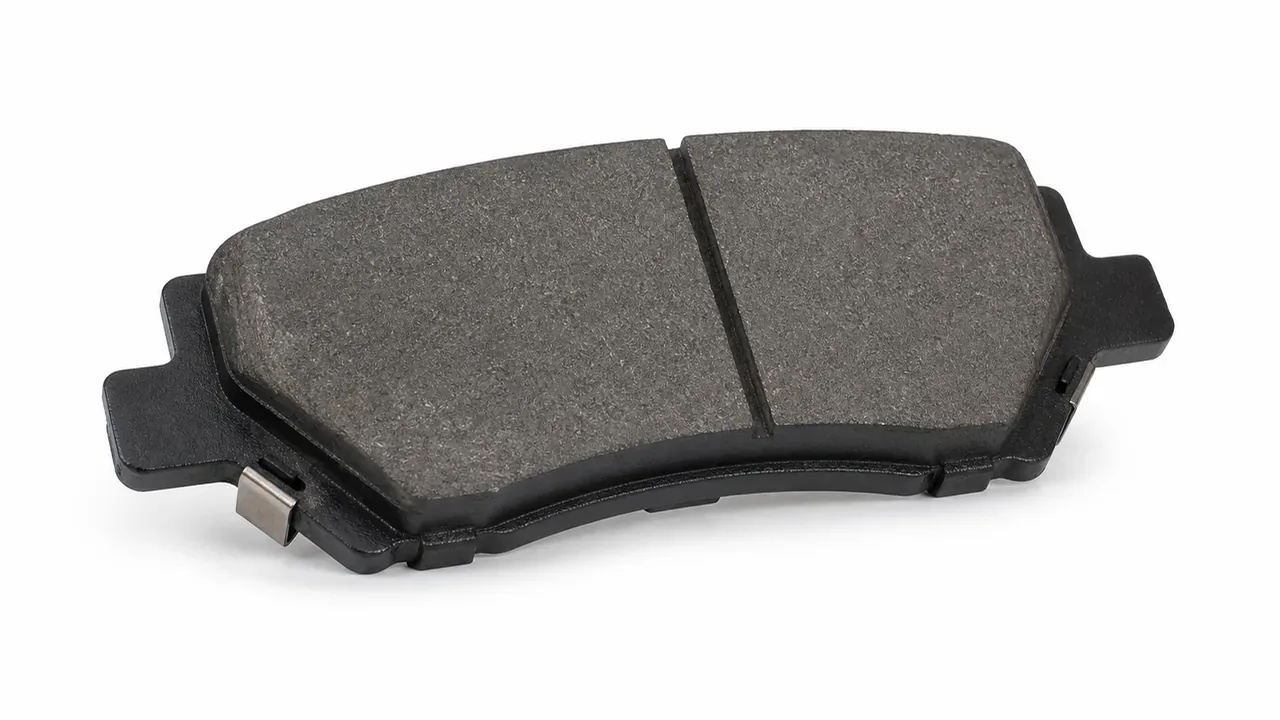
- Set the vehicle on a safe, level surface and do not rely on a jack alone if a wheel must be removed.
- Check the reservoir level before touching any bleeder. A reservoir that ran low during bleeding may have pulled more air into the system.
- Inspect each wheel area for fresh brake fluid, damp dust, stains, or fluid tracks near the bleeder, hose, caliper, or line connection.
- Look at the master cylinder and nearby booster area for signs of leakage or fluid trail evidence.
- Review the repair history: any opened line, replaced caliper, master cylinder work, or ABS hydraulic work changes the next step.
- Check the instrument cluster for brake, ABS, or stability control warnings before attempting another bleed.
- Compare the pedal behavior with the engine off and during normal start-up only as a feel observation, not as proof of safety.
- If everything looks dry but the pedal remains soft, stop owner-level work and verify the service procedure before bleeding again.
| Ranked cause | Why it leaves the pedal soft | Best confirmation path |
|---|---|---|
| External brake fluid leak | Fluid loss lets air enter and prevents the system from holding pressure | Inspect calipers, bleeders, hoses, lines, fittings, and master cylinder area before bleeding again |
| Air still trapped in the system | Air compresses when the pedal is pressed, creating spongy travel instead of firm pressure transfer | Verify the reservoir stayed full, then bleed using OEM information and clean fluid |
| Incorrect bleed sequence or bleed method | The wrong path can leave air in a circuit even when fluid appears at the bleeder | Check service information for sequence, equipment, and precautions |
| Air trapped in the ABS hydraulic control unit | Air inside ABS passages may not clear with a basic manual bleed in some service situations | Check whether scan-tool ABS-assisted bleeding applies to the repair history |
| Caliper, pad, or hardware installation issue | Extra caliper or pad movement can create low pedal travel that feels like air | Inspect the wheel-end work, bleeder orientation, mounting, pad seating, and hardware |
| Flexible brake hose expansion | A weakened hose can swell under pressure and absorb pedal movement | Inspect hose condition and have controlled pressure checks performed if suspicion remains |
| Master cylinder internal bypass | Internal seal leakage can allow pedal travel without stable pressure at the wheels | Consider after leaks, air, procedure errors, and wheel-end movement have been ruled out |
| Method | When it can make sense | Main caution |
|---|---|---|
| Manual two-person bleeding | Useful for basic air removal when the correct sequence is known and the system has not taken in major air | Pedal movement, bleeder timing, and reservoir level must be controlled; do not bottom the pedal if service information warns against it |
| Pressure bleeding | Useful when a steady supply of clean fluid is needed and the equipment is compatible with the reservoir and cap | Equipment misuse can introduce air, overfill, spill fluid, or hide a leak |
| Vacuum bleeding | Useful for pulling fluid through a circuit and checking flow at a bleeder | Air can appear around bleeder threads, making bubbles look worse than the system actually is |
| ABS-assisted bleeding | Useful when service information says the ABS hydraulic control unit must be cycled to clear trapped air | Requires the right scan tool and OEM procedure; do not guess at ABS routines |
- Use only clean, correct-spec brake fluid verified from the owner manual or OEM service data.
- Keep the reservoir from running low during any bleeding method.
- Do not reuse captured brake fluid because it may contain air, moisture, or debris.
- Stop bleeding if a leak appears, fluid level will not stabilize, or the pedal behavior gets worse.
- After any bleed, verify pedal consistency and inspect for leaks before road use.
- ABS-related codes may point to a control-unit procedure, sensor issue, wiring issue, or hydraulic-control concern.
- Brake warning indicators may point to fluid level, hydraulic pressure, parking brake input, or other brake-system conditions depending on vehicle data.
- Stability control warnings can overlap with ABS operation and may affect how the brake system is diagnosed.
- A warning light after bleeding can indicate a condition created during service, such as low fluid, disturbed wiring, or an unresolved hydraulic issue.
- No specific DTC should be named as likely unless the scan result confirms it.
- Clearing codes without fixing the pedal problem does not verify brake safety.
- Classify the pedal: soft, low, sinking, pumps up, or inconsistent. If it sinks or goes very low, do not drive.
- Check the fluid reservoir and look for evidence that air entered during the previous bleed. If the reservoir ran low, treat the system as having possible upstream air.
- Inspect every visible hydraulic connection and wheel-end area for leaks before opening the system again. If any leak is found, repair and recheck before bleeding.
- Review what was repaired or replaced; start inspection at the last disturbed component.
- Confirm caliper installation, bleeder position, pad seating, hose routing, and hardware condition at recent wheel-end work.
- Confirm the exact bleed method from OEM service information, including fluid specification and sequence.
- Check for ABS, brake, or stability warning lights and scan codes if any are present.
- Perform the correct bleed only after the system is leak-free and the procedure is verified.
- If the pedal remains soft, test for master cylinder bypass, hose expansion, ABS hydraulic control issues, or wheel-end movement.
- Verify final pedal feel and leak-free operation before normal road use.
- Verify the part matches the 2008 Saturn Outlook application before installation.
- Reject parts with damaged threads, capped-over corrosion, open ports, missing caps, broken electrical connectors, or signs of fluid contamination.
- Do not install used rubber brake hoses as a shortcut for a suspected hose-expansion problem.
- Avoid used master cylinders or hydraulic control components with unknown fluid history unless a qualified repair path supports the choice.
- Confirm whether the part requires a scan tool, initialization, programming, or special bleed process.
- If the diagnosis is uncertain, spend effort on testing before buying parts.
- Use a professional brake inspection path if the pedal sinks or the vehicle cannot stop normally.
- Use a brake bleeding service path if the procedure, equipment, or ABS bleed requirement is beyond owner tools.
- Use a master cylinder diagnosis path only after leaks, air, and wheel-end causes are checked.
- Use a brake hose inspection path if the pedal remains soft with no visible air and hoses look aged, swollen, cracked, or suspect.
- Use an ABS warning light diagnosis path if brake, ABS, or stability control lights are active.
- Use professional service if the reservoir ran low, the master cylinder was replaced, an ABS hydraulic component was opened, or the same bleed attempt has already failed more than once.
- Use towing or transport instead of driving if the pedal is low, sinking, inconsistent, or paired with any visible leak.
| Situation | Why DIY should stop | Professional next step |
|---|---|---|
| Pedal sinks under steady pressure | Pressure may be escaping externally or bypassing internally | Hydraulic leak and master cylinder diagnosis |
| ABS, brake, or stability light is active | The service path may depend on scan data and ABS routines | Module scan and OEM-guided bleed or repair |
| No visible leak but pedal stays soft | Air may be trapped in a circuit or a component may be absorbing pressure | Procedure verification, pressure testing, and hose or wheel-end inspection |
Replacement notes
- After hose or caliper replacement, inspect routing, mounting, bleeder position, and leaks.
- After master cylinder work, verify the required preparation and bleeding procedure from service information.
- After ABS hydraulic unit work or major air entry, confirm whether scan-tool bleeding is required.
- After any line repair, inspect every fitting and avoid road use until the pedal is consistent.
- After replacing pads, calipers, or hardware, confirm that parts are seated and moving correctly before blaming hydraulic pressure.
- After any brake fluid service, dispose of used fluid properly and keep contaminated fluid out of the system.
| Part involved | Why it may be replaced | Verification after replacement |
|---|---|---|
| Flexible brake hose | Leak, cracking, swelling, damage, or confirmed expansion | Inspect routing, fittings, leaks, and pedal consistency |
| Caliper | Leak, damaged bleeder, seized or abnormal movement, or confirmed installation fault | Confirm bleeder orientation, pad fit, mounting, and leak-free bleeding |
| Master cylinder | Confirmed internal bypass, external leak, or service-supported fault | Follow service preparation and verify pressure behavior |
| ABS hydraulic component | Confirmed fault supported by scan data and service information | Use required scan-tool and bleed procedures |
FAQ
Can I just bleed the brakes again until the pedal firms up?
Only after checking for leaks, low fluid, warning lights, recent repair errors, and the correct OEM bleed procedure. Repeating the same method can waste time if the fault is a leak, ABS air, hose expansion, caliper movement, or master cylinder bypass.
Does a soft pedal mean the master cylinder is bad?
It can indicate master cylinder bypass, especially if the pedal sinks under steady pressure, but it is not proof by itself. Air, leaks, incorrect bleeding, hose expansion, and caliper issues must be checked first.
Does the 2008 Saturn Outlook need an ABS scan-tool bleed?
It may need one in certain repair or air-entry scenarios, but that should be confirmed from OEM service information. Do not assume the requirement without checking the service procedure and repair history.
Is it safe to drive with a spongy pedal if the brakes still work?
No. A spongy, low, sinking, or inconsistent pedal means brake performance is uncertain. The vehicle should stay parked until the brake system is inspected and the pedal is verified.
What should I check before replacing parts?
Check fluid level, visible leaks, recent repair areas, caliper installation, bleeder position, warning lights, and the verified bleed procedure. Replace parts only after inspection points to a specific failure.
Why does the pedal pump up and then get soft again?
A pedal that briefly improves after pumping can point to trapped air, extra pad or caliper movement, or a hydraulic fault that is not holding pressure consistently. That behavior should be diagnosed before the vehicle is driven.

Comments
Be the first to add a practical repair note or follow-up question.