
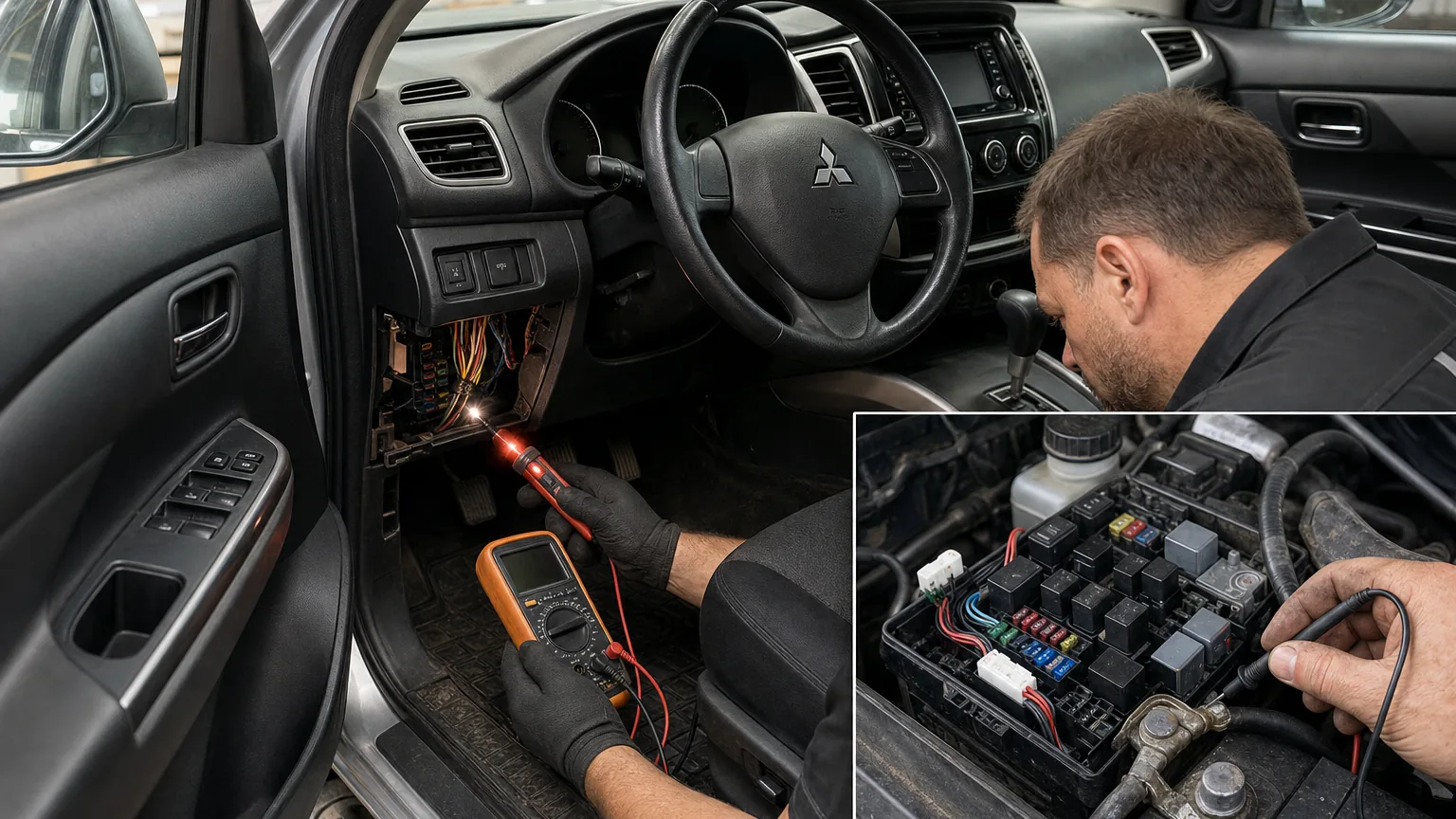
What this part does
A running engine is not proof that the electrical system is healthy. Body circuits and cluster circuits can fail while the starter and engine control circuits still have enough power to operate, which is why a truck may start but lose tail lights, windows, gauges, fan operation, or the normal park release path.
- Do not drive if headlights, tail lights, brake lights, indicators, hazard lights, or wipers are not working.
- Do not drive if the speedometer, temperature gauge, or charging warning information cannot be trusted.
- Stop and inspect immediately if there is a burning smell, smoke, melted fuse, hot wiring, or repeated blown fuse.
- Use the emergency shift release only as described by the owner manual; do not force the selector as a normal workaround.
- Disconnect the battery only if it can be done safely and you understand that some vehicles may need reset, initialization, or scan-tool procedures afterward.
If a main fuse keeps failing or wiring becomes hot, do not keep replacing fuses to get home. That can turn a diagnosable short or overload into melted harness damage.
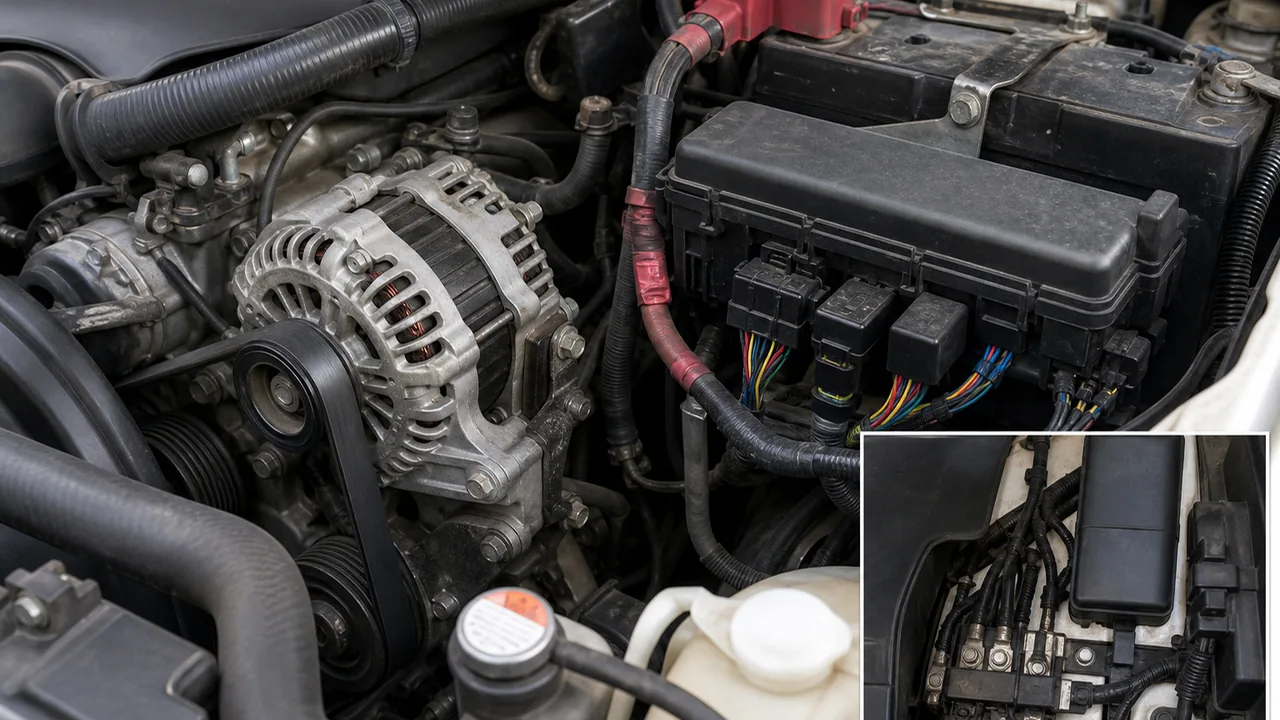
In a modern pickup, a window switch may not simply power a motor directly, and a dashboard gauge may not read a sensor through a single wire. Many functions depend on module wake-up, ignition position logic, relay control, communication messages, and clean ground paths. That is why a failure in one shared feed or ground can look like several unrelated parts failed.
| Battery and charging path | Supplies and stabilizes electrical power for starting, modules, relays, and loads. | A weak supply or charging fault can leave some electronics alive while other modules behave erratically. |
| Main fuses and fusible links | Protect high-current feeds before power reaches smaller circuit fuses. | A partial feed loss can disable several body, lighting, cluster, or accessory circuits at once. |
| Ground network | Completes circuits between loads, modules, body, engine, and battery negative. | High resistance grounds can cause dim lamps, dead windows, odd warning lamps, or intermittent module behavior. |
| ETACS/body control | Coordinates body electrical functions such as lighting logic, locks, windows, warnings, and interlocks depending on trim. | If the module feed, ground, or communication is missing, several controlled systems can drop out together. |
| CAN communication | Allows modules and the cluster to share operating data and status. | A network or module communication issue can make the cluster, shift logic, or body functions appear disconnected. |
Exact fuse names, connector locations, pin numbers, and wire colors must be confirmed from market-specific OEM service information before testing.
Common failure signs
A multi-system failure changes the diagnostic approach because gauges, windows, lighting, fan control, shift interlock, and infotainment do not all depend on the same switch. When several of them fail at the same time, the better assumption is an upstream supply, ground, fuse box, relay control, body control, communication, or harness fault rather than several separate parts failing at once.
- Power supply faults can remove feed from several protected circuits at once.
- Poor grounds can let modules wake up partly while loads such as windows, lights, or fans stop working.
- Fuse box, fusible link, or relay faults can affect multiple body and ignition-switched circuits.
- ETACS or body control feed faults can disrupt lights, windows, locks, warnings, and shift interlock logic.
- CAN communication faults can make the cluster or body modules appear dead even when some power remains.
- Corroded connectors, water intrusion, or harness damage can create intermittent multi-system failures.
Do not name ETACS, the instrument cluster, a relay, or a fuse box as the confirmed cause until power, ground, load, scan communication, and circuit tests support that diagnosis.
Write down what works and what does not before moving fuses or relays. The ignition position, whether the fault is intermittent, whether the truck still starts, and whether the problem began after battery, jump-start, towbar, stereo, alarm, dash camera, or accessory work can all narrow the search.
- Gauges dead, blank, frozen, or missing fuel and temperature display.
- Power windows inoperative from more than one switch.
- Tail lights, interior lights, indicators, brake lights, or hazard lights not behaving normally.
- Cabin fan or accessory circuits out while the engine still starts.
- Automatic transmission stuck in park until the emergency release is used.
- Stop/start button light or accessory power staying live when it should not.
- Relays clicking repeatedly, warning lamps flickering, or the fault changing with bumps, moisture, or ignition cycling.
- Recent battery replacement, jump-start, alternator work, accessory installation, water leak, or fuse box disturbance.
| Cluster, windows, and lights fail together | Shared power, ground, fuse box, ETACS/body control feed, CAN, or harness issue. | It does not prove the cluster itself is bad. |
| Truck starts but body systems are dead | Main starting feed may be present while body or ignition-switched feeds are missing. | It does not prove the battery and charging system are healthy. |
| Fault is worse after rain or washing | Water intrusion, connector corrosion, or fuse box contamination becomes more likely. | It does not prove a specific connector location without inspection. |
| Fuse fails again after replacement | Short circuit, overloaded accessory, wrong part, or harness damage needs testing. | It does not justify a larger fuse or bypass. |
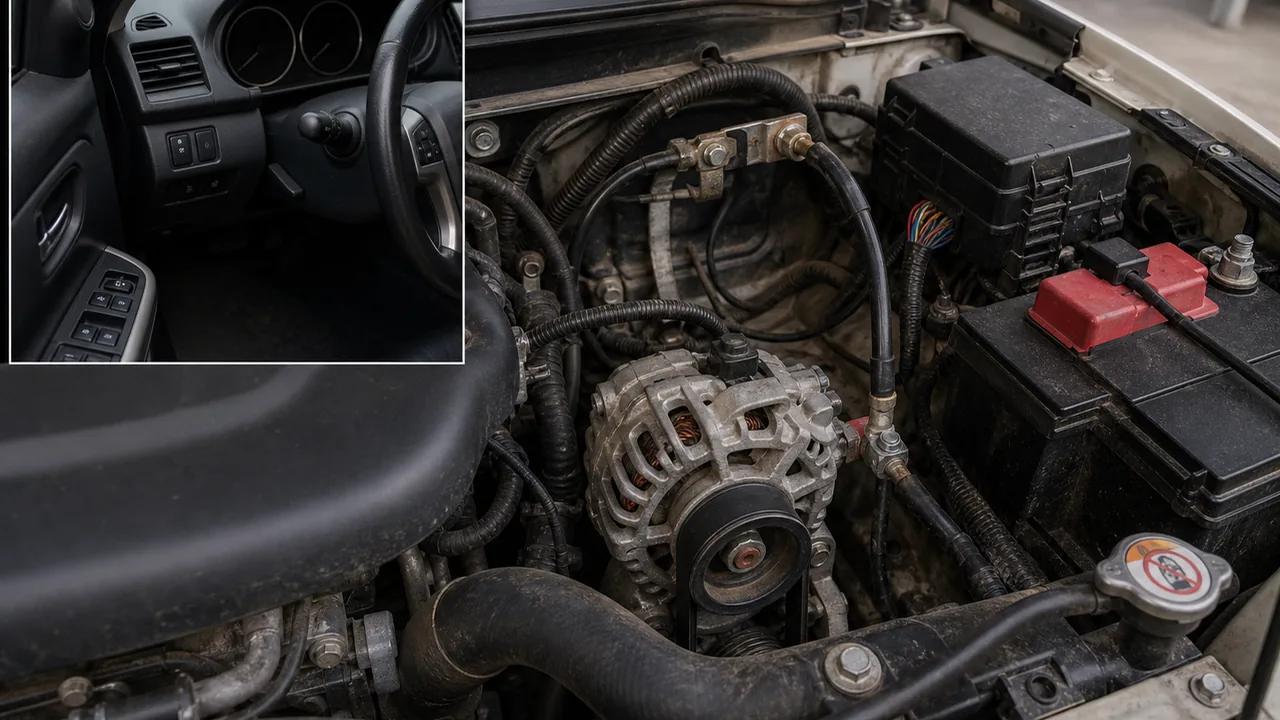
Before replacing a cluster, confirm its feeds, grounds, communication, and wake-up conditions. Some clusters also require coding or configuration, so a used or replacement unit can create more problems if the original fault is still present.
A technician should still verify window switch feed, ground, door harness condition, and motor command if the window complaint remains after shared supply faults are ruled out. The key is order: do not spend the first hour inside the door when the dash, lighting, fan, and park interlock are also affected.
- One failed window with other systems normal points more toward a local switch, motor, regulator, or door harness problem.
- Several windows failing with lighting and cluster faults points more toward shared body electrical supply or control.
- A fault that changes when the door is opened can still involve a door harness, but it should be tested in the wider circuit context.
- A master switch replacement should follow power, ground, and command testing, not guesswork.
Before replacing it
A visual battery terminal check and visible fuse inspection are reasonable owner-safe steps. Circuit testing, relay control checks, module probing, and harness tracing are better left to a technician with wiring data and proper tools, especially when multiple systems and safety lighting are involved.
- Do not test by installing larger fuses.
- Do not bridge fuse terminals with wire or foil.
- Do not unplug modules with the ignition on unless service information calls for it.
- Do not assume a used cluster, ETACS, BCM, or fuse box will work without coding or configuration checks.
A single module communication code can be caused by a missing feed, weak ground, blown fuse, shorted network branch, or module that is offline because of another circuit fault. Clear codes only after recording them, because history and freeze-frame style information can help show whether low supply, ignition state, or communication loss happened first.
| Low-voltage or supply codes | They can explain several electronic complaints but do not prove the battery alone is bad. | Test battery condition, charging output, cable condition, main feeds, and grounds under load. |
| Body control or ETACS-related codes | They may indicate the module is missing a feed, ground, input, output, or communication. | Verify module power, ground, wake-up inputs, relay control, and connector condition before replacement. |
| Instrument cluster communication codes | They may be caused by network interruption or upstream power loss. | Check whether other modules can communicate and whether the cluster has correct feeds and grounds. |
| CAN or network communication codes | They show a communication problem but do not identify the physical cause alone. | Follow OEM network testing and isolate wiring, connector, and module branches as service data requires. |
| Relay or output control codes | They may point to a command, feedback, fuse, load, or wiring problem. | Test the relay circuit, protected load, and control side rather than swapping parts randomly. |
If scan tools cannot talk to body or cluster modules, treat that as diagnostic evidence. Do not assume there are no codes just because a basic engine-only reader reports none.
Inspection steps
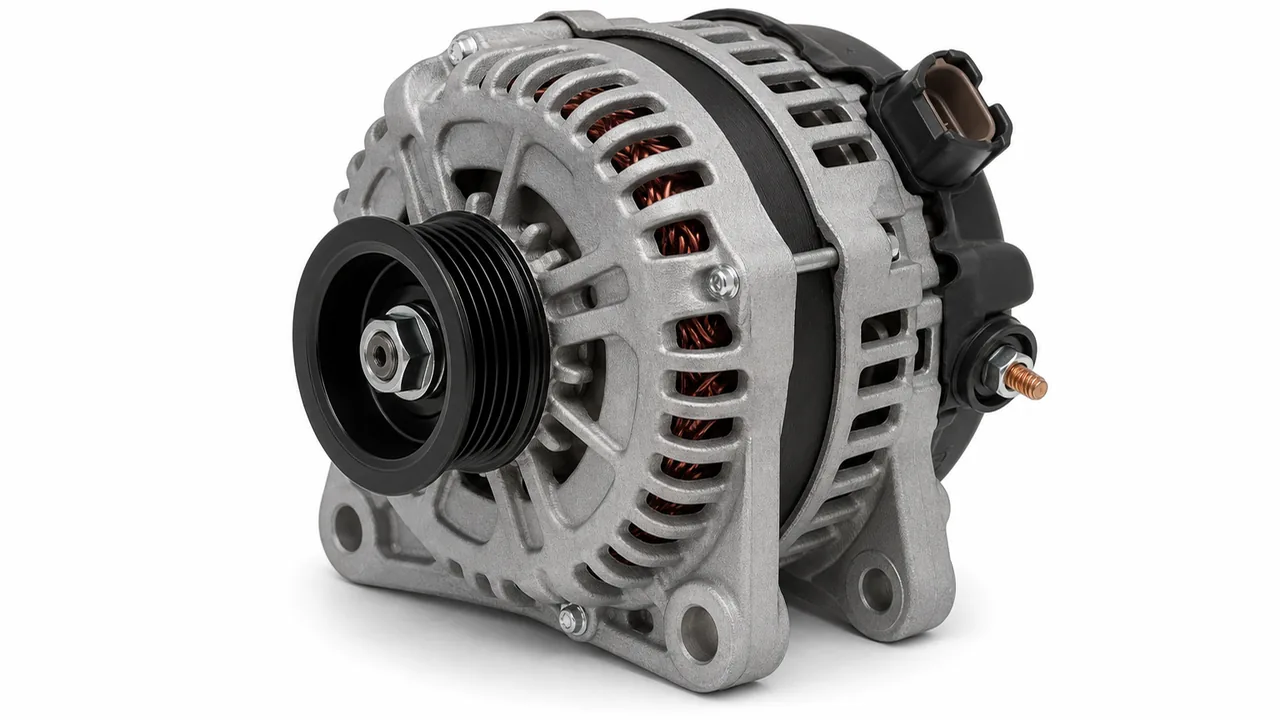
- Battery condition, battery terminals, and charging path faults: the truck may still start while voltage stability for modules is poor.
- Main fuse or fusible link issue: a high-level feed can be missing even if smaller unrelated circuits remain alive.
- Poor body, engine, or battery ground: resistance under load can disable windows, lights, cluster behavior, or module communication.
- Fuse box or relay fault: internal heat damage, corrosion, poor terminal tension, or relay control problems can remove power from grouped circuits.
- ETACS or body control feed, ground, or wake-up issue: body-controlled functions can drop out without the module itself being the first failed part.
- CAN communication problem: the instrument cluster, transmission interlock, and body modules may not share the information needed to operate normally.
- Water intrusion or connector corrosion: moisture around footwell areas, fuse boxes, connectors, or harness joints can create intermittent failures.
- Harness damage or previous repair fault: chafing, trapped wires, poor crimping, and prior collision or accessory repairs can affect several circuits.
- Aftermarket accessory fault: alarms, stereos, tow wiring, light bars, dash cameras, trackers, and trailer modules can overload or backfeed body circuits if installed badly.
The ranking is diagnostic logic, not a probability chart. Confirm power and ground under load before condemning a module or cluster.
- Start at the battery and charging path because unstable supply can create false module faults.
- Move to main fuses and fusible links before checking smaller circuits.
- Test grounds under load because a ground can look acceptable with no current flowing.
- Check fuse output on both sides, not just whether the fuse element appears intact.
- Verify relay control and output instead of swapping identical relays without a plan.
- Scan all reachable modules and record communication failures before clearing anything.
- Use OEM wiring diagrams to find the shared feed, ground, splice, connector, or module path common to the failed systems.
- Repair the confirmed fault, then repeat the scan and functional check.
Exact circuit identifiers, fuse positions, connector pins, wire colors, and module programming steps require expert validation against OEM repair information for the relevant L200 market and trim.
Likely inspection zones include accessible fuse box areas, footwell wiring, body connectors, engine-bay harness sections, battery cable ends, ground points, trailer wiring, and areas touched during prior repairs. Exact L200 locations vary by market and trim, so service data should guide disassembly.
- Water marks, damp carpet, green or white corrosion, swollen terminals, or dried residue near connectors.
- Melted fuse bodies, darkened terminals, loose fuse grip, or heat discoloration in fuse box areas.
- Aftermarket splices, unfused accessory feeds, taped repairs, trailer wiring, alarms, trackers, or added lighting circuits.
- Harness rubbing near metal brackets, sharp edges, moving pedals, doors, steering column areas, or engine movement paths.
- Faults that appear after rain, washing, jump-starting, battery work, or vibration.
Connector probing should be done with the right back-probing tools and service information. Spreading terminals or piercing insulation carelessly can create future intermittent faults.
- Do not bypass a fuse, fusible link, relay, or protected circuit to restore power.
- Do not install a larger fuse because the correct fuse keeps failing.
- Do not keep cycling the ignition or repeatedly replacing fuses if wiring gets hot or a burning smell appears.
- Do not replace ETACS, BCM, the instrument cluster, or fuse box without confirming feeds, grounds, communication, coding, and configuration needs.
- Do not probe connectors with oversized test pins or force terminals apart.
- Do not assume the truck is safe to drive just because the engine starts.
- Do not ignore accessory wiring or tow wiring added before the failure.
A good diagnosis protects the harness first. If a fuse opens, a relay drops out, or a module stops communicating, the cause may be the circuit load, the supply path, the ground path, the command side, or the module itself. Guessing parts skips the evidence that separates those possibilities.
- Match the part number, vehicle year, market, trim, transmission, and equipment level against the existing unit and service information.
- Check for water marks, corrosion, heat damage, melted terminals, cracked housings, bent pins, or signs of forced removal.
- Ask whether the donor vehicle had flood damage, electrical fire damage, collision damage, or unknown mileage history.
- Confirm return policy and coding requirements before buying a module, cluster, or fuse box.
- Do not buy a module to test a guess; diagnose the feed, ground, communication, and circuit load first.
- For simple relays or fuses, use correct-rated quality replacement parts rather than relying on unknown used pieces.
A used part can be reasonable when the failure is proven, the part is correctly matched, and the installer can complete any required setup. It is a poor shortcut when the truck still has a shorted circuit, water leak, poor ground, or missing main feed.
If the truck has unsafe lighting, no gauges, repeated fuse failure, smoke, hot wiring, or a burning smell, use a recovery-safe path rather than driving it to diagnosis. If the fault is intermittent, record exactly when it happens and avoid clearing codes or disturbing wiring before testing.
- Use APW's electrical diagnostic inspection path when gauges, windows, and lights fail together.
- Use the battery and charging guide if symptoms began after battery replacement, jump-starting, or charging warnings.
- Use the fuse and short-circuit guide if the same fuse keeps failing.
- Use the ground fault guide if symptoms change with load, moisture, or movement.
Replacement notes
If testing confirms a weak supply, repair the battery, cable, terminal, ground, alternator path, or main feed issue first and then retest the body systems. If testing confirms fuse box heat damage, relay failure, or connector corrosion, correct the underlying load or water problem before installing replacement parts.
- Confirm the failed circuit with service data, load testing, scan communication, and visual inspection.
- Repair the root cause, not only the visible symptom such as a blown fuse.
- Use correct parts matched to year, market, trim, and existing part identification.
- Complete any coding, initialization, relearn, or configuration steps required by service information.
- Verify the repair by checking all failed systems, charging behavior, stored codes, and live module communication.
Some battery disconnections or module replacements may require window initialization, radio/security considerations, steering angle or body system relearns, or scan-tool procedures depending on equipment and market.
FAQ
Can a weak battery still let the L200 start but cause gauges, windows, and lights to fail?
Yes, it can. A weak or unstable supply can sometimes leave enough power for starting while modules, relays, and body circuits behave incorrectly. The battery, charging path, terminals, main feeds, and grounds still need loaded testing before parts are replaced.
Is the ETACS or body control module definitely bad?
No. ETACS or body control faults are possible, but a missing feed, poor ground, blown fuse, bad relay, corroded connector, network fault, or accessory wiring problem can make the module look bad. Confirm power, ground, communication, and outputs first.
Can I drive if only the gauges and tail lights are out?
No. Missing tail lights or unreliable gauges can make the truck unsafe and illegal to use on the road. Stop driving if brake lights, indicators, headlights, tail lights, wipers, speedometer, temperature gauge, or charging warning information cannot be trusted.
Why would the automatic transmission stay locked in park?
The park lock can depend on body power, brake switch information, shift interlock logic, and module communication. If body electrical feeds or communication are disrupted, the selector may not release normally even though the engine starts.
Should I replace the instrument cluster first?
Usually no. A cluster replacement is more logical only after windows, lights, fan, interlock behavior, power feeds, grounds, and module communication have been checked. When windows and lights fail too, an upstream shared electrical fault is more likely.
What information helps an auto electrician diagnose it faster?
Bring the vehicle details, exact failed systems, whether the truck starts, whether it shifts from park, any DTCs, recent battery or accessory work, photos of corrosion or fuse damage, and notes about rain, bumps, or intermittent behavior.


Comments
Be the first to add a practical repair note or follow-up question.