
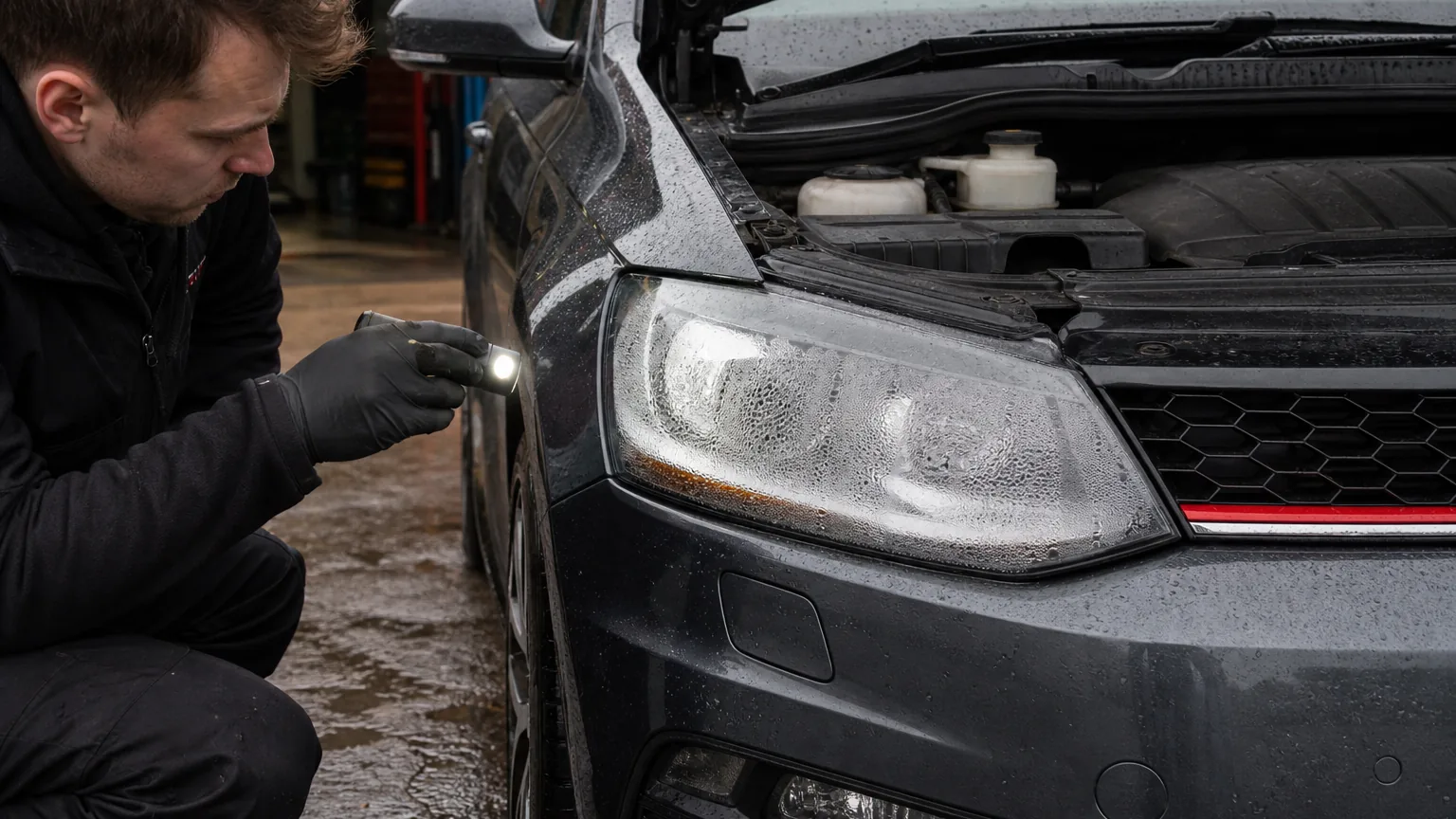
What this part does
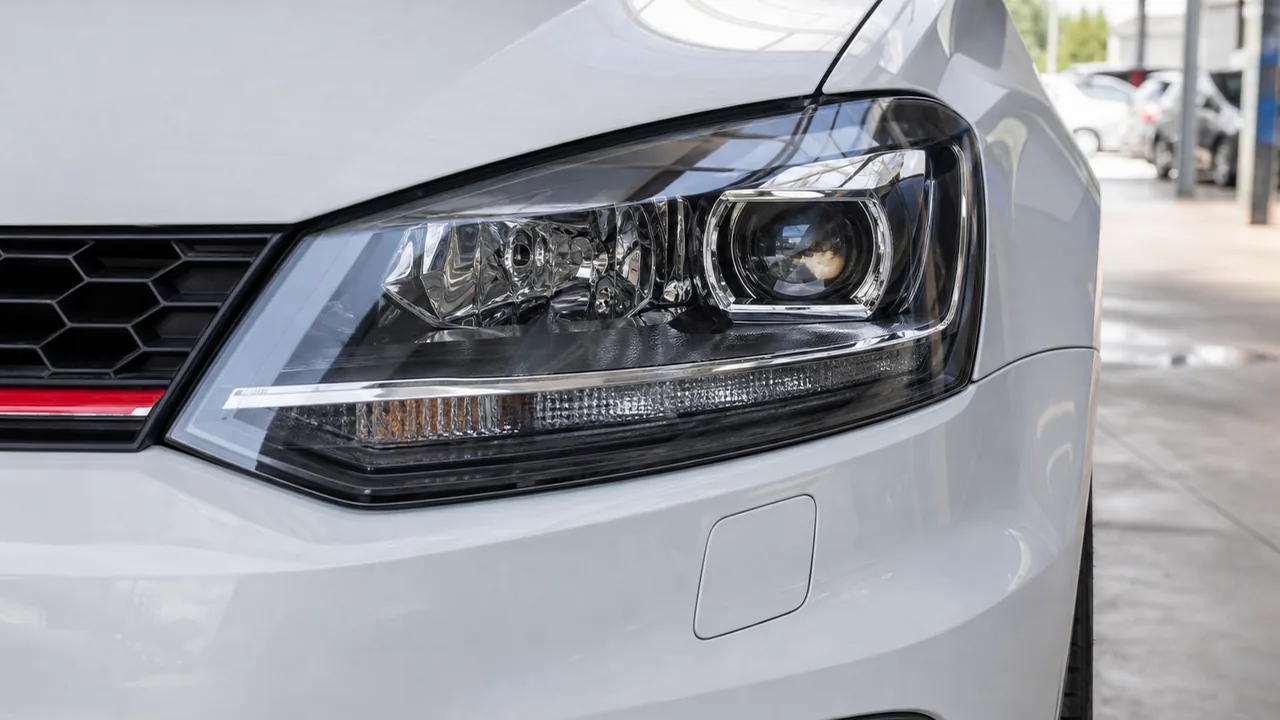
The headlight assembly protects the bulb, reflector, projector, wiring, and any control electronics while allowing pressure and moisture to move through designed vent paths. It is not simply a sealed plastic box; most modern lamps need controlled breathing so temperature and humidity changes do not distort the housing or trap vapor.
That is why the correct fix depends on where moisture is coming from. A rear cover that is not seated, a tired gasket, a blocked vent, a cracked lens, a damaged housing, or a failed seal can all create the same visible symptom, but each repair path is different.
Common failure signs
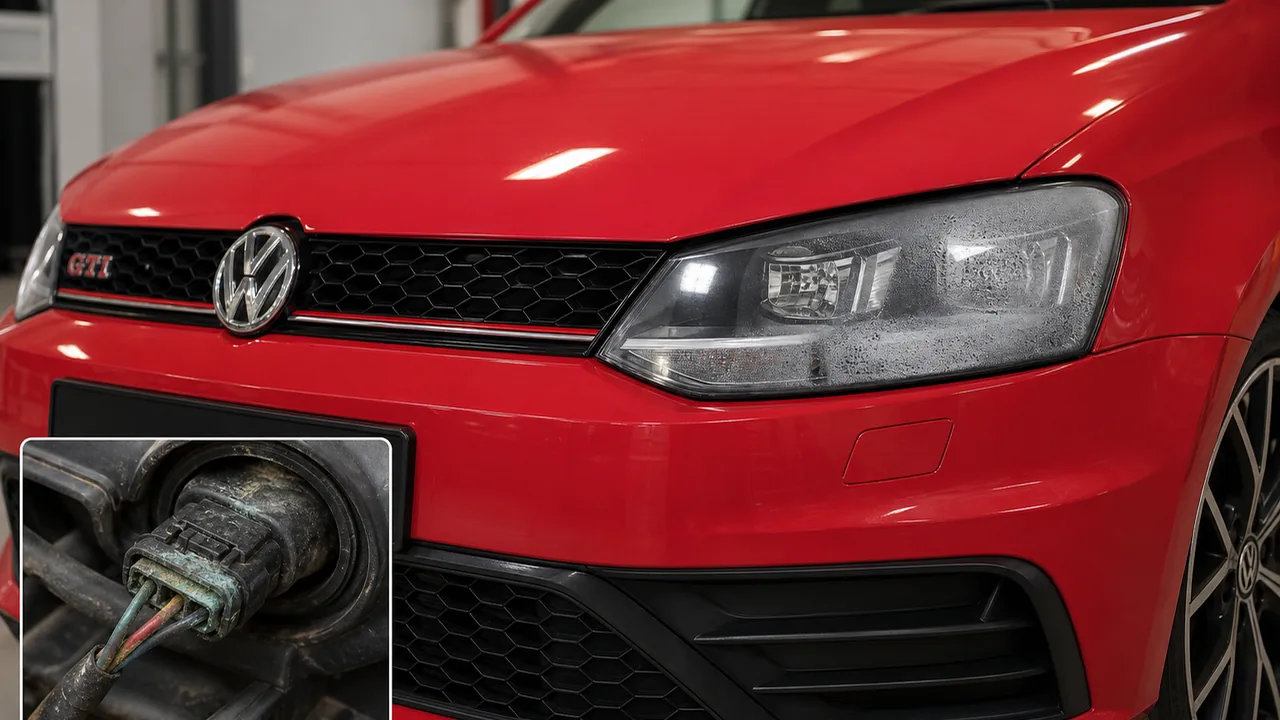
The strongest warning signs are repeatability, asymmetry, and electrical change. A single brief misting event is less concerning than condensation that returns after every wash, sits as droplets on the inside of the lens, affects only one side, or appears with reduced light performance.
- Condensation appears after rain or washing and does not clear normally.
- Only one Polo GTI 6C headlight fogs while the other remains dry.
- Droplets, streaking, tide marks, or pooling water are visible inside the lamp.
- The beam looks scattered, dim, uneven, or partly blocked by moisture.
- Bulb, LED, adaptive lighting, or general lighting warnings appear.
- The rear bulb cover, service cap, or gasket feels loose, distorted, missing, or poorly seated.
- There are signs of previous repair, sealant, impact damage, cracked plastic, or broken mounting points.
Before replacing it
Before replacing the headlight, confirm that the lamp is actually leaking or failing rather than temporarily misting. The right pre-replacement check is visual, cautious, and non-invasive: look for cover fit, gasket condition, vent obstruction, cracks, water marks, and electrical symptoms without opening the sealed lamp body.
- Compare the affected headlight with the opposite side under the same conditions.
- Check whether condensation clears or returns repeatedly.
- Inspect rear covers and service caps for poor seating or damaged rubber.
- Look for blocked vents without sealing or modifying them.
- Check the lens edge and housing for cracks, chips, impact marks, or separated seams.
- Look for signs of water tracking, stains, corrosion, or damp connectors.
- Confirm the exact headlamp type and part number before ordering anything.
Do not assume every Polo GTI 6C headlight has the same internal module layout or lamp technology. Verify the existing part marking, equipment level, and market-specific repair information before buying or dismantling parts.
Moisture becomes more serious when it reaches bulbs, LED modules, control units, connectors, or wiring. A lighting warning or fault code is possible, but not every condensation case will set a DTC, so visual inspection and functional testing still matter.
- Reduced beam output can make night driving unsafe even without a dashboard warning.
- Flicker, intermittent operation, or a bulb warning suggests electrical inspection is needed.
- Connector corrosion or dampness should be handled before parts are reused.
- Module work should follow OEM repair information and appropriate safety procedures.
- After repair, verify light operation and beam pattern rather than only clearing warnings.
If the vehicle has lighting electronics beyond a simple bulb holder, avoid DIY module removal or coding assumptions. Confirm the fitted headlamp type and use repair information for that exact vehicle.
Inspection steps
Light internal misting can be normal when humidity and temperature change quickly, especially after rain, washing, or cold starts. The key distinction is whether the lamp clears, whether both sides behave similarly, and whether the mist returns as droplets or wet patches.
| Fine haze that clears | Usually temporary moisture balance | Monitor and check that vents and covers are clean |
| One headlight keeps fogging | Often points to a local cover, seal, vent, or damage issue | Inspect the affected lamp closely |
| Droplets or water pooling | Usually indicates water ingress | Stop relying on drying alone and arrange diagnosis |
| Warning light, flicker, or dim beam | Can indicate moisture near electrical parts | Avoid night driving if output is poor and inspect promptly |
The most practical diagnostic order starts with removable covers and ventilation, then moves toward structural damage and electronics. That order matters because replacing a complete headlamp before checking a loose rear cover or blocked vent can waste money and still leave the root problem unresolved.
- Rear cover or gasket not seated correctly, damaged, missing, or hardened.
- Factory vent path restricted by dirt, debris, previous sealant, or incorrect repair.
- Moisture trapped after bulb replacement, washing, or a prior drying attempt.
- Cracked lens, damaged housing, broken mounting tab, or impact damage.
- Failed lens-to-housing seal or poor previous reseal work.
- Moisture reaching electrical connectors, lighting modules, bulb holders, or wiring.
- Wrong part fitment or used headlamp with hidden water-ingress history.
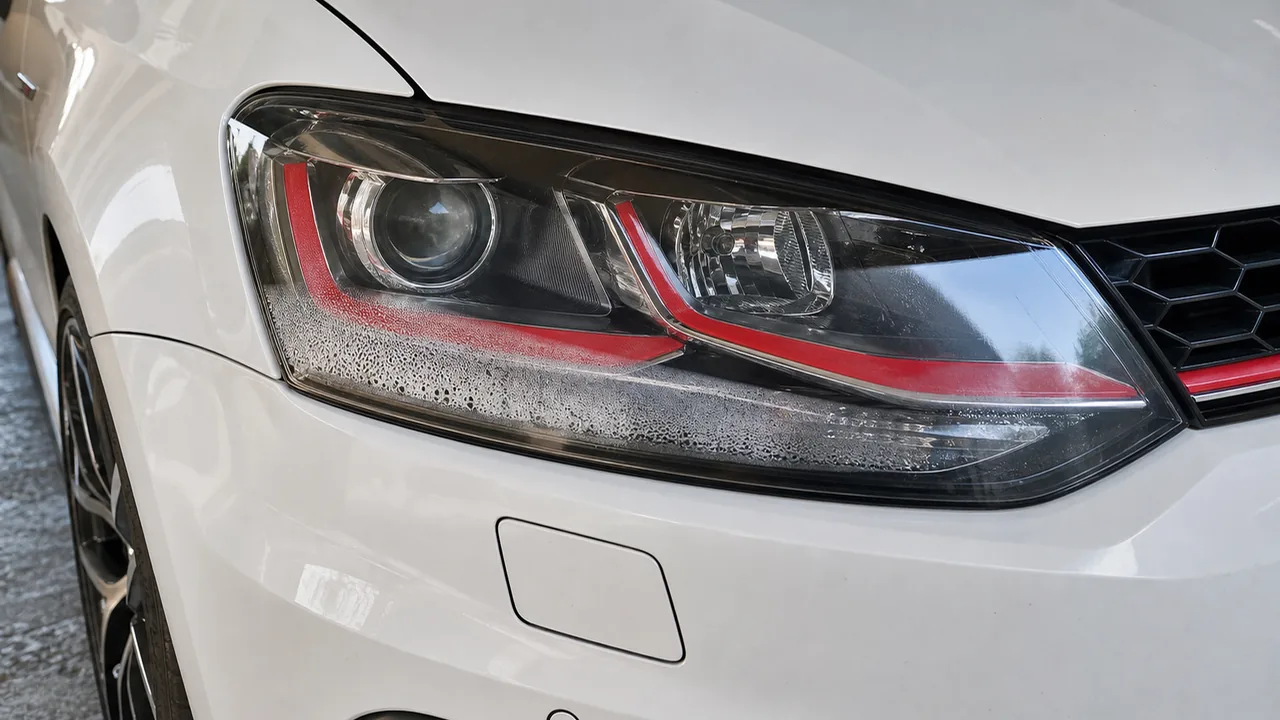
Owner checks should confirm the obvious failure paths without removing sealed components or disturbing electrical modules. If the lamp has visible water, warning lights, flicker, or poor beam output, the safer next step is a technician inspection rather than repeated home drying.
- Photograph the condensation pattern before it clears so the issue can be compared later.
- Check whether both lamps show similar light haze or only one side is affected.
- Open only normal service access points described for the vehicle and inspect cover seating.
- Look at the cover gasket for splits, flattening, dirt, twisting, or poor contact.
- Inspect visible vent areas for dirt or obstruction, but do not plug, drill, or reseal factory venting.
- Check the outer lens, lens edge, housing, and mounting areas for cracks or previous sealant.
- Turn on the lights only if safe and look for reduced output, flicker, warning messages, or uneven beam appearance.
A workshop should confirm the leak path before recommending a full headlamp. For recurring condensation, useful checks include controlled leak testing, careful removal where OEM procedure supports it, seal and housing inspection, connector inspection, module checks, and beam verification after repair.
- Confirm the symptom pattern, affected side, weather trigger, and whether previous repairs were attempted.
- Inspect rear covers, gaskets, vent paths, housing damage, and the lens-to-housing seam.
- Check for moisture marks, corrosion, or contamination near connectors, bulb holders, modules, and wiring.
- Use manufacturer repair information before removing the lamp, opening service covers, or handling lighting electronics.
- Test for water entry using an appropriate non-destructive method rather than guessing from condensation alone.
- Repair only the confirmed entry point where serviceable, then dry the lamp safely.
- Verify light operation, warning status, alignment or beam pattern where required, and that condensation does not return.
The wrong repair can make a headlight harder to diagnose and more expensive to fix. Headlamps need controlled venting, correct sealing surfaces, clean covers, and protected electronics, so quick shortcuts often trap moisture or hide damage.
- Do not drill holes in the lamp body as a routine moisture fix.
- Do not seal factory vents or cover them with tape or sealant.
- Do not use aggressive heat on the lens, housing, wiring, or electronics.
- Do not apply sealant over dirt, unknown leak paths, or removable service covers.
- Do not keep driving at night if condensation reduces beam output.
- Do not ignore a lighting warning, flicker, corrosion, or water near connectors.
Cost depends on the failed part family, not just the visible fogging. A cover or gasket issue is a different job from a cracked housing, failed seal, damaged module, or full headlamp replacement, so diagnosis should come before ordering parts.
- Lowest effort path: dry and monitor after light temporary haze.
- Common targeted repair: replace a rear cover, cap, or gasket if inspection confirms poor sealing.
- Vent-related repair: clean or replace vent components only where the design supports it.
- Seal repair: reseal only where the lamp is serviceable and the leak path is confirmed.
- Higher-risk repair: inspect or replace electrical modules, connectors, or wiring if moisture reached them.
- Full replacement: choose this when the lamp is cracked, internally damaged, non-serviceable, or unreliable after proper checks.
A used Polo GTI 6C headlight can be sensible only if it matches the vehicle and shows no sign of moisture history. A dry-looking lamp is not enough; check the part label, mounting points, rear covers, lens edge, vent areas, connector condition, and previous sealant marks.
- Match the part number, side, lamp technology, and market specification.
- Check that rear covers, caps, seals, and vent pieces are present and undamaged.
- Inspect mounting tabs, lens edges, housing seams, and repair marks.
- Look for haze, water marks, corrosion, staining, or residue inside the lamp.
- Avoid lamps with heavy sealant, drilled housings, missing covers, or damaged connectors.
- Confirm any module, coding, or alignment requirements before purchase.
Book a headlight moisture inspection when condensation keeps returning, droplets form, water pools, one side is repeatedly affected, visibility drops, or any lighting warning appears. That is the point where a technician can confirm whether the repair is a cover, gasket, vent, seal, wiring issue, module issue, or complete lamp replacement.
- Use inspection first if the lamp has been dried before and fogging came back.
- Request a quote only after the failed part family is identified.
- Ask for connector inspection when there are warnings, flicker, or dim output.
- Ask for beam verification after any lamp removal, replacement, or structural repair.
- Use the internal parts path if diagnosis confirms a cover, gasket, vent, module, or headlamp assembly.
Related guides should support the diagnostic path instead of competing with this article. Link outward to water-ingress diagnosis, warning-light diagnosis, replacement fitment, roadworthiness checks, and broader Polo maintenance only where the reader needs the next practical step.
- Headlight water ingress diagnosis for checking moisture paths inside a lamp.
- Polo GTI 6C headlight replacement for fitment and part selection after diagnosis.
- Headlight bulb cover gasket for rear cover and seal maintenance.
- Car headlight warning light diagnosis for DTC and dashboard warning follow-up.
- LED headlight module moisture damage for electronics risk after water entry.
- Volkswagen Polo maintenance checklist for broader inspection planning.
Replacement notes
Drying is useful only after the cause is understood or when the symptom is light temporary haze. If water keeps returning, drying the lamp treats the visible moisture but not the leak, vent restriction, cracked housing, or loose cover that allowed the moisture to collect.
- Allow normal venting and gentle airflow where the service information permits.
- Remove only approved service covers when the vehicle information supports access.
- Keep heat sources gentle and indirect; do not overheat the lens, housing, wiring, or modules.
- Replace a damaged cover or gasket before judging whether drying solved the issue.
- Recheck the lamp after rain, washing, and normal driving conditions.
Avoid aggressive heat, sealed bags, improvised drying chemicals, or forcing air into the lamp without understanding the vent path. Plastic lenses, reflectors, adhesives, and modules can be damaged by shortcuts.
Replacement makes sense when the headlamp body is cracked, the lens seal is not serviceable, water has damaged internal electrical parts, or a prior repair has left the assembly unreliable. Smaller repairs make sense first when the issue is a rear cover, gasket, or vent problem that can be confirmed.
| Dry and monitor | Light haze that clears and does not return as droplets | Do not use this as proof the root cause is fixed |
| Replace cover or gasket | Loose, damaged, missing, or poorly sealing rear access cover | Confirm correct part fitment before ordering |
| Restore venting | Blocked or contaminated vent path | Do not block or seal factory vents |
| Reseal if serviceable | Confirmed seal issue where repair information supports resealing | Poor sealant work can trap moisture or damage the lamp |
| Replace headlamp assembly | Cracked housing, damaged lens, non-serviceable seal, or electrical moisture damage | Verify part number, lamp type, and any coding or alignment requirements |
FAQ
Can Polo GTI 6C headlight condensation be normal?
Yes, light temporary haze can be normal after weather or temperature changes if it clears and does not return as droplets. Repeated fogging, one-sided condensation, pooling water, or warnings should be inspected.
Will drying the headlight fix the problem?
Drying can remove visible moisture, but it does not fix a loose cover, damaged gasket, blocked vent, cracked housing, failed seal, or electrical moisture damage. If condensation returns, diagnose the entry path.
Should I drill a hole in the headlight to stop condensation?
No. Drilling is not a normal repair because it can damage the housing, disrupt designed venting, admit more water, and make the lamp harder to repair correctly.
When does the headlight need replacement?
Replacement is more likely when the housing or lens is cracked, the seal is not serviceable, water has reached electronics, or a previous repair has left the assembly unreliable. Confirm the cause before buying parts.
Comments
Be the first to add a practical repair note or follow-up question.