
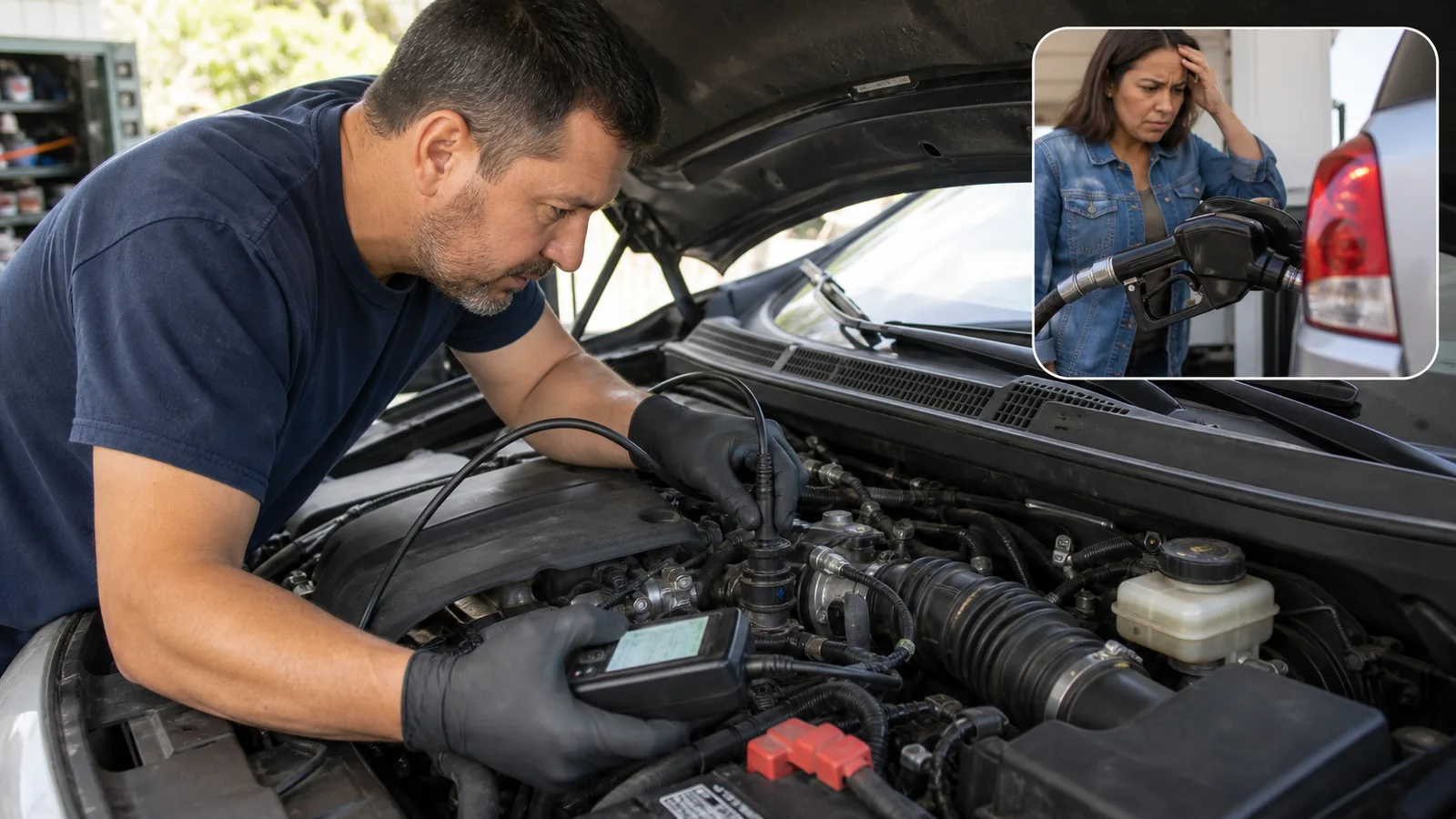
What this part does
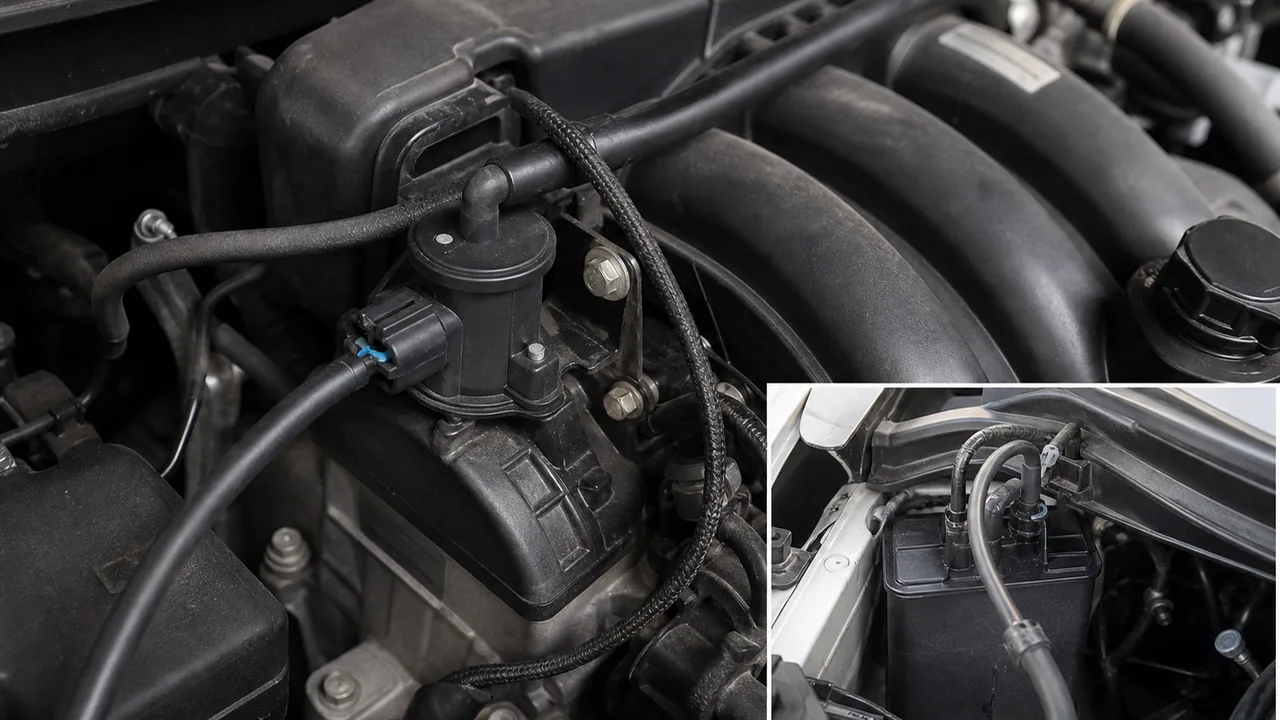
The EVAP purge valve is a controlled pathway between the charcoal canister and the engine intake. When the engine management system decides conditions are appropriate, the valve opens so stored fuel vapor can be drawn into the engine and burned instead of venting to the atmosphere.
When the valve sticks open, vapor can enter the intake at the wrong time. After refueling, the canister and vapor lines may carry more fuel vapor, so an open purge path can upset starting and idle quality. This is why the failure pattern often feels tied to gas-station restarts.
A purge valve problem is not the same as a fuel pump shutoff problem during filling. Repeated pump-nozzle shutoff usually points more strongly toward tank venting, vent valve, canister restriction, or vapor-line issues.
Common failure signs
The strongest symptom pattern is a vehicle that runs normally most of the time but becomes difficult to restart after filling the tank. A stuck-open purge valve can also cause a rough idle, stumble, or stall because extra vapor changes the mixture entering the engine.
Does hard starting after refueling always mean the purge valve is bad?
No. It makes the purge valve a high-priority suspect, especially with purge-flow codes, but the valve must still be tested for sealing and command response.
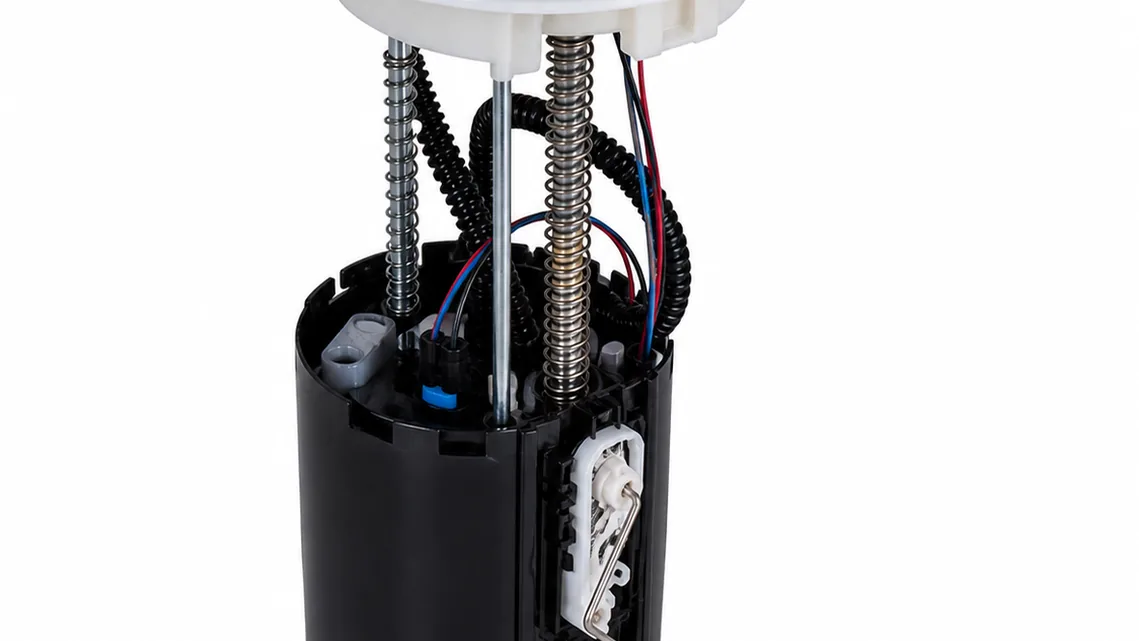
When hard starting or rough idle appears right after refueling, the purge valve moves high on the diagnostic list because an open path from the canister to the intake can affect mixture control. The ranking changes if the main complaint is pump shutoff during filling, visible hose damage, electrical codes, or persistent leak codes.
Before replacing it
EVAP codes often identify a system behavior, not a single failed part. Codes such as P0441, P0443, P0455, P0456, P0457, P0496, and manufacturer-specific purge-flow codes may be researched alongside purge-valve faults, but the same code family can involve hoses, electrical faults, canister issues, venting faults, or fuel-cap sealing.
| Code group | What it can suggest | Why it is not final proof |
|---|---|---|
| P0496 or excess purge flow codes | Purge flow when the system expects little or none | A stuck valve is likely, but command control, sealing, and plumbing still need confirmation |
| P0441 purge flow codes | Incorrect purge flow through the EVAP system | Flow may be affected by the valve, hoses, canister, venting, or sensor interpretation |
| P0443 electrical control codes | Purge valve control circuit fault | The issue may be wiring, connector fit, driver control, or the valve coil |
| P0455, P0456, or P0457 leak codes | Large, small, or cap-related leak detection behavior | Leaks can come from caps, hoses, vent valves, canisters, seals, or damaged lines |
Inspection steps
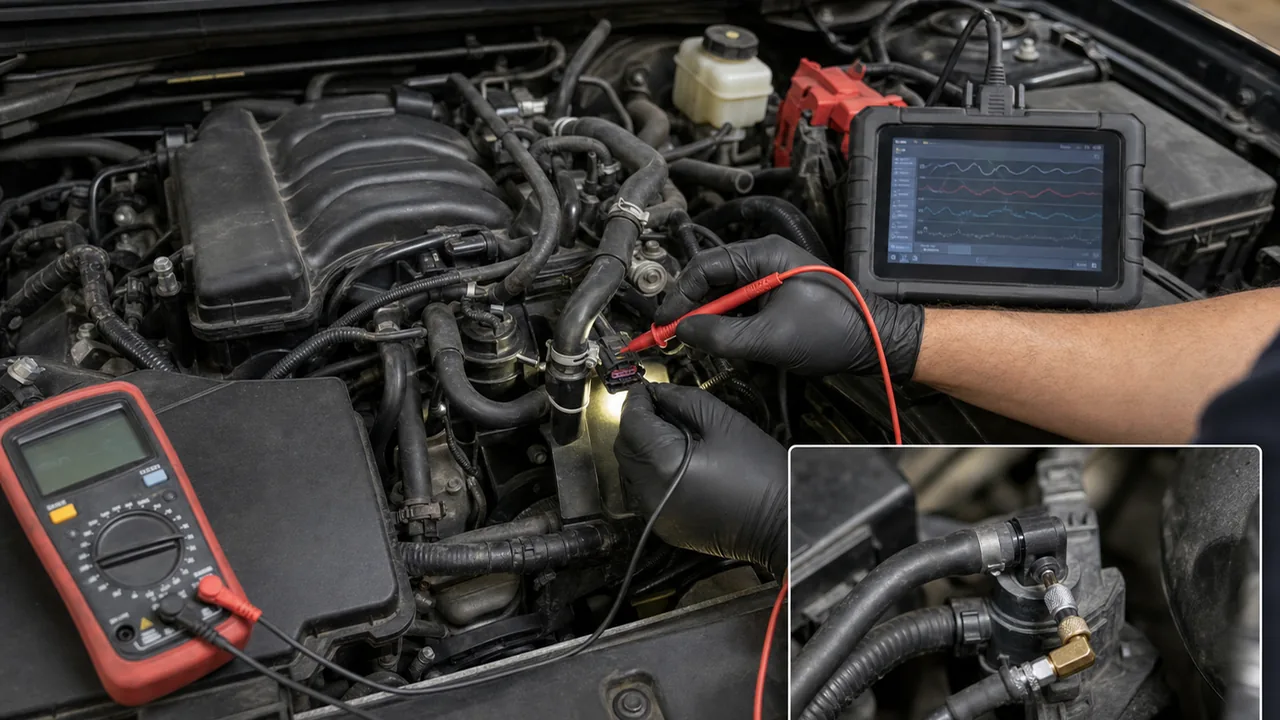
The best diagnostic order separates owner-safe observations from technician-level EVAP testing. Owners can document timing, scan codes, and inspect visible damage. A technician can command the purge valve, test whether it seals, smoke-test the system, and compare fuel tank pressure data with expected system behavior.
Owner-safe checks
Technician checks
A used purge valve can be a poor bet if the failure is internal sticking, contamination, or age-related sealing loss. If a used part is considered, it should match the original fitment exactly and should be inspected more carefully than a simple visual comparison allows.
For repeated EVAP codes or refueling-related stalling, a new correct-fit valve and proper diagnosis usually reduce the risk of repeating the same check-engine-light cycle.
A mild check-engine light with normal drivability can often be scheduled for diagnosis soon, but fuel odor, repeated stalling, severe rough running, or a restart problem at a fuel station raises urgency. Strong fuel smell should be treated cautiously because vapor leaks and drivability failures can create safety risk.
If symptoms are mild and the vehicle drives normally, schedule EVAP diagnosis and avoid repeated code clearing. Good notes about when the symptom appears, which fuel level it follows, and which codes return can shorten the diagnostic path.
Replacement notes
A stuck-open EVAP purge valve after refueling usually points to fuel vapor being pulled into the intake when the engine needs a stable air-fuel mix. The first check is symptom timing: hard start, rough idle, stalling, fuel odor, or a check-engine light that appears after filling the tank. This is an investigate-soon issue, and it becomes urgent if fuel odor is strong or the engine stalls in traffic.
A purge valve fault mainly affects when vapor is allowed into the intake. A vent valve fault affects how the tank and canister breathe during EVAP testing and refueling. A canister fault can create either flow restriction or vapor-management problems, depending on the failure path.
The mistake is treating every refueling complaint as a purge-valve complaint. If the engine starts poorly after filling, test purge sealing early. If the pump nozzle repeatedly shuts off while filling, inspect venting, canister restriction, and vapor routing before assuming the purge valve is the primary failure.
| Pattern | More likely direction | Best next check |
|---|---|---|
| Hard start or rough idle after filling | Purge valve leaking open or excess purge flow | Confirm purge valve sealing when closed |
| Pump repeatedly clicks off during refueling | Vent valve, canister restriction, or vapor-line blockage | Inspect vent path and canister condition |
| Persistent leak codes without refueling hard start | Cap, hose, seal, vent valve, canister, or pressure-sensor issue | Smoke-test and inspect data before replacing parts |
If testing confirms the purge valve is stuck open, choose the replacement by year, make, model, engine, emissions package, connector shape, hose routing, and mounting style. Many purge valves look similar but differ in ports, brackets, electrical connectors, and calibration expectations.
Post-repair verification matters. The engine should restart normally after refueling, idle quality should stabilize, and the same EVAP code should not return under similar conditions. Clearing codes without a confirmed repair only erases evidence and can delay the correct diagnosis.
FAQ
What is the difference between a purge valve stuck open and stuck closed?
A stuck-open purge valve can allow vapor into the intake when it should not, often causing hard start or rough idle after refueling. A stuck-closed valve can prevent normal vapor purge and may trigger flow-related EVAP codes without the same refueling restart pattern.
Can a purge valve cause the gas pump to keep shutting off?
It is not the first suspect for repeated pump shutoff. That complaint more often points toward venting restrictions, vent valve faults, canister problems, or vapor-line routing issues.
Will clearing the check-engine light fix an EVAP purge valve problem?
No. Clearing codes removes stored evidence but does not repair a stuck valve, leak, wiring fault, canister issue, or venting fault. Save codes first, repair the confirmed cause, then verify.
Is it safe to drive with a suspected stuck-open purge valve?
It depends on symptoms. Normal drivability with a light may allow scheduled diagnosis, but strong fuel odor, repeated stalling, or hard restart conditions should be handled urgently.
Do I need a scan tool to diagnose it?
Basic scanners help record codes, but confirming command response, sealing, fuel tank pressure data, and smoke-test results usually requires technician-level tools and vehicle-specific repair information.

Comments
Be the first to add a practical repair note or follow-up question.