

What drivers usually notice
Sedans and hatchbacks can sit well below the all-vehicle average, while SUVs, pickups, vans, luxury models, and certified pre-owned units can push above it. CARFAX's May segment reporting placed cars around $19,244, SUVs around $24,901, pickups around $34,941, and hybrids and EVs around $33,258.
- Cars and hatchbacks are often the lower-price comparison set.
- SUVs track closer to mainstream family demand.
- Pickups often run above average when clean and work-ready.
- Vans depend heavily on interior wear and mileage.
- Luxury vehicles and used EVs require extra ownership-cost checks.
Why it happens
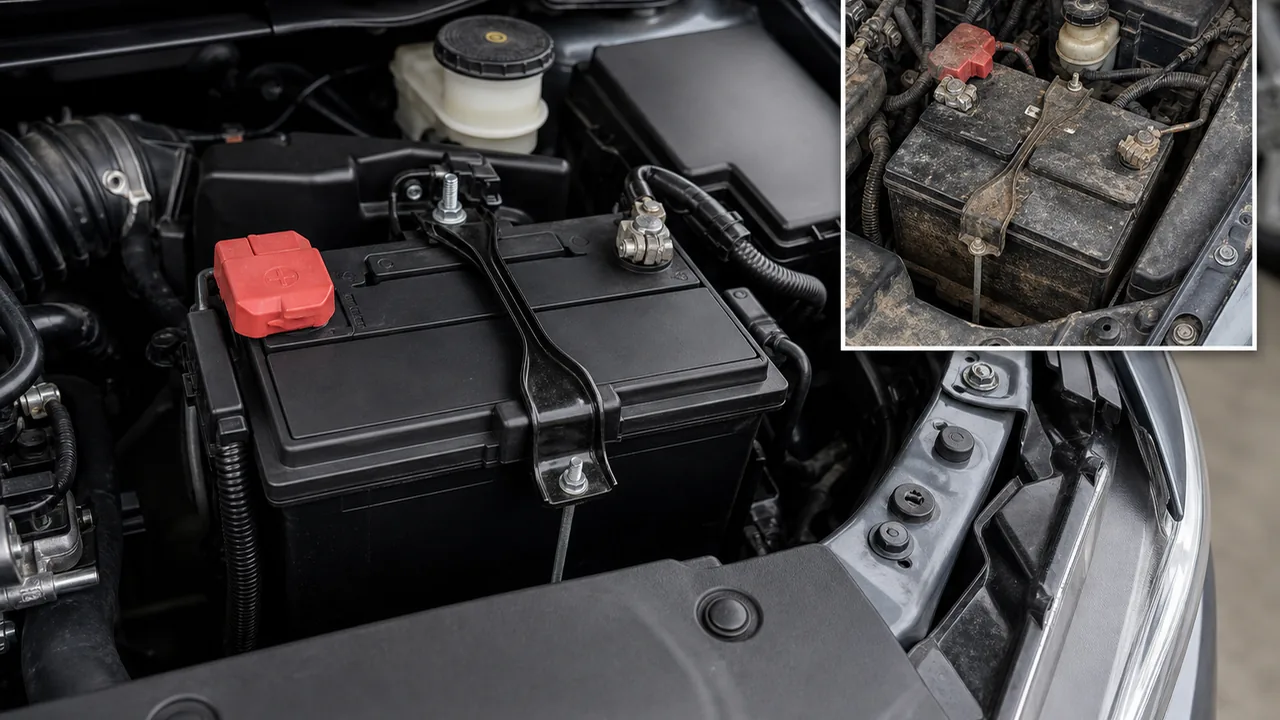
Transaction data shows what buyers paid in reported sales. Listing data shows advertised inventory before negotiation, taxes, fees, financing, and trade-in handling. Marketplace indexes can run higher when late-model, luxury, truck, SUV, or higher-trim inventory makes up more of the sample.
| Transaction | Edmunds April ATP | Paid-price benchmark |
| Dealer listing | Cox April vAuto | Asking-price and inventory pressure |
| Marketplace listing | CarGurus April report near $29.7K | Mix-sensitive listing comparison: https://dealers.cargurus.com/blog/cargurus-intelligence-report---april-2026 |
| Wholesale | Manheim index | Early dealer-cost signal, not a retail price |
The supply issue comes from fewer clean late-model used vehicles than shoppers want. Off-lease volume is improving in 2026 and may help some models, especially certain EVs, but it will not lower every truck, SUV, van, or mainstream commuter at the same pace.
- High new-car prices keep buyers in the used market.
- Tight supply supports higher asking prices.
- Older affordable vehicles rise when budget shoppers compete for them.
- Financing, insurance, repairs, and negative equity can matter as much as sticker price.
Safe driving advice
The average used car price in the USA in 2026 usually means about $26,300 when using April 2026 retail market data. Edmunds reported a $26,374 used-vehicle transaction price for April, while Cox Automotive reported a $26,342 average used-vehicle listing price for the same month.
Start by checking local listings for the same year, mileage, trim, history, and drivetrain before contacting a seller. A national average is a screen, not a fair-price guarantee.
| Transaction price | April 2026 | $26,374 | Reported paid-price benchmark | https://www.edmunds.com/avg-transaction-price-atp/ |
| Dealer listing price | April 2026 | $26,342 | Advertised retail asking-price benchmark | https://www.coxautoinc.com/insights/used-vehicle-inventory-april-2026/ |
| Segment listing index | May 2026 readings in June CARFAX index | $19,244 to $36,576 by segment | Shows how body style changes the answer | https://news.dealershipguy.com/p/used-vehicle-prices-spike-3-1-in-may |
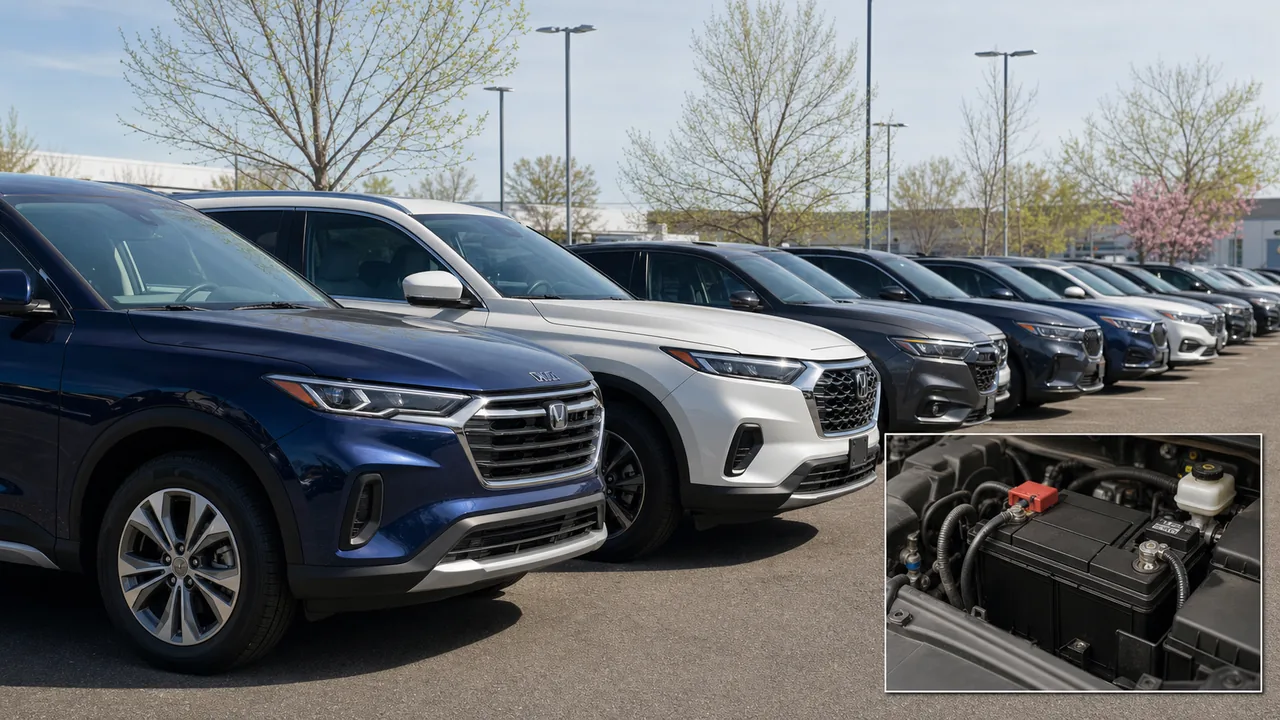
Cox and Edmunds both showed April used prices above March levels. Manheim's mid-May 2026 wholesale update put the index at 213.1, up from a year earlier, while warning that the mid-month number is a checkpoint rather than the official full-month reading.
A softer wholesale month does not promise cheaper retail prices later in 2026. Inventory, model mix, financing, fuel costs, and local demand can offset each other. Source: https://www.coxautoinc.com/insights/manheim-used-vehicle-value-index-mid-may-2026-trends/
Do not let a below-average price override warning lights, poor braking feel, loose steering, tire damage, overheating signs, harsh transmission behavior, fuel odor, or unclear maintenance history. If you are keeping your current car while waiting for prices to soften, the wait only makes sense if that vehicle remains safe.
- Confirm open recalls before purchase.
- Avoid rushed inspections in poor light or bad weather.
- Do not treat a clean listing as proof of a clean title.
- For EVs, verify charging behavior and battery-condition records.
Basic sedans and hatchbacks may offer choices below the national average. Clean trucks, three-row SUVs, luxury models, and some electrified vehicles may not. The better timing signal is the quality and quantity of local comparable listings.
Do not use future price hopes as a substitute for financing discipline, trade-in research, insurance quotes, and inspection results.
- Search a realistic local range instead of chasing one national average.
- Compare only similar vehicles by generation, trim, mileage band, drivetrain, and history quality.
- Check trade-in value separately so deal price and trade allowance do not blur together.
- Calculate the payment and total amount financed before judging the sticker price.
- Use inspection findings to negotiate or walk away.
From here, browse used cars for sale near you, calculate your used car payment, check your trade-in value, and compare certified pre-owned cars if warranty coverage matters.
What to check
Owner checks before contact
- Save at least three comparable local listings.
- Check the history report for title brands, damage, ownership gaps, and mileage consistency.
- Ask for maintenance records and recall completion proof.
Technician checks before you buy
- Inspect for structural damage, leaks, suspension wear, brake wear, tire issues, and hidden collision repair.
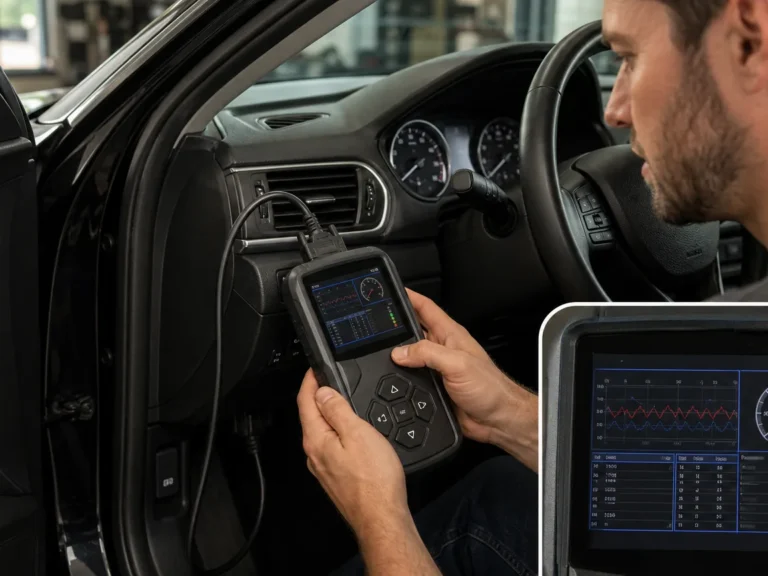
- Run a scan-tool check for stored, pending, or recently cleared codes.
- For hybrids and EVs, verify battery and charging condition through available service data.
When to stop driving
End a test drive and arrange inspection if the vehicle pulls sharply, overheats, shows warning lights, smells of fuel, shifts harshly, or feels unstable under braking. Do not negotiate around a fault you have not priced and verified.
If your current car is no longer safe, stop waiting for a better market and compare lower-mileage mainstream options, certified pre-owned cars, or a simpler temporary vehicle instead.
FAQ
These quick answers separate the national number from the buying decision, because shoppers often confuse an average with a fair target for a specific vehicle. Recheck the source month before enabling FAQPage schema.
Comments
Be the first to add a practical repair note or follow-up question.