
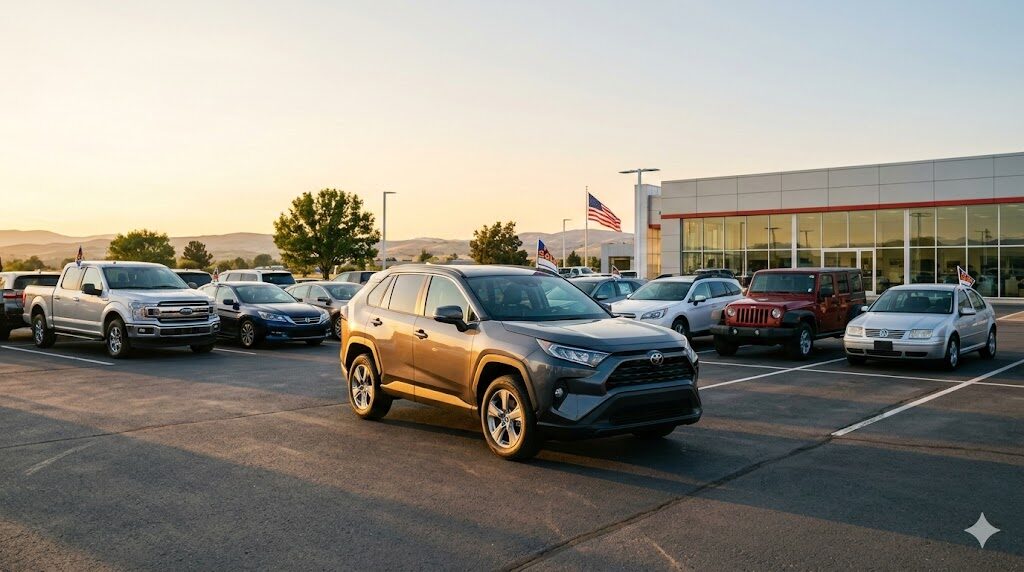
What drivers usually notice
Shoppers usually notice budget shock before they notice market mechanics. A vehicle that looks slightly cheaper on paper may still cost more each month if financing is expensive, insurance is higher, or the car needs tires, brakes, or deferred maintenance right away.
- Entry-level, clean used vehicles often feel scarce relative to demand.
- Compact and midsize SUVs can stay firm when buyers want practical family transport.
- Some EV listings may look tempting, but shoppers may hesitate over range, battery age, charging fit, or resale uncertainty.
- Older trucks can remain expensive if work-use demand stays stronger than supply.
- Trade-in offers may feel inconsistent because dealers are pricing risk, not just age and mileage.
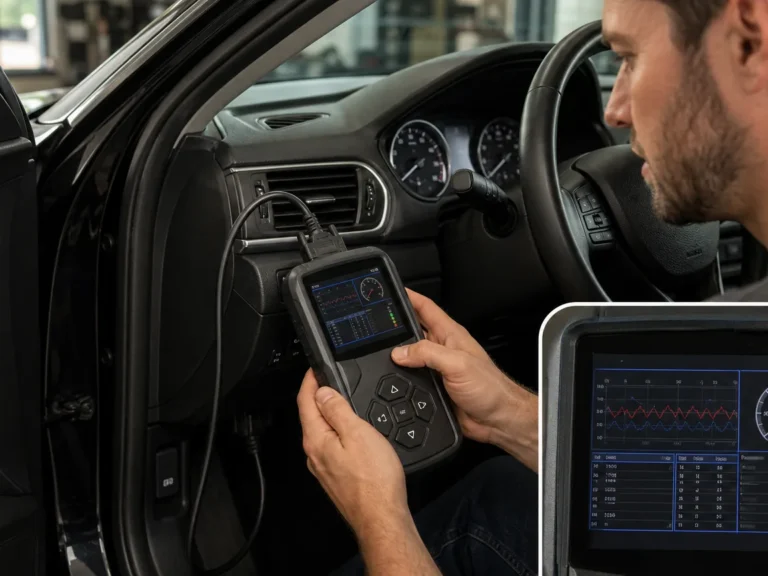
This is also where search intent splits. Some readers want a market forecast, while others really need vehicle-specific help because a used car already on their shortlist has warning lights, rough running, or an emissions code. If your real question is about symptoms or an OBD code, move to a repair-focused guide instead of using a market article to judge a mechanical risk.
Who may feel the market most in 2026
- Budget shoppers trying to stay under a monthly payment ceiling.
- Families replacing a daily driver without moving into a new-car payment.
- Owners deciding whether to trade now or keep driving a paid-off vehicle.
- Dealers and resellers watching how wholesale softness translates into retail behavior.
Why it happens
The ranked causes of 2026 used-car price movement are likely to start with affordability, inventory quality, and segment demand. If financing remains restrictive, the payment-sensitive middle of the market stays under pressure even if sticker prices moderate. If clean supply improves, some mainstream vehicles may soften further. If supply stays uneven, the best-value listings may still move fast.
- Financing conditions and monthly payment sensitivity.
- Wholesale inventory flow, including lease returns and fleet churn.
- Retail supply of clean, low-drama vehicles with service history.
- Segment demand differences across cars, SUVs, trucks, EVs, and hybrids.
- Regional conditions, including commuting patterns, weather, and fuel-price sensitivity.
- Dealer reconditioning costs and margin discipline.
Wholesale versus retail lag matters because it explains why market headlines and street-level shopping can feel disconnected. Dealers may have bought inventory weeks earlier at higher prices, or they may hold firm on pricing for vehicles they know are scarce in their area. Shoppers should not assume a soft auction report means immediate relief at every franchise or independent lot.
Supply, lease returns, and financing conditions work together. More off-lease and near-new supply can put downward pressure on some late-model categories, but that does not always help buyers shopping older, lower-priced vehicles. In that lane, supply can remain constrained because dependable sub-prime and cash-buyer inventory is hard to replace.
| Market force | What it can do in 2026 | Why it matters |
|---|---|---|
| Wholesale softening | Can point to future retail easing | But only after dealer inventory turns over |
| Higher loan costs | Keeps payment pressure elevated | A cheaper sticker can still mean an expensive deal |
| More lease returns | Can improve late-model supply | Most helpful in newer, cleaner inventory bands |
| Strong hybrid demand | Can keep prices resilient | Fuel savings support shopper demand |
| Segment oversupply | May push discounts in weaker lanes | Especially where demand cooled faster than inventory |
Anchor opportunity: place Car Depreciation Explained here because depreciation is not one national number; it is a segment-by-segment behavior pattern.
Safe driving advice
Buy now versus wait depends on your time horizon. If you need transportation within 30 to 60 days, treat the forecast as context and shop the real market now. A good deal is a combination of fair price, acceptable financing, and a vehicle that passes inspection, not simply a lower advertised number.
- Buy now if your current car is unreliable, repair risk is rising, or you find a clean vehicle with solid history at a realistic out-the-door cost.
- Wait if your current vehicle is dependable, your target segment shows growing supply, and you can keep monitoring listings without pressure.
- Widen your search radius if local supply is thin but do not skip inspection, title checks, or transport cost math.
- Compare loan terms early because a rate change can erase the benefit of waiting for a small price drop.
Seller and trade-in timing is also uneven. If you own a clean mainstream vehicle with strong service records, acting before mileage climbs further may protect value better than holding out for a vague market rebound. If you own a model in a still-tight niche, you may have more flexibility, but market mood can shift quickly if supply improves.
Segment outlook for 2026
- Cars: some older sedans may soften, but dependable economy models can stay firm where affordability demand remains high.
- SUVs: practical compact and midsize SUVs often hold attention because they fit family and commuter needs.
- Trucks: work-use and lifestyle demand can keep some trucks resilient, especially clean examples with usable specs and no obvious abuse.
- EVs: price behavior may stay uneven because technology pace, charging fit, incentives, and battery perception affect demand.
- Hybrids: strong real-world fuel economy can support demand and reduce depreciation pressure in many markets.
Anchor opportunities: Used Car Buying Guide, Used Car Financing Guide, Best Time to Buy a Car, and Electric Vehicle Buying Guide fit naturally in this section.
The main tradeoff is time, cost, and risk: the short-term pros of waiting only make sense when the symptom stays mild, while the cons grow quickly if warning signs become more obvious.
What to check
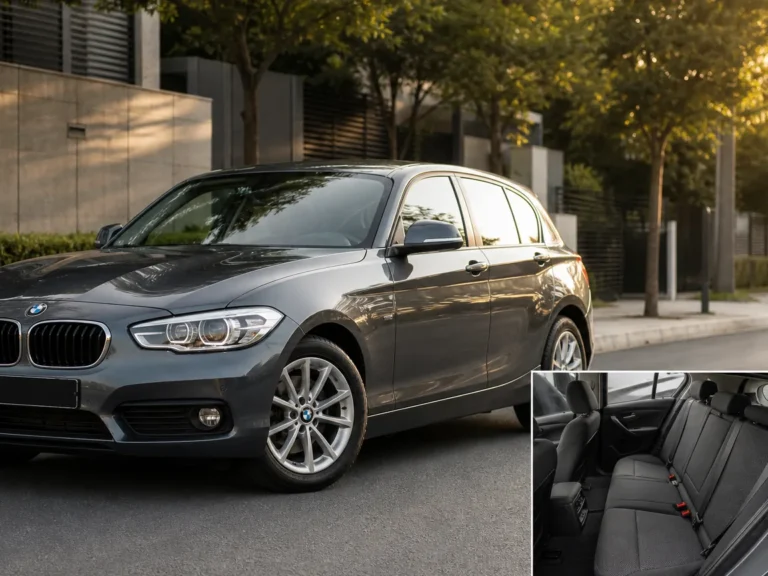
Owner-side checks for shoppers should focus on the whole purchase equation, not only forecast direction. A used car that appears attractively priced may still be a weak value if it has a thin history file, mismatched tires, deferred maintenance, open recalls, cosmetic repair clues, or a payment structure that stretches the budget.
- Compare local listings by trim, mileage, title status, accident history, and seller type before calling a price high or low.
- Ask for service records and verify whether wear items are already due.
- Calculate out-the-door price, not just the advertised number.
- Price insurance and financing before visiting the lot if possible.
- Read vehicle-history details with context, not as an automatic yes or no.
- If the vehicle shows warning lights or drivability issues, switch to a repair or OBD guide before negotiating.
Analyst-side checks for market readers are different. Trust data that clearly separates wholesale from retail, shows source dates, and avoids implying that one metro area or one vehicle category represents the whole country. Segment-level conclusions need live support. So do claims about loan rates, incentives, tariffs, or a precise month-by-month 2026 path.
- Check the date of every market snapshot before using it in a 2026 claim.
- Separate national trend language from local pricing reality.
- Compare auction commentary with live retail listings to see whether lag is widening or narrowing.
- Watch days supply and discounting behavior by segment, not only average price.
- Treat exact 2026 price targets as provisional unless a current source supports them.
| Check first | Why it matters | Who should do it |
|---|---|---|
| Local listing spread | Shows real retail pricing, not just headlines | Buyers and sellers |
| Trade-in quotes from multiple sources | Reveals how strong dealer demand really is | Sellers |
| Loan pre-approval or payment estimate | Tests affordability risk | Buyers |
| History report plus service evidence | Separates clean value from hidden cost | Buyers |
| Source date on market data | Prevents stale forecast claims | Analysts and editors |
Anchor opportunities: How to Check a Used Car History and Vehicle Inspection Checklist belong here because the reader now needs verification tools, not more abstract market talk.
An alternative path suits owners who only need a safe short-term answer, while a full inspection suits drivers who want proof before a longer trip; that difference matters because one path is not for every situation.
When to stop driving
Stop using market timing as the primary lens if your current vehicle is showing a real safety or reliability problem. A used-car price forecast can help frame whether you repair or replace, but it cannot tell you whether the vehicle is safe to keep driving.
- Brake warning, severe pull, or grinding that affects control.
- Overheating, coolant loss, or repeated temperature spikes.
- Check-engine light with obvious misfire, stalling, or limp mode.
- Transmission slip, harsh engagement, or inability to maintain speed safely.
- Fuel smell, smoke, or electrical charging warnings.
If that is your situation, the better next step is to move into symptom, diagnostic, or repair content, then return to valuation and inventory research once the mechanical question is clear. A weak market deal can still be better than keeping an unsafe car. A strong market forecast is still a bad reason to buy a vehicle with unresolved faults.
Intent bridge: if you arrived here from an OBD code or symptom search, go to /obd2-codes/, /car-symptoms/, or /repair-guides/ for diagnosis before relying on a market article.
FAQ
Will used car prices go down in 2026 in the USA?
Used car prices may ease in some segments in 2026, but they are not likely to fall evenly across the entire U.S. market. Inventory quality, financing cost, and local demand will matter more than a single national headline.
Why do wholesale prices and retail prices move differently?
Wholesale values usually move first because auctions react quickly to supply and dealer sentiment. Retail prices often adjust later because dealers still carry inventory costs, reconditioning expense, and local pricing pressure.
Should I wait until 2026 to buy a used car?
Only if you have time, your current vehicle is dependable, and your target segment is showing improving supply. If you need a car soon, focus on total cost, inspection results, and financing terms rather than waiting for a perfect market moment.
Will trade-in values fall in 2026?
Some trade-in values may soften, especially in weaker segments or where supply improves. Clean, desirable vehicles with strong history can still hold up better than market averages suggest.
Are EVs likely to be cheaper than hybrids in the used market?
They can be, but that does not automatically make them the better value. Charging fit, battery confidence, incentives, and resale expectations all shape demand, while hybrids may stay stronger because their fuel savings are easy for many buyers to use.
What should I check before trusting a used-car forecast?
Check the source date, whether it separates wholesale from retail, and whether it reflects your region and target segment. Then compare live listings, finance quotes, and trade-in offers before making a decision.
What if I landed here while researching a check-engine light or fault code?
Use a repair, symptom, or OBD code guide first. A market forecast can help with the replace-versus-repair decision later, but it does not diagnose the vehicle.
Comments
Be the first to add a practical repair note or follow-up question.